Neurological Rehabilitation in Malaysia — Get 3 Top Clinic Matches with Costs

Medically reviewed by
Kayhan Turan
How Much Does Neurological Rehabilitation Cost in Malaysia?
Neurological Rehabilitation in Malaysia typically costs from $4,500 to $6,500. The final price depends on the specific condition, session complexity, and use of advanced robotics. Patients save around 87% compared to the US, where costs average $43,000. Most inpatient programs include specialized physiotherapy, manual therapy, and patient education in major hubs like Kuala Lumpur and Penang.
- Stroke rehabilitation: $5,500 to $11,500 for comprehensive recovery programs.
- Rehabilitation for children with cerebral palsy: $2,200 to $5,000.
- Multiple sclerosis rehabilitation: $1,800 to $3,500.
- Rehabilitation after traumatic brain injury: $6,500 to $13,000.
- Robotic-assisted therapy: Often adds 20-30% to the cost compared to conventional manual techniques.
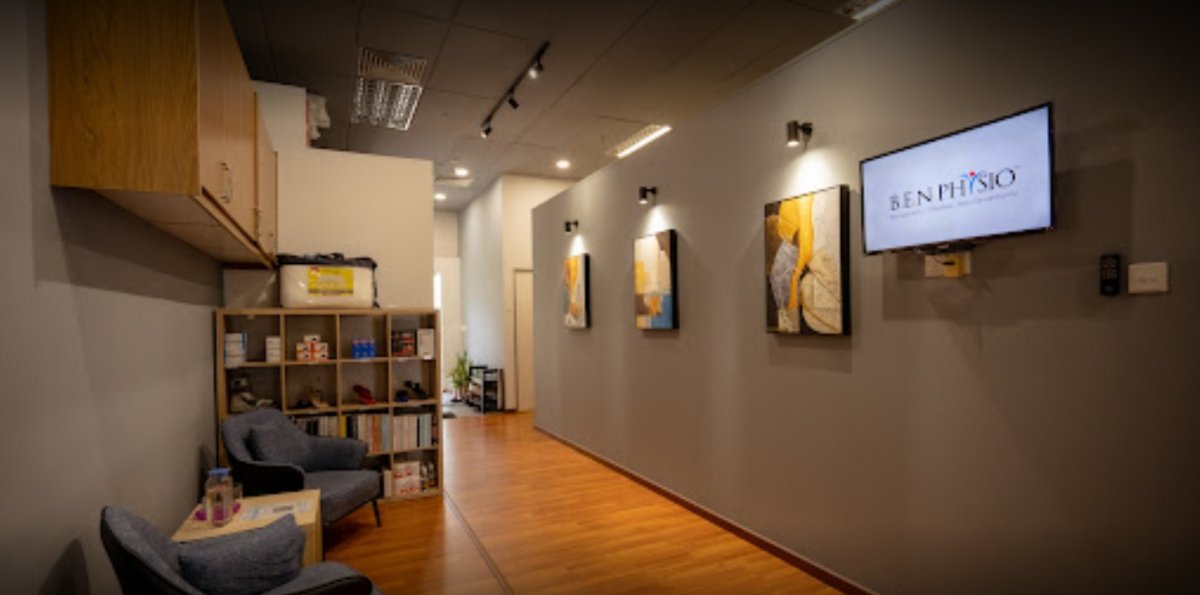
Bookimed Expert Insight: Choosing specialized clinics for outpatient care can significantly reduce overall medical expenses. For instance, Benphysio Clinic in Kuala Lumpur treats 1000 patients per year using WHO-standard diagnostics. They focus on reducing injury recurrence which provides better long-term financial value. Their team of 20 doctors specializes in manual therapy. This focused approach ensures patients receive targeted care without the high overhead of large hospitals.
| Malaysia | Turkey | Austria | |
|---|---|---|---|
| Neurological Rehabilitation | ≈ $4,500 | from $150 | from $3,000 |
| Vojta Therapy | ≈ $450 | from $230 | ≈ $800 |
| Stroke rehabilitation | ≈ $5,500 | from $230 | from $3,000 |
| Snoezelen therapy | ≈ $60 | from $150 | ≈ $450 |
| Rehabilitation for children with cerebral palsy | ≈ $2,200 | from $6,200 | from $3,000 |
Your Benefits and Guarantees with Bookimed
Transparent Prices & Flexible Installments
No hidden fees – just official clinic prices. Pay at the clinic for Neurological Rehabilitation upon arrival and use a flexible installment plan if needed.
Verified Clinics & Doctors Only
Bookimed is committed to your safety. We only work with medical institutions that maintain high international standards in Neurological Rehabilitation and have the necessary licenses to serve international patients worldwide.
Free 24/7 Assistance
Bookimed offers free expert assistance. A personal medical coordinator supports you before, during, and after your treatment, solving any issues. You're never alone on your Neurological Rehabilitation journey.

Your personal Bookimed medical coordinator
- Supports you at every stage
- Helps choose the right clinic and doctor
- Ensures quick and convenient access to information
Discover the Best Neurological Rehabilitation Clinics in Malaysia: 2 Verified Options and Prices
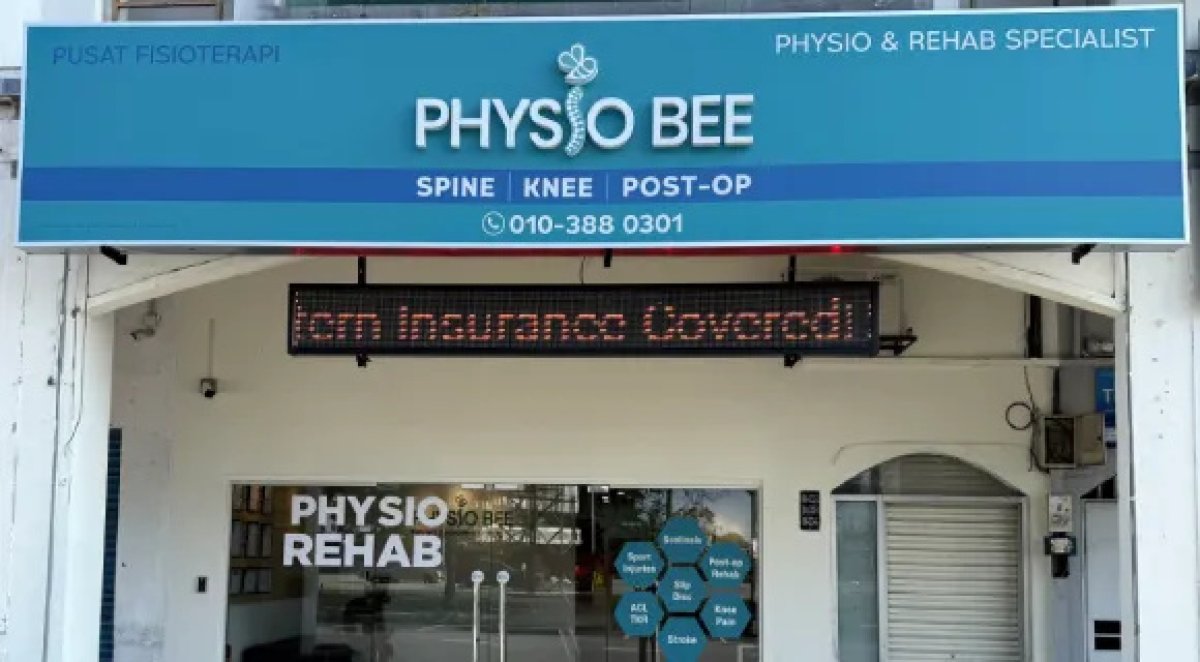
Physio Bee (formerly Rehab Bee Physio)
Neurological Rehabilitation Overview in Malaysia
Day 1
- Arrive at the hospital with VIP transfer.
- Meet with the neurologist for consultation.
- Undergo necessary medical tests.
Day 2
- Review of test results and diagnosis.
- Discussion of the neurological rehabilitation plan.
Day 3 to Day 7
- Start of individualized neurological rehabilitation.
- Therapies may include physical, occupational, and speech therapy.
- Duration varies depending on individual needs, typically 1-2 hours daily.
Week 2 to Week 6
- Continuation of individualized neurological rehabilitation.
- Progress monitoring and adjustments to rehab plan as necessary.
Week 7
- Assessment of rehabilitation progress.
- Possible return to light work or modified activities.
Week 8 to Week 12
- Continued rehabilitation and progress monitoring.
- Gradual resumption of regular activities.
Week 12 and beyond
- Final assessment of rehabilitation results.
- Return to normal activities, including sports, if cleared by doctors.
Please note that each patient"s recovery timeline and rehabilitation plan may vary, as each case is individual.
- Bookimed deposit: $200 or €200.
- Clinic deposit: Pay a set percentage in advance.
Our Doctors
View all DoctorsRita Chow

Chow Jer Mei
With over 15 years of clinical experience, the doctor specializes in post-operation, neurological, geriatric, cardio-pulmonary, pediatric, and musculoskeletal rehabilitation. Holding a degree in Physiotherapy, the doctor maintains extensive certifications in shockwave therapy, kinesio taping, dry needling, the Mulligan concept, and the Bobath concept.
The doctor has served at various institutions, including Tung Shin Hospital and several public hospitals, and currently leads a practice recognized as the first in Malaysia to implement Virtual Reality and Robotic-Assisted Rehabilitation. Having successfully treated over 30,000 patients, the doctor is a dedicated advocate for evidence-based practice and technological innovation in patient recovery.

Ben Loo
Share this content
Video Stories from Bookimed Patients
 Anna Leonova
Our Neurological Rehabilitation Techniques: What Suits You Best?
When considering Neurological Rehabilitation, it’s important to understand the different techniques and which is best suited for you. Here’s a concise comparison of popular options:

Stroke Rehabilitation
Stroke rehabilitation is a comprehensive program designed to help individuals recover and regain skills lost due to brain injury from a stroke.
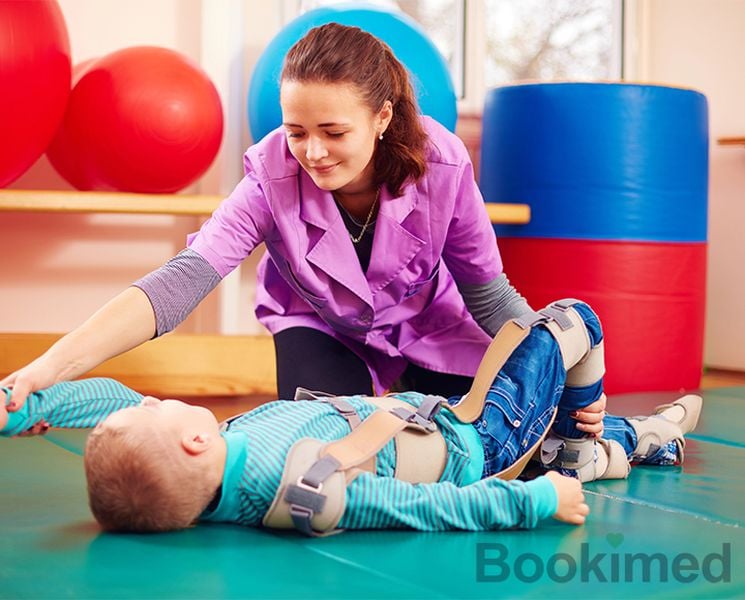
Rehabilitation for children with cerebral palsy
Neurotherapy focuses on improving motor skills, communication, and cognitive abilities in children with cerebral palsy.
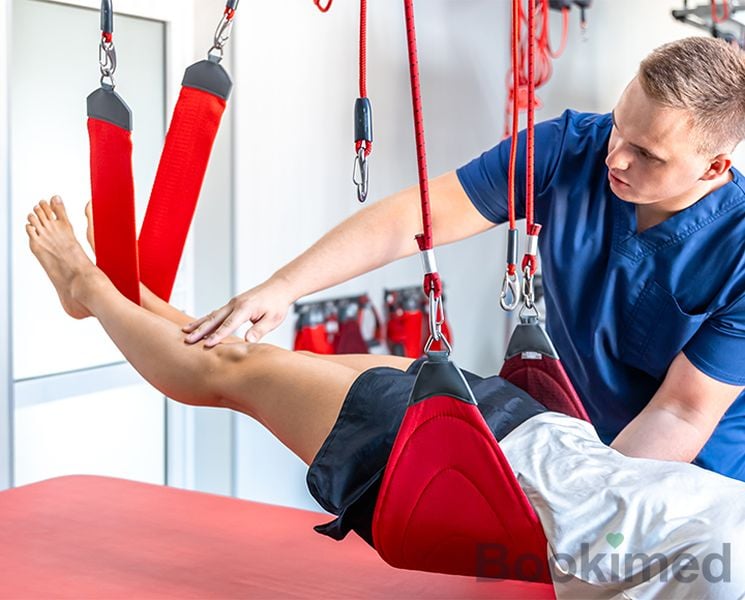
Rehabilitation after Traumatic Brain Injury
Neuro rehab focuses on restoring function and improving quality of life after a traumatic brain injury.
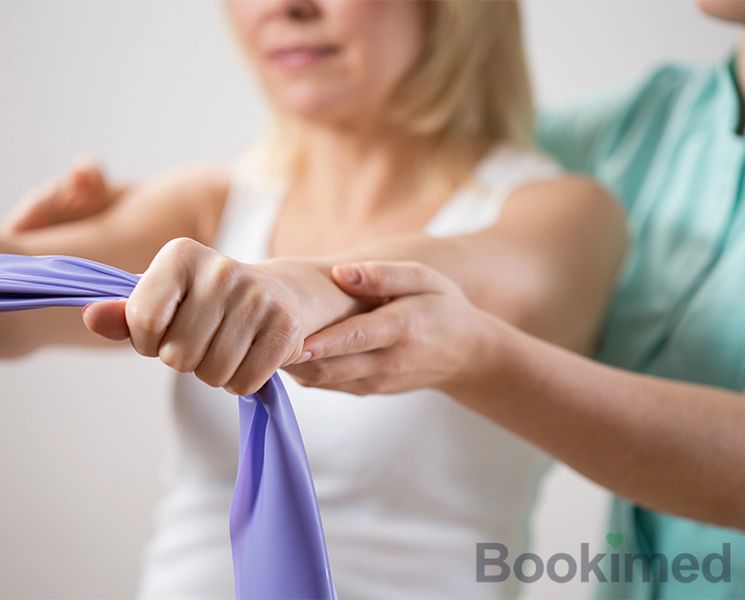
Cardiological Rehabilitation
Involves structured programs designed to improve cardiovascular health and physical function following heart-related conditions.

Multiple sclerosis rehabilitation
Multiple sclerosis rehabilitation involves specialized therapies aimed at enhancing mobility, functionality, and quality of life for individuals with multiple sclerosis (MS).
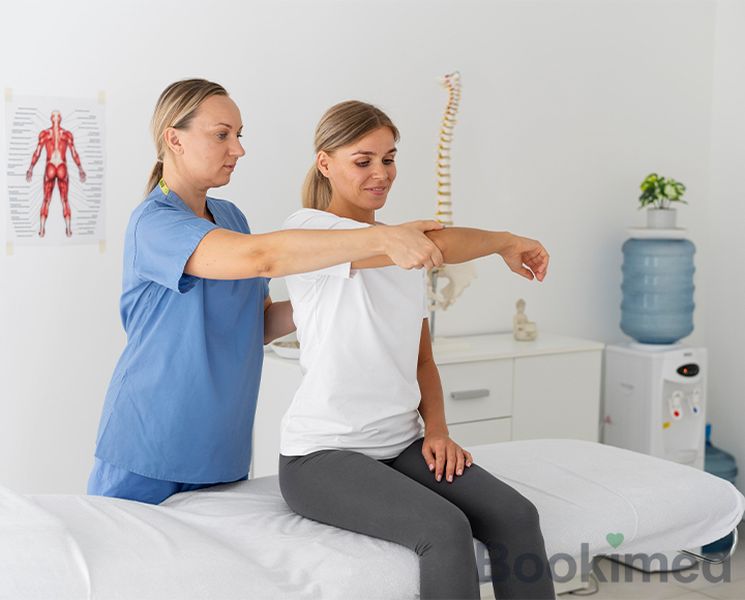
Bobath therapy
Bobath therapy is a specialized neuro rehab approach focusing on enhancing movement and posture through individualized treatment plans.
FAQ about Neurological Rehabilitation in Malaysia
When is the best time to travel to Malaysia?
Malaysia is characterized by consistent weather all year round. However, the best period to visit this country is in December, February, and March — the most favorable time to avoid the heavier rainy season and the great peak of the tourist season around Christmas, New Year’s, and Chinese New Year.
What documents are required to apply for a visa to Malaysia for treatment?
Visas for travel to Malaysia require a number of documents. The necessary papers can be submitted 90 days before the planned departure. List of documents includes:
- Original passport
- 2 photocopies of the applicant’s passport
- 2 photocopies of the visa application form (Form IMM.47)
- 2 passport size photographs of the applicant
- Original and 2 photocopies of the ticket (confirmed and returned ticket)
- Bank statement/traveler’s cheque
- Invitation letter (if any)
- Payment of visa fee.
What Hotel Services Are Provided Here?
In Malaysia, there are hotels of different price ranges and service levels. Most tourists choose 4 and 5-star hotels with all-inclusive meals. Such hotels have everything for a comfortable stay: varied food, a large well-groomed territory, animation for children and adults. Some hotels have their own water park, which guests can use for free. Budget travelers can afford to book an economical 3-star hotel with half board or no meals at all.
Do I need a visa?
Patients from the USA and Europe do not need a visa to travel to Malaysia but their stay is limited — 90 days. If your treatment requires more time, contact the Malaysian embassy in your native country to arrange long-stay visa requirements.
What should you know about Malaysia before the trip?
| Currency | the Malaysian Ringgit or MYR (USD is also accepted) |
| Best period for the trip | December-February |
| Language | Malay |
| Visa | required, excluding patients from the US and Europe |
| Time difference with Europe | 6 hours |
| Time difference with the US | 12 hours |
| Capital | Kuala Lumpur |
| Medical tourism center | Kuala Lumpur |
| Popular resorts | Bunga Raya, Pangkor Laut, Shangri-la |
What is the level of medicine in the country?
Medical care in Malaysia is developing by leaps. Hospitals’ services are monitored by the Ministry of Health that improves the quality of health care in the country and promotes it nationally and internationally.
About 400 medical facilities accept local and intercontinental patients in the country. Private hospitals are accredited according to the Association of Private Hospitals of Malaysia. 88% of Malaysian medical centers have ISO accreditation and 16 private hospitals out of 200 are JCI-accredited (compare, Germany has only 1 JCI-accredited facility).
Malaysia is a well-known medical tourism country due to excellent healthcare facilities and highly-skilled doctors. 90% of Malaysian specialists were trained in the UK, USA, and Australia.