Radiofrequency Ablation in Malaysia — Get 3 Top Clinic Matches with Costs

Medically reviewed by
Hasim Ustunsoy
How Much Does Radiofrequency ablation Cost in Malaysia?
Radiofrequency ablation in Malaysia typically costs from $5,500 to $8,500. Prices depend on the medical condition, hospital tier, and specialized imaging requirements. In the United States, patients pay around $31,000 for similar procedures. Malaysia offers significant savings of approximately 77%. Basic packages usually include surgeon fees, procedural anesthesia, and hospital room charges.
- Endovenous radiofrequence ablation: $1,500 to $3,300 for treating varicose veins.
- Radiofrequency ablation with 3D mapping: $7,500 to $11,500 for complex cardiac arrhythmias.
- Radiofrequency ablation of the liver: $4,800 to $8,500 for targeted tumor destruction.
- HIFU ablation: $4,500 to $7,500 for non-invasive uterine or prostate treatments.
- Regional hubs: Costs in Kuala Lumpur and Kuching are often lower than Shah Alam.
Bookimed Expert Insight: Choosing Malaysia for ablation provides access to world-class cardiac and aesthetic care. Clinics like Klinik De Palma serve a diverse international patient base. Complex heart procedures often utilize advanced 3D mapping technology for better accuracy. Choosing a hospital in Kuala Lumpur rather than Shah Alam could save you 15-20%. Most clinics offer English-speaking staff and high patient satisfaction ratings.
| Malaysia | Turkey | Austria | |
|---|---|---|---|
| Radiofrequency ablation | ≈ $5,500 | from $5,000 | ≈ $7,500 |
| Transurethral needle ablation (TUNA) | ≈ $2,400 | ≈ $1,800 | ≈ $3,400 |
| Radiofrequency ablation with 3D mapping | ≈ $7,500 | from $8,100 | ≈ $9,500 |
| Radiofrequency ablation of the liver | ≈ $4,800 | from $11,800 | ≈ $7,500 |
| Magnetic Resonance-guided Focused Ultrasound Surgery (MRgFUS) | ≈ $6,500 | from $19,000 | ≈ $9,500 |
Your Benefits and Guarantees with Bookimed
Transparent Prices & Flexible Installments
No hidden fees – just official clinic prices. Pay at the clinic for Radiofrequency ablation upon arrival and use a flexible installment plan if needed.
Verified Clinics & Doctors Only
Bookimed is committed to your safety. We only work with medical institutions that maintain high international standards in Radiofrequency ablation and have the necessary licenses to serve international patients worldwide.
Free 24/7 Assistance
Bookimed offers free expert assistance. A personal medical coordinator supports you before, during, and after your treatment, solving any issues. You're never alone on your Radiofrequency ablation journey.

Your personal Bookimed medical coordinator
- Supports you at every stage
- Helps choose the right clinic and doctor
- Ensures quick and convenient access to information
Discover the Best Radiofrequency ablation Clinics in Malaysia: 2 Verified Options and Prices




Radiofrequency ablation Overview in Malaysia
Day 1
- Arrival in the country and transfer to the hotel.
- Rest and acclimatize to the new environment.
Day 2
- Transfer from the hotel to the clinic.
- Consultation with a specialist for a pre-operation assessment.
- An MRI of the area to be treated is performed.
Day 3
- The Radiofrequency ablation procedure is performed.
- It lasts approximately 1-3 hours under local anesthesia.
- Patient is transferred to the recovery room post-procedure.
Day 4
- Post-operation check-up with the specialist at the clinic.
- Transfer back to the hotel for rest and recovery.
Week 1-2
- Rehabilitation period, light activities are recommended.
- Regular follow-up with the local medical professional.
Week 3
- Gradual return to regular activities.
- Continue follow-up with the local medical professional.
Week 4
- Complete recovery and return to work and sports activities.
Please note that each patient"s recovery timeline might differ slightly based on individual health conditions and the specifics of the procedure.
- Bookimed deposit: $200 or €200.
- Clinic deposit: Pay a set percentage in advance.
Our Doctors
View all Doctors
Zhang Fujun
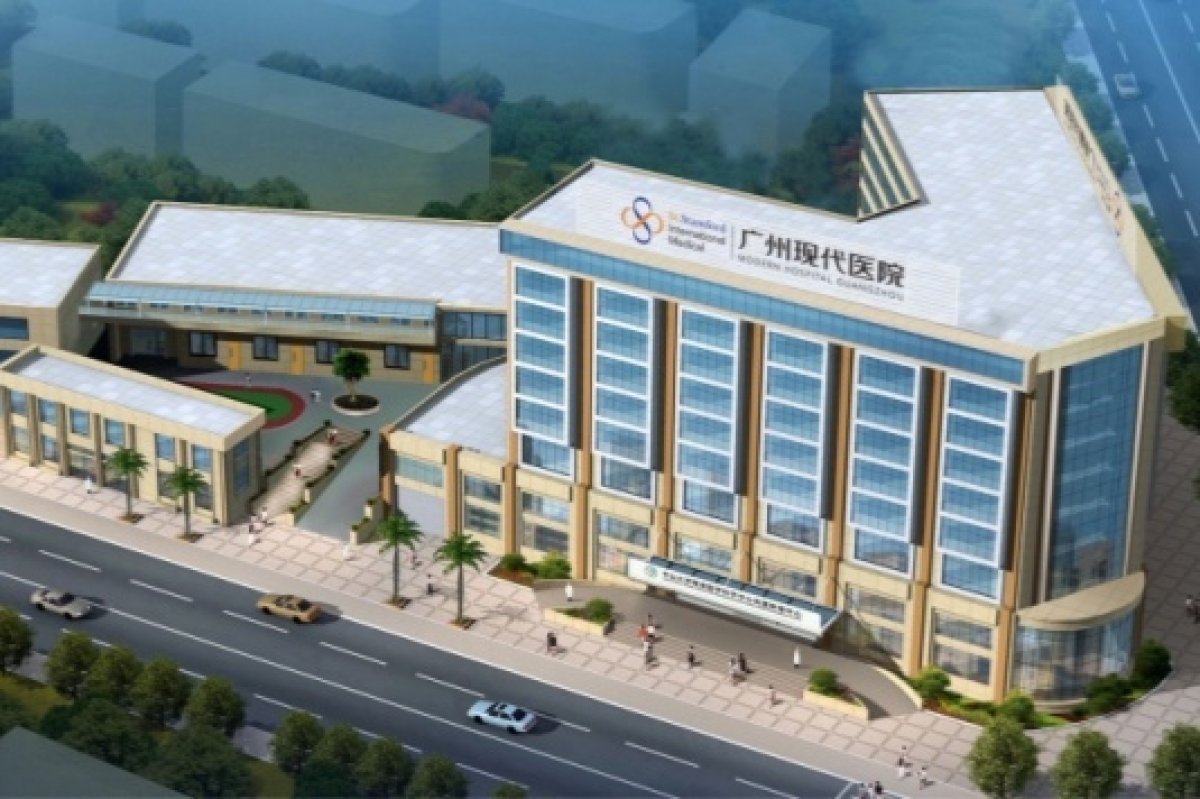
Dr. Zhang Fujun is an interventional radiologist and radiation oncologist at St. Stamford Modern Cancer Hospital Guangzhou. He treats oncological cases, including liver and esophageal cancers. Dr. Zhang specializes in radiofrequency ablation to destroy tumors with thermal energy. He works at a JCI-accredited facility.
- Performs minimally invasive interventional oncology.
- Treats patients at a clinic recognized by the European Society for Medical Oncology.
- Specializes in localized tumor destruction using radiofrequency ablation.
- Works at a facility that holds the Best Patient Assistance award.

Ma Xiao Ying

Dai Wen Yan

Song Shijun
Video Stories from Bookimed Patients
Related Articles

Innovative Cancer Treatment: Florin's Radioembolization for Liver Metastases
Written by Kateryna Zamkovska
Share this content
 Anna Leonova
Our Radiofrequency ablation Techniques: What Suits You Best?
When considering Radiofrequency ablation, it’s important to understand the different techniques and which is best suited for you. Here’s a concise comparison of popular options:
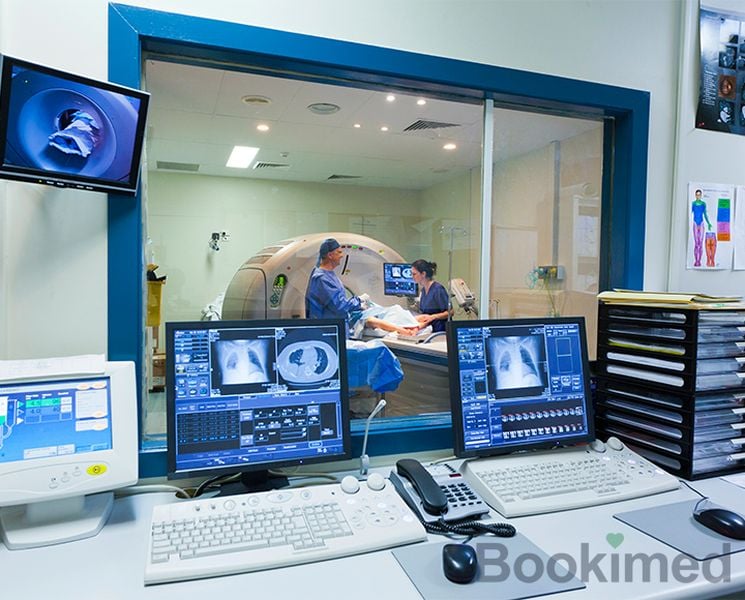
Magnetic Resonance-guided Focused Ultrasound Surgery (MRgFUS)
This non-invasive procedure uses focused ultrasound waves under MRI guidance to treat specific medical conditions without incisions.

Radiofrequency ablation with 3D mapping
Radiofrequency ablation with 3D mapping is a minimally invasive procedure using radio waves to target and treat arrhythmias with precision.
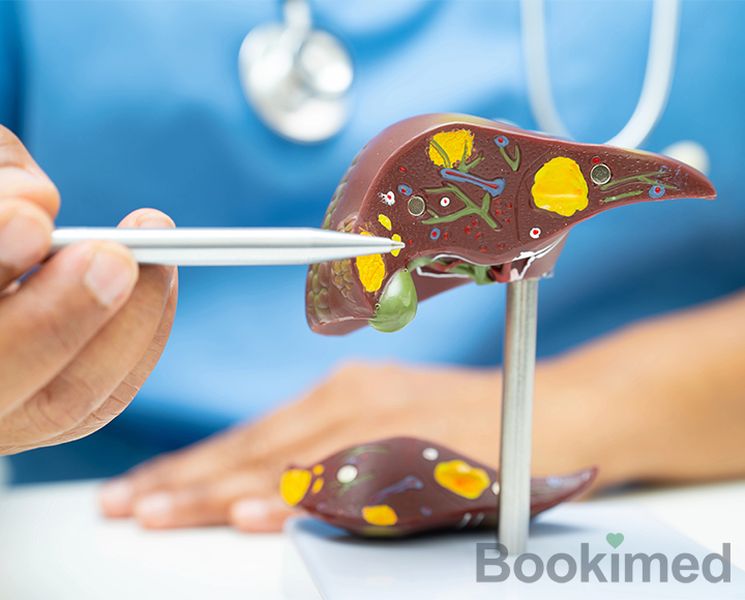
Radiofrequency Ablation of the Liver
Radiofrequency ablation of the liver is a minimally invasive procedure that uses heat generated by radio waves to destroy cancer cells in the liver.
FAQ about Radiofrequency ablation in Malaysia
When is the best time to travel to Malaysia?
Malaysia is characterized by consistent weather all year round. However, the best period to visit this country is in December, February, and March — the most favorable time to avoid the heavier rainy season and the great peak of the tourist season around Christmas, New Year’s, and Chinese New Year.
What documents are required to apply for a visa to Malaysia for treatment?
Visas for travel to Malaysia require a number of documents. The necessary papers can be submitted 90 days before the planned departure. List of documents includes:
- Original passport
- 2 photocopies of the applicant’s passport
- 2 photocopies of the visa application form (Form IMM.47)
- 2 passport size photographs of the applicant
- Original and 2 photocopies of the ticket (confirmed and returned ticket)
- Bank statement/traveler’s cheque
- Invitation letter (if any)
- Payment of visa fee.
What Hotel Services Are Provided Here?
In Malaysia, there are hotels of different price ranges and service levels. Most tourists choose 4 and 5-star hotels with all-inclusive meals. Such hotels have everything for a comfortable stay: varied food, a large well-groomed territory, animation for children and adults. Some hotels have their own water park, which guests can use for free. Budget travelers can afford to book an economical 3-star hotel with half board or no meals at all.
Do I need a visa?
Patients from the USA and Europe do not need a visa to travel to Malaysia but their stay is limited — 90 days. If your treatment requires more time, contact the Malaysian embassy in your native country to arrange long-stay visa requirements.
What should you know about Malaysia before the trip?
| Currency | the Malaysian Ringgit or MYR (USD is also accepted) |
| Best period for the trip | December-February |
| Language | Malay |
| Visa | required, excluding patients from the US and Europe |
| Time difference with Europe | 6 hours |
| Time difference with the US | 12 hours |
| Capital | Kuala Lumpur |
| Medical tourism center | Kuala Lumpur |
| Popular resorts | Bunga Raya, Pangkor Laut, Shangri-la |
What is the level of medicine in the country?
Medical care in Malaysia is developing by leaps. Hospitals’ services are monitored by the Ministry of Health that improves the quality of health care in the country and promotes it nationally and internationally.
About 400 medical facilities accept local and intercontinental patients in the country. Private hospitals are accredited according to the Association of Private Hospitals of Malaysia. 88% of Malaysian medical centers have ISO accreditation and 16 private hospitals out of 200 are JCI-accredited (compare, Germany has only 1 JCI-accredited facility).
Malaysia is a well-known medical tourism country due to excellent healthcare facilities and highly-skilled doctors. 90% of Malaysian specialists were trained in the UK, USA, and Australia.