Radiofrequency ablation with 3D mapping in Turkey — get 3 personalized clinic matches


Medically reviewed by
Fahad Mawlood
How it works
How Much Does Radiofrequency ablation with 3D mapping Cost in Turkey?
Radiofrequency ablation with 3D mapping in Turkey typically costs from $4,800 to $7,800. The final price depends on the specific mapping system used, the case complexity, and the hospital location in cities like Istanbul and Ankara. Patients save around 83% compared to the US, where this procedure costs $38,000 on average. Standard packages often include preoperative tests, cardiology consultations, and airport-to-clinic transfers.
- Mapping technology: Advanced systems like Carto or Abbott EnSite typically increase the base procedure cost.
- Hospital accreditation: Facilities with Joint Commission International (JCI) accreditation may charge higher rates for global standards.
- Anatomical complexity: Procedures for complex arrhythmias like ventricular tachycardia often reach the higher end of the range.
- Clinic location: Specialized university hospitals in Istanbul often charge 15-20% more than regional medical centers.
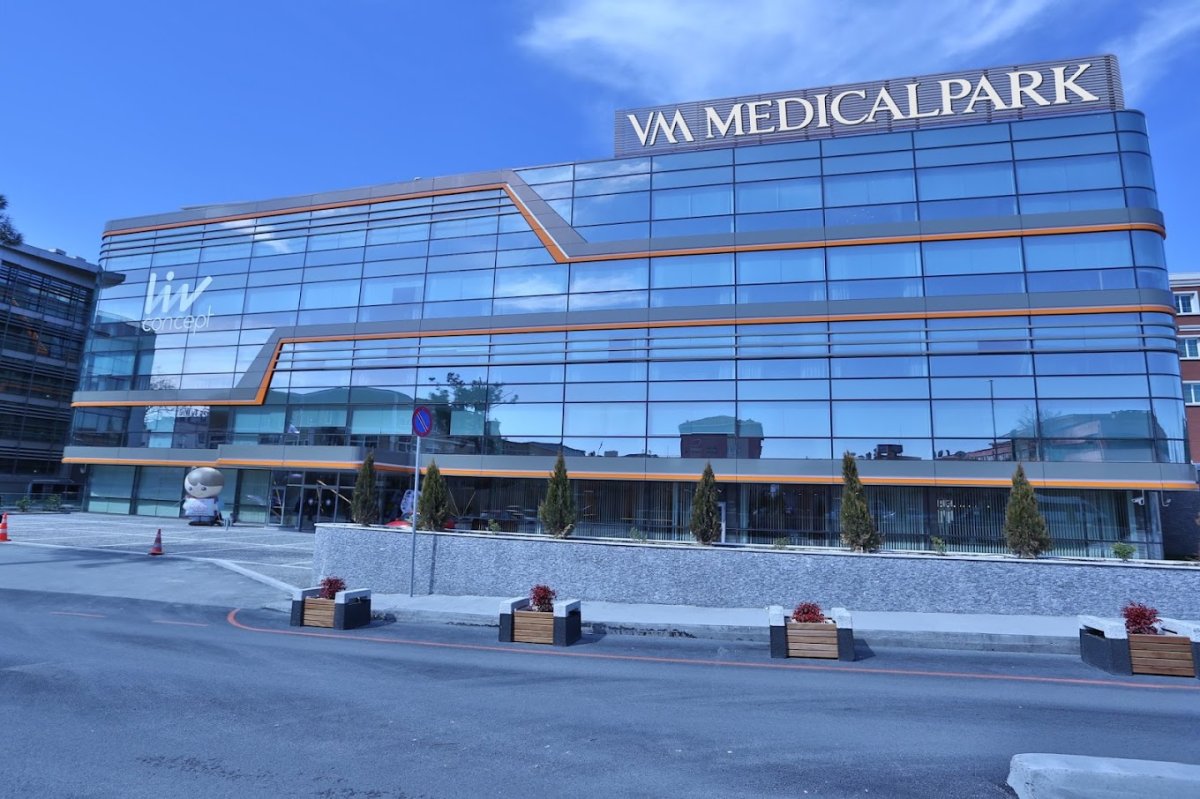
Bookimed Expert Insight: Choosing a clinic with European Heart Rhythm Association (EHRA) representatives ensures high-level expertise for complex cases. For example, Liv Hospital Vadistanbul offers premium packages around $17,500 led by EHRA-certified specialists. While mid-tier clinics like Istanbul Florence Nightingale provide JCI-accredited care for approximately $12,500, the extra investment in a representative often includes more advanced catheter technology and mapping precision.
| Turkey | Austria | Spain | |
|---|---|---|---|
| Radiofrequency ablation with 3D mapping | ≈ $4,800 | ≈ $9,500 | ≈ $8,500 |
Discover the Best Radiofrequency ablation with 3D mapping Clinics in Turkey: 15 Verified Options and Prices


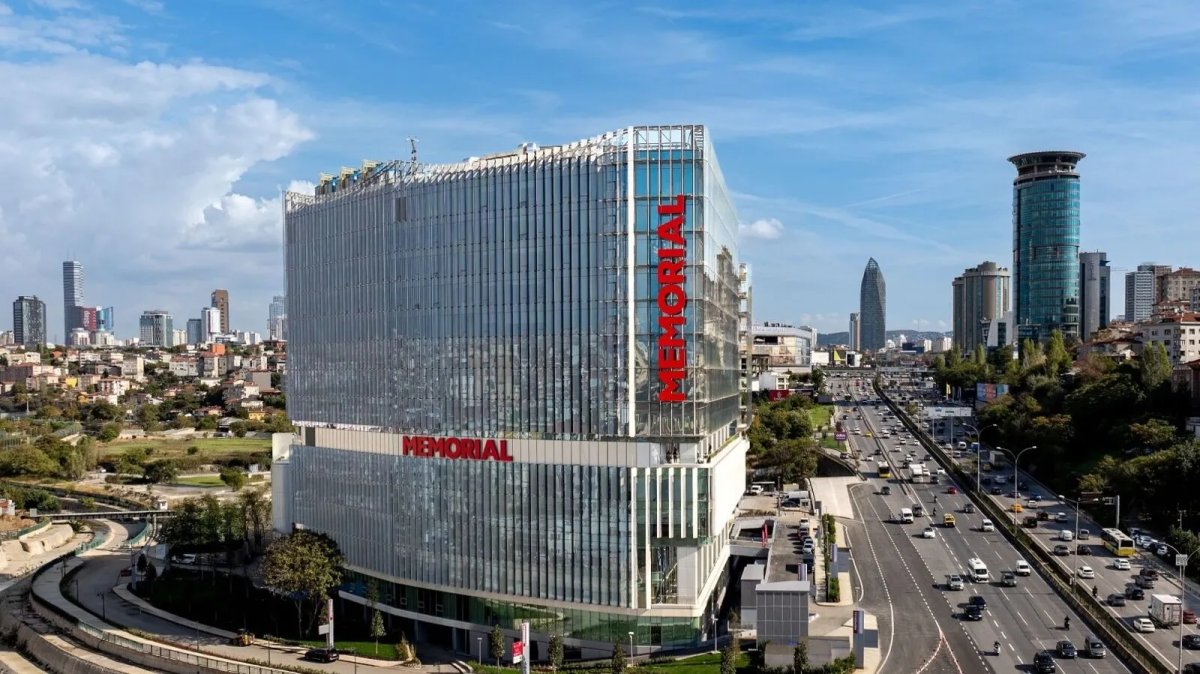

Hisar Hospital Intercontinental
Ibrahim Halil Tanboga





Istanbul Florence Nightingale Hospital
Fatih Mehmet Ucar


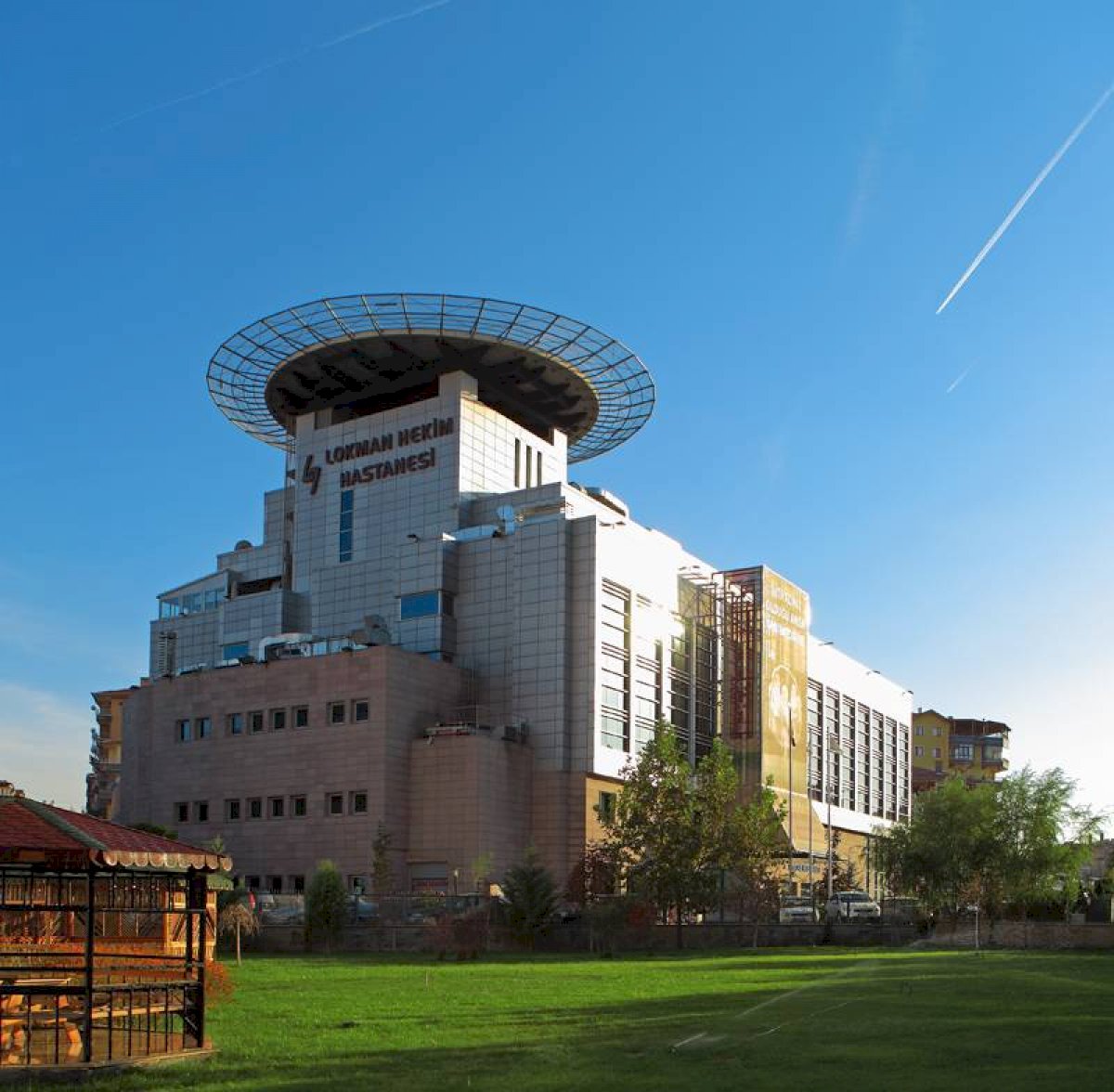

Medical Park Antalya Hospital Complex
Fatih Koç

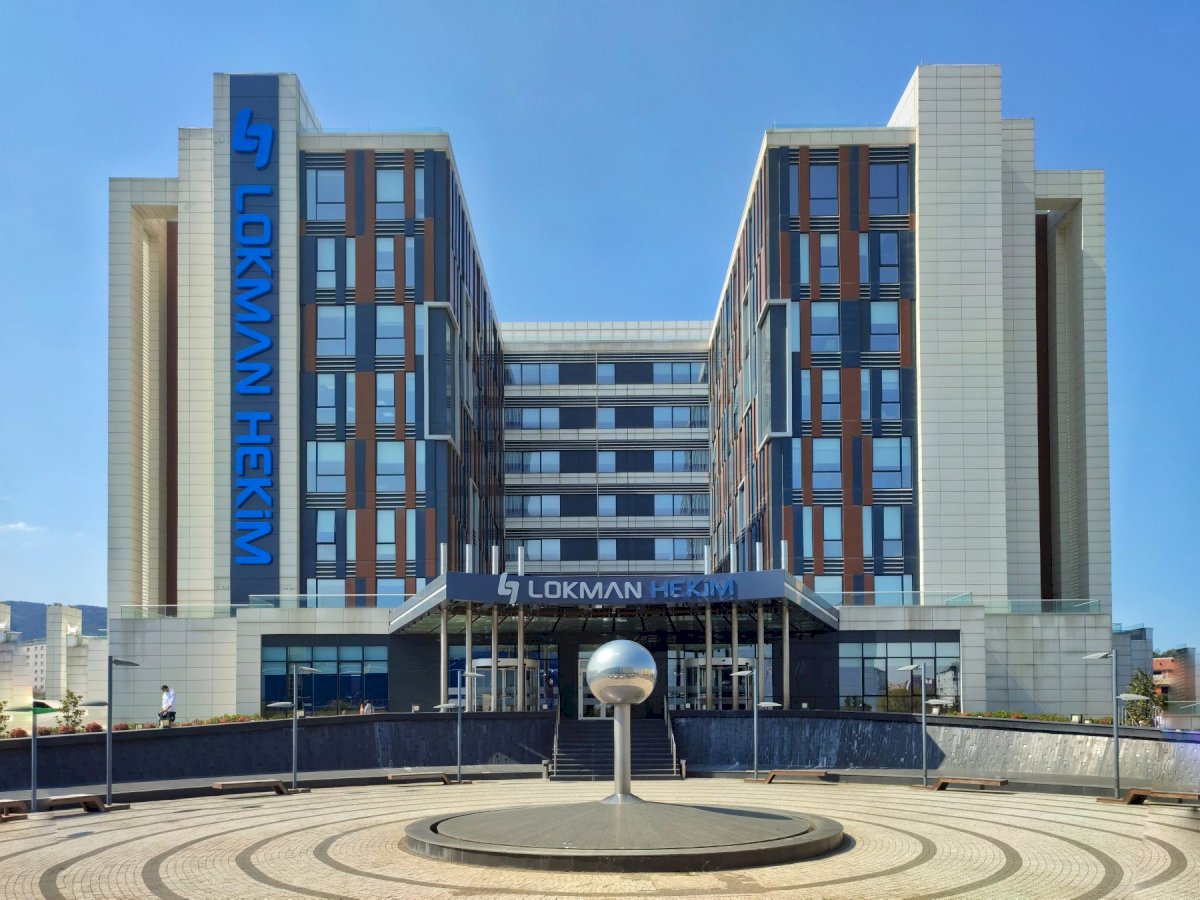


Medicalpoint International Hospital
Cihan Altin


Radiofrequency ablation with 3D mapping Overview in Turkey
- High intensity focused ultrasound ablation (HIFU) - from $3,500A non-invasive therapy with ultrasound waves to destroy harmful tissues with high precision and minimal side effects.
- Radiofrequency ablation - from $5,500The procedure uses heat to destruct problematic tissues, relieving chronic pain, and curing some types of cancer effectively.
- The procedure uses MRI-controlled ultrasound waves to treat tumors non-invasively, a fast, safe, and precise method.
- HIFU for prostate cancer treatment - from $6,500The procedure uses high-intensity ultrasound waves to eradicate cancer cells in the prostate, offering non-invasive, precise targeting.
- Radiofrequency ablation of the liver - from $3,500This therapy uses heat to destroy liver tumors without surgery, benefiting from less pain and quicker recovery.
- Radiofrequency ablation with 3D mapping - from $4,800This therapy uses heat and 3D heart images to kill abnormal cells causing irregular beats, improving heart health.
- FUS-ablation of uterine myoma - from $5,200The procedure uses focused ultrasound waves to shrink fibroids in the uterus, offering minimal invasion and quick recovery.
- Endovenous radiofrequence ablation (EVRF) - from $1,900The procedure uses heat to close off problematic veins, leading to reduced vein visibility and alleviation of symptoms.
Day 1 - Arrival
- Arrive in the country and settle in your accommodation.
- Transfer to the clinic is not included.
Day 2 - Pre-operation
- Consultation with a cardiologist and anesthesiologist.
- You will undergo some medical tests like ECG and blood tests.
- Discuss your medical history and medications with the specialists.
Day 3 - Radiofrequency Ablation with 3D Mapping Procedure
- Procedure will be under local anesthesia.
- Procedure duration is about 3 to 4 hours.
- 3D mapping is used to guide the ablation process.
Day 4 - Post-operation
- Stay in the hospital for monitoring.
- Cardiologist checks the heart rhythm.
- You may feel slight discomfort or chest pain.
Day 5 - Discharge
- Discharge from the hospital with medication if needed.
- Clinic will provide post-operative care instructions.
Week 1 - Rehabilitation
- Rest and avoid strenuous activities.
- Follow-up examination with the local doctor.
- Gradually return to regular activities.
Week 2 - Follow up and Recovery
- Continue with prescribed medications.
- Follow up with the doctor regularly.
- Full recovery is usually seen by the end of week 2.
Please note, each patient"s recovery may vary depending on individual health conditions.
- Bookimed deposit: $200 or €200.
- Clinic deposit: Pay a set percentage in advance.
Our Trusted Doctors
View all Doctors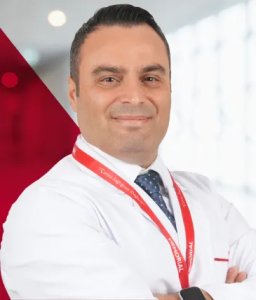
Sabahattin Gunduz
Dr. Sabahattin Gunduz is a Professor of Cardiology at Memorial Göztepe Hospital in Istanbul. He specializes in heart health and diagnostic cardiology. Dr. Gunduz is a member of the European Society of Cardiology (ESC). He also belongs to the European Association of Percutaneous Cardiovascular Interventions.
- Teaches as a Professor of Medicine at Bahçeşehir University.
- Maintains membership in the European Association of Cardiovascular Imaging.
- Completed residency at Kartal Koşuyolu High Specialty Training and Research Hospital.
- Works at Memorial Göztepe Hospital, a facility equipped with 512-slice CT imaging.
Fatih Mehmet Ucar
Specialized in electrophysiology with training at Germany's Lübeck Hospital Arrhythmia Clinic and Cleveland Clinic. Currently practices at Istanbul Florence Nightingale Hospital.
- Associate Professor with cardiology expertise
- Trained in advanced electrophysiology techniques
- Member of European Arrhythmia Association
- Active in European Society of Cardiology
Ibrahim Halil Tanboga
Prof. Dr. Tanboga specializes in arrhythmia treatment with radiofrequency ablation, trained at St Thomas Hospital in London.
- Expert in electrophysiological studies and ablation procedures
- Member of the European Society of Cardiology
- Skilled in advanced diagnostic tools like IVUS and OCT
- Works at Hisar Hospital Intercontinental – a leading cardiac center
Baris Akdemir
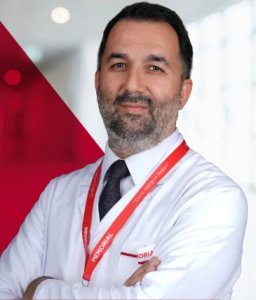
The doctor is a highly qualified Cardiology and Cardiac Electrophysiology Specialist with extensive international experience. Holding an M.D. from Ege University and completing a residency at Akdeniz University, the doctor further specialized through a fellowship in Cardiac Electrophysiology at the University of Minnesota Medical School.
With a robust clinical background across multiple prestigious institutions in Türkiye, the doctor holds ECFMG certification and active medical licenses in Minnesota and Iowa, USA. Expertise includes advanced procedures such as Laser Lead Extraction, Pulse Field Ablation (PFA), and leadless pacemaker implantation. The doctor is also certified by the European Heart Rhythm Association (EHRA).
Video Stories from Bookimed Patients
Reviews about Bookimed: Discover Patients' Insights
All reviewsShare this content
 Anna Leonova

Fast Facts about Radiofrequency ablation with 3D mapping

Radiofrequency ablation with 3D mapping
Radiofrequency ablation with 3D mapping is a minimally invasive procedure using radio waves to target and treat arrhythmias with precision.
FAQ about Radiofrequency ablation with 3D mapping in Turkey
When is the best time to travel to Turkey?
The main advantage of Turkish resorts is the long beach season. On the Mediterranean coast, it starts in April and lasts until November. In the resorts of the Aegean Sea — from May to October. The most comfortable time for swimming is from mid-June to the end of October. A large influx of tourists is in July-August, when the air temperature is +38°C, and the water warms up to +27°C.
What is the level of medicine in Turkey?
Healthcare is the key development sector of the Turkish government. The Turkish authorities are convinced that care for the citizens' health should be an absolute priority of state policy and spend about 77 billion liras for healthcare annually.
As a result, 28,000 medical facilities provide excellent medical care in the country. About 50 centers have certificate of JCI (Joint Commission International), the international improver of healthcare quality and safety across the globe. The index of certificates obtained is the largest. To compare, Israel has 20 JCI-accredited facilities, and Germany — only 10 clinics of this type.
What should you know about Turkey before the trip?
| Currency | lira (you also can pay for services in dollars and euros) |
| Best period for the trip | May-October |
| Language | Turkish (most of medical staff speaks English fluently) |
| Visa | is not required for a trip of at least 30 days per visit |
| Time difference with Europe | 3 hours |
| Time difference with the USA | 8 hours |
| Capital | Ankara |
| Medical tourism center | Istanbul |
| Popular resorts | Alanya, Antalya, Kemer, Marmaris |
Do I need a visa?
In 2020, the Republic of Turkey has visa-free agreements with 89 states. Some foreigners are exempted from obtaining entry visas, others are required to receive an electronic visa (e-Visa), and still others must apply for a visa at Turkish missions abroad.
What states need a visa for treatment in Turkey and what countries can cross the border free and easy read here.
What documents are required to apply for a visa to Turkey for treatment?
Visas for travel to Turkey require a number of documents. The necessary papers can be submitted 90 days before the planned departure. Lists of documents includes:
- ID card
- confirmation of online registration and filling out the questionnaire
- certificate of income and availability of funds ($50 per day per person)
- insurance policy for a stay in Turkey (original and copy)
- 2 photos (5x6)
- visa receipt
- booking of flight and hotel
- medical opinion about the need for treatment.
What hotel services are provided here?
In Turkey, hotels of different price ranges and service levels are presented. The level of Turkish hotels is comparable to hotels in Tunisia, Morocco or Egypt. Most tourists choose 4 and 5 star hotels with all-inclusive meals. Such hotels have everything for a comfortable stay: varied food, a large well-groomed territory, animation for children and adults. Some hotels have their own water park, which guests can use for free. Budget travelers can afford to book an economical 3-star hotel with half board or no meals at all.