Ovarian Cyst Removal in Mexico — Get 3 Top Clinic Matches with Costs


Medically reviewed by
Fahad Mawlood
How Much Does Ovarian Cyst Removal Cost in Mexico?
- Laparoscopic surgery: Typically costs between 20-30% more than simpler outpatient procedures due to specialized equipment.
- Major medical hubs: Popular destinations for this surgery include Tijuana, Mexico City, Guadalajara, Monterrey, and Cancun.
- City price variations: Packages in Cancun often run higher as they frequently include premium recovery services.
- Diagnostic inclusions: Basic packages cover pre-operative labs, but pathology fees for cyst testing may be extra.
Bookimed Expert Insight: Choosing JCI-accredited facilities provides high-tier safety at competitive Mexican rates. For example, Galenia Hospital in Cancun and DR. IRERI ASTEINZA Clinic in Mexico City hold JCI accreditation. These centers manage high patient volumes, with some treating 47,000 patients annually. Expert gynecologists like Dr. Ireri Asteinza offer over 20 years of specialized experience in laparoscopic surgery centers.
| Mexico | Turkey | Austria | |
|---|---|---|---|
| Ovarian Cyst Removal | from $3,000 | from $2,500 | from $4,000 |
Factors affecting Ovarian Cyst Removal cost in Mexico
Cost variables to consider:
- Board-certified specialists with 15+ years of experience can charge 25%–35% more for their expertise.
- Clinics accredited by JCI or ISO 9001 quality systems may charge 15%–20% more for meeting international safety protocols.
- Procedures in major cities like Mexico City or Guadalajara can cost 20%–30% more due to high-demand urban hospitals.
- Laparoscopic vs open surgery technique can affect cost by 20%–35%, with laparoscopy using advanced equipment and faster recovery.
- Use of FDA-approved surgical mesh or sutures can add $400–$900, increasing safety and reducing complication risks.
- Hospital stay length will vary costs by $500–$1,200 per additional night for extended monitoring or complex cases.
Your Benefits and Guarantees with Bookimed
Transparent Prices & Flexible Installments
No hidden fees – just official clinic prices. Pay at the clinic for Ovarian Cyst Removal upon arrival and use a flexible installment plan if needed.
Verified Clinics & Doctors Only
Bookimed is committed to your safety. We only work with medical institutions that maintain high international standards in Ovarian Cyst Removal and have the necessary licenses to serve international patients worldwide.
Free 24/7 Assistance
Bookimed offers free expert assistance. A personal medical coordinator supports you before, during, and after your treatment, solving any issues. You're never alone on your Ovarian Cyst Removal journey.

Your personal Bookimed medical coordinator
- Supports you at every stage
- Helps choose the right clinic and doctor
- Ensures quick and convenient access to information
Ovarian Cyst Removal in Mexico: Pros and Cons
Ovarian cyst removal in Mexico can offer significant cost savings, but it's crucial to weigh the potential benefits against the risks.
| Pros | Cons |
|---|---|
| Lower costs. Ovarian cyst removal typically costs $3,000–$5,000 in Mexico versus $10,000+ in the US, offering savings of up to 50%. | Safety concerns. Potential risks include infection rates of 2–5% and adverse reactions to anesthesia, similar to US averages when performed by qualified surgeons. |
| Qualified surgeons. Surgeons are often certified by the Mexican Council of Obstetrics and Gynecology, with many trained in US or European fellowship programs and 10+ years’ experience. | Follow-up care. Coordinating post-surgical checkups from abroad can be challenging, though many clinics offer telehealth follow-up services. |
| Modern facilities. Leading clinics in Tijuana and Guadalajara are JCI- or ISO-accredited, and use advanced laparoscopic equipment from brands like Karl Storz and Olympus. | Different regulatory standards. COFEPRIS standards differ from the FDA, but top clinics meet international benchmarks and adhere to strict protocols. |
| Minimally invasive techniques. Laparoscopic removal reduces hospital stay and speeds recovery, with most patients discharged within 24–48 hours. | Travel-related risks. Long-distance travel after surgery may increase discomfort or complications, but clinics provide guidance on safe timelines for flying post-procedure. |
| Personal coordinator support. Bookimed’s medical coordinator helps compare clinics, request personalized quotes, and manage treatment logistics at no additional cost. |
It's crucial to thoroughly research clinics and verify surgeon credentials before making a decision. Patients should carefully research and choose reputable providers to maximize safety and outcomes.
Discover the Best Ovarian Cyst Removal Clinics in Mexico: 7 Verified Options and Prices
The best ovarian cyst removal clinics in Mexico hold JCI and General Health Council accreditations, operating in cities like Monterrey and Tijuana. According to Bookimed’s ranking, the top clinics are Galenia Hospital, Hospital Zambrano Hellion, and Advance Health Medical Center. They stand out for board-certified gynecology specialists with 20+ years of experience and certification by the Mexican Council of Gynecology and Obstetrics. When choosing a provider, look for international accreditations, proven surgical expertise, and board certification, with cost-effective options. Always consult a qualified gynecologist before making a decision.


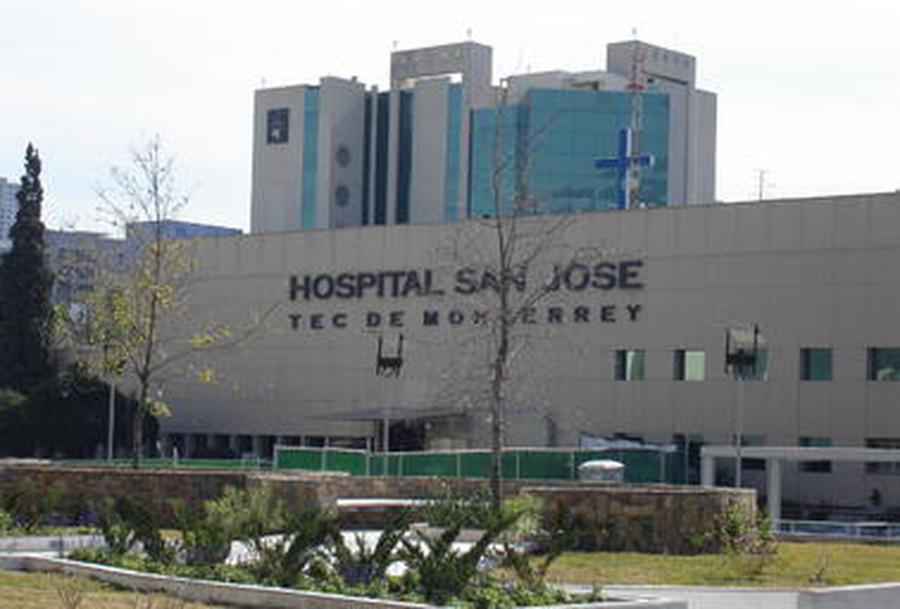
Hospital Zambrano Hellion




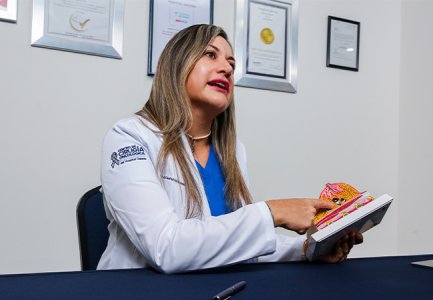
DR. IRERI ASTEINZA Clinic
Ireri Asteinza






















Dr. Karaly Castillo
Ovarian Cyst Removal Overview in Mexico
- Ovarian Cyst Removal - from $3,000The operation eliminates growths on ovaries, using laparoscopy or open surgery, promoting female reproductive health.
- Ovarian cancer surgery - from $10,500The operation aims to remove cancerous growths in ovaries, providing chances for treatment and improved survival rates.
Day 1: Arrival
- Arrive in the country and transfer to the hotel.
- Rest and adjust to the new environment.
Day 2: Pre-Operation
- Transfer from hotel to clinic.
- Consultation with a gynecologist and surgeon.
- Undergo complete blood count with cancer markers and a proteinogram.
- Receive special shampoo and lotion for pre-operative preparation.
Day 3: Ovarian Cyst Removal
- Admission to the hospital.
- Pre-operative preparation including cleaning the area with special shampoo and lotion.
- Ovarian cyst removal surgery under general anesthesia (takes 1-3 hours).
Day 4: Post-Operation
- Stay in the hospital for observation.
- Post-operative care provided by the healthcare team.
Day 5: Discharge
- Discharge from the hospital.
- Transfer back to the hotel.
Week 1-2: Rehabilitation
- Rest and recover at the hotel.
- Avoid strenuous physical activities.
Week 3-4: Follow-Up
- Follow-up consultation with the surgeon.
- Transfer back to the airport for departure.
Please note that each patient"s case is individual and the process may vary slightly.
- Bookimed deposit: $200 or €200.
- Clinic deposit: Pay a set percentage in advance.
Our Doctors
View all Doctors
Jose Rojas
43 years specializing in gynecological surgery – Dr. Rojas is a certified expert with surgical training from Universidad Autonoma de Baja California.
- Founder of Hospital de la Familia in Mexicali
- Certified by the Mexican Council of Gynecology and Obstetrics Surgery
- Performs both fertility treatments and surgical procedures
- Fluent in English and Spanish for international patients
Ireri Asteinza

Everardo Treviño Ortiz
Dr. Treviño Ortiz pioneered the use of GnRH antagonists in Mexico and introduced Double Stimulation protocols at Advanced Fertility Center Cancún.
- Gynecologist and subspecialist in Reproductive Medicine
- Trained at Texas Woman’s Hospital in Houston
- Consultant for fertility centers in the UK and Somalia
- Fluent in both Spanish and English

Esther Iyune Cojab
Dr. Esther Iyune Cojab specializes in gynecology and obstetrics with a focus on reproductive health. She brings expertise from the National Institute of Perinatology.
- Subspecialty in Biology of Human Reproduction
- Offers comprehensive gynecology and obstetrics consultations
- Skilled in colposcopy and managing high-risk pregnancies
- Provides family planning and infertility consultations
Video Stories from Bookimed Patients
Reviews about Bookimed: Discover Patients' Insights
All reviewsShare this content
 Anna Leonova

FAQ about Ovarian Cyst Removal in Mexico
How can I verify the safety and credentials of a clinic in Mexico?
To verify a clinic in Mexico, you must confirm its Federal Commission for the Protection against Sanitary Risks (COFEPRIS) licensure and Joint Commission International (JCI) accreditation. For surgeons, validate their professional license (Cédula Profesional) and specialty certification via the Mexican Council of Gynecology and Obstetrics.
- Federal licensure: Clinics must hold a valid COFEPRIS sanitary license for surgical operations.
- Surgeon verification: Search the National Registry of Professionals using the doctor's full legal name.
- JCI accreditation: Top facilities like Galenia Hospital hold JCI's Gold Seal for patient safety.
- Board certification: Confirm the surgeon is active with the Mexican Council of Gynecology and Obstetrics.
Bookimed Expert Insight: While many search for specific clinic names, the most reliable safety marker is the surgeon’s Cédula de Especialidad. Over 200 doctors work at top sites like Galenia Hospital, but experience varies widely. Dr. Jose Rojas in Mexicali brings 25 years of specialized experience, which often correlates with lower complication rates than newer practitioners at accredited facilities.
Patient Consensus: Success depends on direct verification. Many patients recommend requesting WhatsApp contact with recent cases to hear unfiltered feedback on recovery and operating room protocols.
Will ovarian cyst removal affect my future fertility?
Cystectomy typically preserves future fertility because modern techniques prioritize saving healthy tissue. Surgeons focuses on removing the cyst wall while leaving functional parts intact. In Mexico, specialists use laparoscopic methods to minimize scarring and protect reproductive capacity through targeted, fertility-sparing approaches.
- Ovary preservation: Surgeons remove the cyst wall alone to leave functional ovarian tissue fully intact.
- Strategic approach: Laparoscopic surgery reduces internal scarring compared to open methods for better conception rates.
- Recovery timing: Patients should wait 3 to 6 months post-surgery to allow full internal healing.
- Success rates: Approximately 48% to 50% of women successfully conceive within 18 months post-cystectomy.
Bookimed Expert Insight: While basic surgery ranges from $3,000 to $4,500, choosing a clinic like Provida Fertility Clinic offers a major advantage. Their focus on reproductive medicine means they treat cysts through a fertility lens rather than just general surgery. This specialized expertise is critical for patients with endometriomas, which require more delicate handling to protect the ovarian reserve.
Patient Consensus: Patients emphasize that requesting AMH testing 3 to 6 months after the procedure provides essential peace of mind. Many advise confirming the surgeon specifically specializes in reproductive gynecology to ensure the best possible preservation of healthy tissue.
What surgical approaches are available in Mexican hospitals for ovarian cyst removal?
Mexican hospitals provide four surgical approaches for ovarian cyst removal: laparoscopic (keyhole) surgery, robotic-assisted laparoscopy, open laparotomy, and ultrasound-guided cyst aspiration. Most private facilities in Mexico City, Cancún, and Monterrey utilize minimally invasive techniques for benign cysts, ensuring same-day discharge and faster recovery.
- Laparoscopic surgery: Standard minimally invasive method performed through 3 small incisions for small-to-medium cysts.
- Robotic-assisted laparoscopy: Advanced precision surgery available at premium centers like Dr. Ireri Asteinza Clinic.
- Open laparotomy: Traditional abdominal incision reserved for large, ruptured, or potentially malignant ovarian cysts.
- Cyst aspiration: Non-surgical drainage via ultrasound guidance, sometimes offered as an initial trial treatment.
Bookimed Expert Insight: While many US facilities suggest robotic surgery for complex cases, Mexico offers these high-tech procedures at 72% less than US costs. Clinics like Galenia Hospital in Cancún combine Joint Commission International accreditation with high patient volumes, making them reliable choices for advanced minimally invasive gynecology.
Patient Consensus: Patients value laparoscopic procedures for the same-day discharge and quick 1-week return to work. Many emphasize confirming your surgeon's specific experience with keyhole techniques before traveling to ensure a minimally invasive outcome.
What is the typical medical tourism timeline for out-of-town patients undergoing ovarian cyst removal in Mexico?
Out-of-town patients typically spend 6 to 10 days in Mexico for ovarian cyst removal. This duration covers pre-operative diagnostic tests, the surgical procedure, and post-operative monitoring. Most patients achieve fit-to-fly status within 5 days of laparoscopic surgery to ensure travel safety.
- Pre-operative preparation: Arrive 1 to 2 days before surgery for bloodwork and pelvic ultrasounds.
- Hospital stay: Expect 1 night for laparoscopic cases or 2 to 3 nights for laparotomy.
- Local recovery: Stay at a local hotel for 3 to 5 days after hospital discharge.
- Travel clearance: Surgeons require an in-person follow-up to inspect incisions before clearing air travel.
Bookimed Expert Insight: While most clinics are in Tijuana or Cancun, choosing JCI-accredited centers like Galenia Hospital or institutions in Monterrey often provides 24/7 bilingual coordination. Our data shows that top-tier facilities handle over 10,000 patients annually, which streamlines testing and reduces the pre-op phase to a single day. This efficiency can save out-of-town patients up to 48 hours in unnecessary hotel costs during their stay.
Patient Consensus: Patients recommend booking flexible flights and hotels near the clinic to accommodate common recovery delays of 2 to 4 days. Many advise using compression socks and booking business class for the return flight to manage post-op swelling and DVT risks.