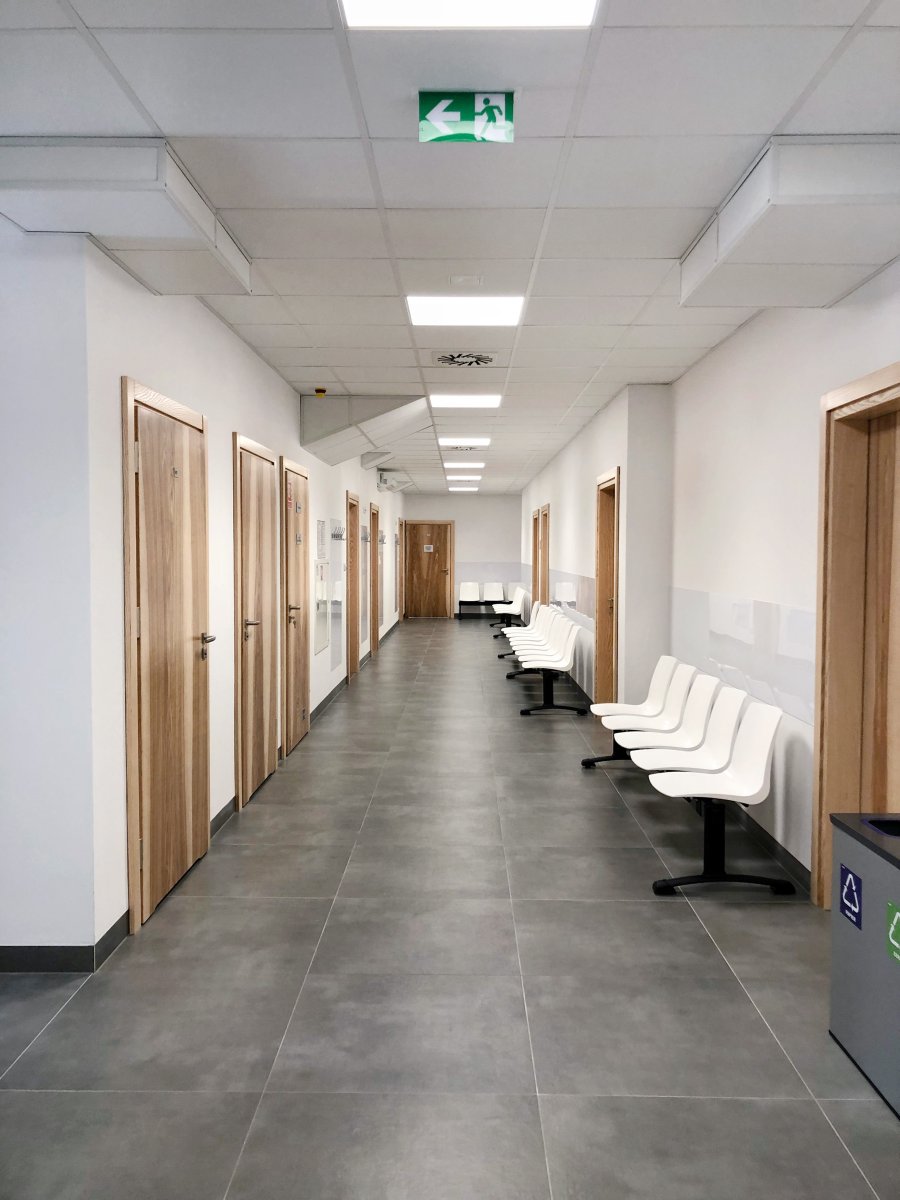
Surgery in Poland
Poland, Krakow

Medically reviewed by
Ergin Er
Areola reduction in Poland typically costs from $1,500 to $2,600. Final prices depend on procedure complexity, the specific clinic tier, and the city location. Patients save around 57% compared to the US, where the average cost is $4,900. Standard Polish pricing usually covers the surgeon fee, local anesthesia, and all necessary follow-up visits.
Bookimed Expert Insight: Poland offers a unique blend of high patient volume and specialized expertise. Surgery in Poland attracts 20,000 patients annually and is trusted by professional athletes. Clinics like Coramed in Wroclaw specifically cater to international patients from the USA and UK. Choosing these high-volume centers ensures access to surgeons who perform these aesthetic refinements daily.
| Poland | Turkey | The USA | |
|---|---|---|---|
| Areola reduction | from $1,500 | from $1,400 | from $2,200 |
No hidden fees – just official clinic prices. Pay at the clinic for Areola reduction upon arrival and use a flexible installment plan if needed.
Bookimed is committed to your safety. We only work with medical institutions that maintain high international standards in Areola reduction and have the necessary licenses to serve international patients worldwide.
Bookimed offers free expert assistance. A personal medical coordinator supports you before, during, and after your treatment, solving any issues. You're never alone on your Areola reduction journey.

Day 1 - Arrival
Day 2 - Pre-operation
Day 3 - Areola Reduction Procedure
Day 4 - Post-operation
Week 1 - Rehabilitation
Week 2 - Rehabilitation
Week 6 - Rehabilitation
Please note that the recovery period can vary from person to person. Always follow your surgeon"s advice for the best results.
As the leading global medical tourism platform, we have a huge responsibility to our clients — both patients and medical centers. All information provided on Bookimed.com related to Areola reduction in Poland is grounded in research, foresight, and expertise and meets high interest related to the product and follows:
We form our listings of clinics and doctors with strict regulations of our smart automatic ranking system. The system is based on real Bookimed patient rates to provide the most objective and transparent information about clinics and medical services there.
Our experienced data scientist collects data daily, monitors and optimizes the ranking system using machine learning and artificial intelligence to ensure that the ranking system is up-to-date and provides accurate results.
We collect the opinions of Bookimed clients only after getting medical experience with the clinic — so everyone on the platform can trust the facility they choose. We strive to make the content on our platform as useful as possible and ensure the freedom to express critical opinions. Thus, we publish positive and negative reviews, aiming at being a source for informed decision-making for our future clients.
On Bookimed.com you may find choice and convenience to find the best medical solutions from top medical services providers just in one place, and often at competitive prices. Making sure to deliver the freshest information, the clinic’s representatives update doctors’ CVs, clinics’ capacities, before-after pictures, prices, packages, and specials by themselves shortly. You may meet the clinic’s representative and check the date of updated content at every clinic’s page to make sure of its trustworthiness.
Our blog and supportive pieces are created by professional authors with at least 3-year experience in medical writing and edited by medical specialists with relevant clinical and research expertise — all carefully recruited to the team. We strive to enhance patient access to health information, making it expert but easy to understand. All pieces follow the Bookimed’s Editorial Guidelines.
We are made of people and for people — and that"s our core value. That"s why all the data presented on the platform is collected, edited, reviewed, and updated regularly by our patients, our partner clinics, and our team, including the Bookimed Medical Advisory Board, which consists of the world-renowned doctors with value expertise over 20 years of practice, and a positive reputation. Learn more about us and our mission.
In case you find any mistake or have any questions on the information presented on Bookimed.com, please feel free to contact us at marketing@bookimed.com.

 Anna Leonova

Areola reduction in Poland is a safe procedure performed by surgeons following strict EU hygiene and safety standards established in 2010. Facilities in medical hubs like Krakow and Wroclaw integrate modern technology to minimize risks while maintaining high success rates for aesthetic breast procedures.
Bookimed Expert Insight: Poland ranks fourth globally in our network for plastic surgery requests, reflecting its reputation. While 20,000 patients visit annually, the real safety differentiator is specialist experience. Many clinics, like Surgery in Poland, treat elite athletes and international patients. This high volume across 86 clinics ensures surgeons maintain sharp technical skills for niche surgeries.
Patient Consensus: Patients report high satisfaction with the clinical standards but emphasize verifying a surgeon's specific breast surgery experience. They recommend following recovery instructions closely to ensure scarring matures well throughout the six-month healing period.
Standalone areola reduction in Poland typically utilizes local anesthesia with optional IV sedation. Surgeons numbing only the breast area allow patients to remain awake throughout the 30 to 60-minute procedure. General anesthesia is only required when combining areola correction with complex surgeries like mastopexy.
Bookimed Expert Insight: While many clinics offer IV sedation, standalone areola reduction in Poland is increasingly performed as a simple outpatient visit. Facilities like Surgery in Poland in Krakow or Coramed in Wroclaw specialize in these quick, 60-minute local-only procedures. This protocol allows patients to return to work the very next day.
Patient Consensus: Patients report the initial lidocaine injection stings for about 30 seconds. Most individuals find the experience manageable enough to watch Netflix during the surgery with zero pain felt.
Areola reduction in Poland typically allows for a return to light activities within 7 to 14 days. Full internal healing and finalized scarring usually take 6 to 12 months. Most patients resume desk work by week 2 while following specific physical restrictions.
Bookimed Expert Insight: While many focus on the 2-week return to work, the real differentiator in Poland is the scar care phase. Clinics like Allmedica Healthcare Group treat high-performance athletes where precision matters. Starting professional scar management in week 3 is vital because nipple sensitivity changes can persist for several months.
Patient Consensus: Patients report manageable discomfort after day 3. They emphasize that following the no-swimming rule for 4 weeks ensures incisions close properly without infection risks.
Areola reduction in Poland leaves permanent but discreet scars hidden along the natural border of the areola. Surgeons use periareolar or doughnut incisions to blend the scar into the pigment transition. These fine lines typically fade and flatten significantly within 1 to 2 years.
Bookimed Expert Insight: While many focus on surgeon skill, the natural color of your skin plays a huge role. Patients with darker areola pigmentation often see faster camouflage as the scar blends into the darker tones. Clinics like Surgery in Poland in Krakow utilize high-volume experience to refine these specific pigment-matching techniques.
Patient Consensus: Most patients report that scars become invisible from an arm’s length after 6 to 12 months of healing. The thin pink line eventually matures into a subtle texture that looks like a natural skin variation.
Areola reduction in Poland typically takes 60 to 90 minutes for both breasts. This procedure is almost always performed as a day-case. Patients usually undergo the surgery under local anesthesia and return home or to their hotel the same day.
Bookimed Expert Insight: Poland has climbed to the top 4 global destinations due to high efficiency. Large multidisciplinary clinics like Surgery in Poland manage 20,000 patients annually. This high volume allows surgeons to streamline minor aesthetic procedures into 1-hour windows. Most patients can fly home just 48 hours after their day-case surgery.
Patient Consensus: Patients find the process very fast and efficient. Most report arriving at 8 am and being back in their hotel by 4 pm. They recommend arranging transport in advance since you cannot drive after the procedure.
Good candidates for areola reduction include healthy adults dissatisfied with the size, shape, or symmetry of their nipple area. Ideal patients often experience stretched tissue from pregnancy, breastfeeding, significant weight loss, or genetics. This procedure is common for both women and men.
Bookimed Expert Insight: Many patients find better proportional results by bundling areola reduction with breast lifts or augmentations. In Poland, clinics like Allmedica Healthcare Group treat 20,000 patients annually. They often coordinate these combined procedures in a 60-minute session to minimize anesthesia time.
Patient Consensus: Patients emphasize the importance of defining your ideal diameter before the consultation. Many report that while temporary numbness occurs, surgery successfully restores confidence in their chest appearance.
Preparing for areola reduction in Poland requires aligning travel logistics with recovery timelines. Patients must organize medical records, secure surgical garments, and finalize financial planning. Choosing clinics in cities like Wroclaw or Krakow ensures access to board-certified plastic surgeons and professional international patient coordinators.
Bookimed Expert Insight: Poland attracts over 20,000 international patients annually due to high-capacity clinics. Some centers like Surgery in Poland employ 500 doctors. This scale often means faster scheduling for minor procedures like areola reduction. Most top-tier facilities in Krakow and Wroclaw include airport transfers. This removes the stress of navigating local transport while recovering.
Patient Consensus: Patients recommend booking video calls before flying to confirm the surgeon's communication style. Most found the transition easier than expected because many Polish clinics provide dedicated English-speaking coordinators.
Neurosurgery in Poland offers high-quality care through JCI and ISO-certified facilities. Polish neurosurgeons follow rigorous European Union training standards. Many hold fellowships from the US or Germany. Advanced technologies like CyberKnife, Gamma Knife, and robotic systems are widely available in private centers.
Bookimed Expert Insight: Data shows a strong correlation between clinic specializations and patient origins. KCM Clinic serves 700+ international patients yearly. It focuses heavily on minimally invasive spine surgery. This volume allows them to offer specialized packages. These often include diagnostic blocks and specific implants like the Medtronic DIAM.
Patient Consensus: Patients note that Polish surgeons are highly attentive and detailed during consultations. Some mention that while the surgery itself is world-class, it is helpful to use a translation app for smoother communication with all hospital staff.
Polish neurosurgeons are highly qualified specialists who complete at least 13 years of rigorous medical training. This includes a 6-year medical degree, a 13-month internship, and a 6-year residency. They must pass the State Specialization Examination (PES) and often hold European Association of Neurosurgical Societies (EANS) certification.
Bookimed Expert Insight: Data shows Polish neurosurgeons often specialize in niche technologies like the ApiFix system or SED-YESS lumbar endoscopy. Specialists like Dr. Stanislaw Kwiek at KCM Clinic combine postdoctoral research with active surgical practice. This blend of academic depth and high procedure volumes makes them particularly effective for complex, minimally invasive spine revisions.
Patient Consensus: Patients value doctors who provide detailed explanations and answer all questions during consultations. While medical expertise is high, patients recommend confirming all payment terms and package inclusions in writing before traveling.
The best hospitals for neurosurgery in Poland include Carolina Hospital, KCM Clinic, and top academic centers like the University Hospital in Krakow. These facilities offer advanced spinal and brain treatments, featuring ISO-certified quality standards and specialists with international memberships in organizations like AO Spine.
Bookimed Expert Insight: While many search for the largest hospitals, data shows that clinics like Carolina Hospital offer superior efficiency for elective cases. Having 40+ specialized doctors in a 30-bed facility ensures a much higher doctor-to-patient ratio than public university centers. This translates to more attentive postoperative care and significantly faster scheduling for procedures like herniated disc repairs.
Patient Consensus: Patients note that while public university hospitals excel at complex brain tumors, private clinics are preferred for spine work due to shorter wait times and better English-speaking support. Many advise confirming the surgeon's specific case volume through professional society listings before booking.
Neurosurgery in Poland is dominated by spinal procedures and brain tumor removals. Hospitals frequently perform microdiscectomies, spinal fusions, and deep brain stimulation. Centers like Carolina Hospital and KCM Clinic utilize minimally invasive techniques to treat herniated discs, spinal injuries, and complex neurological disorders.
Bookimed Expert Insight: Poland has become a hub for specialized spinal stabilization. Clinics like Carolina Hospital partner with national sports teams, reflecting high expertise in complex spinal trauma. Our data shows these facilities often integrate rehabilitation directly into the surgical package. This combination reduces the risk of post-operative issues and speeds up patient recovery.
Patient Consensus: Patients note that private clinics offer much faster access for elective spine surgery compared to public options. Many recommend confirming the availability of English-speaking staff and planning for a short hospital stay followed by intensive physical therapy.
Neurological rehabilitation is widely available in Poland through specialized centers and multidisciplinary hospitals. Programs cover recovery for stroke, spinal cord injuries, and degenerative diseases. Facilities like Carolina Hospital in Warsaw and KCM Clinic provide physician-supervised therapy. Most neurosurgical packages include initial post-operative rehabilitation assessments.
Bookimed Expert Insight: Data shows that clinics with high international patient volumes, like KCM Clinic, often bundle basic rehabilitation into their surgical packages. This is a significant advantage because separate neuro-rehabilitation in Poland can be difficult to coordinate independently. Choosing a clinic that provides an on-site rehabilitator ensures your recovery starts within 24 hours of surgery, which is vital for nerve regeneration.
Patient Consensus: Patients note that while major hospitals provide initial mobility checks, finding specialized speech or cognitive therapy often requires moving to a private center. Many recommend confirming a specific rehab plan with the neurosurgeon before traveling to ensure seamless care.
Top neurosurgeons in Poland include Dr. Jurij Kseniuk and Dr. Maciej Bujko at Carolina Hospital in Warsaw. These specialists focus on minimally invasive spine surgery and endoscopic techniques. They hold international certifications and memberships in the Polish Society of Spine Surgery and EUROSPINE.
Bookimed Expert Insight: Data shows a high concentration of elite expertise in Warsaw. Carolina Hospital alone houses 40+ specialists with dual certifications in neurosurgery and orthopedics. This multidisciplinary approach is rare. It allows for more precise treatment of complex cases involving both nerve and bone issues.
Patient Consensus: Patients value the detailed diagnostic process, noting that MRIs often take longer but provide superior clarity. While medical care is highly rated, some mention that administrative communication at private clinics can be slow during the payment phase.
International patients comfortably access neurosurgery in Poland through specialized private centers in Warsaw and Jelenia Gora. These facilities provide direct access to advanced procedures like CyberKnife and endoscopic spine surgery. JCI and ISO-accredited hospitals streamline the process for foreign patients with dedicated coordination and language support.
Bookimed Expert Insight: Poland's private neurosurgery centers offer a dual advantage of high patient volume and specialized expertise. For example, the University Hospital in Krakow serves 450,000+ patients annually. This massive clinical experience allows private centers to maintain surgical success rates that attract over 700 international patients yearly to clinics like KCM.
Patient Consensus: Patients note that private clinics provide very friendly staff and attentive surgeons who answer every question in detail. While language barriers can occur at reception, centers quickly provide translation support to meet the needs of international visitors.
Poland offers top neurosurgery at JCI-standard facilities like Carolina Hospital and KCM Clinic. These centers specialize in minimally invasive spine surgery and complex brain tumor resections. Patients benefit from advanced technologies like CyberKnife and Gamma Knife. High success rates and shorter waiting times define the private sector.
Bookimed Expert Insight: Data shows a clear quality signal in diagnostic depth at top Warsaw clinics. Facilities like Carolina Hospital perform MRI scans that take 3 times longer than standard protocols. This focus on high-resolution imaging directly supports the precision of minimally invasive procedures. It is a key differentiator for complex neurological cases.
Patient Consensus: Patients value the detailed imaging and note that surgeons often have extensive international training. Many highlight that while English is common in private clinics, confirming interpreter services early helps avoid communication gaps during recovery.
Polish neurosurgery clinics provide comprehensive support for international travelers, ranging from visa assistance to dedicated logistical coordination. Facilities specialized in spinal and brain surgery often include airport transfers and accommodation arrangements. Many centers employ multilingual staff to bridge language barriers for patients from Europe, North America, and beyond.
Bookimed Expert Insight: Data shows that clinics with high international volumes, like KCM Clinic which serves 700+ foreigners annually, often bundle services to simplify the journey. These centers frequently provide all-inclusive packages for procedures like laminectomy or disc surgery. Choosing these bundled options helps patients avoid the complexity of booking local transport or finding recovery-appropriate housing separately.
Patient Consensus: Patients note it is helpful when clinics arrange everything by email before arrival. They emphasize that having a dedicated coordinator who speaks their language makes the surgical process much less stressful.
Neurosurgery in Poland is more affordable due to lower labor costs and medical staff salaries compared to the US or UK. Facilities use identical Western technology and implants like Medtronic or Stryker. Favorable exchange rates and reduced malpractice insurance premiums significantly lower surgical fees for international patients.
Bookimed Expert Insight: Data shows that Poland specializes in high-volume endoscopic spine surgery. Specialists like Dr. Radoslaw Michalik have performed over 1,000 advanced spinal procedures. This volume allows clinics to negotiate lower prices for implants. It also ensures surgeons maintain a high level of technical skill in minimally invasive methods.
Patient Consensus: Patients note that treatments like spinal fusion are significantly cheaper than in the US. They recommend confirming English-speaking staff availability before booking to avoid potential language barriers during recovery.
Warsaw, Krakow, and Jelenia Gora are the primary neurosurgery hubs in Poland. These cities host high-volume centers like Carolina Hospital and KCM Clinic. They offer advanced care including CyberKnife, robotic spine surgery, and Deep brain stimulation (DBS). Most facilities hold ISO certifications for quality and safety.
Bookimed Expert Insight: While Warsaw is the primary destination for brain tumors, Jelenia Gora has carved out a niche for minimally invasive spine procedures. KCM Clinic in Jelenia Gora coordinates specialized packages for international patients that often include nearby Wroclaw airport transfers. This makes it a more streamlined choice for discopathy than the larger, more crowded multi-disciplinary hospitals in Krakow.
Patient Consensus: Patients note that Warsaw is the top choice for scheduling advanced surgeries quickly. In Krakow, travelers suggest avoiding peak tourist seasons to ensure easier local logistics and hospital access.
Online consultations with neurosurgeons in Poland are widely available for international patients. Specialists at private centers perform these virtual meetings to review MRI or CT scans and discuss treatment plans. These sessions typically cost Price on request to Price on request and help determine surgical candidacy before traveling.
Bookimed Expert Insight: Data shows that clinics with high international volumes, like KCM Clinic which serves 700+ foreigners annually, often use online consultations to verify if minimally invasive techniques are possible. This is vital for spine cases. It prevents patients from traveling for procedures that may require more invasive traditional surgery once they arrive.
Patient Consensus: Patients note that while video calls are excellent for reviewing scans, the final surgical approval usually happens after an in-person physical exam. They suggest confirming that the specialist speaks your preferred language before the call to ensure clarity.
