Braces for Kids in Poland — Get 3 Top Clinic Matches with Costs
Braces for kids in Poland cost $640 to $2,400, about 73% less than the US average of $5,500 (Bookimed data, November 2026). Bookimed lists 3 braces for kids clinics in Poland, in Warsaw and Krakow.

Medically reviewed by
Ergin Er
How Much Does Braces for kids Cost in Poland?
Braces for kids in Poland typically cost from $640 to $2,400. The final price depends on the chosen orthodontic system, clinical complexity, and the city. Patients save approximately 73% compared to the US, where costs average $5,500. Quotes usually include the initial diagnostic plan and official orthodontic hardware installation.
- Metal bracket systems: These remain the base option for corrective orthodontic treatment.
- Aesthetic ceramic options: These typically cost 30-50% more than traditional metal variants.
- Self-ligating systems: Advanced brackets like Damon often command a premium for faster results.
- Regional pricing: Hubs like Krakow and Warsaw offer competitive rates across 82 clinics.
Bookimed Expert Insight: Poland is a top-tier destination for pediatric orthodontics with a high success rate. Clinics like Albusdent Dentistry Centre report a 99.9% success rate for brace installations. Choosing a facility in Krakow provides access to clinics serving over 1,500 international patients annually. Many Polish centers utilize the BEYOND laser system and modern bracket technologies. This ensures high-quality care at a fraction of Western European or American prices.
| Poland | Turkey | The USA | |
|---|---|---|---|
| Braces for kids | from $640 | from $1,800 | ≈ $4,000 |
Your Benefits and Guarantees with Bookimed
Transparent Prices & Flexible Installments
No hidden fees – just official clinic prices. Pay at the clinic for Braces for kids upon arrival and use a flexible installment plan if needed.
Verified Clinics & Doctors Only
Bookimed is committed to your safety. We only work with medical institutions that maintain high international standards in Braces for kids and have the necessary licenses to serve international patients worldwide.
Free 24/7 Assistance
Bookimed offers free expert assistance. A personal medical coordinator supports you before, during, and after your treatment, solving any issues. You're never alone on your Braces for kids journey.

Your personal Bookimed medical coordinator
- Supports you at every stage
- Helps choose the right clinic and doctor
- Ensures quick and convenient access to information
Discover the Best Braces for kids Clinics in Poland: 5 Verified Options and Prices
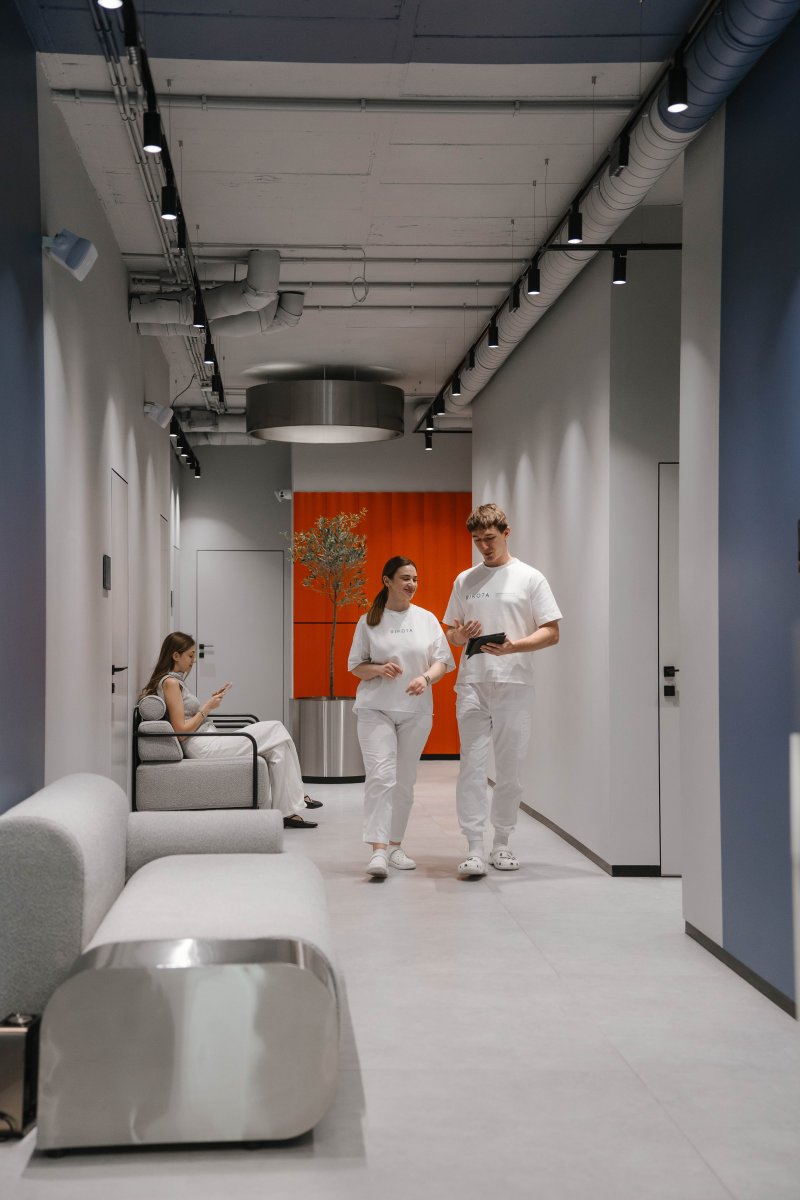


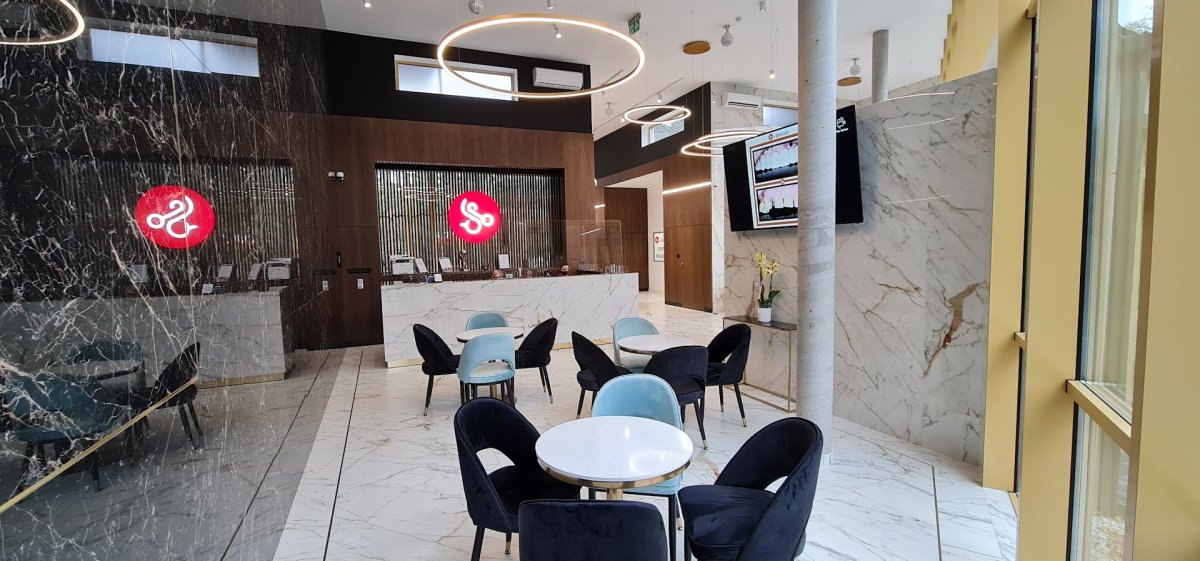
Kliniki Dr Sobczak
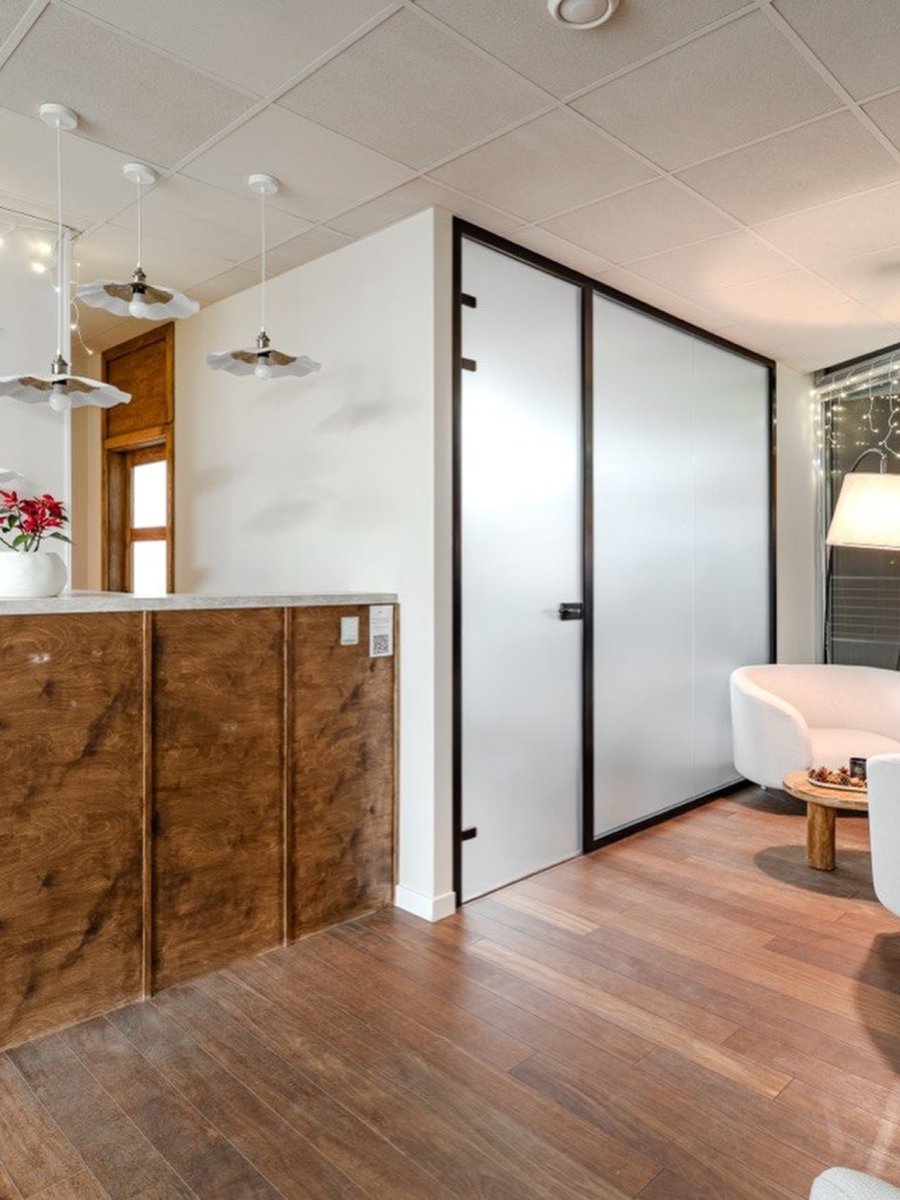
NOWA Dental & Beauty Clinic
Braces for kids Overview in Poland
- Braces for kids - from $640The procedure helps align children"s teeth properly, uses oral appliances, and improves their smile and dental health.
Day 1 - Arrival
- Arrive at the dental clinic for your appointment.
- Meet with the receptionist to complete paperwork.
Day 2 - Pre-Operation
- Meet with the orthodontist.
- Have your dental and medical history reviewed.
- Get a complete oral examination.
- Have X-rays and photographs of your teeth taken.
Day 3 - Braces Process
- Arrive for your braces placement appointment.
- Have your teeth cleaned and prepared for braces.
- Braces are applied using a special adhesive.
- Process takes between 1-2 hours, no anesthesia needed.
Day 4 - Post-Operation
- Adjust to the feeling of braces in your mouth.
- Learn how to clean and care for your braces.
- No overnight stay in the clinic is required.
Week 1 - Rehabilitation
- Continue brushing and flossing daily as instructed.
- Start eating soft foods to adjust to braces.
Week 2
- Resume normal activities including sports with mouthguard.
- Attend a follow-up appointment for adjustments if needed.
Week 6-8
- Continue regular check-ups and adjustments every 4-8 weeks.
After 1-3 years
- Braces removal appointment where they are gently detached.
- A retainer is provided for maintaining teeth alignment.
Please note that each case is individual and the timeline might vary.
- Bookimed deposit: $200 or €200.
- Clinic deposit: Pay a set percentage in advance.
As the leading global medical tourism platform, Bookimed.com takes huge responsibility before its clients in Poland — both patients and medical centers. All the information provided on Bookimed.com is grounded in research, foresight, and expertise and meets high interest related to the product and follows:
Smart automatic ranking system
We form our listings of clinics and doctors with strict regulations of our smart automatic ranking system, which includes Braces for kids clinics in Poland. The system is based on real Bookimed patient rates to provide the most objective and transparent information about clinics and medical services there.
Our experienced data scientist collects data daily, monitors, and optimizes the ranking system using machine learning and artificial intelligence to ensure that the ranking system is up-to-date and provides accurate results.
Real people"s experience only
We collect the opinions of Bookimed clients only after getting medical experience with the clinic — so everyone on the platform can trust the facility they choose. We strive to make the content on our platform as useful as possible and ensure the freedom to express critical opinions. Thus, we publish positive and negative reviews, aiming at being a source for informed decision-making for our future clients, especially those who are looking for Braces for kids in Poland.
Topics with high levels of expertise, authority, and trustworthiness
On Bookimed.com, you may find choice and convenience to find the best medical solutions from top medical services providers just in one place, and often at competitive prices. Making sure to deliver the freshest information, the clinic’s representatives update doctors’ CVs, clinics’ capacities, before-after pictures, prices, packages, and specials by themselves shortly. You may meet the clinic’s representative and check the date of updated content at every clinic’s page to make sure of its trustworthiness, especially for those looking for Braces for kids in Poland.
Our blog and supportive pieces are created by professional authors with at least 3-year experience in medical writing and edited by medical specialists with relevant clinical and research expertise — all carefully recruited to the team. We strive to enhance patient access to health information, making it expert but easy to understand. All pieces follow the Bookimed’s Editorial Guidelines.
Bookimed values
We are made of people and for people — and that"s our core value. That"s why all the data presented on the platform is collected, edited, reviewed, and updated regularly by our patients, our partner clinics, and our team, including the Bookimed Medical Advisory Board, which consists of the world-renowned doctors with value expertise over 20 years of practice, and a positive reputation. Learn more about us and our mission. We ensure that we have listed the best medical centers providing Braces for kids in Poland.
In case you find any mistake or have any questions on the information presented on Bookimed.com, please feel free to contact us at marketing@bookimed.com.
Our Doctors
View all Doctors
Irina Borovkova

Michal Juzefchyk
Dr. Michal Juzefchyk is a dentist and endodontist at Albusdent Dentistry Centre in Krakow. He performs root canal treatments and general dental procedures. Dr. Juzefchyk works at a facility with 10 doctors. The clinic has operated in Poland for 15 years. He treats patients needing tooth restoration and pain relief.
Video Stories from Bookimed Patients
Reviews about Bookimed: Discover Patients' Insights
All reviews


Share this content
 Anna Leonova

FAQ about Braces for kids in Poland
Are braces covered free of charge for children by the NFZ in Poland?
Poland's National Health Fund (NFZ) provides free removable orthodontic appliances for children up to 12 years old. Repairs and follow-up visits remain covered until age 13. However, fixed metal braces, ceramic brackets, and modern clear aligners are generally excluded from public reimbursement.
- Age limit: NFZ coverage for removable braces ends when the child turns 12.
- Follow-up care: Maintenance and adjustments are publicly funded until the child reaches 13.
- Severity requirement: Coverage applies only to significant malocclusions, excluding cases for purely aesthetic improvements.
- Appliance type: Only removable (mobile) braces qualify for full reimbursement through public clinics.
Bookimed Expert Insight: While public coverage is limited, Poland has become a top dental destination with over 1,204 served requests. Private clinics like Albusdent Dentistry Centre report a 99.9% success rate for orthodontic treatments. High patient volumes at centers like RIKOTA Dental Clinic, which manages 60,000 patients annually, suggest that private options offer significantly faster initiation than the 2–3 year public wait times.
Patient Consensus: Many parents report that their children were denied NFZ coverage because their orthodontic needs were not considered severe enough. Because public clinics use only basic metal materials, many families choose private care to access more comfortable or aesthetic options.
When should a child have their first orthodontic check-up?
A child should have their first orthodontic check-up by age 7. This milestone allows orthodontists to evaluate emerging permanent molars and incisors. Early assessment identifies jaw growth issues or crowding while the facial bones are still developing and more responsive to guidance.
- Early intervention: Addressing crossbites or crowding now prevents complex surgeries or extractions later.
- Growth monitoring: Specialist clinics like RIKOTA offer long-term observation until permanent teeth erupt fully.
- Skeletal assessment: Orthodontists evaluate `mixed dentition` to identify hidden jaw alignment problems.
- Predictive planning: Diagnostic tools and X-rays reveal impacted or missing teeth below the gumline.
Bookimed Expert Insight: Poland has become a top destination for pediatric orthodontics, ranking second globally in our network requests. Clinics like Albusdent report 99.9% success rates with bracket systems. Large centers like RIKOTA manage 60,000 visits annually, ensuring doctors see high volumes of complex cases.
Patient Consensus: Parents recommend scheduling evaluations even earlier, around age 6, if there is a family history of bite issues. Most find that early visits often lead to a `wait and see` approach, providing peace of mind without immediate costs.
How long does orthodontic treatment usually take for children and adolescents?
Orthodontic treatment for children and adolescents generally spans 12 to 24 months. Early intervention for children aged 7 to 10 often requires 6 to 12 months, while comprehensive Phase 2 treatment for teenagers typically lasts 18 to 24 months depending on dental complexity.
- Phase 1 duration: Early intervention at ages 7-10 lasts 6-12 months to guide jaw development.
- Comprehensive phase: Full braces for teens aged 11-15 typically require 18-24 months for completion.
- Complexity factors: Severe jaw discrepancies or impacted teeth can extend treatment timelines beyond 36 months.
- Compliance impact: Consistent use of rubber bands and clear aligners can reduce timelines by months.
Bookimed Expert Insight: Private clinics in Poland often complete treatment faster than public systems. Albusdent Dentistry Centre maintains a 99.9% success rate for bite correction. Utilizing self-ligating brackets at private centers can frequently reduce the active treatment phase to approximately 18 months.
Patient Consensus: Seeking a consultation by age 7 can significantly shorten the total time spent in braces. Patients emphasize that strict compliance with elastics and hygiene prevents unexpected additions to the treatment timeline.
What types of braces are used for children in Poland?
Children in Poland use removable appliances like Schwarz plates for early intervention and fixed systems for teens. Specialized clinics provide traditional metal, aesthetic ceramic, sapphire brackets, and modern clear aligners. Major centers in Krakow and Warsaw offer these advanced orthodontic solutions for pediatric populations.
- Removable appliances: Used for children aged 6–14 to expand arches and prevent crowding.
- Fixed metal braces: Durable stainless steel brackets allow customization with many colorful elastic bands.
- Aesthetic options: Transparent ceramic or sapphire brackets blend naturally with children's teeth.
- Clear aligners: Systems like Invisalign First offer removable, discreet correction for older kids.
Bookimed Expert Insight: Clinics like Albusdent report a 99.9% success rate for pediatric braces. Major dental chains like RIKOTA employ dozens of specialists to manage complex cases. Large patient volumes in cities like Krakow ensure surgeons maintain high proficiency levels.
Which Polish cities have the largest concentration of reputable paediatric orthodontic clinics?
Warsaw and Krakow hold the highest concentration of reputable pediatric orthodontic clinics in Poland. These primary hubs offer the most specialized child-focused facilities, high densities of English-speaking staff, and modern diagnostic technologies like panoramic X-rays necessary for early orthodontic intervention and bite correction.
- Warsaw: The capital hosts the largest network of specialized pediatric dentistry centers and clinics.
- Krakow: Krakow offers a high volume of pediatric orthodontists focused on early-intervention dental care.
- Wroclaw and Poznan: These hubs provide specialized care but often have longer patient waiting times.
- Clinic infrastructure: Top facilities like HALDENT Dental Clinic serve over 1,500 international patients annually.
Bookimed Expert Insight: While Warsaw clinics like RIKOTA Dental Clinic handle massive volumes with 60 specialists, Krakow offers a distinct advantage for families seeking specialized pediatric care. Krakow clinics often focus on orthodontic prophylaxis. This early intervention can prevent the need for full braces later. Our data shows Krakow remains a top choice for medical travelers due to high success rates in bracket systems.
Patient Consensus: Parents prefer Warsaw for complex cases at university hospitals. Krakow is often favored for early intervention treatments that are more budget-friendly than in the capital.
Is neurosurgery in Poland of high quality?
Neurosurgery in Poland offers high-quality care through JCI and ISO-certified facilities. Polish neurosurgeons follow rigorous European Union training standards. Many hold fellowships from the US or Germany. Advanced technologies like CyberKnife, Gamma Knife, and robotic systems are widely available in private centers.
- Specialized credentials: Doctors often hold memberships in the European Association of Neurosurgical Societies.
- Advanced technology: Clinics utilize CyberKnife and MR-guided focused ultrasound for non-invasive brain treatments.
- Clinical volume: Top centers like University Hospital in Krakow treat 455,000+ patients annually.
- Expert surgeons: Dr. Maciej Bujko at Carolina Hospital has performed 2,500+ surgeries independently.
Bookimed Expert Insight: Data shows a strong correlation between clinic specializations and patient origins. KCM Clinic serves 700+ international patients yearly. It focuses heavily on minimally invasive spine surgery. This volume allows them to offer specialized packages. These often include diagnostic blocks and specific implants like the Medtronic DIAM.
Patient Consensus: Patients note that Polish surgeons are highly attentive and detailed during consultations. Some mention that while the surgery itself is world-class, it is helpful to use a translation app for smoother communication with all hospital staff.
What are the qualifications of Polish neurosurgeons?
Polish neurosurgeons are highly qualified specialists who complete at least 13 years of rigorous medical training. This includes a 6-year medical degree, a 13-month internship, and a 6-year residency. They must pass the State Specialization Examination (PES) and often hold European Association of Neurosurgical Societies (EANS) certification.
- Education: Doctors earn a medical degree (Lekarz) after 6 years of university study.
- Specialization: Residency involves 6 years of modular training in clinical neurosurgery and neuroradiology.
- Surgical volume: Residents often complete 1,000+ cases, exceeding average training volumes in other regions.
- Certifications: Many specialists maintain memberships in AO Spine or the Polish Society of Spine Surgery.
Bookimed Expert Insight: Data shows Polish neurosurgeons often specialize in niche technologies like the ApiFix system or SED-YESS lumbar endoscopy. Specialists like Dr. Stanislaw Kwiek at KCM Clinic combine postdoctoral research with active surgical practice. This blend of academic depth and high procedure volumes makes them particularly effective for complex, minimally invasive spine revisions.
Patient Consensus: Patients value doctors who provide detailed explanations and answer all questions during consultations. While medical expertise is high, patients recommend confirming all payment terms and package inclusions in writing before traveling.
Which are the best hospitals for neurosurgery in Poland?
The best hospitals for neurosurgery in Poland include Carolina Hospital, KCM Clinic, and top academic centers like the University Hospital in Krakow. These facilities offer advanced spinal and brain treatments, featuring ISO-certified quality standards and specialists with international memberships in organizations like AO Spine.
- Carolina Hospital: A FIFA Medical Centre of Excellence specializing in complex minimally invasive spinal surgery.
- KCM Clinic: Internationally recognized for endoscopic spine procedures, serving over 700 foreign patients annually.
- University Hospital Krakow: A major multidisciplinary hub performing 800+ neurosurgical treatments yearly since 1788.
- Luxmed: A prominent private Warsaw facility focused on modern spinal surgery for international patients.
Bookimed Expert Insight: While many search for the largest hospitals, data shows that clinics like Carolina Hospital offer superior efficiency for elective cases. Having 40+ specialized doctors in a 30-bed facility ensures a much higher doctor-to-patient ratio than public university centers. This translates to more attentive postoperative care and significantly faster scheduling for procedures like herniated disc repairs.
Patient Consensus: Patients note that while public university hospitals excel at complex brain tumors, private clinics are preferred for spine work due to shorter wait times and better English-speaking support. Many advise confirming the surgeon's specific case volume through professional society listings before booking.
What are the most common neurosurgical procedures performed in Poland?
Neurosurgery in Poland is dominated by spinal procedures and brain tumor removals. Hospitals frequently perform microdiscectomies, spinal fusions, and deep brain stimulation. Centers like Carolina Hospital and KCM Clinic utilize minimally invasive techniques to treat herniated discs, spinal injuries, and complex neurological disorders.
- Spinal surgery: Discectomies and laminectomies are common for treating herniated discs.
- Neuro-oncology: Specialists perform brain tumor surgeries using advanced equipment like CyberKnife technology.
- Functional neurosurgery: Deep brain stimulation (DBS) is widely used for movement disorders.
- Minimally invasive: Surgeons use endoscopic methods for spinal decompression and pituitary tumors.
Bookimed Expert Insight: Poland has become a hub for specialized spinal stabilization. Clinics like Carolina Hospital partner with national sports teams, reflecting high expertise in complex spinal trauma. Our data shows these facilities often integrate rehabilitation directly into the surgical package. This combination reduces the risk of post-operative issues and speeds up patient recovery.
Patient Consensus: Patients note that private clinics offer much faster access for elective spine surgery compared to public options. Many recommend confirming the availability of English-speaking staff and planning for a short hospital stay followed by intensive physical therapy.
Is neurological rehabilitation available?
Neurological rehabilitation is widely available in Poland through specialized centers and multidisciplinary hospitals. Programs cover recovery for stroke, spinal cord injuries, and degenerative diseases. Facilities like Carolina Hospital in Warsaw and KCM Clinic provide physician-supervised therapy. Most neurosurgical packages include initial post-operative rehabilitation assessments.
- Available therapies: Programs include neuro-physiotherapy, occupational therapy, and speech-language pathology.
- Leading facilities: Carolina Hospital and Medical Centre ENEL-MED in Warsaw offer rehabilitation.
- Expert staff: Specialized neuro-physiotherapists work alongside neurosurgeons to create personalized plans.
- Treatment scope: Rehabilitation addresses mobility, balance, and cognitive functions after complex surgeries.
Bookimed Expert Insight: Data shows that clinics with high international patient volumes, like KCM Clinic, often bundle basic rehabilitation into their surgical packages. This is a significant advantage because separate neuro-rehabilitation in Poland can be difficult to coordinate independently. Choosing a clinic that provides an on-site rehabilitator ensures your recovery starts within 24 hours of surgery, which is vital for nerve regeneration.
Patient Consensus: Patients note that while major hospitals provide initial mobility checks, finding specialized speech or cognitive therapy often requires moving to a private center. Many recommend confirming a specific rehab plan with the neurosurgeon before traveling to ensure seamless care.
Who are the top neurosurgeons in Poland?
Top neurosurgeons in Poland include Dr. Jurij Kseniuk and Dr. Maciej Bujko at Carolina Hospital in Warsaw. These specialists focus on minimally invasive spine surgery and endoscopic techniques. They hold international certifications and memberships in the Polish Society of Spine Surgery and EUROSPINE.
- Dr. Jurij Kseniuk: Expert in endoscopic spine surgery at Carolina Hospital. Two-time international Vexim competition winner.
- Dr. Maciej Bujko: International endoscopic instructor at Carolina Hospital. Performed 2,500+ procedures including brain tumors.
- Prof. Stanislaw Kwiek: Specialist at KCM Clinic. Over 30 years experience in advanced laser decompression.
- Dr. Radoslaw Michalik: Specialist in artificial disc implantation and spinal oncology at Carolina Hospital.
Bookimed Expert Insight: Data shows a high concentration of elite expertise in Warsaw. Carolina Hospital alone houses 40+ specialists with dual certifications in neurosurgery and orthopedics. This multidisciplinary approach is rare. It allows for more precise treatment of complex cases involving both nerve and bone issues.
Patient Consensus: Patients value the detailed diagnostic process, noting that MRIs often take longer but provide superior clarity. While medical care is highly rated, some mention that administrative communication at private clinics can be slow during the payment phase.
Can international patients easily access care?
International patients comfortably access neurosurgery in Poland through specialized private centers in Warsaw and Jelenia Gora. These facilities provide direct access to advanced procedures like CyberKnife and endoscopic spine surgery. JCI and ISO-accredited hospitals streamline the process for foreign patients with dedicated coordination and language support.
- Specialized care: Clinics like Carolina Hospital serve international patients from Europe and North America.
- Advanced technology: Facilities offer CyberKnife, Gamma Knife, and robotic-assisted spine surgery for complex cases.
- Dedicated coordination: Packages often include airport transfers and local apartments to simplify medical travel.
- Expert surgeons: Doctors like Dr. Jurij Kseniuk perform high-precision minimally invasive spine procedures.
Bookimed Expert Insight: Poland's private neurosurgery centers offer a dual advantage of high patient volume and specialized expertise. For example, the University Hospital in Krakow serves 450,000+ patients annually. This massive clinical experience allows private centers to maintain surgical success rates that attract over 700 international patients yearly to clinics like KCM.
Patient Consensus: Patients note that private clinics provide very friendly staff and attentive surgeons who answer every question in detail. While language barriers can occur at reception, centers quickly provide translation support to meet the needs of international visitors.
What are the best neurosurgery hospitals in Poland?
Poland offers top neurosurgery at JCI-standard facilities like Carolina Hospital and KCM Clinic. These centers specialize in minimally invasive spine surgery and complex brain tumor resections. Patients benefit from advanced technologies like CyberKnife and Gamma Knife. High success rates and shorter waiting times define the private sector.
- Carolina Hospital: A FIFA Medical Centre of Excellence specializing in complex spinal neurotrauma.
- KCM Clinic: Leading center for endoscopic spine surgery performing over 3,000 successful interventions.
- University Hospital Krakow: Academic powerhouse known for high-volume tumor resections and awake craniotomy.
- Cyberknife Institute: Specialized facility in Wieliszew focusing on robotic radiosurgery for tumors.
Bookimed Expert Insight: Data shows a clear quality signal in diagnostic depth at top Warsaw clinics. Facilities like Carolina Hospital perform MRI scans that take 3 times longer than standard protocols. This focus on high-resolution imaging directly supports the precision of minimally invasive procedures. It is a key differentiator for complex neurological cases.
Patient Consensus: Patients value the detailed imaging and note that surgeons often have extensive international training. Many highlight that while English is common in private clinics, confirming interpreter services early helps avoid communication gaps during recovery.
Do clinics provide support for international travelers?
Polish neurosurgery clinics provide comprehensive support for international travelers, ranging from visa assistance to dedicated logistical coordination. Facilities specialized in spinal and brain surgery often include airport transfers and accommodation arrangements. Many centers employ multilingual staff to bridge language barriers for patients from Europe, North America, and beyond.
- Travel logistics: Clinics like Carolina Hospital organize airport transfers and local lodging.
- Language assistance: Dedicated teams provide translation to ensure clear communication with neurosurgeons.
- Patient coordination: KCM Clinic offers specialized package programs specifically designed for international patients.
- Remote consultations: Many facilities provide online consultations to review MRI scans before travel.
Bookimed Expert Insight: Data shows that clinics with high international volumes, like KCM Clinic which serves 700+ foreigners annually, often bundle services to simplify the journey. These centers frequently provide all-inclusive packages for procedures like laminectomy or disc surgery. Choosing these bundled options helps patients avoid the complexity of booking local transport or finding recovery-appropriate housing separately.
Patient Consensus: Patients note it is helpful when clinics arrange everything by email before arrival. They emphasize that having a dedicated coordinator who speaks their language makes the surgical process much less stressful.
Why is neurosurgery more affordable in Poland compared to the US or UK?
Neurosurgery in Poland is more affordable due to lower labor costs and medical staff salaries compared to the US or UK. Facilities use identical Western technology and implants like Medtronic or Stryker. Favorable exchange rates and reduced malpractice insurance premiums significantly lower surgical fees for international patients.
- Cost efficiency: Prices for neurosurgical procedures generally range from $640 to $2,400.
- Surgical expertise: Specialists like Dr. Maciej Bujko have performed 2,500+ independent surgeries.
- Included services: Packages often bundle diagnostic tests, surgical fees, and 24/7 medical care.
- Standardized quality: Clinics like Carolina Hospital hold ISO 9001:2015 and TÜV NORD certifications.
Bookimed Expert Insight: Data shows that Poland specializes in high-volume endoscopic spine surgery. Specialists like Dr. Radoslaw Michalik have performed over 1,000 advanced spinal procedures. This volume allows clinics to negotiate lower prices for implants. It also ensures surgeons maintain a high level of technical skill in minimally invasive methods.
Patient Consensus: Patients note that treatments like spinal fusion are significantly cheaper than in the US. They recommend confirming English-speaking staff availability before booking to avoid potential language barriers during recovery.
What cities are the main medical hubs?
Warsaw, Krakow, and Jelenia Gora are the primary neurosurgery hubs in Poland. These cities host high-volume centers like Carolina Hospital and KCM Clinic. They offer advanced care including CyberKnife, robotic spine surgery, and Deep brain stimulation (DBS). Most facilities hold ISO certifications for quality and safety.
- Warsaw: The capital houses Carolina Hospital, a FIFA Medical Centre of Excellence for complex cases.
- Krakow: Home to University Hospital, treating over 455,000 patients annually with 103 specialized departments.
- Jelenia Gora: KCM Clinic specializes in minimally invasive spine surgery, attracting 700+ international patients yearly.
- Specialized experts: Hubs feature renowned surgeons like Dr. Maciej Bujko, who has performed 2,500+ procedures.
Bookimed Expert Insight: While Warsaw is the primary destination for brain tumors, Jelenia Gora has carved out a niche for minimally invasive spine procedures. KCM Clinic in Jelenia Gora coordinates specialized packages for international patients that often include nearby Wroclaw airport transfers. This makes it a more streamlined choice for discopathy than the larger, more crowded multi-disciplinary hospitals in Krakow.
Patient Consensus: Patients note that Warsaw is the top choice for scheduling advanced surgeries quickly. In Krakow, travelers suggest avoiding peak tourist seasons to ensure easier local logistics and hospital access.
Are online consultations available for international patients?
Online consultations with neurosurgeons in Poland are widely available for international patients. Specialists at private centers perform these virtual meetings to review MRI or CT scans and discuss treatment plans. These sessions typically cost Price on request to Price on request and help determine surgical candidacy before traveling.
- Available services: Video calls for second opinions and diagnostic imaging reviews are standard.
- Leading clinics: Private facilities like Carolina Hospital and KCM Clinic offer these digital services.
- Expert credentials: Surgeons like Dr. Jurij Kseniuk and Dr. Maciej Bujko provide expert plan creation.
- Record requirements: Patients must provide high-quality digital copies of spinal or brain scans beforehand.
Bookimed Expert Insight: Data shows that clinics with high international volumes, like KCM Clinic which serves 700+ foreigners annually, often use online consultations to verify if minimally invasive techniques are possible. This is vital for spine cases. It prevents patients from traveling for procedures that may require more invasive traditional surgery once they arrive.
Patient Consensus: Patients note that while video calls are excellent for reviewing scans, the final surgical approval usually happens after an in-person physical exam. They suggest confirming that the specialist speaks your preferred language before the call to ensure clarity.