Osteoarthritis of the hip treatment in Republic of Korea — get 3 personalized clinic matches

Medically reviewed by
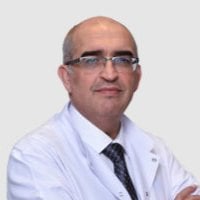
Kayhan Turan
How it works
What's the Cost of Osteoarthritis of the hip Diagnosis and Treatment in Republic of Korea?
| Republic of Korea | Turkey | Austria | |
|---|---|---|---|
| Hip Resurfacing Surgery | ≈ $13,500 | ≈ $8,500 | ≈ $11,500 |
Best Osteoarthritis of the hip Treatment Centers in Republic of Korea: 8 Verified Options and Prices



Ewha Womans University Medical Center
Paik Nam-sun











Korea University Anam Hospital
Kim Jin



Get a Medical Assessment for Osteoarthritis of the hip in Republic of Korea: Consult with Experienced Doctors Now
View all Doctors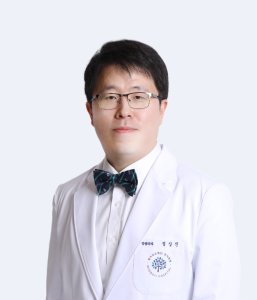
Jung Sang Jin
Dr. Jung Sang Jin is a Clinical Professor of Orthopedic Surgery at Myongji Hospital, an educational partner of Hanyang University. He specializes in joint replacement, knee conditions, lower-extremity trauma, diabetic foot, arthritis, and osteoporosis.
He earned his MD and MSc from Konyang University. He completed his internship and orthopedic residency at Konyang University Hospital. He then finished a hip and knee arthroplasty clinical fellowship at Samsung Medical Center. He also completed AO Recon advanced arthroplasty training in Davos. In addition, he finished the AO Trauma Masters and AO Recon Hip and Knee courses. He is a member of the Korean Orthopaedic Association, Korean Knee Society, Korean Fracture Society, Korean Society of Sports Medicine, Korean Hip Society, and AO Trauma and AO Recon. He has published on hip replacement outcomes. He received a KOA poster award in 2023.
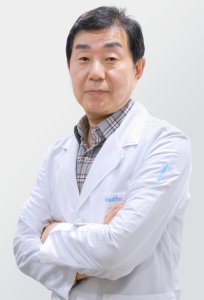
Jang Hyo Kim
Dr. Jang Hyo Kim is an orthopedic surgeon at Leadheal Hospital in Seoul. He specializes in joint preservation and complex reconstruction. He completed a fellowship in Ilizarov external fixation surgery in Russia. Dr. Kim currently serves as the Joint Center Director at Very Good Hospital. He is an adjunct professor at Kyung Hee University.
- Performs arthroscopy and replacement for the shoulder, knee, and hip.
- Treats spinal conditions using instrumentation, fusion, and discectomy.
- Holds TPI therapy certification for muscle and joint pain management.
- Full member of the Korean Orthopaedic Association and the Korean Hip Society.
Woo Kyung Kwak
Dr. Woo Kyung Kwak is an orthopedic surgeon at Leadheal Hospital in Seoul. He specializes in minimally invasive bunion correction using the MICA technique. Dr. Kwak also performs total knee arthroplasty and arthroscopic joint surgery. He completed the FIFA Diploma in Football Medicine for sports injury management.
- Completed training at the Arthrex Surgical Skills Laboratory and the AO Trauma course.
- Served as the Chief of Orthopedic Surgery at Armed Forces Daejeon Hospital.
- Maintains membership in the Korean societies for orthopedics, arthroscopy, and sports medicine.
- Acts as a scientific reviewer for international Springer Nature medical journals.
Paik Nam-sun
Dr. Paik Nam-sun is a surgical oncologist at Ewha Womans University Medical Center in Seoul. He is recognized as one of the world's top 100 gastric and breast cancer surgeons. He performed the first breast-conserving surgery in South Korea. Dr. Paik also invented a proprietary stomach cancer technique to reduce reflux disease risk.
- Director of the Cancer Center for Women at Ewha Womans University Medical Center.
- Former President of Konkuk University Hospital.
- Served as the Director of the Korea Cancer Center Hospital.
- Former President of the Korean Society of Cancer Prevention.
Share this content
Video Stories from Bookimed Patients
 Anna Leonova
Expert Overview about Osteoarthritis of the hip Treatment in Republic of Korea
What are the primary treatment options for hip osteoarthritis in South Korea?
South Korean clinics treat hip osteoarthritis using conservative care, therapeutic injections, and high-precision surgery. Specialists focus on joint preservation for mild cases. Advanced cases receive total hip arthroplasty at JCI-accredited facilities. Expert surgeons reconstruct damaged joints to restore mobility and eliminate chronic pain.
- Conservative management: Tailored plans include weight control, physical rehab, and activity modification.
- Injection therapy: Hyaluronic acid or corticosteroid injections provide lubrication and temporary relief.
- Surgical intervention: Surgeons perform total hip arthroplasty using digital systems for precision.
- Joint preservation: Techniques like hip osteotomy reshape bone to protect existing cartilage.
Bookimed Expert Insight: Patient volume in Korea serves as a major quality signal. Facilities like Seoul National University Bundang Hospital treat over 1,500,000 patients annually. This massive scale ensures surgeons like Dr. Seong Hyun Kim have extensive experience. High-volume centers often utilize digital systems to minimize errors during complex joint replacements.
Patient Consensus: Patients note that early nonsurgical care is vital for mild symptoms. Many suggest asking about injections to postpone major surgery while prioritizing clinics with strong rehabilitation support.
What is Robotic-Assisted (MAKOplasty) hip surgery, and is it available in Korea?
Robotic-assisted MAKOplasty hip surgery is a precise joint replacement method available in South Korea. It utilizes the Mako SmartRobotics system and a personalized 3D CT scan. Surgeons achieve submillimeter accuracy in implant placement. This technology helps protect surrounding soft tissue and bone.
- System availability: Over 59 Mako robotic systems operate across South Korean medical facilities.
- High-volume centers: Centers like Himchan Hospital perform thousands of robotic joint replacement procedures.
- Precision technology: The robotic arm provides haptic feedback to prevent deviations from the plan.
- Clinical benefits: Patients may experience reduced tissue damage and more accurate leg-length alignment.
- Top-tier hospitals: JCI-accredited facilities like Korea University Anam Hospital specialize in advanced robotic surgery.
Bookimed Expert Insight: While small clinics exist, South Korea’s robotic infrastructure is concentrated in massive digital hospitals. Seoul National University Bundang Hospital serves 1,500,000 patients annually and was the first fully digital hospital. This high patient volume means local surgeons often have far more experience with robotic software than those in smaller European or American centers.
Patient Consensus: Patients note it is important to confirm the surgeon's personal experience with the robot. Many feel more confident knowing a detailed 3D plan guides the bone preparation.
How long does a patient need to stay in Korea for total hip replacement?
Patients typically need to stay in Republic of Korea for 10 to 14 days for total hip replacement. This window includes pre-operative diagnostics, the surgical procedure, and critical initial recovery. Most hospital stays last 3 to 5 days followed by outpatient monitoring before final travel clearance.
- Hospital stay: Expect 3 to 5 days for the surgery and clinical monitoring.
- Suture removal: Surgeons usually remove non-dissolvable stitches 7 to 10 days after the operation.
- Early mobility: Patients typically begin walking with assistance within 24 to 48 hours post-surgery.
- Flight safety: Medical teams often advise waiting 6 to 12 weeks for long-haul travel.
Bookimed Expert Insight: While major centers like Asan Medical Center serve over 2,500 inpatients daily, smaller specialist facilities often provide more intensive early rehabilitation. Choosing a clinic with 30+ year experienced surgeons like Dr. Seong Hyun Kim ensures a customized mobility plan. This often helps patients meet flight safety milestones faster than standard protocols suggest.
Patient Consensus: Patients note it is essential to arrive several days early for bloodwork and imaging. They emphasize staying long enough for physical therapy to ensure stability before navigating airports.
Are there regenerative treatments available (like stem cells) for hip arthritis in Korea?
South Korea offers regenerative treatments like mesenchymal stem cell injections for hip arthritis. Specialized centers in Seoul provide autologous and allogeneic options for moderatejoint degeneration. These therapies are regulated under the Advanced Regenerative Bio Law and updated 2025 legislative frameworks.
- Specialized centers: Facilities like Leadheal Hospital provide tailored orthopedic care for international patients.
- Expert experience: Specialists like Dr. Seong Hyun Kim have 30+ years of musculoskeletal experience.
- Digital diagnostics: Seoul National University Bundang Hospital uses BESTcare systems for high-precision joint evaluations.
- Legal framework: The 2025 legislative update improves access to investigational stem cell therapies.
Bookimed Expert Insight: Korea's digital healthcare infrastructure offers a distinct advantage for regenerative therapy. Leadheal Hospital alone treats over 44,000 patients annually using digital systems for tailored lifestyle plans. This high patient volume suggests that Seoul-based clinics have refined their protocols significantly more than smaller regional centers.
Patient Consensus: Patients note that treating the hip is more complex than the knee because it is a deep, load-bearing joint. Many advise caution regarding clinics that promise cartilage regrowth and suggest prioritizing a thorough evaluation over immediate treatment.