Basal Implant in Republic of Korea — Get 3 Top Clinic Matches with Costs


Medically reviewed by
Fahad Mawlood
How Much Does Basal implant Cost in Republic of Korea?
Basal implant costs in the Republic of Korea typically range from $1,800 to $3,400. Final pricing depends on the number of units, imaging requirements, and the specific implant brand used. Patients save approximately 33% compared to the US, where similar procedures cost $3,900 on average. Standard Korean dental packages usually include 3D CT scans, digital oral scans, and professional consultations.
- Single basal implant: $1,800 to $3,400 for anchoring into cortical bone.
- Zygomatic alternatives: Often cost about 50-60% more than standard basal units for severe atrophy.
- Main medical hubs: Major centers for these procedures include Seoul, Daejeon, and Busan.
- Sedation dentistry: Typically adds 10-15% to the total cost for conscious or sleep sedation.
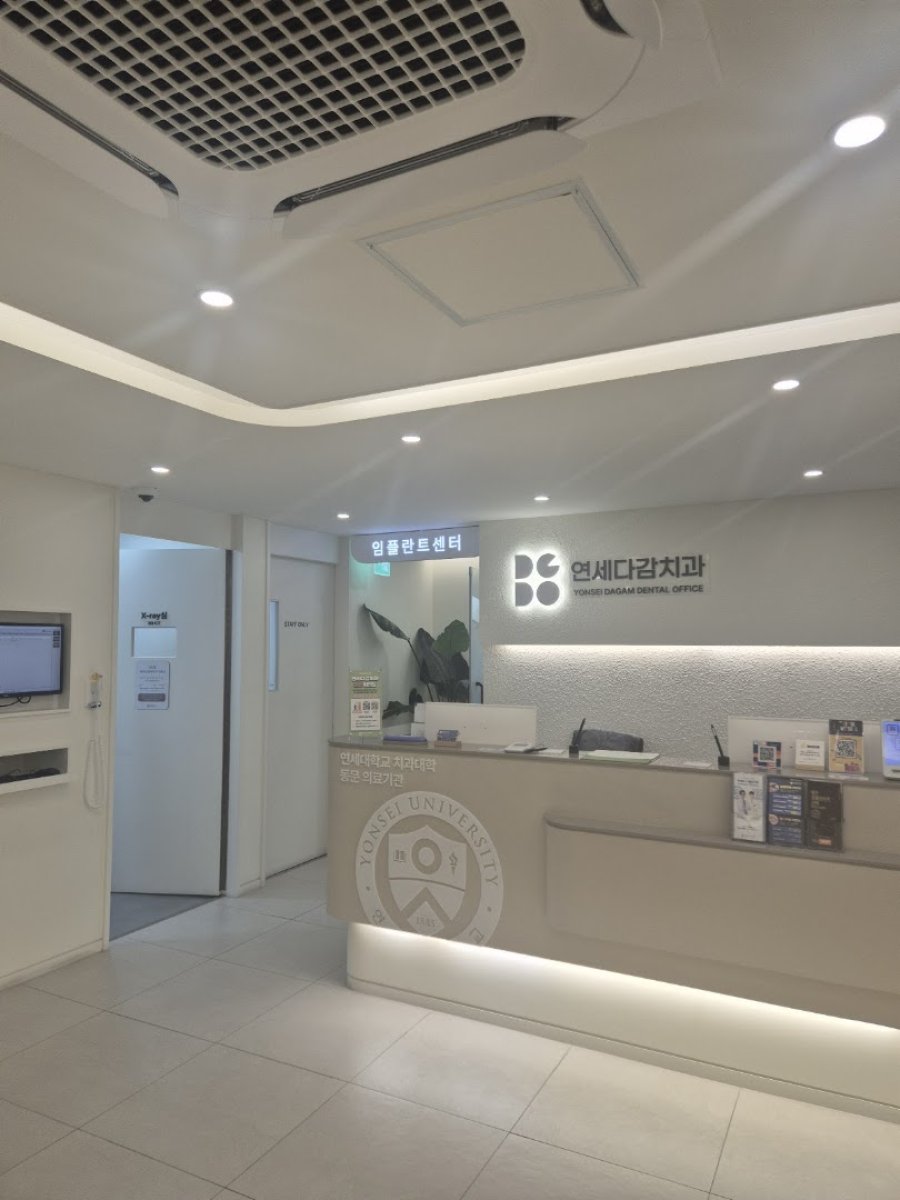
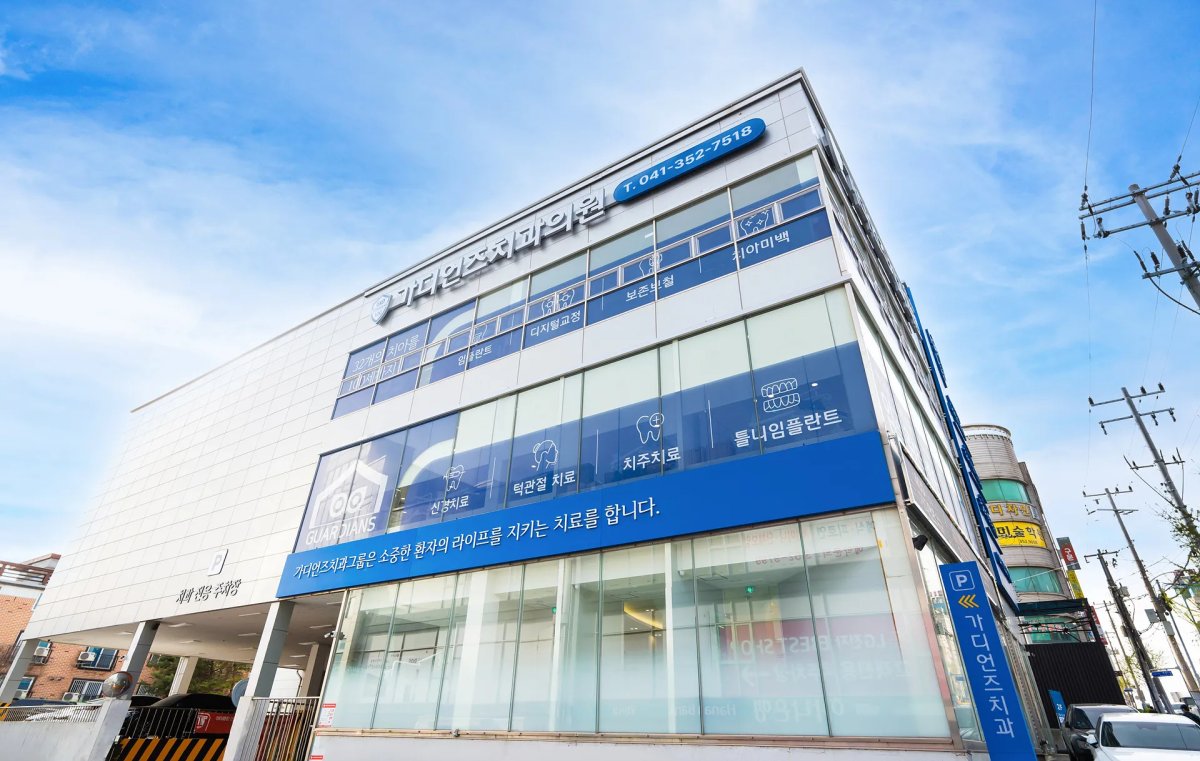
Bookimed Expert Insight: Choosing clinics in Seoul with on-site digital labs, like Guardians Dental Clinic, often reduces total costs. These facilities avoid third-party milling fees and offer same-day treatment options. Specialists from Seoul National University, such as those at 365 Seoul OneTop, provide high-value care using computer-guided navigation. This technology ensures precision while potentially lowering the need for expensive secondary bone grafting procedures.
| Republic of Korea | Turkey | The USA | |
|---|---|---|---|
| Basal implant | ≈ $1,800 | from $1,200 | ≈ $2,800 |
Your Benefits and Guarantees with Bookimed
Transparent Prices & Flexible Installments
No hidden fees – just official clinic prices. Pay at the clinic for Basal implant upon arrival and use a flexible installment plan if needed.
Verified Clinics & Doctors Only
Bookimed is committed to your safety. We only work with medical institutions that maintain high international standards in Basal implant and have the necessary licenses to serve international patients worldwide.
Free 24/7 Assistance
Bookimed offers free expert assistance. A personal medical coordinator supports you before, during, and after your treatment, solving any issues. You're never alone on your Basal implant journey.

Your personal Bookimed medical coordinator
- Supports you at every stage
- Helps choose the right clinic and doctor
- Ensures quick and convenient access to information
Discover the Best Basal implant Clinics in Republic of Korea: 2 Verified Options and Prices
Basal implant Overview in Republic of Korea
- All-on-4 Dental Implants - from $9,000This therapy restores a full set of teeth using four implants per jaw, offering durability, comfort, and a natural look.
- All-on-6 Dental Implants - from $5,300This therapy replaces entire dental arches using only six implants, offering patients stability and comfort.
- Installation of a dental implant with crown - from $2,000This therapy involves placing an artificial tooth root and crown to restore a missing tooth, offering durability and natural appearance.
- Dental Implant - from $700This therapy installs artificial tooth roots to restore function and appearance, offering durability, convenience, and natural feel.
- Dental Implant with Abutment - from $750The procedure installs a prosthetic tooth root and connector for a false tooth, enhancing oral health and smile.
- Subperiosteal implant - from $1,500The procedure places a custom-fit frame under gums and atop jawbone, offering robust support for artificial teeth.
Day 1: Arrival
- Arrive in the country and check into your accommodation.
- Rest and acclimate to the new environment.
Day 2: Pre-Operation
- Visit the clinic for an initial consultation.
- Meet with a dental specialist to discuss the procedure.
- Undergo necessary medical tests for surgery readiness.
Day 3: Basal Implant Procedure
- Arrive at the clinic and prepare for surgery.
- Receive local anesthesia to numb the operation area.
- The procedure usually lasts for 2-3 hours.
Day 4: Post-Operation
- Stay in the clinic for observation and recovery.
- Receive pain management and care instructions.
Week 1: Rehabilitation
- Rest and recover, avoid strenuous activities.
- Follow a soft diet to facilitate healing.
- Regularly clean the implant area as instructed.
Week 2-3: Rehabilitation
- Gradually resume normal activities.
- Return to work after two weeks, depending on recovery.
- Regular follow-up appointments to monitor healing.
Month 1-3: Rehabilitation
- Resume sports activities after six weeks.
- Final results can be seen after three months.
Please note that each patient"s recovery timeline may vary and is influenced by their overall health and adherence to post-operative instructions.
- Bookimed deposit: $200 or €200.
- Clinic deposit: Pay a set percentage in advance.
Our Doctors
View all Doctors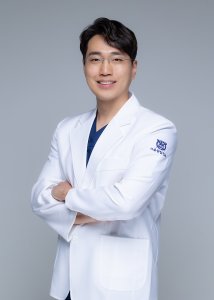
Kim Geun-il
Specialist in Implant Dentistry certified by the Ministry of Health and Welfare – Dr. Kim focuses exclusively on precise implant solutions.
- Graduated from Seoul National University School of Dentistry
- Completed residency at Seoul National University Dental Hospital
- Certified Member of the Korean Academy of Implant Dentistry
- Trained in Osstem and MegaGen implant systems
- ITI (International Team for Implantology) Member
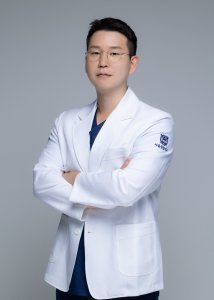
Kwon Jae-won
Specialist in Implant Dentistry and Integrated Dentistry with dual Ministry of Health and Welfare certifications — Dr. Kwon provides precise diagnosis and treatment plans.
- Graduated with honors from Seoul National University School of Dentistry
- Trained at Seoul National University Dental Hospital residency program
- Certified provider for Osstem and MegaGen implant systems
- Active member of five Korean dental specialty associations
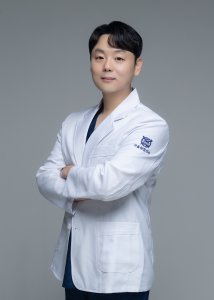
Lim Gi-hyeon
Board-certified specialist in Oral and Maxillofacial Surgery with extensive training at Yonsei University Dental Hospital. Dr. Lim focuses on patient comfort and meticulous care for implant procedures.
- Graduated from Yonsei University College of Dentistry
- Board-certified in Oral and Maxillofacial Surgery and Integrated Dentistry
- Regular member of Korean Association of Oral and Maxillofacial Surgeons
- Clinical Advisory Committee Member for Osstem Implant
- Visiting Clinical Practitioner at Harvard Medical School Affiliated Hospital

Jung Sung Lee
Specializes in stress-free basal implants with conscious sedation – ideal for anxious patients or complex procedures.
- Collaborates with certified anesthesiologists for safe sedation
- Customizes sedation plans to individual patient needs
- Skilled in both implants and general dental treatments
- Enables multiple procedures in a single comfortable visit
Video Stories from Bookimed Patients
Reviews about Bookimed: Discover Patients' Insights
All reviewsShare this content
 Anna Leonova

FAQ about Basal implant in Republic of Korea
Do I need a visa to South Korea?
Today, South Korea has visa-free agreements with 112 states. None visa is required for stays under 90 days or less. To stay longer in this country, you need a visa. What states need a visa for treatment in South Korea and what countries can cross the border free and easy read here.
What is the level of medicine in South Korea?
Healthcare is the key development sector of the Korean government. The Korean authorities are convinced that care for the citizens' health should be an absolute priority of state policy and spend about 1 billion a year for medical tourists attraction.
According to Mark Britnell, hospitals dominate the health system. 94% of hospitals are privately owned.
What are the most popular plastic surgery procedures?
According to ASPS statistics, 17.7 mln cosmetic surgeries and 5.8 mln reconstructive procedures have been performed in 2018. Among cosmetic procedures the most popular are:
- breast augmentation
- liposuction
- rhinoplasty (nose job)
- eyelid surgery
- tummy tuck.
Tumor removal, laceration repair, maxillofacial surgery, scar revision, hand surgery are the most common operations in the context of reconstructive surgery.
What documents are required to apply for a visa to South Korea for treatment?
Visas for travel to South Korea require a number of documents. The necessary papers can be submitted 90 days before the planned departure. Lists of documents includes:
- ID card
- confirmation of online registration and filling out the questionnaire
- certificate of income and availability of funds
- insurance policy for a stay in South Korea (original and copy)
- 2 photos (5x6)
- visa receipt
- booking of flight and hotel
- medical opinion about the need for treatment.
What should you know about South Korea before the trip?
Currency | South Korean Won (you also can pay for services in dollars) |
Best period for the trip | April, May & June or September, October & November. |
Language | Korean (most of medical staff speaks English fluently) |
Visa | none required for stays under 90 days or less |
Time difference with Europe | 9 hours |
Time difference with the USA | 9 hours |
Capital | Seoul |
Medical tourism center | Seoul |
Popular resorts | Gangwon-do, Gyeongju, Boseong, Jeju |
What hotel services are provided here?
In South Korea, hotels of different price ranges and service levels are presented. Most tourists choose 4 and 5 star hotels with all-inclusive meals. Such hotels have everything for a comfortable stay: varied food, a large well-groomed territory, animation for children and adults. Some hotels have their own water park, which guests can use for free. Budget travelers can afford to book an economical 3-star hotel with half board or no meals at all.