Carotid Angioplasty and Stenting in Republic of Korea — Get 3 Top Clinic Matches with Costs

Medically reviewed by
Hasim Ustunsoy
How Much Does Carotid Angioplasty and Stenting Cost in Republic of Korea?
Carotid angioplasty and stenting in the Republic of Korea typically costs from $9,500 to $14,500. The final price depends on the hospital tier, type of embolic protection device used, and length of ICU monitoring. In the United States, this procedure costs $30,000 on average. Patients save around 60% by choosing medical centers in South Korea. Packages generally include diagnostic imaging, the surgical procedure, and standard hospitalization stays.
- Hospital tier: Top-tier university hospitals in Seoul generally charge 15-20% more than regional centers.
- Medical devices: The specific choice of stent and embolic protection device impacts the billing.
- Diagnostic imaging: Pre-procedure costs increase if carotid duplex ultrasound or cerebral angiography are required.
- Hospitalization duration: Costs rise if underlying comorbidities require monitoring beyond the standard few days.
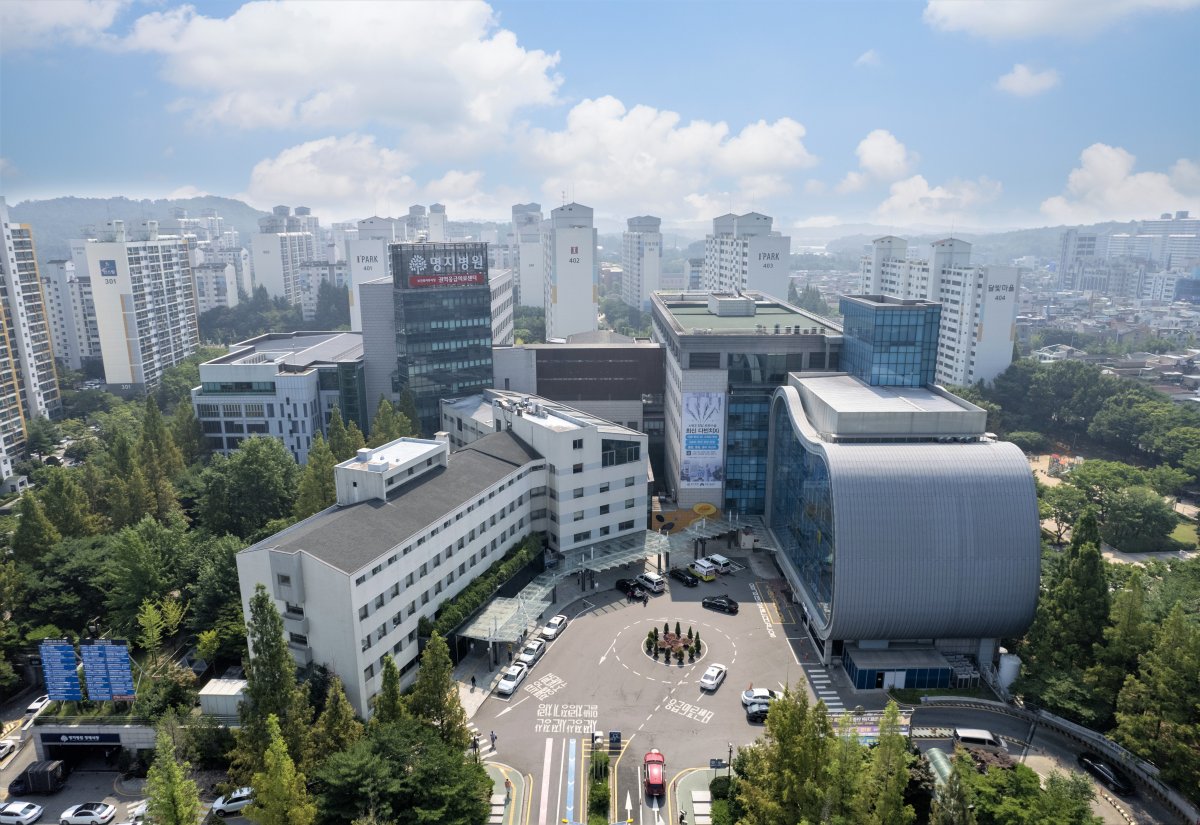
Bookimed Expert Insight: Choosing KOIHA-accredited facilities like Sejong Hospital offers exceptional value. This hospital treats over 400,000 patients annually and features leaders from the Korean Society of Cardiology. For complex cases, seeking directors of specialized heart centers ensures high-level expertise. International departments at hospitals like Myongji provide coordination that simplifies the process for overseas patients.
| Republic of Korea | Turkey | Austria | |
|---|---|---|---|
| Carotid Angioplasty and Stenting | ≈ $9,500 | from $7,000 | ≈ $9,500 |
Your Benefits and Guarantees with Bookimed
Transparent Prices & Flexible Installments
No hidden fees – just official clinic prices. Pay at the clinic for Carotid Angioplasty and Stenting upon arrival and use a flexible installment plan if needed.
Verified Clinics & Doctors Only
Bookimed is committed to your safety. We only work with medical institutions that maintain high international standards in Carotid Angioplasty and Stenting and have the necessary licenses to serve international patients worldwide.
Free 24/7 Assistance
Bookimed offers free expert assistance. A personal medical coordinator supports you before, during, and after your treatment, solving any issues. You're never alone on your Carotid Angioplasty and Stenting journey.

Your personal Bookimed medical coordinator
- Supports you at every stage
- Helps choose the right clinic and doctor
- Ensures quick and convenient access to information
Discover the Best Carotid Angioplasty and Stenting Clinics in Republic of Korea: 1 Verified Option and Prices
Carotid Angioplasty and Stenting Overview in Republic of Korea
Day 1 - Arrival
- Arrive at the hospital and check-in at the reception.
- Meet with the cardiovascular specialist for consultation.
- Undergo necessary medical tests, including blood tests and imaging.
Day 2 - Pre-Operation
- Review test results with the specialist.
- Discuss the procedure, risks, and benefits with the specialist.
- Sign the consent form for the procedure.
Day 3 - Operation
- Fast overnight before the procedure.
- Undergo Carotid Angioplasty and Stenting, usually lasting 1-2 hours.
- Local anesthesia is used to minimize discomfort.
- The procedure involves widening the narrowed carotid artery and placing a stent.
Day 4 - Post-Operation
- Stay in the hospital for observation.
- Receive medication to prevent blood clots and control pain.
- Meet with the specialist for post-operative review.
Day 5 - Discharge
- Receive discharge instructions and medications.
- Arrange a follow-up appointment with the specialist.
Week 1 - Rehabilitation
- Rest and recover at home.
- Take prescribed medications regularly.
Week 2-4 - Rehabilitation
- Gradually resume light activities.
- Return to work if it"s not physically demanding.
Week 4-8 - Rehabilitation
- Resume moderate activities and light sports.
- See the final result as the carotid artery heals completely.
Please note that the timeline and process might vary depending on individual health conditions and recovery speed.
- Bookimed deposit: $200 or €200.
- Clinic deposit: Pay a set percentage in advance.
Our Doctors
View all Doctors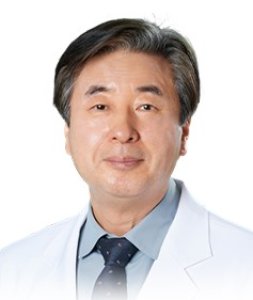
Ahn Taehun
Dr. Ahn Taehun is a cardiologist (MD, PhD) and Director of a Cardiovascular Center. He specializes in coronary artery disease, including angina and myocardial infarction. He also treats hypertension, heart valve disease, heart failure, and hyperlipidemia. His expertise includes interventional cardiology, echocardiography, and cardiovascular imaging. He also manages atherosclerosis, arterial occlusive disease, dilated cardiomyopathy, and myocarditis.
He has held several leadership roles. He served as Chairman of the Board of the Korean Society of Interventional Cardiology (KSIC) and President of the Korean Society of Cardiology (KSC). He was Finance Director of the KSC. He led the Korean Vascular Intervention Society (KVIS) and the Korean Cardiovascular Complications Committee (KCCC) as President. He also chaired the Organizing Committee for ENCORE SEOUL (Endovascular & Coronary Revascularization).
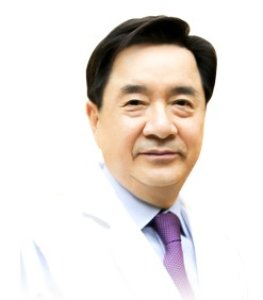
Oh Dongju
Dr. Oh Dongju, MD, PhD, is a cardiologist. He specializes in hypertension, hyperlipidemia, angina, myocardial infarction, valvular disease, dilated cardiomyopathy, and myocarditis. His work also covers atherosclerosis and arterial occlusive disease. He is skilled in echocardiography and cardiovascular imaging.
He completed a cardiology fellowship at Emory University School of Medicine. He also served as a Clinical Instructor at the Cornell University Weill Department of Medicine. He has held many leadership roles. He served as President, KSIC; Director of Publications, General Affairs, and Public Relations, KSC; Chairman, KACG; Board Member, Asan Heart Foundation; Vice President, KHA; Chairman, Division of Cardiology, KAIM; Vice President, NAMOK/KAMS; Governor, ACC Korea Chapter; and Member, the National Bioethics Committee.
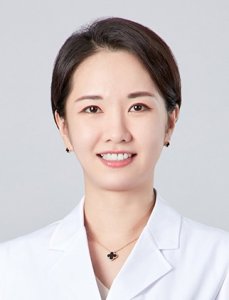
Min Jeong Kim
Dr. Min Jeong Kim specializes in carotid artery stenting with over a decade of experience in interventional cardiology at Sejong Hospital Seoul.
- Performs carotid artery stenting with a high success rate
- Trained at Seoul National University College of Medicine – one of Korea's top medical schools
- Primarily focuses on high-risk patients with carotid artery disease
- Skilled in advanced visualization techniques to ensure precise stent placement
- Uses the latest generation of carotid stents for improved outcomes
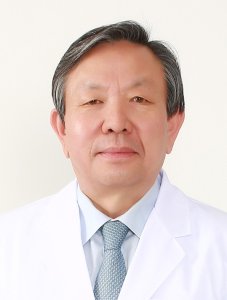
Byung Hee Oh
Professor Byung-Hee Oh specializes in complex cardiovascular conditions, including coronary artery disease and heart failure. He brings decades of leadership in cardiology to Incheon Sejong Hospital.
- Graduated from Seoul National University College of Medicine
- Former Professor of Cardiology at Seoul National University
- President of the Korean Society of Cardiology
- Authored hundreds of peer-reviewed publications
Video Stories from Bookimed Patients
Share this content
 Anna Leonova
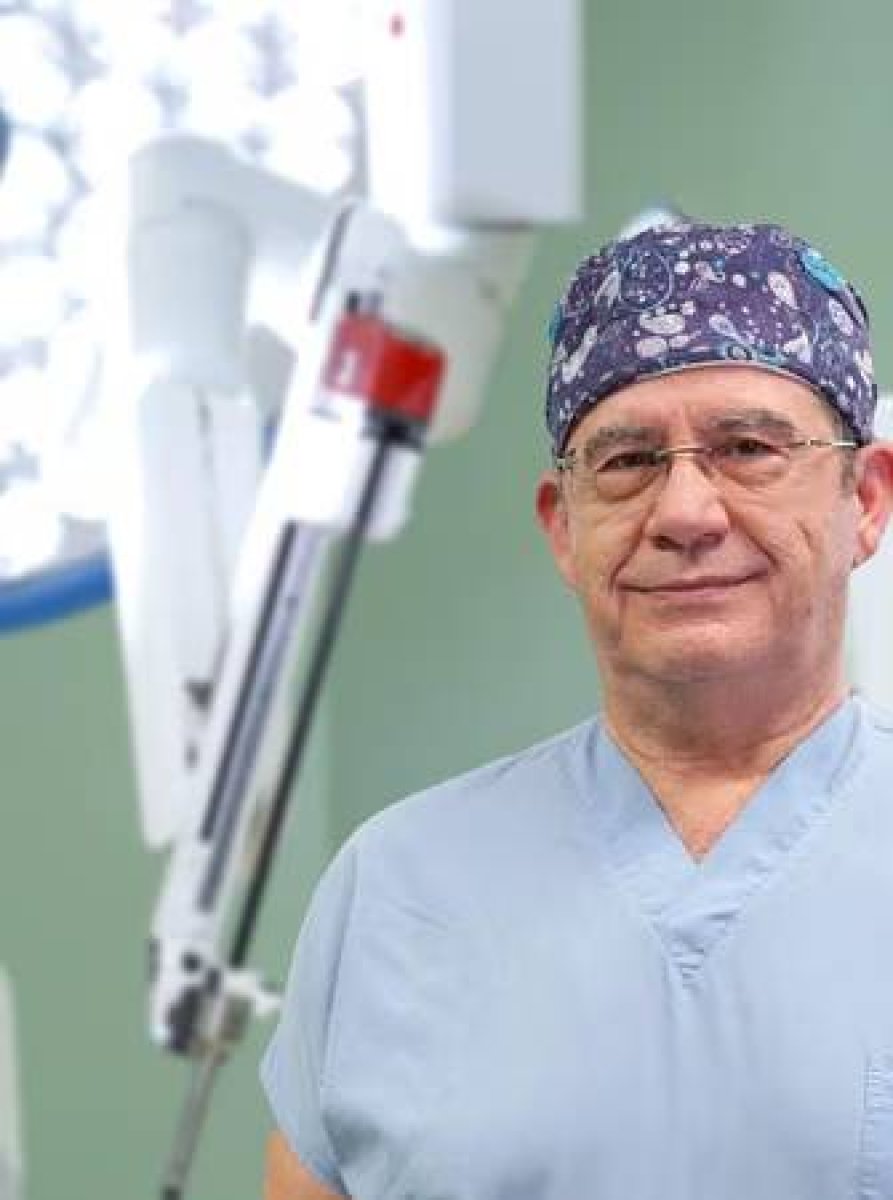
Fast Facts about Carotid Angioplasty and Stenting
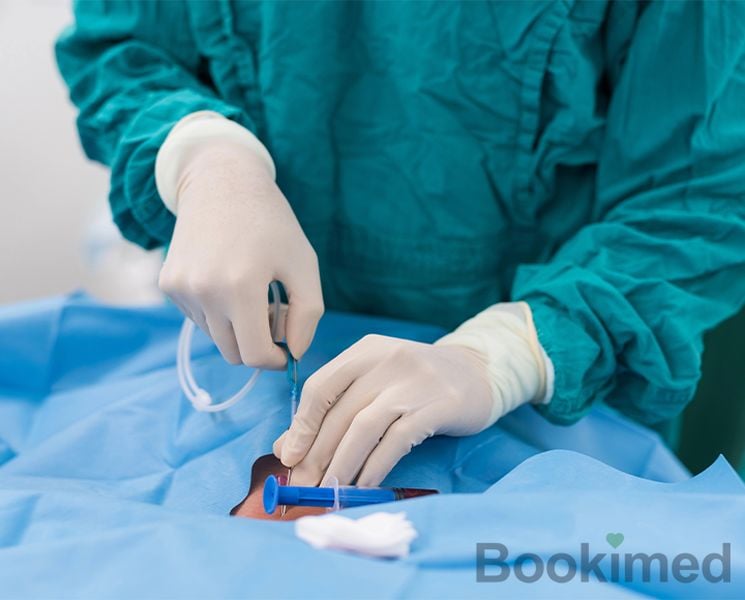
Carotid Angioplasty and Stenting
Carotid Angioplasty and Stenting is a minimally invasive procedure to widen narrowed arteries and improve blood flow to the brain.
FAQ about Carotid Angioplasty and Stenting in Republic of Korea
Do I need a visa to South Korea?
Today, South Korea has visa-free agreements with 112 states. None visa is required for stays under 90 days or less. To stay longer in this country, you need a visa. What states need a visa for treatment in South Korea and what countries can cross the border free and easy read here.
What is the level of medicine in South Korea?
Healthcare is the key development sector of the Korean government. The Korean authorities are convinced that care for the citizens' health should be an absolute priority of state policy and spend about 1 billion a year for medical tourists attraction.
According to Mark Britnell, hospitals dominate the health system. 94% of hospitals are privately owned.
What are the most popular plastic surgery procedures?
According to ASPS statistics, 17.7 mln cosmetic surgeries and 5.8 mln reconstructive procedures have been performed in 2018. Among cosmetic procedures the most popular are:
- breast augmentation
- liposuction
- rhinoplasty (nose job)
- eyelid surgery
- tummy tuck.
Tumor removal, laceration repair, maxillofacial surgery, scar revision, hand surgery are the most common operations in the context of reconstructive surgery.
What documents are required to apply for a visa to South Korea for treatment?
Visas for travel to South Korea require a number of documents. The necessary papers can be submitted 90 days before the planned departure. Lists of documents includes:
- ID card
- confirmation of online registration and filling out the questionnaire
- certificate of income and availability of funds
- insurance policy for a stay in South Korea (original and copy)
- 2 photos (5x6)
- visa receipt
- booking of flight and hotel
- medical opinion about the need for treatment.
What should you know about South Korea before the trip?
Currency | South Korean Won (you also can pay for services in dollars) |
Best period for the trip | April, May & June or September, October & November. |
Language | Korean (most of medical staff speaks English fluently) |
Visa | none required for stays under 90 days or less |
Time difference with Europe | 9 hours |
Time difference with the USA | 9 hours |
Capital | Seoul |
Medical tourism center | Seoul |
Popular resorts | Gangwon-do, Gyeongju, Boseong, Jeju |
What hotel services are provided here?
In South Korea, hotels of different price ranges and service levels are presented. Most tourists choose 4 and 5 star hotels with all-inclusive meals. Such hotels have everything for a comfortable stay: varied food, a large well-groomed territory, animation for children and adults. Some hotels have their own water park, which guests can use for free. Budget travelers can afford to book an economical 3-star hotel with half board or no meals at all.