Chin implant surgery in the Republic of Korea typically costs from $2,500 to $4,500. Total costs depend on the implant material, the surgeon expertise, and the clinic location within Seoul. In the United States, patients pay around $6,500 on average, while South Korea offers savings of approximately 46%. Standard inclusions often feature 3D CT scans, anesthesia, and post-operative medication kits.
Bookimed Expert Insight: Choosing a specialized center like JK Plastic Surgery offers exceptional value for international patients. While their rates start around $4,950, they provide full-service coordination for medical tourists. This includes high-tech 3D imaging and specialized staff. For high-volume precision, clinics like VG Plastic Surgery perform over 1,000 procedures annually. This level of experience often ensures superior aesthetic outcomes.
| Republic of Korea | Turkey | The USA | |
| Chin implant | from $2,500 | from $2,624 | from $5,000 |
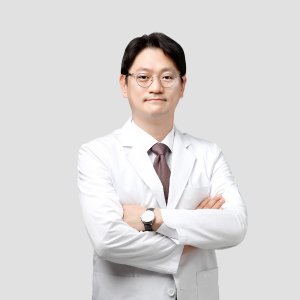
Dr. Kim is a board-certified plastic surgeon who achieved the highest score on the residency exam by the Korean Society of Plastic and Reconstructive Surgeons.
Board-certified plastic surgeon specializing in facial contouring, including chin implants, at VG Plastic Surgery.
Dr. Seung-Hyung Noh specializes in revision surgery for aesthetic procedures, balancing precision with natural-looking outcomes.
Specializes in orthognathic contouring and maxillofacial surgery – Dr. Park brings precision to chin implants at Wonjin Plastic Surgery Clinic.
Chin implant surgery in the Republic of Korea is exceptionally safe for international patients due to rigorous national accreditation and high surgical volumes. Facilities like VG Plastic Surgery and JK Plastic Surgery Center adhere to KOIHA and KAHF standards, ensuring international safety protocols and sterile environments for thousands of medical tourists annually.
Bookimed Expert Insight: High-volume centers like JK Plastic Surgery Center report a 100% success rate across 85,000 procedures. Data shows that choosing a KAHF-designated clinic is a smarter safety move than chasing low prices. These government-vetted facilities prioritize international patient protocols, which often results in lower complication rates than general local clinics.
Patient Consensus: Patients frequently praise the clinical hygiene and sterility, noting that operating rooms feel cleaner than those at home. Many survivors recommend arriving 3–4 days early to rest, as reducing travel fatigue helps minimize initial swelling and placement errors.
Chin implant results in South Korea are considered permanent because the medical-grade silicone or PEEK material does not dissolve or degrade. While the implant itself lasts a lifetime, shifts in position or natural bone resorption can occasionally occur, requiring specialized surgical monitoring.
Bookimed Expert Insight: While many clinics market these as permanent, our data shows a trend toward PEEK implants at specialized centers like Wonjin Plastic Surgery Clinic. These offer superior stability over silicone because they are often custom-fitted to the bone, significantly reducing long-term migration risks.
Patient Consensus: Patients value the lasting results but emphasize that permanent does not mean maintenance-free. Many suggest choosing surgeons who provide clear imaging follow-ups at 1, 3, and 5 years to monitor for any subtle shifting.
Surgeons in South Korea perform chin augmentation using specialized implants placed through small incisions inside the mouth or under the chin. The procedure involves creating a precise pocket between the jawbone and soft tissue to secure biocompatible silicone or Gore-Tex materials.
Bookimed Expert Insight: South Korean clinics like JK Plastic Surgery Center leverage massive case volumes, with over 85,000 procedures performed. This high repetition allows surgeons to master 3D pre-op simulations. These digital maps ensure the 6–10mm implant thickness perfectly matches your unique bone structure before the first incision.
Patient Consensus: Expect significant swelling for the first 5 days and prepare for a liquid diet. Patients emphasize that while results look overly projected initially, the natural contour emerges after 3 months.
Chin implant recovery in South Korea typically allows patients to return to work within 7 days. While major swelling and bruising subside in 2 weeks, internal healing and implant settling continue for 3 to 6 months. Precise techniques from board-certified surgeons in Seoul ensure minimal scarring.
Bookimed Expert Insight: South Korea handles a massive volume of facial contouring, with clinics like JK Plastic Surgery Center performing over 85,000 procedures. This high repetition leads to extremely refined surgical paths. Surgeons often use smaller, hidden incisions that reduce the typical 14-day recovery seen elsewhere to just 10 days for international travelers.
Patient Consensus: Many patients describe the sensation as intense tightness or numbness rather than sharp pain. Consistency with compression garments during the first 3 days is praised for cutting swelling time in half.
Patients in South Korea frequently combine chin implants with other facial contouring procedures to achieve balanced proportions. Surgeons often pair implants with rhinoplasty or V-line jaw surgery to harmonize the profile. This consolidated approach typically requires general anesthesia and a 1-day hospital stay for monitoring.
Bookimed Expert Insight: Data from Seoul clinics like JK Plastic Surgery Center shows a high success rate when combining bone repositioning with implants. Surgeons here often use 3D simulation to prevent the common pitfall of mismatched healing. Choosing a specialist like Dr. Park Jong Chul at Wonjin, who holds a Ph.D. in Maxillofacial Surgery, ensures your bite alignment is protected during complex combination surgeries.
Patient Consensus: Many patients suggest getting a professional bite analysis before committing to combined jaw and chin work. Those who paired chin procedures with rhinoplasty reported much higher satisfaction with their final profile harmony.
After a chin implant in South Korea, you must avoid strenuous activities, smoking, and using straws for at least 2 to 4 weeks. These restrictions prevent implant displacement and reduce infection risks. Patients should also skip hard foods, high-impact exercise, and sleeping on their stomach during the initial healing phase.
Bookimed Expert Insight: While many global clinics suggest 1 night of rest, top-tier Seoul centers like JK Plastic Surgery Center often emphasize an extended monitoring period. Their 100% success record stems from strict adherence to post-op `no-lists` that specifically ban neck-straining activities like frequent phone usage. This attention to detail in South Korea's high-volume clinics significantly lowers the risk of asymmetrical healing or late-stage shifting.
Patient Consensus: Many patients suggest setting phone reminders to avoid accidental face touching or using straws. Successful recoverees highlight that sticking strictly to the provided soft meal plans is the hardest but most vital part of the first week.
Patients undergoing a chin implant in the Republic of Korea must follow strict dietary restrictions to ensure proper healing and avoid shifting the implant. A liquid-only diet is required for the first 7 to 14 days, followed by a gradual transition to soft foods like congee or yogurt.
Bookimed Expert Insight: Korean clinics like VG Plastic Surgery and JK Plastic Surgery Center follow stricter post-op protocols than Western facilities. While US surgeons may allow soft solids by day 5, Seoul specialists often mandate 14 full days of liquids. This rigorous approach contributes to the high success rates seen across the 85,000+ procedures performed at top-tier Gangnam centers.
Patient Consensus: Many patients recommend stocking up on a blender and meal replacement shakes before surgery. They suggest using Korean congee as a comforting, compliant transition food once soft solids are permitted.
South Korean clinics specialise in high-density silicone and customised anatomically shaped implants to achieve the V-line facial profile. Surgeons use internal mouth incisions for scarless results. Materials include solid silicone for easy removal, Gore-Tex for bone preservation, and tissue-integrating Medpor to prevent implant shifting.
Bookimed Expert Insight: While silicone is the standard, 3D-CT diagnostics at clinics like AB Plastic Surgery allow specialists to create bespoke chin-jaw units. These one-piece custom implants provide far better aesthetic balance than standard pre-formed blocks. They are especially helpful for patients with weak jawlines.
Patient Consensus: Many patients choose implants over bone-cutting genioplasty in Seoul. This is because the 15-minute surgical time is much quicker. They appreciate the internal mouth incisions that leave no visible scars. They also appreciate the self-dissolving stitches.
South Korea is a premier destination for chin augmentation. This is due to its high concentration of board-certified specialists and 3D imaging technology. Clinics in Seoul perform thousands of facial contouring procedures every year. They offer chin implants from $2,500 to $4,500 with significant savings compared to Australia.
Bookimed Expert Insight: Many large hospitals handle massive patient volumes. However, smaller specialist clinics in Seoul often offer higher continuity of care. At SAERO Plastic Surgery, a single specialist oversees every stage of the procedure. This is particularly valuable for Australian patients. They seek personalised surgical planning rather than a high-turnover environment.
Patient Consensus: Patients in the Republic of Korea highlight the importance of physical facial marking during consultations. This helps achieve natural projection. Many find that combining implants with rhinoplasty creates a more balanced profile. This also provides a permanent solution for a weak chin.
International patients could previously claim a 10% VAT refund on cosmetic procedures in South Korea. However, the government program effectively ends on 1 January 2026. This change affects surgeries like chin implants. It applies to major plastic surgery centres and aesthetics clinics across Seoul.
Bookimed Expert Insight: The tax refund program ends, but high-volume clinics like AB Plastic Surgery often maintain competitive pricing through bundled packages. This clinic treats 24,000+ patients annually. Patients should look for inclusions like airport transfers or hotel assistance. This helps recoup the 10% value loss.
Patient Consensus: Patients visiting South Korea find that simple clinic-led discounts often replace complex tax paperwork. The process is straightforward. It avoids long queues at airport kiosks before flying home to Australia.