Course of Treatment with Own Stem Cells in Republic of Korea — Get 3 Top Clinic Matches with Costs


Medically reviewed by
Fahad Mawlood
How Much Does Course of treatment with own stem cells Cost in Republic of Korea?
| Republic of Korea | Turkey | The USA | |
|---|---|---|---|
| Course of treatment with own stem cells | from $12,400 | ≈ $4,500 | ≈ $6,500 |
Your Benefits and Guarantees with Bookimed
Transparent Prices & Flexible Installments
No hidden fees – just official clinic prices. Pay at the clinic for Course of treatment with own stem cells upon arrival and use a flexible installment plan if needed.
Verified Clinics & Doctors Only
Bookimed is committed to your safety. We only work with medical institutions that maintain high international standards in Course of treatment with own stem cells and have the necessary licenses to serve international patients worldwide.
Free 24/7 Assistance
Bookimed offers free expert assistance. A personal medical coordinator supports you before, during, and after your treatment, solving any issues. You're never alone on your Course of treatment with own stem cells journey.

Your personal Bookimed medical coordinator
- Supports you at every stage
- Helps choose the right clinic and doctor
- Ensures quick and convenient access to information
Discover the Best Course of treatment with own stem cells Clinics in Republic of Korea: 7 Verified Options and Prices

Banobagi Clinic

RE:YOUTH (YONSEI BH Arterial Stemcell Clinic)
Byung-hee Lee


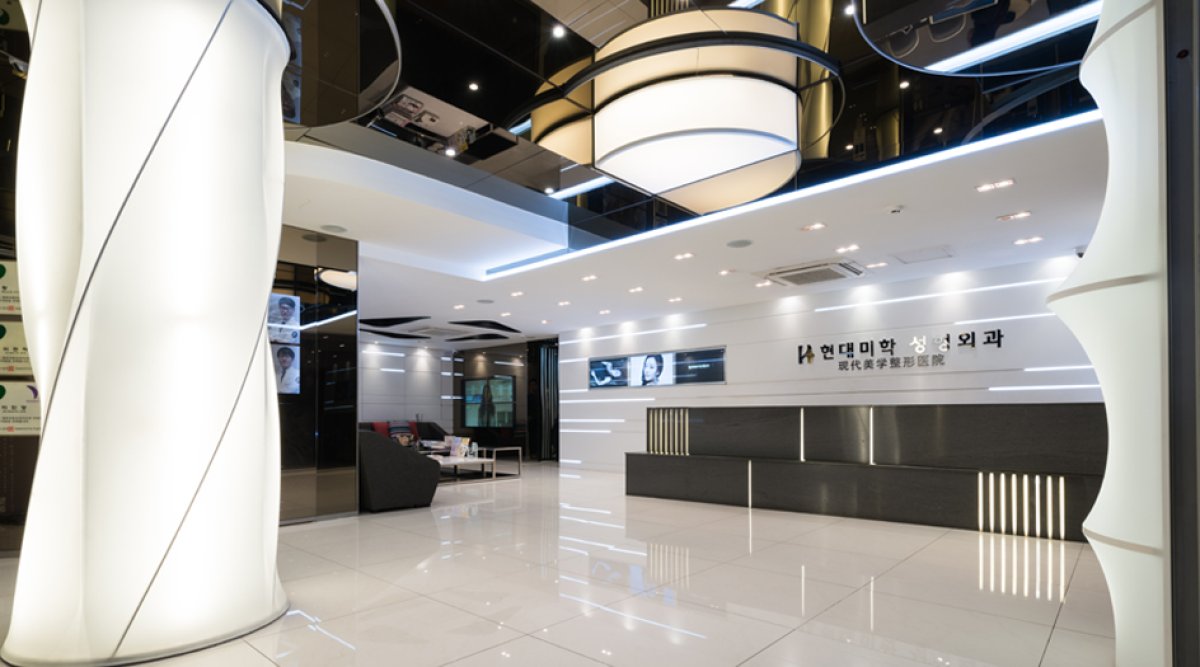
Hyundai Aesthetic Surgery Clinic (Hyundai Mihak Plastic Surgery / 현대미학성형외과, 현대로미학성형외과)
Course of treatment with own stem cells Overview in Republic of Korea
- Stem Cell Therapy - from $3,500This therapy is a treatment using body cells to repair damaged tissues. It"s efficient, safe, and versatile.
- Stem cell therapy for arthritis - from $8,000This therapy uses one"s cells to repair damaged joints, reducing pain and inflammation associated with arthritis.
- Stem cell therapy for Parkinson's disease - from $33,000This therapy uses body-maintained cells to slow Parkinson"s disease progression, enhancing brain function and activity.
- Stem cell therapy for knees - from $7,000This therapy draws on self-healing potential, injecting harvested cells into knee joints to repair damaged cartilage.
- Course of treatment with own stem cells - from $12,400This therapy uses your stem cells to repair damaged cells and tissues, improving your health.
Day 1
- Arrive in the country and transfer to the hotel.
- Rest and acclimate to the new environment.
Day 2
- Transfer from the hotel to the clinic.
- Consultation with the medical specialist about your condition.
- Perform necessary medical tests for the treatment.
Day 3
- Undergo additional procedures if required by the specialist.
- Prepare for the stem cell treatment.
Day 4
- Start the course of treatment with own stem cells.
- The process lasts a few hours under local anesthesia.
- After the procedure, rest in the individual chamber.
Day 5-7
- Monitor the condition post-operation at the clinic.
- Stay in the clinic for a minimum of three days post-operation.
Week 2-6
- Begin rehabilitation if needed.
- Gradually return to work and light activities by week 4.
Week 7
- Resume regular activities and sports.
- See the final result of the treatment.
Please note that each case is individual and the timeline may vary depending on the patient"s condition and the specialist"s recommendations.
- Bookimed deposit: $200 or €200.
- Clinic deposit: Pay a set percentage in advance.
Our Trusted Doctors
View all Doctors
Jung Young Choon
Dr. Jung Young Choon holds patents for adipose-derived stem cell growth factor production – a leader in regenerative medicine at HERSHE Plastic Surgery Korea.
- Board-certified plastic surgeon with decades of experience
- Specializes in stem cell-based anti-aging and regenerative procedures
- Founder and head surgeon of HERSHE Plastic Surgery Korea
- Former professor at Yonsei University Medical School
- Full member of the American Society of Plastic Surgeons
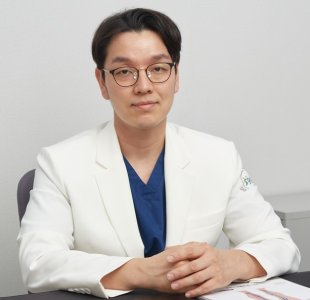
Nageonyoub

Choi Sang Rok
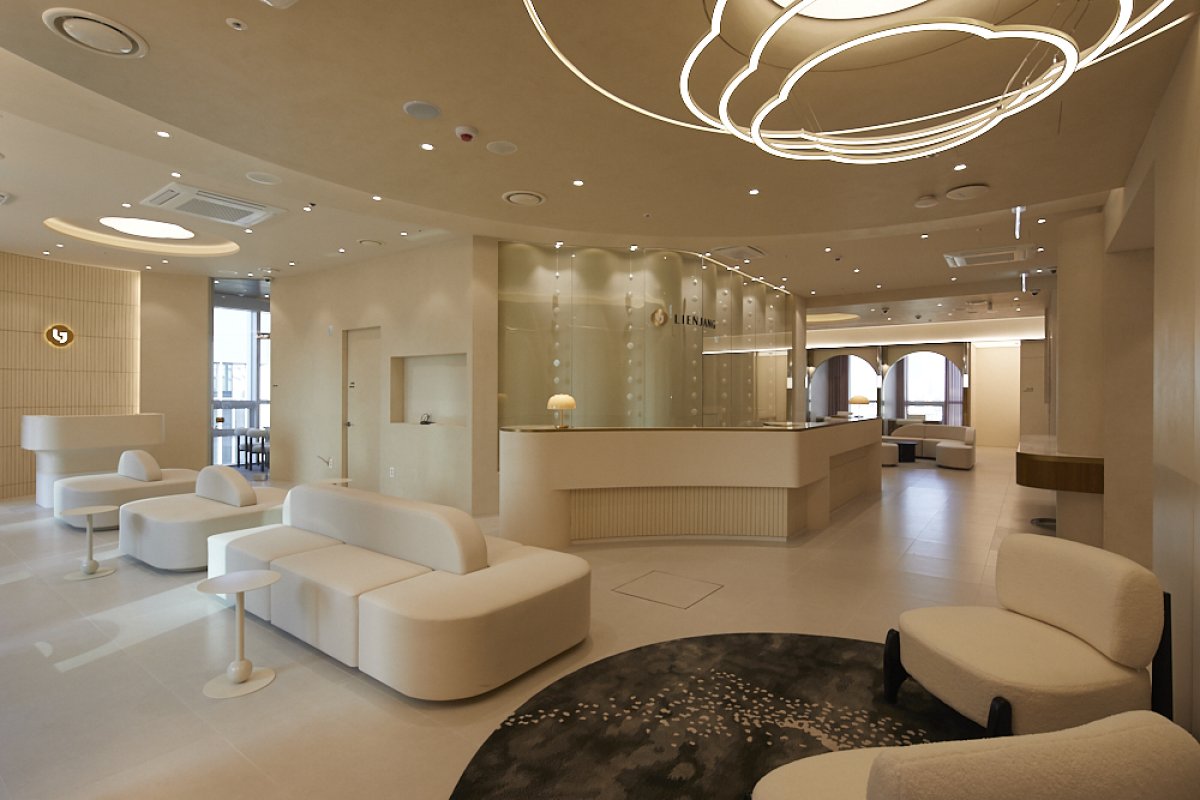
Choi Sang Rok — plastic surgeon, Lienjang.
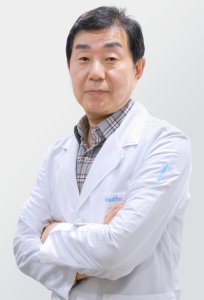
Jang Hyo Kim
Dr. Jang Hyo Kim is an orthopedic surgeon at Leadheal Hospital in Seoul. He specializes in joint preservation and complex reconstruction. He completed a fellowship in Ilizarov external fixation surgery in Russia. Dr. Kim currently serves as the Joint Center Director at Very Good Hospital. He is an adjunct professor at Kyung Hee University.
- Performs arthroscopy and replacement for the shoulder, knee, and hip.
- Treats spinal conditions using instrumentation, fusion, and discectomy.
- Holds TPI therapy certification for muscle and joint pain management.
- Full member of the Korean Orthopaedic Association and the Korean Hip Society.
Video Stories from Bookimed Patients
Reviews about Bookimed: Discover Patients' Insights
All reviewsShare this content
 Anna Leonova

FAQ about Course of treatment with own stem cells in Republic of Korea
Is stem cell therapy using my own cells legal in South Korea?
Stem cell therapy using your own cells is legal in South Korea when performed at institutions accredited by the Ministry of Health and Welfare. Regulations permit autologous treatments, including bone marrow and adipose-derived procedures, for regenerative aesthetics, orthopedic care, and serious medical conditions.
- Regulatory oversight: The Ministry of Food and Drug Safety governs all cell processing protocols.
- Accredited facilities: Clinics like NAEUN Hospital hold specific designations for advanced regenerative medicine.
- Permitted sources: Legal procedures utilize autologous cells harvested from fat, blood, or bone marrow.
- Advanced therapies: The Regenerative Bio Act allows specialized treatments for rare or incurable diseases.
Bookimed Expert Insight: While many clinics offer stem cell aesthetics, specialized centers provide unique delivery methods. RE:YOUTH is currently the only facility in Korea offering arterial stem cell therapy. Patients seeking high-level regenerative care should prioritize clinics with government-approved on-site labs for cell separation.
Patient Consensus: Patients emphasize verifying a clinic's Ministry accreditation before booking. Many note that Cartistem is a widely recognized, legal option for treating knee cartilage issues effectively.
Are stem cells allowed to be cultured or multiplied in a lab in Korea?
Stem cell culture and multiplication are permitted in South Korea under strict regulations governed by the Advanced Regenerative Bio Act. While medical facilities can expand autologous mesenchymal stem cells for therapeutic use in clinical research, routine cosmetic and wellness procedures generally utilize non-cultured cells.
- Legal framework: Ministry of Food and Drug Safety (MFDS) regulates all laboratory cell expansion protocols.
- Clinical research: Only government-designated institutions like NAEUN HOSPITAL may conduct advanced regenerative medical research.
- Lab standards: All culturing must occur within certified Good Manufacturing Practice (GMP) laboratory environments.
- Cell types: Autologous adipose-derived, bone marrow, and dermal papilla cells are common regenerative approaches.
Bookimed Expert Insight: The regulatory landscape in Korea is shifting toward greater accessibility. Starting in 2025, updated laws will allow more regenerative treatments outside of clinical trials. Currently, high-end facilities like Banobagi Clinic utilize dedicated on-site labs to ensure cell viability, which is a critical quality indicator for patients traveling to Seoul for treatment.
Patient Consensus: Patients emphasize verifying if a clinic uses processed versus expanded cells. Most recommend sticking to autologous treatments, such as your own blood or fat, to ensure safety and legal compliance under current Korean health laws.
What is the difference between blood-derived (HSC) and fat-derived (SVF) treatments?
Blood-derived hematopoietic stem cells (HSC) originate from bone marrow or peripheral blood to treat immune and blood conditions. Fat-derived stromal vascular fraction (SVF) comes from adipose tissue via liposuction, offering a cell-rich mixture for orthopedics, anti-aging, and regenerative aesthetics in South Korea.
- Cellular source: HSCs come from blood or marrow; SVF utilizes subcutaneous adipose tissue.
- Extraction method: Blood treatments use simple draws; SVF requires mini-liposuction and enzymatic digestion.
- Primary function: HSCs focus on immune recovery; SVF promotes angiogenesis and tissue matrix repair.
- Clinical application: Korea uses SVF for advanced degenerative joint diseases and aesthetic remodeling.
Bookimed Expert Insight: While many clinics offer blood-based treatments, specialized Korean centers like JK Plastic Surgery and Banobagi use on-site labs to extract true SVF. This fat-derived fraction yields significantly higher cell counts than standard blood draws. Patients seeking regenerative outcomes often prefer SVF for its superior anti-inflammatory signaling properties.
Patient Consensus: Patients note that while SVF requires a more invasive liposuction step, the cellular density feels more effective for pain. Many warn to clarify if a blood treatment is basic PRP or true hematopoietic cell therapy before booking.
How long does the procedure take and is there downtime?
Stem cell procedures in the Republic of Korea typically require 1 to 2 hours of clinic time under local anesthesia or light sedation. Most patients experience minimal downtime, with visible redness or swelling generally resolving within 1 to 4 days, allowing a quick return to normal activities.
- Clinic duration: Most sessions require 1 to 2 hours including preparation and extraction.
- Initial recovery: Redness and swelling typically subside significantly within 1 to 4 days.
- Activity restrictions: Patients should avoid alcohol, smoking, and strenuous exercise for 7 days.
- Travel planning: A 3 to 7 day buffer is recommended before long-haul flights home.
Bookimed Expert Insight: While South Korea ranks 4th globally for these procedures, the real differentiator is specialized infrastructure. Banobagi Clinic operates its own dedicated on-site lab for stem cell separation, which significantly reduces contamination risks and ensures higher cell viability compared to clinics that outsource their processing.
Patient Consensus: Many patients find that zero downtime is a marketing term and advise planning for 3 days of social downtime. Scheduling the procedure early in your trip helps manage minor bruising before returning home.
When can I expect to see results?
Patients typically observe initial improvements within 2 to 6 weeks, though significant regenerative results appear between 3 and 6 months. This timeline accounts for the biological process of tissue repair and cellular signaling essential for anti-aging, orthopedic, or hair restoration goals in South Korea.
- Initial changes: Improvements in skin texture and hydration often appear within 2–6 weeks.
- Peak regenerative window: Meaningful outcomes for joint or tissue repair peak at 3–6 months.
- Long-term progression: Some cellular improvements may continue developing for up to 8 months.
- Evaluation checkpoint: The 3-month mark serves as the standard period for early clinical assessment.
Bookimed Expert Insight: While many clinics offer adipose-derived stem cells, RE:YOUTH in Cheonan provides unique arterial infusion for deeper systemic results. Data shows that clinics like JK Plastic Surgery Center focus on government-approved cosmetic protocols where results appear as subtle refinements rather than sudden changes.
Patient Consensus: Patients emphasize not overreacting to a lack of immediate change or temporary swelling during the first few weeks. Most report that the final verdict on the treatment's success is best determined at the 6-month mark.