Da Vinci Sacrohysteropexy for Uterine Prolapse in Republic of Korea — get 3 personalized clinic matches
A da vinci sacrohysteropexy for uterine prolapse in the Republic of Korea costs $10,000 to $13,500, about 66% less than the US average of $35,000 (Bookimed data, November 2026). It is offered by Seoul Miz Hospital.

Medically reviewed by
Esra Cabuk Comert
How it works
How Much Does Da Vinci Sacrohysteropexy for Uterine Prolapse Cost in Republic of Korea?
Da vinci sacrohysteropexy for uterine prolapse in the Republic of Korea typically costs from $10,000 to $13,500. The final price depends on the hospital tier, surgeon experience, and specific graft materials used. In the US, this procedure costs $35,000 on average. South Korean medical centers in Seoul and Incheon generally include pre-operative diagnostics, the robotic procedure, and inpatient hospital stays in their clinical estimates.
- Hospital tier. Prices at university-affiliated centers in Seoul are typically 15–20% higher than general hospitals.
- Robotic system type. Use of the latest Da Vinci SP (single-port) system often carries a premium over standard multi-port robotic setups.
- Surgical complexity. The degree of uterine prolapse and need for concomitant procedures like stress urinary incontinence repair influence costs.
- International patient services. Premium clinics often bundle multilingual coordination and airport transfers into their surgical quotes.
Bookimed Expert Insight. Specialist centers like Seoul Miz Hospital handle over 200,000 patients annually and offer advanced robotic gynecological care. Their multi-tier pricing typically ranges from approximately $10,000 to $18,000 for complex robotic cases. Patients benefit from surgeons like Dr. Doyoung Jeong, who holds patents for single-port surgical devices. This technical expertise in Seoul allows for highly precise uterine preservation without the higher overhead costs found in North American facilities.
| Republic of Korea | Turkey | Austria | |
|---|---|---|---|
| Da Vinci Sacrohysteropexy for Uterine Prolapse | from $10,000 | from $17,000 | ≈ $10,500 |
Discover the Best Da Vinci Sacrohysteropexy for Uterine Prolapse Clinics in Republic of Korea: 2 Verified Options and Prices



Da Vinci Sacrohysteropexy for Uterine Prolapse Overview in Republic of Korea
- Bookimed deposit: $200 or €200.
- Clinic deposit: Pay a set percentage in advance.
Our Doctors
View all Doctors
Yeoun E Park
Adjunct professor at multiple prestigious universities – Dr. Park leads gynecological care at Seoul Miz Hospital.
- Specialist in obstetrics and gynecology with broad expertise
- Chief Medical Officer at Seoul Miz Hospital
- Member of Korean Society of Obstetrics and Gynecology

Heeseok Kang
Dr. Kang specializes in minimally invasive gynecologic surgeries, including Da Vinci Sacrohysteropexy, with extensive experience at Samsung Medical Center.
- Adjunct Professor at Samsung Medical Center
- Published multiple studies on laparoscopic and robotic gynecologic surgeries
- Recipient of Outstanding Thesis Award from Korean Society of Gynecologic Oncology
- Expert for NAVER KnowledgeiN

Na Young Bae
Na Young Bae specializes in minimally invasive gynecological procedures, including Da Vinci Sacrohysteropexy, at Seoul Miz Hospital. Her expertise combines robotic surgery with a focus on preserving uterine integrity.
- Trained at Korea University Medical Center and UC Berkeley
- Member of Korean Society of Gynecologic Endoscopy
- Expert in both laparoscopic and robotic surgical techniques
- Special focus on uterine preservation during prolapse repair
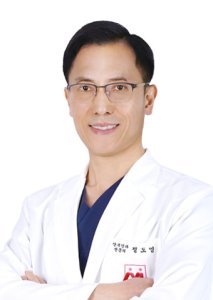
Doyoung Jeong
Dr. Doyoung Jeong is an obstetrician-gynecologist at Seoul Miz Hospital. He specializes in single-port robotic and minimally invasive surgery for uterine and ovarian diseases. Dr. Jeong holds multiple patents for specialized single-port surgical devices. He is a full member of the International Society of Ultrasound in Obstetrics and Gynecology.
- Served as Director and Chief Medical Officer at Incheon Sejong Hospital.
- Former Vice President at Dongtan Jeil Hospital.
- Clinical Professor at Kyung Hee University Hospital and Adjunct Professor at Korea University.
- Acts as a clinical medical device expert for the Ministry of Food and Drug Safety.
Video Stories from Bookimed Patients
Reviews about Bookimed: Discover Patients' Insights
All reviewsShare this content
 Anna Leonova
FAQ about Da Vinci Sacrohysteropexy for Uterine Prolapse in Republic of Korea
Do I need a visa to South Korea?
Today, South Korea has visa-free agreements with 112 states. None visa is required for stays under 90 days or less. To stay longer in this country, you need a visa. What states need a visa for treatment in South Korea and what countries can cross the border free and easy read here.
What is the level of medicine in South Korea?
Healthcare is the key development sector of the Korean government. The Korean authorities are convinced that care for the citizens' health should be an absolute priority of state policy and spend about 1 billion a year for medical tourists attraction.
According to Mark Britnell, hospitals dominate the health system. 94% of hospitals are privately owned.
What are the most popular plastic surgery procedures?
According to ASPS statistics, 17.7 mln cosmetic surgeries and 5.8 mln reconstructive procedures have been performed in 2018. Among cosmetic procedures the most popular are:
- breast augmentation
- liposuction
- rhinoplasty (nose job)
- eyelid surgery
- tummy tuck.
Tumor removal, laceration repair, maxillofacial surgery, scar revision, hand surgery are the most common operations in the context of reconstructive surgery.
What documents are required to apply for a visa to South Korea for treatment?
Visas for travel to South Korea require a number of documents. The necessary papers can be submitted 90 days before the planned departure. Lists of documents includes:
- ID card
- confirmation of online registration and filling out the questionnaire
- certificate of income and availability of funds
- insurance policy for a stay in South Korea (original and copy)
- 2 photos (5x6)
- visa receipt
- booking of flight and hotel
- medical opinion about the need for treatment.
What should you know about South Korea before the trip?
Currency | South Korean Won (you also can pay for services in dollars) |
Best period for the trip | April, May & June or September, October & November. |
Language | Korean (most of medical staff speaks English fluently) |
Visa | none required for stays under 90 days or less |
Time difference with Europe | 9 hours |
Time difference with the USA | 9 hours |
Capital | Seoul |
Medical tourism center | Seoul |
Popular resorts | Gangwon-do, Gyeongju, Boseong, Jeju |
What hotel services are provided here?
In South Korea, hotels of different price ranges and service levels are presented. Most tourists choose 4 and 5 star hotels with all-inclusive meals. Such hotels have everything for a comfortable stay: varied food, a large well-groomed territory, animation for children and adults. Some hotels have their own water park, which guests can use for free. Budget travelers can afford to book an economical 3-star hotel with half board or no meals at all.