To homepage
4.6/5
TrustPilot

How it works

We've transformed the clinic search process, making it simple, fast, and personal.
Answer a few questionsTake a short quiz to share your Deep Plane Facelift goals.
Get personalized offers3 clinics, handpicked based on your answers, provide tailored treatment plans and quotes.
Choose the best optionCompare offers and choose the clinic that suits you best.
You can also browse all 11 clinics below.
820К+ patients have got assistance since 2014
50 countries
1,500 clinics
6K+ reviews
3K+ qualified doctors

How Much Does Deep Plane Facelift Cost in Republic of Korea?

A deep plane facelift in the Republic of Korea typically costs from $4,400 to $18,500. Final pricing depends on surgeon expertise, clinic location in Seoul, and if the procedure includes a neck lift. Patients save approximately 66% compared to the US, where the average cost is $34,000. Packages often include preoperative tests, post-operative laser deswelling treatments, and multilingual support services.

  • Surgeon expertise: Pricing increases for board-certified specialists with over 20 years of experience.
  • Revision surgery: Complex cases or secondary lifts typically add 50-70% to the base cost.
  • SMAS technique: Standard SMAS-based procedures generally cost less than the advanced deep plane approach.
  • Clinic location: Facilities in Seoul districts like Gangnam often command higher fees than regional centers.
  • Combined procedures: Adding fat grafting or eyelid surgery increases the total package price significantly.

Bookimed Expert Insight: High-value deals exist for patients looking beyond brand-name clinics. For instance, Dr. Tak Plastic Surgery offers packages around $4,400 with surgeons who have performed 900+ procedures. Conversely, HERSHE Plastic Surgery Korea provides premium options around $10,700, including VIP transfers and specialized hair care. Looking for clinics with KOIHA accreditation ensures high safety standards without always paying a premium price.

Republic of KoreaTurkeyThe USA
Deep Plane Faceliftfrom $4,375from $5,800from $21,500
Data verified by Bookimed as of April 2026, based on patient requests and official quotes from 96 clinics worldwide. Median costs are based on real invoices (2025–2026) and updated monthly. Actual prices may vary.

Deep Plane Facelift Packages in Republic of Korea — April 2026

Procedure type
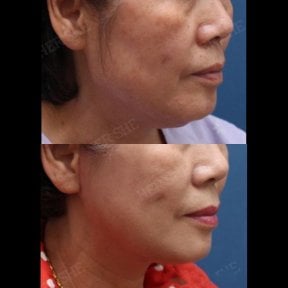
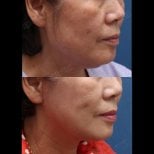
Facelift before and after results at HERSHE Plastic Surgery Korea, visible facial rejuvenation
41 years of experience

Deep Plane Facelift with SMAS — Former President of Minimally Invasive Surgery Society

Dr. Jung Young Choon has performed 900+ facelift procedures with 41 years of experience of experience in natural-looking facial rejuvenation. A MACS lift with fat grafting may cost around $5,670–8,920, typically including Epiticon® threads, fat transfer, and post-op care. The board-certified plastic surgeon is former president of the International Society for Minimally Invasive Plastic Surgery. HERSHE Clinic specializes in facelifts with a 93.7% success rate and offers comprehensive packages with transfers.

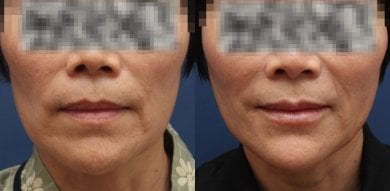
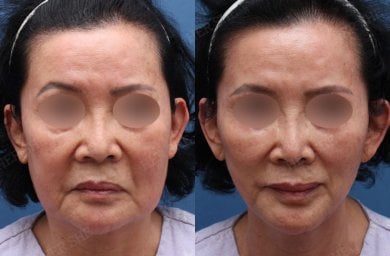
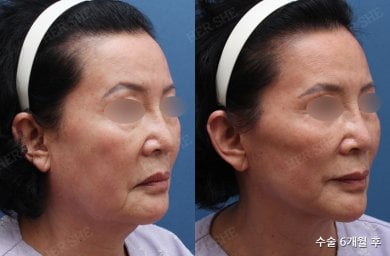
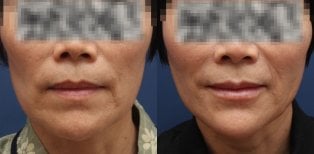
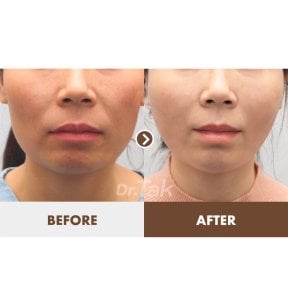
Facelift before and after results at Dr. Tak Plastic Surgery, visible facial rejuvenation
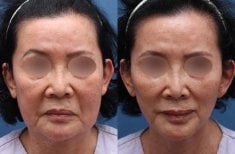
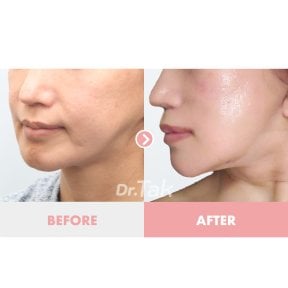
Facelift before and after results at Dr. Tak Plastic Surgery, visible jawline and skin tightening
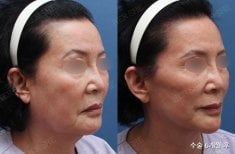
Facelift before and after results at Dr. Tak Plastic Surgery, visible facial contour improvement
14 years of experience

Deep Plane & SMAS Facelift by Surgeon with 900+ Procedures Performed

Dr. Tak Seung Wan has performed 900+ facelift procedures over 14 years of experience, specializing in advanced Korean techniques. The Secret facelift may cost around $3,300–$8,700, typically covering the surgery, pre-op tests, post-op care, medications, and follow-up visits. As a board-certified plastic surgeon, Dr. Tak holds memberships with leading Korean plastic surgery associations. The clinic is accredited by the Korean Institute for Healthcare Accreditation.

Discover the Best Deep Plane Facelift Clinics in Republic of Korea: 11 Verified Options and Prices

The Bookimed clinic ranking is based on data science algorithms, providing a trusted, transparent, and objective comparison. It takes into account patient demand, review scores (both positive and negative), the frequency of updates to treatment options and prices, response speed, and clinic certifications.
VG Plastic Surgery
SAERO Plastic Surgery
Returning Plastic Surgery
JK Plastic Surgery Center
RNWOOD Plastic Surgery
You’ve viewed 5 of 11 clinics

Deep Plane Facelift in Republic of Korea: Your Travel Plan

Day 1: Arrival in Republic of Korea
  • You arrive at the airport in the Republic of Korea. Ensure you have all necessary documents, including your passport and visa if required.
  • You check into your pre-arranged accommodation. Rest and adjust to the local time zone.
  • Prepare for your initial consultation by reviewing any questions or concerns you want to discuss with your doctor.
Day 2: Initial Consultation and Pre-operative Assessments
  • You attend your scheduled consultation with the surgeon. Discuss the deep plane facelift procedure, including your specific goals and expectations.
  • Undergo pre-operative assessments. These may include blood tests and a thorough body check-up to ensure you are fit for surgery.
  • Discuss additional procedures like endotine-forehead lifting or lower blepharoplasty if recommended by the surgeon.
  • Confirm the surgery date and pay any required deposits to secure your surgery slot.
Day 3: Pre-surgery Preparation
  • Follow any specific pre-surgery instructions provided by the clinic, such as fasting or avoiding certain medications.
  • Ensure you have arranged for post-operative care, including hiring an overnight caregiver if necessary.
  • Prepare comfortable clothing for your hospital stay and ensure you have all necessary personal items.
Day 4: Surgery Day
  • You arrive at the clinic or hospital at the scheduled time for your deep plane facelift and any additional procedures.
  • Undergo the surgery. It involves a wide-range dissection of the SMAS layer and deeper tissues in the face and neck.
  • Post-surgery, you will be monitored in a recovery room. Expect some initial swelling and discomfort.
  • Stay overnight in the hospital if required. You will have access to necessary medication to manage pain and prevent nausea.
Day 5-7: Initial Recovery
  • Continue resting and follow the post-operative care instructions provided by the clinic.
  • Attend follow-up appointments for wound care and to monitor your recovery progress.
  • Wear any recommended compressive masks or garments to aid in healing and reduce swelling.
  • Monitor for any signs of complications, such as excessive bleeding or infection. Contact the clinic if needed.
Day 8-10: Continued Recovery and Stitch Removal
  • Attend a follow-up appointment for stitch removal, typically around day 10 post-surgery.
  • Begin gentle activities as advised by your doctor. Avoid strenuous exercise or heavy lifting.
  • Continue to follow a healthy diet and stay hydrated to support your body's healing process.
  • Consider additional treatments like botox or Juvelook collagen skin booster if recommended for enhanced results.
Day 11-14: Final Recovery and Departure Preparation
  • Attend any final follow-up appointments to ensure your recovery is on track.
  • Discuss post-operative care instructions for when you return home, including any necessary medications or skincare routines.
  • Prepare for your departure by confirming travel arrangements and ensuring you have all personal belongings.
  • Consider discussing a tax refund program with the clinic to potentially receive a refund on surgery fees.
Day 15: Return Home
  • You check out of your accommodation and travel to the airport for your flight home.
  • Continue to follow post-operative care instructions and keep in contact with the clinic for any follow-up questions or concerns.
  • Schedule any necessary follow-up appointments with a local healthcare provider to monitor your ongoing recovery.

Our Doctors

View all Doctors
verified

Yong Woo Kim

15 years of experience • 1000+ treatments performed

Dr. Yong Woo Kim is a board-certified plastic surgeon specializing in deep plane facelifts, combining precision with natural-looking results.

  • Graduated from Hanyang University College of Medicine
  • Awarded 'Best Resident' by the Korean Society of Plastic and Reconstructive Surgeons
  • Trained at the American Society for Reconstructive Microsurgery
  • Member of multiple prestigious Korean plastic surgery societies
  • Received Best Paper Awards for contributions to plastic and reconstructive surgery
verified

Minhee Ryu

23 years of experience • 1000+ treatments performed

Faculty at Mendelson Advanced Facial Anatomy Course – Dr. Ryu teaches deep plane facelift techniques globally.

  • Board-certified plastic surgeon specializing in facial rejuvenation
  • Lectured and performed live surgeries in over 15 countries
  • Member of ASAPS, ASPS, ISAPS, and KSPRS
  • Developed an 8-point deep plane facelift technique for natural results
verified

Kim Sung Sik

20 years of experience

Dr. Yoon Eul-sik is an experienced Plastic and Reconstructive Surgeon with 35+ years of experience and membership in several prestigious societies, including The Korean Medical Association, Korean Society of Association of Microsurgery, and American Society of Plastic Surgery. He specialises in Plastic Surgery, Cosmetic Surgery, Aesthetic Surgery, Laser Hair Removal, Laser Facial Rejuvenation, Fraxel Lasers, Cosmetic Breast Surgery, and Liposuction.

verified

Im Young Min

20 years of experience
Dr. Young Min Im is a renowned plastic surgeon and chief physician at VG Plastic Surgery Clinic. He has extensive experience in plastic surgery and is a member of the Korean Society of Plastic and Reconstructive Surgeons (KSPRS), Korean Society for Aesthetic Plastic Surgery, and American Society for Aesthetic Plastic Surgery (ASAPS). He specializes in face and body plastic procedures.

Video Stories from Bookimed Patients

Jelena
I'm doing double takes in the mirror. The results are mind-blowing.
Procedure: Facelift
Clinic: Dr. MED
Eleni
Huge thanks to Bookimed and my lovely Turkish host for all the support. I've already recommended your service to my girlfriends!
Procedure: Facelift

Deep Plane Facelift: Before & after photos

View all

Share this content

Updated: 08/05/2025
Authored by
Anna Leonova
Anna Leonova
Head of Content Marketing Team
A certified medical writer with 10+ years of experience, developed Bookimed’s trusted content, backed by a Master’s in Philology and medical expert interviews worldwide.
Fahad Mawlood
Medical Editor & Data Scientist
General practitioner. Winner of 4 scientific awards. Served in Western Asia. Former Team Leader of a medical team supporting Arabic-speaking patients. Now responsible for data processing and medical content accuracy.
Fahad Mawlood Linkedin
This page may feature information relating to various medical conditions, treatments, and healthcare services available in different countries. Please be advised that the content is provided for informational purposes only and should not be construed as medical advice or guidance. Please consult with your doctor or a qualified medical professional before starting or changing medical treatment.

Fast Facts about Deep Plane Facelift

Deep Plane Facelift

A deep plane facelift is a surgical facelift technique focusing on repositioning deeper facial tissues for a natural appearance.

Pros: Delivers long-lasting results by repositioning muscle layers. Achieves more natural outcomes, reducing the need for future procedures by up to 50%.
Cons: More invasive than mini or endoscopic facelifts, resulting in longer recovery and higher risk of complications.
Effectiveness: Offers a 90% patient satisfaction rate with results lasting up to 10-15 years.
Duration: 3-4 hours
Recovery: 2-3 weeks for initial recovery, with full healing in 3-6 months.
Best for: Midface sagging, deep nasolabial folds, and jowls. Ideal for significant facial aging signs.
Prices: View costs of other techniques

FAQ about Deep Plane Facelift in Republic of Korea

These FAQs come from real patients seeking medical assistance through Bookimed. Answers are given by experienced medical coordinators and trusted clinic representatives.

Is nerve damage a significant risk with the deep plane facelift technique?

Permanent nerve damage from a deep plane facelift is extremely rare, occurring in less than 0.1% of cases. While temporary numbness or minor motor weakness affects 1% to 5% of patients, these issues typically resolve within 3 to 12 months as tissues heal.

  • Permanent risk: Studies show permanent motor nerve damage rates as low as 0.03%.
  • Temporary weakness: Minor smile or brow asymmetry affects 1% to 5% of patients.
  • Sensory changes: Temporary numbness is expected but generally fades within 3 to 12 months.
  • Safety comparison: Modern deep plane techniques show injury rates identical to superficial SMAS procedures.

Bookimed Expert Insight: South Korea’s safety profile is driven by extreme surgeon specialization. While generalists exist elsewhere, Seoul experts like Dr. Minhee Ryu at RNWOOD Plastic Surgery focus almost exclusively on deep plane techniques. High-volume specialists with 900+ procedures, such as Dr. Tak Seung Wan, significantly reduce risk through precise anatomical visualization.

Patient Consensus: Patients frequently report temporary numbness around the earlobes or mouth that disappears within 2 months. Most credit high-volume Korean surgeons for the lack of long-term complications and feel the aesthetic results outweigh short-term tingling.

How does a deep plane facelift differ from a traditional SMAS facelift?

A deep plane facelift differs from a traditional SMAS lift by repositioning the skin and muscle as a single unit rather than separate layers. While SMAS lifts tighten superficial tissue, deep plane techniques release internal ligaments to restore midface volume and correct heavy jowls without a windswept appearance.

  • Tissue manipulation: Deep plane lifts move skin and muscles together, preserving natural attachments and blood flow.
  • Ligament release: Surgeons release tethering masseteric and zygomatic ligaments to achieve a more tension-free lift.
  • Midface correction: This technique specifically targets sagging cheeks and nasolabial folds more effectively than SMAS.
  • Result longevity: Deep plane outcomes typically last 10–15 years, significantly outperforming traditional 5-year SMAS lifts.

Bookimed Expert Insight: Korea's specialized deep plane surgeons, like those at RNWOOD Plastic Surgery, often serve as international faculty for facial anatomy. While the technique is complex, the data shows clinics like JK Plastic Surgery Center maintain a 100% success rate across 85,000+ procedures. Patients often choose Seoul for this specific surgery because high-volume centers offer these advanced `gold standard` results for $4,400 to $18,500, saving up to 66% compared to US averages of $34,000.

Patient Consensus: Expect the initial recovery to feel lumpier than a standard lift, but the final look avoids the tightened, artificial appearance. Most suggest staying in Seoul for at least 7 days to utilize the post-operative hair wash and swelling treatments included in premium packages.

How long do the results of a deep plane facelift typically last?

A deep plane facelift typically lasts between 10 and 15 years. This technique offers greater durability than traditional methods by repositioning underlying muscles and fat pads. In the Republic of Korea, board-certified surgeons utilize advanced facial anatomy to create stable, long-term structural lifts.

  • Structural longevity: Releasing facial ligaments provides a lift that resists gravity longer than skin-only methods.
  • Tension-free closure: Lifting deep layers prevents skin stretching, ensuring natural-looking results for over a decade.
  • Expert volume: Surgeons like Dr. Minhee Ryu at RNWOOD Plastic Surgery specialize in deep plane anatomy.
  • Success rates: Leading Seoul clinics like HERSHE Plastic Surgery report a 93.7% facelift success rate.

Bookimed Expert Insight: While many providers cite a 15-year window, our data shows patients often seek minor non-surgical touch-ups around year 8. Choosing a surgeon with high volume, such as Dr. Tak Seung Wan who has performed over 900 procedures, ensures the foundational lift is secure enough to make these later refinements simple rather than requiring a full revision.

Patient Consensus: While 10 to 15 years is the surgical standard, patients suggest 7 to 10 years is a more realistic baseline before noticing natural softening. Strict sun protection and avoiding smoking are frequently cited as the most critical factors for maintaining that crisp jawline beyond the first decade.

How long is the recovery period for international patients?

International patients undergoing a deep plane facelift in the Republic of Korea should plan for a 10 to 14 day stay. While initial swelling peaks within 5 days, most patients are medically cleared for long-haul flights after 2 weeks of monitored recovery in Seoul.

  • Travel clearance: Patients typically fly home 10 to 14 days after surgery.
  • Initial recovery: Major swelling and bruising usually resolve within the first 2 to 3 weeks.
  • Work return: Most individuals resume non-strenuous professional activities after 10 to 14 days.
  • Healing milestone: Virtual follow-up consultations are standard at the 2-week mark for international patients.

Bookimed Expert Insight: Data from top Seoul clinics like HERSHE and JK Plastic Surgery Center show a 93.7% success rate with recovery times often 50% faster than US averages. This efficiency stems from specialized post-operative care, including hyperbaric oxygen therapy and professional lymphatic drainage massages provided in-clinic.

Patient Consensus: Many patients suggest booking business class for the return flight to manage facial pressure. Younger patients in their 40s often feel ready to travel after just 2 weeks.

What are the specific aesthetic goals of a deep plane facelift in Korea?

Aesthetic goals for a deep plane facelift in Korea focus on achieving a natural V-shaped contour while restoring mid-face volume. Surgeons prioritize vertical elevation of deeper tissues to eliminate jowls and soften nasolabial folds, ensuring results appear refreshed and youthful without an artificial, pulled, or windblown look.

  • V-shape contouring: Refines the jawline and eliminates jowls for a slimmer, heart-shaped facial profile.
  • Mid-face re-volumization: Naturally elevates the cheeks and smooths deep laugh lines through deep tissue repositioning.
  • Tension-free redraping: Moves muscle and skin as one unit to ensure nearly invisible surgical scarring.
  • Ethnic feature preservation: Tailors lifting vectors to complement wider cheekbones and flatter profiles typical of Asian anatomy.

Bookimed Expert Insight: Korean clinics often distinguish themselves by combining deep plane techniques with fat grafting. While Western lifts sometimes result in a hollowed look, centers like RNWOOD or HERSHE integrate stem cell or nanofat grafting. This dual approach addresses volume loss in the temples and cheeks for a softer, K-drama ready appearance.

Patient Consensus: Patients value the invisible recovery, noting that the procedure restores their original facial identity rather than creating a generic surgical look. Many report feeling fresh and well-rested within 7 to 14 days without any obvious signs of work.

Get a free consultation

Select the best way to contact you