Endovenous Radiofrequence Ablation (EVRF) in Republic of Korea — Get 3 Top Clinic Matches with Costs

Medically reviewed by
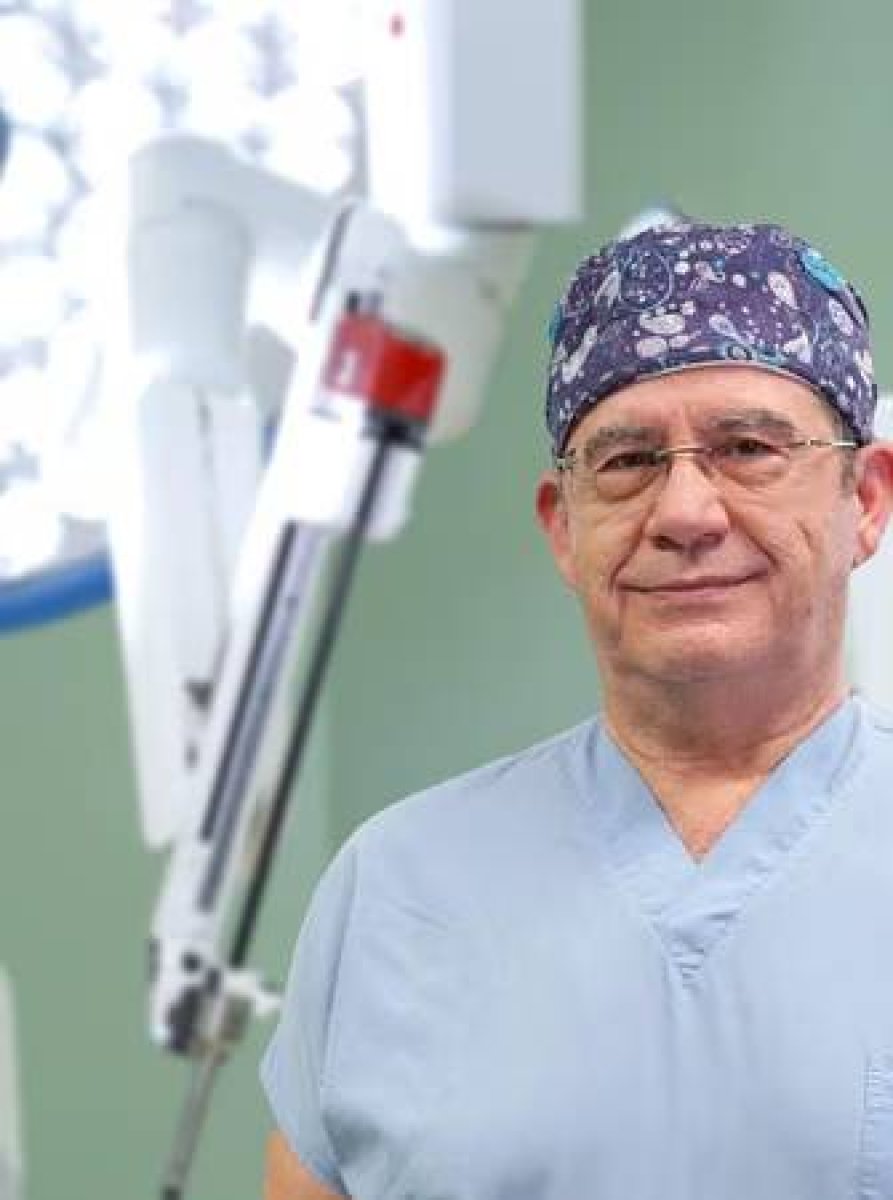
Hasim Ustunsoy
How Much Does Endovenous radiofrequence ablation (EVRF) Cost in Republic of Korea?
Endovenous radiofrequence ablation (EVRF) in the Republic of Korea typically costs from $2,300 to $3,800. Prices depend on the amount of venous reflux and whether one or both legs require treatment. In the US, similar procedures cost $4,000 on average. Patients save roughly 43% in Korea. The price usually includes diagnostic Doppler ultrasound and initial consultation fees.
- Number of legs: Treating two legs instead of one significantly increases the total procedure price.
- Specialized clinics: Private centers in Seoul are often more affordable than major university hospitals.
- Ultrasound mapping: Color Doppler imaging is required to map veins and is often bundled into quotes.
- Sclerotherapy additions: Supplemental aesthetic treatments for spider veins typically add 10-15% to the base cost.
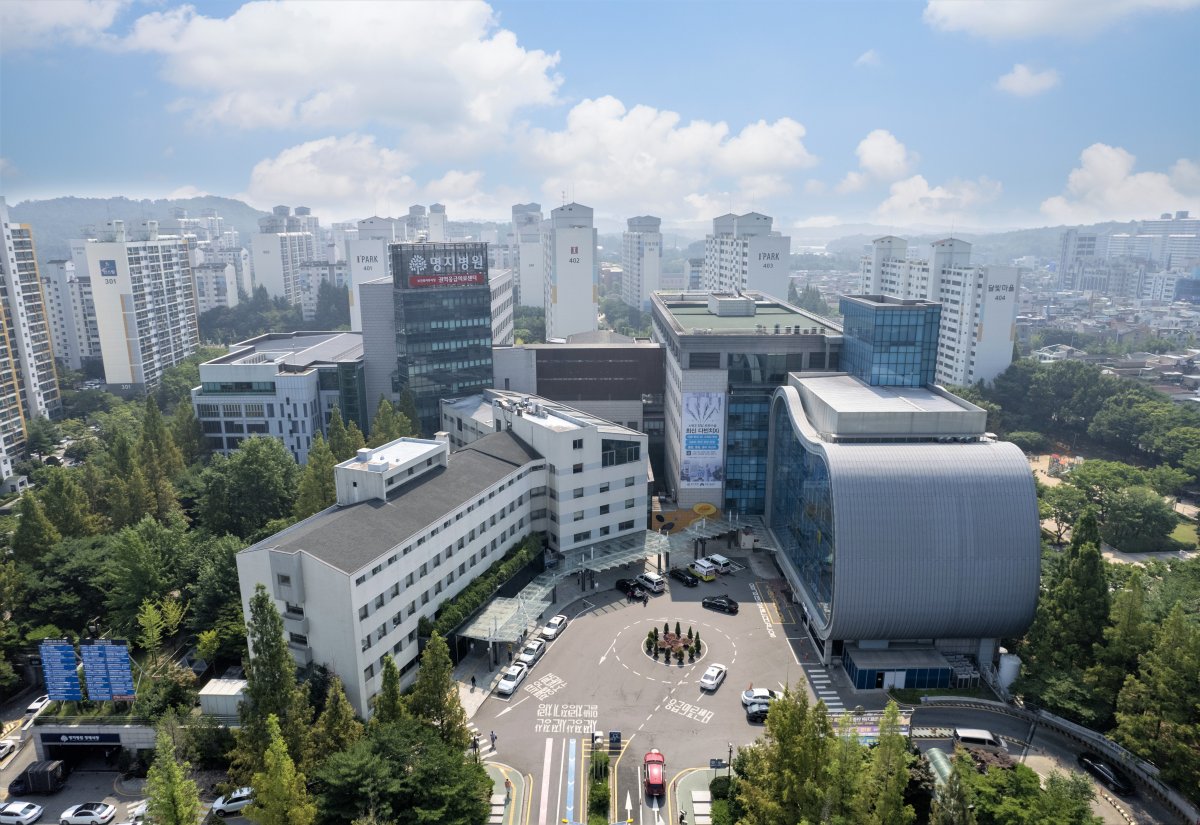
Bookimed Expert Insight: Choosing a hospital near the capital offers significant value for complex cases. Myongji Hospital in Goyang sits just 30 minutes from Seoul. It serves 600,000 patients annually and holds Ministry of Health and Welfare accreditation. At Naeun Hospital, specialists like Oh Dongju bring international experience from Emory and Cornell. Patients benefit from doctors who lead national cardiology societies at a lower price point than US facilities.
| Republic of Korea | Turkey | Austria | |
|---|---|---|---|
| Endovenous radiofrequence ablation (EVRF) | ≈ $2,300 | from $2,200 | ≈ $2,300 |
Your Benefits and Guarantees with Bookimed
Transparent Prices & Flexible Installments
No hidden fees – just official clinic prices. Pay at the clinic for Endovenous radiofrequence ablation (EVRF) upon arrival and use a flexible installment plan if needed.
Verified Clinics & Doctors Only
Bookimed is committed to your safety. We only work with medical institutions that maintain high international standards in Endovenous radiofrequence ablation (EVRF) and have the necessary licenses to serve international patients worldwide.
Free 24/7 Assistance
Bookimed offers free expert assistance. A personal medical coordinator supports you before, during, and after your treatment, solving any issues. You're never alone on your Endovenous radiofrequence ablation (EVRF) journey.

Your personal Bookimed medical coordinator
- Supports you at every stage
- Helps choose the right clinic and doctor
- Ensures quick and convenient access to information
Discover the Best Endovenous radiofrequence ablation (EVRF) Clinics in Republic of Korea: 2 Verified Options and Prices

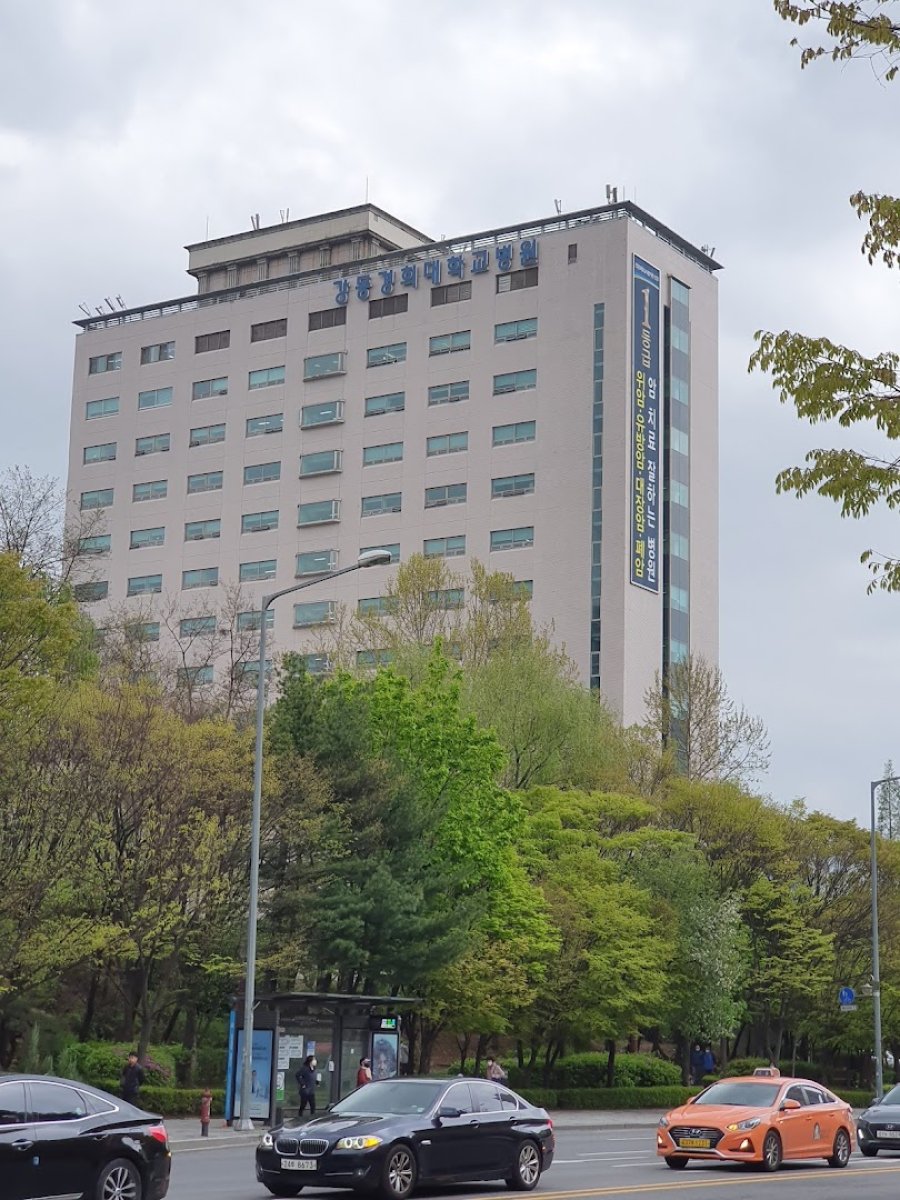
Kyung Hee University Hospital at Gangdong (KUIMS)
Endovenous radiofrequence ablation (EVRF) Overview in Republic of Korea
- High intensity focused ultrasound ablation (HIFU) - from $5,900A non-invasive therapy with ultrasound waves to destroy harmful tissues with high precision and minimal side effects.
- Radiofrequency ablation - from $8,000The procedure uses heat to destruct problematic tissues, relieving chronic pain, and curing some types of cancer effectively.
- HIFU for prostate cancer treatment - from $12,000The procedure uses high-intensity ultrasound waves to eradicate cancer cells in the prostate, offering non-invasive, precise targeting.
- Radiofrequency ablation with 3D mapping - from $16,200This therapy uses heat and 3D heart images to kill abnormal cells causing irregular beats, improving heart health.
- FUS-ablation of uterine myoma - from $5,900The procedure uses focused ultrasound waves to shrink fibroids in the uterus, offering minimal invasion and quick recovery.
Day 1
- Arrival at the airport.
- Transfer from the airport to the hotel.
- Relax and adjust to the new environment.
Day 2
- Transfer from the hotel to the clinic.
- Consultation with the radiologist about the EVRF procedure.
- Perform necessary medical tests for EVRF.
Day 3
- Preparation for the EVRF procedure.
- Undergoing Endovenous radiofrequence ablation, it lasts about 1-2 hours.
- EVRF is performed under local anesthesia.
Day 4
- Post-operation care in the clinic.
- Transfer back to the hotel for rest.
Week 1 - 2
- Rehabilitation period with regular checks.
- Gradual return to light daily activities.
Week 3 - 4
- Continued recovery and follow-up consultations as needed.
- Return to work and normal activities.
Week 5 - 6
- Final result of EVRF can be observed.
- Return to sports and other strenuous activities.
Please note, each patient"s recovery may vary based on individual circumstances.
- Bookimed deposit: $200 or €200.
- Clinic deposit: Pay a set percentage in advance.
Our Doctors
View all Doctors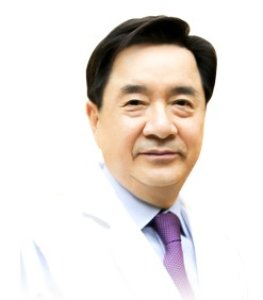
Oh Dongju
Dr. Oh Dongju, MD, PhD, is a cardiologist. He specializes in hypertension, hyperlipidemia, angina, myocardial infarction, valvular disease, dilated cardiomyopathy, and myocarditis. His work also covers atherosclerosis and arterial occlusive disease. He is skilled in echocardiography and cardiovascular imaging.
He completed a cardiology fellowship at Emory University School of Medicine. He also served as a Clinical Instructor at the Cornell University Weill Department of Medicine. He has held many leadership roles. He served as President, KSIC; Director of Publications, General Affairs, and Public Relations, KSC; Chairman, KACG; Board Member, Asan Heart Foundation; Vice President, KHA; Chairman, Division of Cardiology, KAIM; Vice President, NAMOK/KAMS; Governor, ACC Korea Chapter; and Member, the National Bioethics Committee.
Video Stories from Bookimed Patients
Share this content
 Anna Leonova
FAQ about Endovenous radiofrequence ablation (EVRF) in Republic of Korea
Do I need a visa to South Korea?
Today, South Korea has visa-free agreements with 112 states. None visa is required for stays under 90 days or less. To stay longer in this country, you need a visa. What states need a visa for treatment in South Korea and what countries can cross the border free and easy read here.
What is the level of medicine in South Korea?
Healthcare is the key development sector of the Korean government. The Korean authorities are convinced that care for the citizens' health should be an absolute priority of state policy and spend about 1 billion a year for medical tourists attraction.
According to Mark Britnell, hospitals dominate the health system. 94% of hospitals are privately owned.
What are the most popular plastic surgery procedures?
According to ASPS statistics, 17.7 mln cosmetic surgeries and 5.8 mln reconstructive procedures have been performed in 2018. Among cosmetic procedures the most popular are:
- breast augmentation
- liposuction
- rhinoplasty (nose job)
- eyelid surgery
- tummy tuck.
Tumor removal, laceration repair, maxillofacial surgery, scar revision, hand surgery are the most common operations in the context of reconstructive surgery.
What documents are required to apply for a visa to South Korea for treatment?
Visas for travel to South Korea require a number of documents. The necessary papers can be submitted 90 days before the planned departure. Lists of documents includes:
- ID card
- confirmation of online registration and filling out the questionnaire
- certificate of income and availability of funds
- insurance policy for a stay in South Korea (original and copy)
- 2 photos (5x6)
- visa receipt
- booking of flight and hotel
- medical opinion about the need for treatment.
What should you know about South Korea before the trip?
Currency | South Korean Won (you also can pay for services in dollars) |
Best period for the trip | April, May & June or September, October & November. |
Language | Korean (most of medical staff speaks English fluently) |
Visa | none required for stays under 90 days or less |
Time difference with Europe | 9 hours |
Time difference with the USA | 9 hours |
Capital | Seoul |
Medical tourism center | Seoul |
Popular resorts | Gangwon-do, Gyeongju, Boseong, Jeju |
What hotel services are provided here?
In South Korea, hotels of different price ranges and service levels are presented. Most tourists choose 4 and 5 star hotels with all-inclusive meals. Such hotels have everything for a comfortable stay: varied food, a large well-groomed territory, animation for children and adults. Some hotels have their own water park, which guests can use for free. Budget travelers can afford to book an economical 3-star hotel with half board or no meals at all.