FUT Hair Transplant in Republic of Korea — get 3 top clinic matches with costs
Bookimed lists 3 FUT hair transplant clinics in the Republic of Korea, all in Seoul. These clinics are rated 4.8/5 in 21 verified patient reviews on Bookimed.

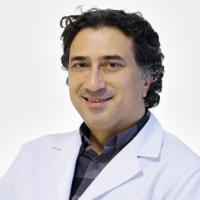
Medically reviewed by
Ergin Er
How it works
How Much Does FUT Hair Transplant Cost in Republic of Korea?
A FUT hair transplant in Republic of Korea typically costs from $6,200 to $6,500. The final price depends on the number of grafts, clinic location, and surgeon expertise. In the US, similar procedures cost around $8,000 on average. Patients save around 23% compared to the US. Most Korean clinics bundle the procedure with local anesthesia and initial post-operative care.
- Graft volume: Larger sessions requiring over 2,500 grafts can increase costs by up to 150%.
- Technique comparison: The FUT strip method is generally 20% to 30% cheaper than FUE.
- Clinic location: Centers in Seoul medical hubs like Gangnam usually command higher premium rates.
- VAT refunds: International patients are often eligible for a 10% tax refund on medical services.
Bookimed Expert Insight: Choosing a specialized center like MOAMAN Hair Transplant Clinic in Seoul offers high value. Their team includes members of the ISHRS and KSHRS, ensuring specialized expertise in Asian hair types. Some clinics even employ dedicated anesthesiologists to manage pain. For the best value, ask if the clinic facilitates the 10% VAT refund for international visitors.
| Republic of Korea | Turkey | The USA | |
|---|---|---|---|
| FUT Hair Transplant | from $6,200 | from $1,300 | from $5,000 |
Discover the Best FUT Hair Transplant Clinics in Republic of Korea: 5 Verified Options and Prices

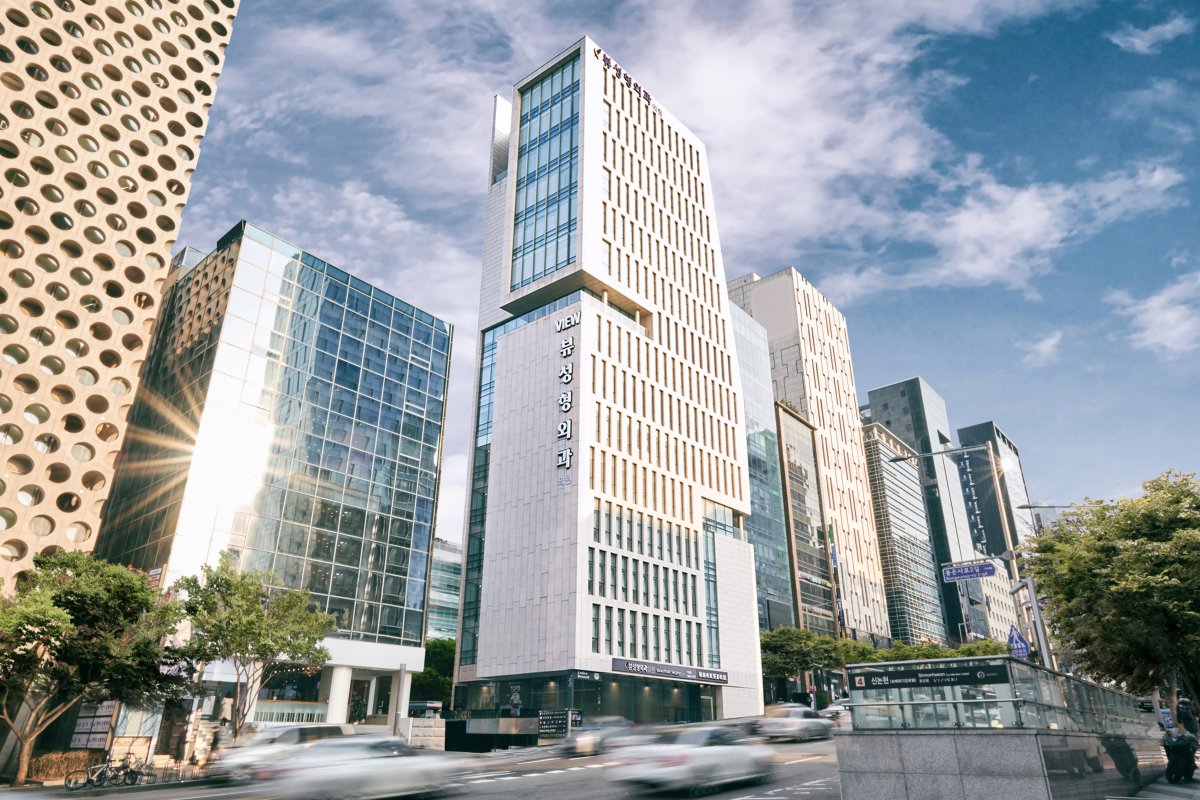

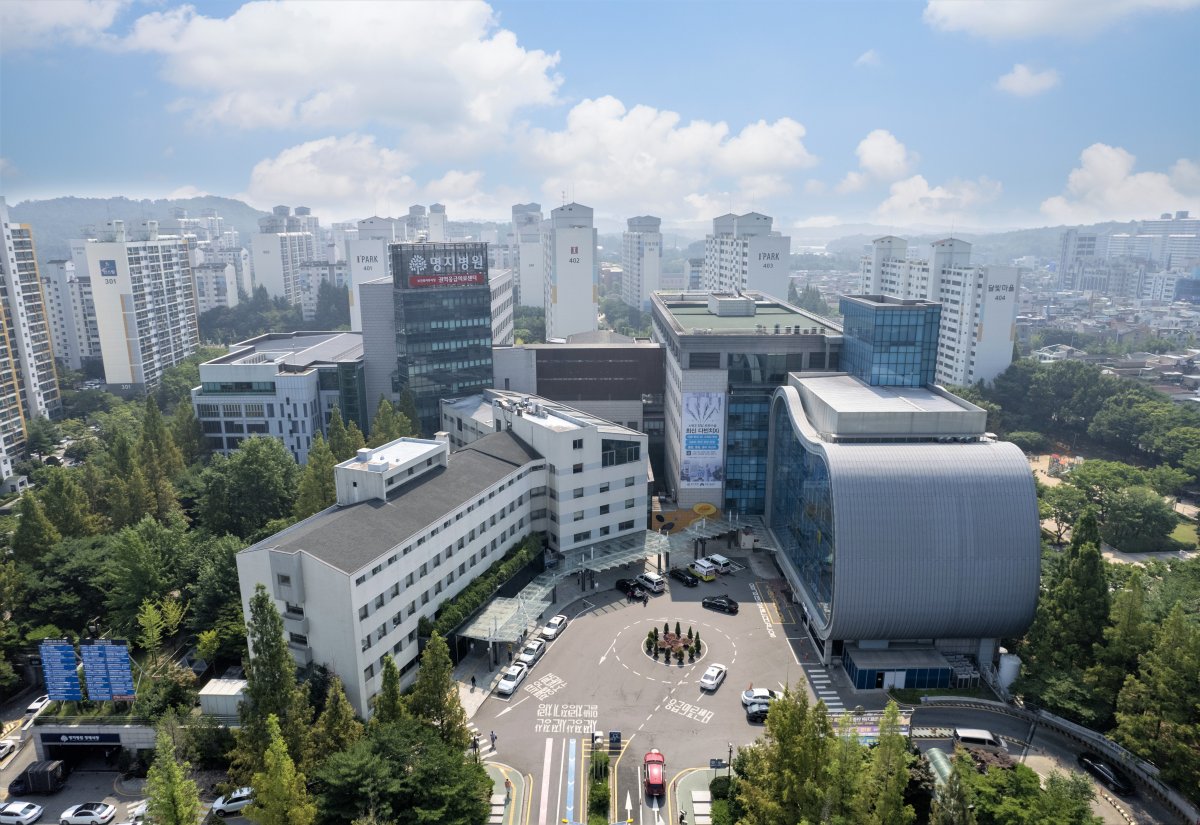

MOAMAN Hair Transplant Clinic
Kim Bum-ryeol

FUT Hair Transplant in Republic of Korea: Your Travel Plan
Day 1: Arrival in Republic of Korea
- Upon arrival, ensure you have all necessary travel documents and confirmations for your scheduled FUT hair transplant procedure.
- Arrange transportation to your accommodation. You should stay close to the clinic for convenience.
- Rest and hydrate to recover from travel fatigue.
- Avoid alcohol and caffeine to maintain optimal health before the procedure.
- Review any preoperative instructions provided by the clinic, such as fasting requirements or medication restrictions.
Day 2: Preoperative Consultation and Preparation
- Attend an in-person consultation with the doctor to finalize the details of your FUT hair transplant.
- Discuss the number of grafts needed and address any specific concerns or questions about the procedure.
- Undergo preoperative laboratory tests to ensure you are fit for surgery.
- Review the procedure plan and confirm your understanding of the process and expected outcomes.
- Pay any remaining deposits or fees required to secure your surgery slot.
Day 3: Day of Surgery
- Arrive at the clinic at the scheduled time, wearing comfortable, loose-fitting clothing.
- The procedure involves removing a strip of skin from the back of the head, from which grafts are extracted.
- Anesthesia will be administered to ensure comfort during the surgery.
- The surgery can take several hours, depending on the number of grafts being transplanted.
- Follow postoperative care instructions provided by the clinic, including wound care and medication regimen.
Day 4-7: Initial Recovery Period
- Rest and avoid strenuous activities to aid in the healing process.
- Attend follow-up appointments as scheduled to monitor your recovery and address any concerns.
- Keep the scalp clean and follow any specific washing instructions provided by the clinic.
- Refrain from alcohol, smoking, and caffeine to promote optimal healing.
- Contact the clinic if you experience any unusual symptoms or have questions about your recovery.
Day 8-14: Continued Recovery and Monitoring
- Continue to follow postoperative care instructions and attend any additional follow-up appointments.
- Gradually resume normal activities as advised by your doctor.
- Monitor the transplanted area for any signs of infection or complications.
- Keep in touch with the clinic for ongoing support and guidance.
- Plan your return trip home, ensuring you have allowed sufficient recovery time before traveling.
Day 15: Departure from Republic of Korea
- Ensure you have all necessary documentation and medical records for your return trip.
- Arrange transportation to the airport, allowing plenty of time for check-in and security procedures.
- Continue to follow postoperative care instructions once you return home.
- Stay in contact with the clinic for any further questions or concerns regarding your recovery.
- Schedule any recommended follow-up appointments with a local healthcare provider if necessary.
Our Doctors
View all DoctorsKim Bum-ryeol
Director of MOAMAN Hair Transplant Clinic – specializes in FUT hair transplants with international recognition.
- Former Director of Gangnam Aesthetic Plastic Surgery
- International Aesthetic Plastic Surgery (ICCS) specialist
- Regular member of Korean Society of Cosmetic Surgery (KSAS)
- Speaker at multiple international conferences

Kim Dae Young
Director of the Korean Society of Hair Transplantation (KSHRS) – Dr. Kim leads one of Asia's top hair restoration organizations.
- Former hair transplant surgeon at Kyungpook National University
- Full member of the International Society of Hair Restoration Surgery
- Graduated from Hanyang University Medical School
- Specializes in FUT hair transplantation techniques

Kimchangjoo
Director of MOAMAN Hair Transplant Clinic – Kimchangjoo has led multiple prestigious hair transplant centers in Korea.
- Former Director of Hair Transplant Center at Muto Beauty Clinic
- Adjunct professor at Kyungpook National University's Hair Transplant Center
- Completed specialized training at Kyungpook National University
- Extensive leadership experience across multiple hair transplant clinics

Jung Hwan-ho
Director of Moaman Clinic with specialized training in aesthetic medicine. Dr. Jung focuses exclusively on FUT hair transplants.
- Regular member of Korean Association of Clinical Aesthetic Medicine
- Specialized in anesthesiology and pain medicine
- Trained at Yonsei Medical Center Severance Hospital
- Graduated from Yonsei University College of Medicine
Video Stories from Bookimed Patients
Reviews about Bookimed: Discover Patients' Insights
All reviews




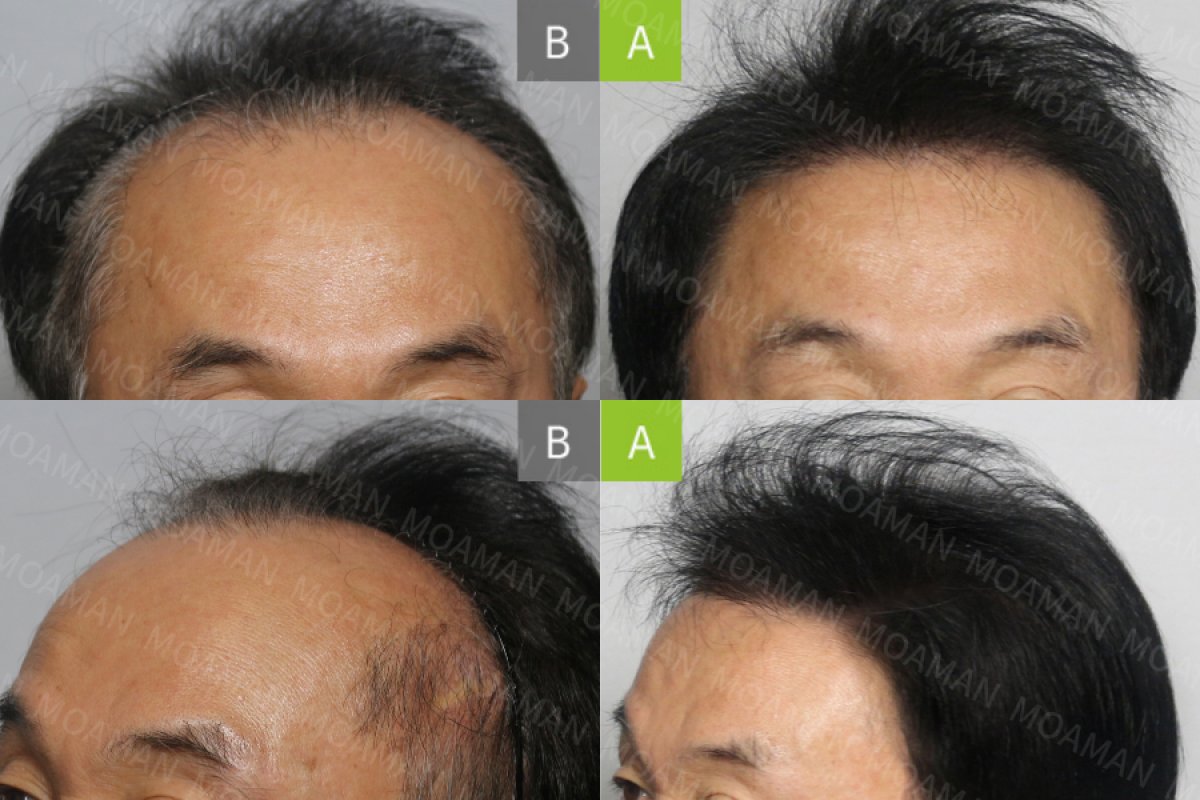
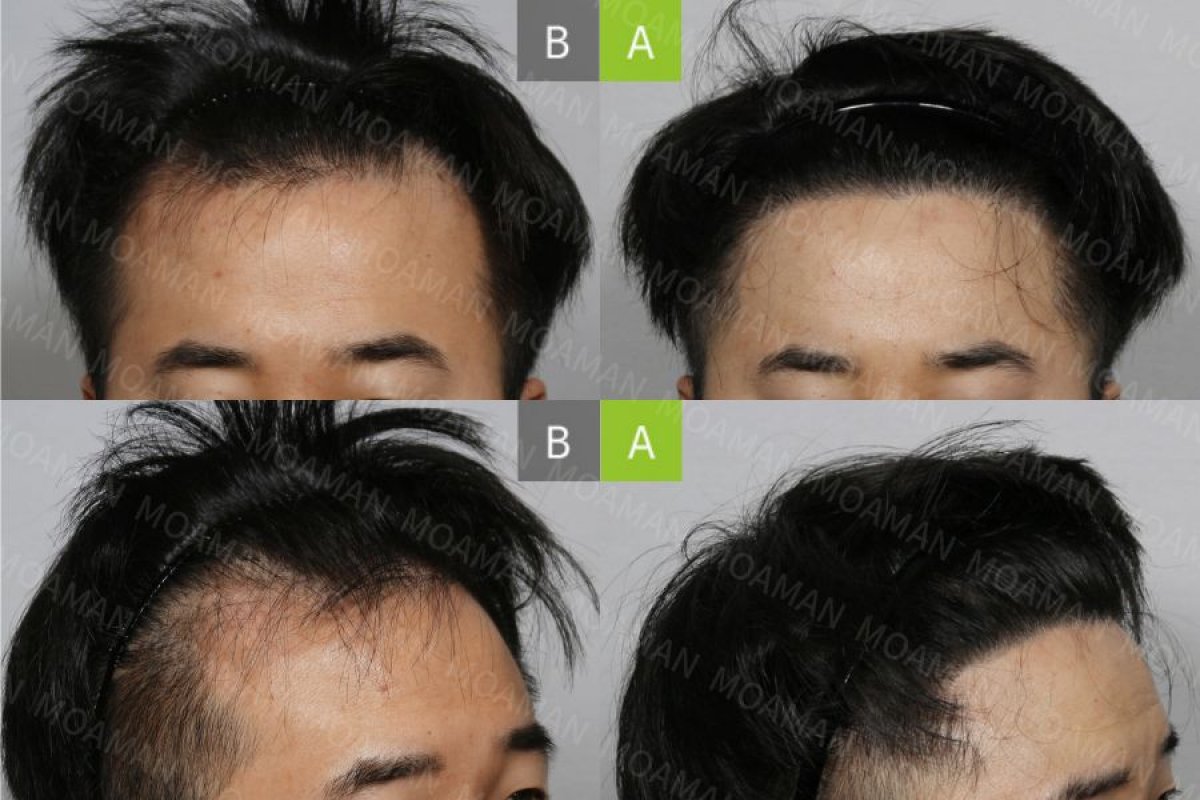
FUT Hair Transplant: Before & after photos
View allShare this content
 Anna Leonova

Fast Facts about FUT Hair Transplant
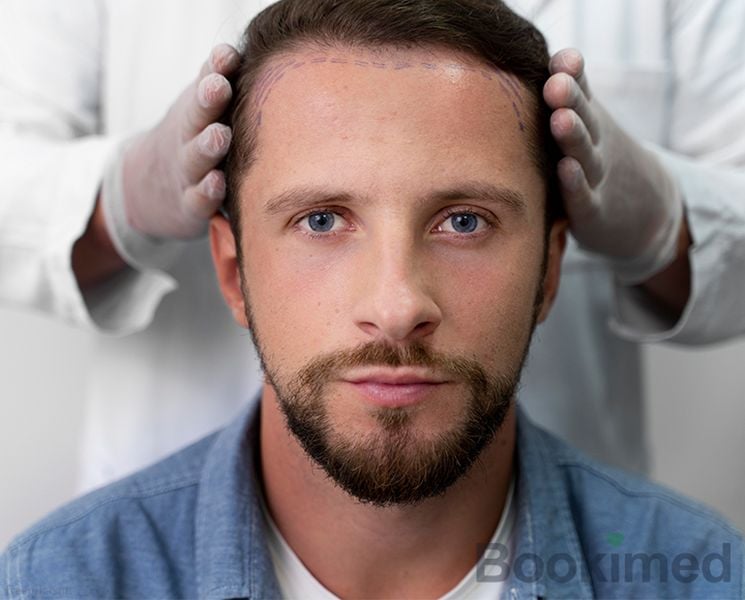
FUT Hair Transplant
Follicular Unit Transplantation involves removing a strip of scalp to harvest hair follicles for implantation.
FAQ about FUT Hair Transplant in Republic of Korea
What is the typical recovery timeline after a FUT hair transplant in Korea?
Recovery after a follicular unit transplantation (FUT) in Korea involves an initial 10 to 14 day healing phase for the donor strip. Most patients feel socially presentable within 7 to 10 days, while full hair maturation and final aesthetic results typically take 9 to 12 months.
- Donor healing: Surgeons remove stitches or staples around day 10 at clinics like MOAMAN.
- Social return: Most patients resume office-based work within 5 to 7 days post-surgery.
- Shock loss: Transplanted hairs naturally shed between weeks 2 and 8 before regrowing.
- Activity limits: Light walking is safe after 48 hours; avoid heavy lifting for 4 weeks.
- Scar maturation: Specialized trichophytic closure techniques ensure the linear donor scar fades within months.
Bookimed Expert Insight: While many global clinics suggest a 12 to 14 month wait for results, Korean specialists like those at MOAMAN Hair Transplant Clinic focus on early intervention. Data shows that using local Korean-brand minoxidil starting at week 2 can actually accelerate the shedding cycle. This often leads to visible growth peaking closer to the 9-month mark rather than a full year.
Patient Consensus: Expect intense swelling and a tight sensation at the donor site during the first 3 days. Many find that daily scar massages with silicone gel starting in week 2 significantly improve comfort and scalp flexibility.
Does FUT leave a permanent scar?
FUT hair transplants leave a permanent linear scar because the procedure involves removing a thin strip of scalp tissue. While the scar remains for life, advanced trichophytic closure techniques used by surgeons in Seoul clinics like MOAMAN Hair Transplant Clinic make the line nearly imperceptible.
- Scar appearance: The donor site typically displays a thin horizontal line across the back.
- Concealment method: Most patients easily hide the scar by keeping hair at least 1–2 centimeters long.
- Refinement timeline: Scar tissue matures and flattens significantly over 12 to 18 months of healing.
- Korean expertise: Specialized surgeons minimize tension at the incision site to prevent the scar from stretching.
Bookimed Expert Insight: Top Korean surgeons often combine their credentials with prestigious academic posts, such as Dr. Kimchangjoo from MOAMAN who is an adjunct professor at Kyungpook National University. These high-volume specialists use refined suturing that allows hair to grow through the scar, a detail often skipped in lower-tier facilities.
Patient Consensus: While the scar can feel numb or itchy for up to 6 months, patients report it blends with surrounding tissue and fades from red to a subtle, manageable line.
What are the main clinical reasons to choose FUT instead of FUE?
Clinical reasons to choose FUT include higher graft survival rates of 95–98% and the ability to harvest 4,000+ follicles in one session. This strip method preserves protective tissue around bulbs, making it the gold standard for achieving maximum hair density in patients with extensive thinning.
- Graft integrity: Strip excision yields 10–20% more viable follicles by preserving the vital surrounding tissue.
- Survival rates: Microscopic dissection keeps transection rates under 2% compared to higher rates in FUE.
- Extensive restoration: Surgeons harvest 5,000+ grafts for advanced hair loss without depleting the donor area.
- Asian hair types: FUT better handles coarse or curly follicles, ensuring 95% survival during the process.
Bookimed Expert Insight: South Korean clinics like MOAMAN Hair Transplant Clinic specialize in high-volume FUT because their surgeons often hold leadership roles in the Korean Society of Hair Transplantation. This deep specialization allows them to complete massive 5,000-graft cases in a single 10-hour session. Choosing FUT in Seoul typically costs $6,200 to $6,500, saving you approximately 23% over US averages.
Patient Consensus: Patients prioritize FUT when they need maximum coverage for severe balding. They find the linear scar easy to hide with slightly longer hair and value the predictable donor management.