Gum Surgery in Republic of Korea — Get 3 Top Clinic Matches with Costs


Medically reviewed by
Fahad Mawlood
How Much Does Gum surgery Cost in Republic of Korea?
The cost of gum surgery in South Korea typically ranges from $700 to $1,600. Prices vary depending on the procedure type (such as flap surgery, gum grafting, or laser treatment), the clinic, and the periodontist’s experience. In the United States, the average cost is $3,000 (per AAP). This means gum surgery in South Korea can be about 60% less than in the U.S.
South Korean clinics usually include the initial consultation, digital X-rays, local anesthesia, the surgical procedure, and follow-up visits in the quoted price. In the U.S., the base price often covers only the surgery itself, with separate charges for anesthesia, imaging, and follow-up care. Always confirm exactly what’s included with your chosen clinic.
| Republic of Korea | Turkey | The USA | |
|---|---|---|---|
| Gum surgery | ≈ $700 | from $100 | ≈ $1,800 |
| Plastic of gingival recession | ≈ $450 | ≈ $150 | ≈ $900 |
| Gingivectomy | ≈ $350 | from $73 | ≈ $600 |
| Apically repositioned flap | ≈ $350 | ≈ $220 | ≈ $900 |
Your Benefits and Guarantees with Bookimed
Transparent Prices & Flexible Installments
No hidden fees – just official clinic prices. Pay at the clinic for Gum surgery upon arrival and use a flexible installment plan if needed.
Verified Clinics & Doctors Only
Bookimed is committed to your safety. We only work with medical institutions that maintain high international standards in Gum surgery and have the necessary licenses to serve international patients worldwide.
Free 24/7 Assistance
Bookimed offers free expert assistance. A personal medical coordinator supports you before, during, and after your treatment, solving any issues. You're never alone on your Gum surgery journey.

Your personal Bookimed medical coordinator
- Supports you at every stage
- Helps choose the right clinic and doctor
- Ensures quick and convenient access to information
Discover the Best Gum surgery Clinics in Republic of Korea: 4 Verified Options and Prices
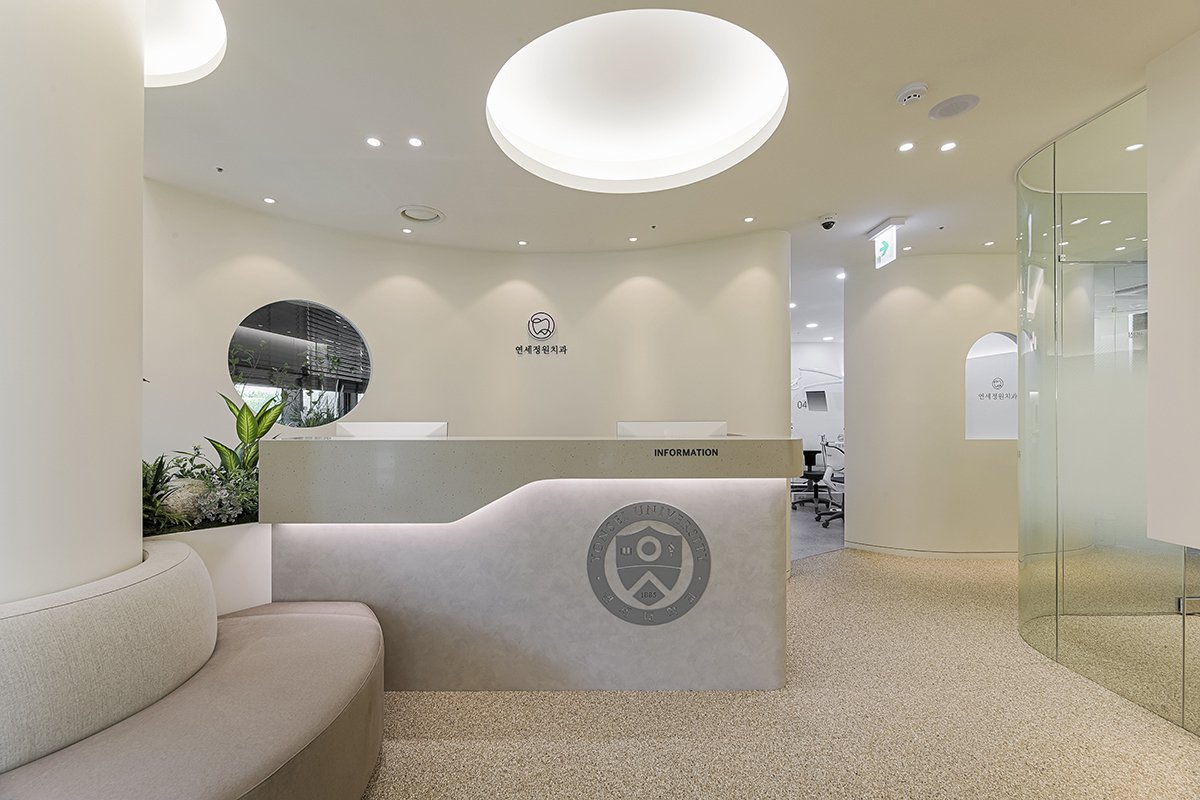

DARUN Dental Clinic
Kyung Seo Park

Gum surgery Overview in Republic of Korea
Day 1 - Arrival
- VIP transfer from the airport to the clinic.
- Check-in at the apartment provided by the clinic.
- Have some rest and prepare for the next day"s consultation.
Day 2 - Pre-operation
- Consultation with the oral surgeon.
- Undergo a Panoramic X-ray for diagnostic purposes.
- Discuss the surgery plan and answer any questions.
Day 3 - Gum Surgery
- Arrive at the clinic for the surgery.
- Receive local anesthesia to numb the area.
- Experience a 1-2 hour gum surgery procedure.
- Return to the apartment for rest after surgery.
Day 4 - Post-operation
- Attend a post-operation consultation with the surgeon.
- Receive instructions for at-home care and recovery.
- Check-up and removal of surgical sutures if necessary.
Week 1-2 - Rehabilitation
- Avoid strenuous activities and sports.
- Follow the prescribed oral hygiene routine.
- Return to work after one week if comfortable.
Week 3-4 - Rehabilitation
- Resume normal activities as comfort allows.
- Expect to see final results by the end of the month.
Please note that each patient"s recovery timeline may vary based on individual circumstances and the complexity of the surgery.
- Bookimed deposit: $200 or €200.
- Clinic deposit: Pay a set percentage in advance.
Our Trusted Doctors
View all Doctors
Ji Ho Ahn
Dr. Ji Ho Ahn is a prosthodontist at Yonsei JW Dental Clinic in Seoul. He holds a PhD from Seoul National University, South Korea's most prestigious institution. Dr. Ahn graduated from the University of Pennsylvania and is fluent in English. He specializes in Straumann dental implants and aesthetic tooth restoration.
- Completed a specialist residency at Seoul National University Dental Hospital.
- Performs All-on-4 and All-on-6 dental implants plus complex bone grafting.
- Provides aesthetic treatments including no-prep veneers and Zirconia crown installation.
- Member of the Korean Academy of Prosthodontics.
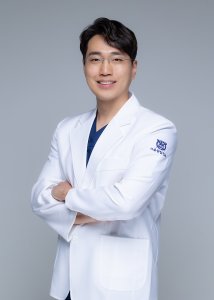
Kim Geun-il
Specialist in Implant Dentistry with Ministry of Health and Welfare certification – Dr. Kim focuses on precise gum surgery at 365SeoulOneTop365 Dental Clinic.
- Graduated from Seoul National University School of Dentistry
- Certified Member of the Korean Academy of Implant Dentistry
- Member of the Korean Academy of Periodontology
- Holder of Osstem Implant Clinical Training Certificate
- ITI (International Team for Implantology) Member
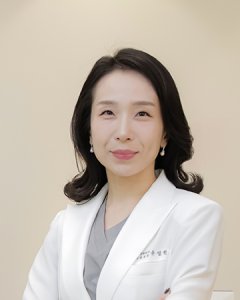
Jeongwon Youn
Dr. Youn combines orthodontic expertise with gum surgery precision as an adjunct professor at Yonsei University.
- PhD in Orthodontics from Yonsei University
- Member of The Korean Association of Orthodontists
- Trained at Yonsei Severance Hospital
- Completed Implant Master Course
- Invisalign Provider certified
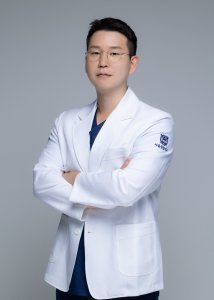
Kwon Jae-won
Integrated Dentistry Specialist – Dr. Kwon designs personalized gum surgery plans focused on essential treatment only.
- Graduated with honors from Seoul National University School of Dentistry
- Specialist in both Implant Dentistry and Integrated Dentistry
- Member of Korean Academy of Periodontology
- Holder of Osstem Implant Clinical Training Certificate
- Comprehensive approach to oral health diagnosis
Video Stories from Bookimed Patients
Reviews about Bookimed: Discover Patients' Insights
All reviewsShare this content
 Anna Leonova

FAQ about Gum surgery in Republic of Korea
What are the most common types of gum surgery performed in South Korea, and how are they carried out?
Specialized periodontists in South Korea primarily perform gum grafting, pocket reduction flap surgery, and laser-assisted gingivectomy. These procedures utilize advanced digital mapping and high-precision diode lasers. Surgeons address severe recession, treat chronic periodontitis, or correct aesthetic symmetry for gummy smiles in JCI-accredited Seoul facilities.
- Gum grafting: Surgeons harvest tissue from the palate to cover exposed tooth roots.
- Pocket reduction: Doctors make incisions to clean deep tartar from the supporting bone.
- Pinhole technique: Specialists loosen gum tissue through tiny entry points to reposition it.
- Laser contouring: High-energy lasers vaporize excess tissue while immediately sealing blood vessels.
- Bone contouring: Surgeons reshape underlying alveolar bone to eliminate deep bacterial hiding spots.
Bookimed Expert Insight: Seoul clinics like Minish Dental Hospital often combine bone contouring with gingivectomy. This dual approach prevents gum tissue from growing back over time. Many international patients choose South Korea because specialists use digital design software. This ensures the new gum line perfectly matches your facial proportions.
Patient Consensus: Patients frequently mention that the use of specialized lasers significantly reduces post-operative pain. Many were surprised to return to light activities after just 24 hours.
How long should I remain in South Korea after gum surgery for safe recovery?
Patients should remain in South Korea for 7 to 14 days after gum surgery. This timeframe ensures the surgical site stabilizes against cabin pressure changes and allows for essential suture removal. Most Korean clinics require a follow-up visit to monitor tissue integration and prevent infection.
- Minor surgery stay: Plan for 7 days to manage initial swelling and peak sensitivity effectively.
- Major graft stay: Stay 10 to 14 days for graft stabilization and non-dissolvable suture removal.
- Flying safety window: Wait at least 72 hours before boarding to prevent acute postoperative bleeding.
- Follow-up importance: Attend scheduled checks at clinics like DARUN Dental to ensure healthy healing.
Bookimed Expert Insight: South Korea has a high density of U.S. board-certified specialists, such as those at DARUN Dental Clinic. While basic recovery takes a week, these experts often suggest a 10-day stay because they use advanced proprietary techniques. This extra margin is critical for international patients traveling long distances back to the USA or Australia.
Patient Consensus: Many patients find the first 3 days the most challenging due to swelling and dietary restrictions. While pain is generally manageable, the constant worry about disturbing the surgical site makes a full week of local rest highly recommended.
What does the post-surgery recovery process involve?
Recovery after gum surgery in the Republic of Korea involves a critical 2-week healing phase focused on site protection and infection prevention. Specialized clinics in Seoul utilize advanced techniques like DARUN and 3D CT imaging to ensure precision while managing the peak inflammatory response typically seen within the first 72 hours.
- Early inflammation: Swelling and mild bleeding peak between days 1 and 3 after the procedure.
- Dietary restrictions: Patients must eat soft, cool foods like yogurt for 3 to 5 days.
- Wound protection: Avoid straws and forceful spitting to prevent graft displacement or bleeding issues.
- Oral hygiene: Use prescribed chlorhexidine rinses and brush only adjacent teeth to protect the site.
- Follow-up care: Surgeons typically check sutures or graft stability during a visit 7 to 14 days later.
Bookimed Expert Insight: While patients often worry about the surgery site, Bookimed data shows the palate donor area usually causes more sensitivity than the gums. Top clinics like 365 Seoul OneTop Dental use doctors with Harvard-affiliated training who apply specialized pain management protocols to address this specific discomfort.
Patient Consensus: The most challenging part is avoiding normal chewing and speaking for several days. Patients report that pain feels more like pressure or tightness, and using cool foods provides significant relief during the first 48 hours.
Which clinics in Seoul are recognized for treating international gum-surgery patients?
Seoul houses several globally recognized dental institutions specializing in advanced periodontal procedures for international patients. Top-tier facilities include Yonsei JW Dental Clinic, 365 Seoul OneTop Dental Clinic, and DARUN Dental Clinic, which utilize ivory-league-educated specialists, board-certified periodontists, and ministry-certified health protocols to treat severe gum recession and periodontitis.
- Clinic quality: Facilities like DARUN Dental Clinic use DARUN non-invasive techniques exceeding U.S. standards.
- Surgeon credentials: 365 Seoul OneTop features Harvard-trained surgeons and Ministry of Health board-certified specialists.
- Technology: High-end clinics utilize 3D CT imaging and digital scanning for precise surgical planning.
- Patient support: International centers provide English-speaking coordinators and complete treatment plans in native languages.
Bookimed Expert Insight: While many boutique offices focus on aesthetics, clinics like 365 Seoul OneTop Dental Clinic stand out by having multiple specialists on-site, including periodontists and maxillofacial surgeons. This setup is crucial because advanced gum surgery often requires bone grafting or immediate implant placement, which these integrated teams can perform in a single session to reduce your travel time.
Patient Consensus: Patients emphasize choosing clinics with credentialed periodontists over generalists and advise budgeting for mandatory follow-up visits to check sutures and ensure proper healing.
How do English-speaking patients communicate effectively with Korean periodontists?
English-speaking patients communicate with Korean periodontists by selecting international clinics in Seoul hubs like Gangnam or Itaewon. These facilities often feature specialists with Western training, such as Harvard Medical School or University of Pennsylvania. Using visual aids, written summaries, and Naver Papago ensures precise medical alignment.
- Specialist selection: Choose doctors at clinics like 365 Seoul OneTop Dental Clinic for periodontology expertise.
- Documentation prep: Bring bilingual medical history, previous dental X-rays, and 3D cone-beam computed tomography scans.
- Communication tools: Use Naver Papago for real-time dialogue and visual anatomical models to explain symptoms.
- Support services: Target university dental hospitals or KOIHA-accredited clinics that offer dedicated international healthcare centers.
Bookimed Expert Insight: Data reveals a high concentration of elite credentials in Seoul clinics, where directors often hold adjunct professorships at Yonsei University. Patients should prioritize clinics like DARUN Dental for U.S. board-certified specialists who oversee the entire diagnostic process. These centers often serve 5,000 international patients annually, ensuring staff are accustomed to English medical terminology.
Patient Consensus: Patients recommend bringing a written summary of symptoms and medications to avoid verbal misunderstandings. Many found emailing medical history ahead of time more effective than waiting until the appointment for translation.
Do I need a special visa for gum surgery in South Korea?
You typically do not need a special medical visa for gum surgery in South Korea if your stay is under 90 days. Travelers from visa-exempt countries like the USA, Canada, or the UK can enter using a standard K-ETA or tourist visa. Most patients complete dental treatments within this timeframe without additional documentation.
- Entry authorization: Apply for K-ETA online if your country has a visa-waiver agreement.
- Medical visa: Use C-3-3 medical visas only if required by your specific nationality.
- Long-term care: Apply for G-1-10 visas if recovery or complex procedures exceed 90 days.
- Financial proof: Carry bank statements or clinic appointment letters to satisfy immigration queries.
Bookimed Expert Insight: While minor gum procedures are quick, Yonsei JW Dental Clinic and DARUN Dental Clinic see over 6,000 patients combined annually, many requiring follow-ups. Since swelling or suture removal often happens 7 to 10 days post-op, choose a standard 30-day tourist entry. This provides a safety buffer without the paperwork of a formal medical visa.
Patient Consensus: Patients emphasize keeping entry explanations simple and carrying a clinic appointment confirmation. Most suggest planning 1 to 2 weeks of buffer time for unexpected swelling or necessary suture checks before flying home.