Gum surgery in Turkey — get 3 top clinic matches with costs
Gum surgery in Turkey costs $100 to $260, about 94% less than the US average of $3,000 (Bookimed data, November 2026). Bookimed lists 21 gum surgery clinics in Turkey, mostly in Istanbul and Antalya, including ISO-certified and JCI-accredited clinics. These clinics are rated 4.8/5 in 253 verified patient reviews on Bookimed.


Medically reviewed by
Fahad Mawlood
How it works
How Much Does Gum surgery Cost in Turkey?
Gum surgery in Turkey typically costs from $100 to $260 depending on the complexity and local clinic rates. Pricing factors include the specific surgical technique, the number of teeth treated, and the clinic location in major hubs like Istanbul, Izmir, or Antalya. Patients save around 94% compared to the US, where similar procedures cost $3,000 on average. Standard inclusions often cover the initial consultation, local anesthesia, and follow-up examinations.
- Gingivectomy: $40 to $170 for the surgical removal of diseased gum tissue.
- Plastic of gingival recession: from $450 to repair and restore receding gum lines.
- Apically repositioned flap: $220 to $450 for pocket reduction and root exposure.
- Premium packages: Include 5-star hotel stays and VIP transfers, typically adding 20-30% to base costs.
Bookimed Expert Insight: High-volume centers often provide superior value through specialized departments. WestDent Clinic in Izmir performs 5,000 dental surgeries annually with a 99% success rate. Choosing clinics with JCI or ISO accreditation ensures international safety standards at local prices. Dr. Ela Cabuk Renklibay offers specialized flapless periodontal packages starting around $1,100. This approach minimizes recovery time without the price surge of large general hospitals.
| Turkey | The UK | The USA | |
|---|---|---|---|
| Gum surgery | from $100 | ≈ $1,500 | ≈ $1,800 |
| Plastic of gingival recession | from $450 | ≈ $650 | ≈ $900 |
| Gingivectomy | from $40 | from $200 | from $300 |
| Apically repositioned flap | ≈ $220 | ≈ $650 | ≈ $900 |
Discover the Best Gum surgery Clinics in Turkey: 140 Verified Options and Prices



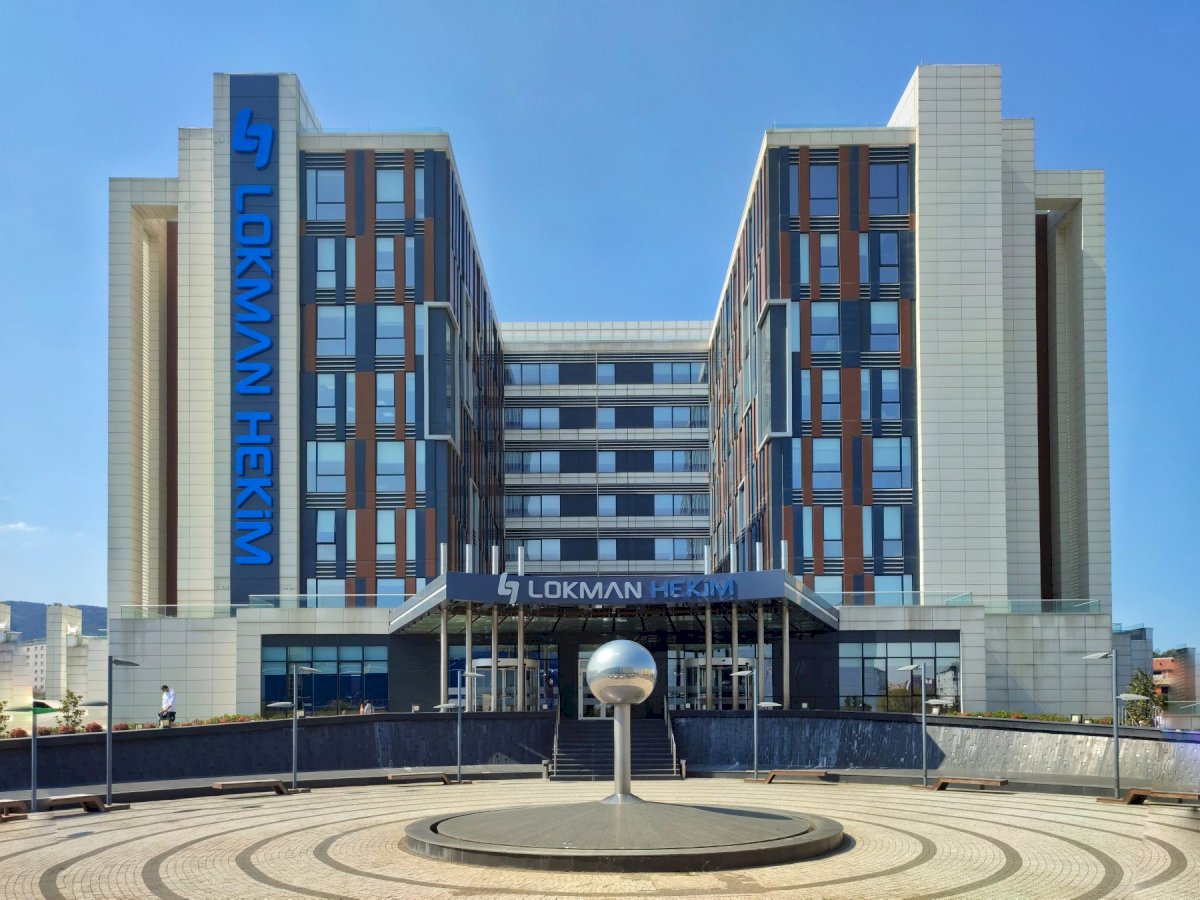
Memorial Bahçelievler Hospital
Esma Sonmez








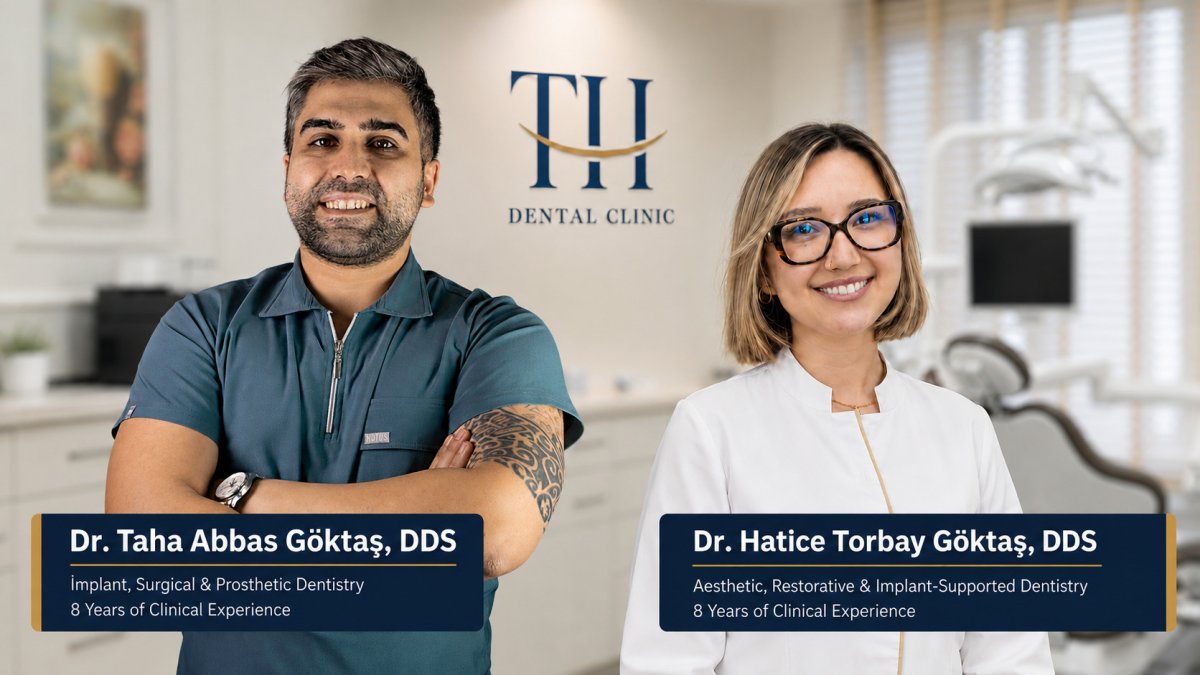
TH Dental Clinic
Taha Abbas Goktas


Gum surgery Overview in Turkey
- Plastic of gingival recession - from $450This therapy restores lost gum tissue to protect exposed tooth roots and enhance your smile"s aesthetics.
- Gingivectomy - from $40Excess gum tissue removal to treat or prevent gum disease, improving oral health and aesthetics.
- Gum surgery - from $100This therapy treats gum disease, involves removing infection, reshaping tissues, and sometimes bone restructuring.
Day 1 - Arrival
- VIP transfer from the airport to the clinic.
- Check-in at the apartment provided by the clinic.
- Have some rest and prepare for the next day"s consultation.
Day 2 - Pre-operation
- Consultation with the oral surgeon.
- Undergo a Panoramic X-ray for diagnostic purposes.
- Discuss the surgery plan and answer any questions.
Day 3 - Gum Surgery
- Arrive at the clinic for the surgery.
- Receive local anesthesia to numb the area.
- Experience a 1-2 hour gum surgery procedure.
- Return to the apartment for rest after surgery.
Day 4 - Post-operation
- Attend a post-operation consultation with the surgeon.
- Receive instructions for at-home care and recovery.
- Check-up and removal of surgical sutures if necessary.
Week 1-2 - Rehabilitation
- Avoid strenuous activities and sports.
- Follow the prescribed oral hygiene routine.
- Return to work after one week if comfortable.
Week 3-4 - Rehabilitation
- Resume normal activities as comfort allows.
- Expect to see final results by the end of the month.
Please note that each patient"s recovery timeline may vary based on individual circumstances and the complexity of the surgery.
What patients like:
- Cost. The Gum surgery cost in Turkey ranges from $100 to $260. Compared to the US, where it can reach up to $20,000, it's a bargain.
- Doctor’s professionalism. Turkish doctors boast impressive credentials. Many belong to international medical organizations. They have performed countless procedures.
- Service level. Patients appreciate the high level of service. Clinics offer modern facilities and English-speaking staff. Comfort is a priority.
- Gum surgery efficacy. Modern techniques ensure successful outcomes. Turkish clinics use the latest equipment and methods for Gum surgeries.
- Logistics. Turkey offers easy logistics. Most clinics provide transportation and accommodation services. It's a hassle-free experience.
What patients don’t like:
- Uncertainty about cost. Final prices often require physical examination at the clinic, causing uncertainty.
- Communication issues. Despite English-speaking staff, some patients experienced language barriers.
- Long waiting times. High demand for services can lead to longer waiting times. It can be frustrating.
- Bookimed deposit: $200 or €200.
- Clinic deposit: Pay a set percentage in advance.
Our Trusted Doctors
View all Doctors
Imad Alboshe
Dr. Alboshe specializes in crafting Hollywood smiles and performing secure implant procedures with precision and personalized care.
- Trained at FUTURE University in Egypt and OKAN University in Istanbul
- Uses state-of-the-art technology for innovative dental care
- Committed to patient education for relaxed and confident treatment

Necat Aslan
Gurkan Armagan
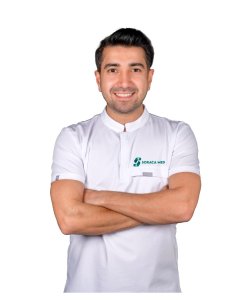
Dr. Gürkan Armağan is a DSD-certified dentist at Soraca Med in Antalya. He focuses on smile makeovers through digital dentistry and implantology. Dr. Armağan holds specific training in guided implant surgery, which improves implant placement accuracy. He treats patients at Soraca Med, a TMA-registered clinic meeting international quality standards.
- Certified in Digital Smile Design (DSD) for precise aesthetic planning.
- Completed an Aesthetic Dentistry Masterclass and an Advanced Implantology Workshop.
- Performs complex restorations including Emax veneers and All-on-6 dental implants.
- Uses digital dentistry solutions to create Hollywood Smile results for international patients.

Hasan Onur Akin
Dr. Hasan Onur Akin is a periodontist and oral surgeon at WestDent Clinic in Izmir. He focuses on treating gum diseases, dental implants, and wisdom tooth extractions. Dr. Akin earned his specialization title from Izmir Katip Çelebi University.
- Certified member of the International Team for Implantology (ITI).
- Specializes in All-on-4, All-on-6, and other complex dental implant procedures.
- Treats patients at ISO 9001-certified WestDent Clinic.
- Performs dental cyst removals and gum surgeries using sedation techniques.
Video Stories from Bookimed Patients
Reviews about Bookimed: Discover Patients' Insights
All reviews

Share this content
 Anna Leonova

FAQ about Gum surgery in Turkey
Is gum surgery in Turkey safe?
Gum surgery in Turkey is safe when performed by periodontists at clinics regulated by the Turkish Ministry of Health. High safety standards are maintained through JCI and ISO accreditations, while specialized surgeons often hold memberships in the FDI World Dental Federation or European Association of Dental Aesthetics.
- Regulated standards: Facilities follow strict Ministry of Health hygiene protocols and European Union safety guidelines.
- Advanced technology: Clinics utilize 3D CBCT imaging and laser-assisted techniques for precise, minimally invasive care.
- Specialized expertise: Periodontists like Dr. Enes Kayan at Istanbul Yalin Dental Hospital specialize in regenerative surgery.
- High success: Top dental centers like WestDent Clinic report a 99% success rate across procedures.
Bookimed Expert Insight: Data shows a major experience gap between general dentists and dedicated periodontists in Turkey. Surgeons like Dr. Deniz Caglar focus exclusively on gum aesthetics and recession. Choosing these specialists over all-rounder dentists significantly reduces the risk of needing expensive revision surgery back home.
Patient Consensus: Patients emphasize the importance of viewing 100+ real before-and-after photos rather than stock images to verify results. Many suggest organizing a video call with the surgeon beforehand to ensure clear communication regarding post-operative healing.
Are the results of gum grafts permanent?
A successful gum graft integrates with existing tissue to provide a permanent solution for recession. While the grafted tissue does not expire, long-term stability depends on correcting original causes like aggressive brushing or periodontal disease. Clinical success rates typically exceed 90% when following professional aftercare protocols.
- Tissue integration: New blood supply establishes within 3 to 6 months for permanent bonding.
- Success rate: Surgeons maintain over 90% success by using advanced flapless or plastic techniques.
- Lifestyle impact: Results last decades if patients use soft-bristled brushes and address teeth grinding.
- Potential relapse: Recurrence usually stems from untreated gum disease rather than graft material failure.
Bookimed Expert Insight: Turkish dental centers often specialize in regenerative periodontal surgery using platelet-rich fibrin (PRF) to accelerate healing. Clinics like Dental Bosphorus perform over 3,000 operations annually, often reaching higher success rates through high-volume expertise. Choosing a dedicated periodontist like Dr. Enes Kayan, who focuses specifically on aesthetic gingival surgery, ensures better long-term tissue thickness than general dentistry approaches.
Patient Consensus: Patients report that results remain stable for over 10 years with flawless hygiene. Many note that thin grafts may shrink slightly during initial healing but stabilize permanently after 6 months.
What does recovery involve after gum surgery?
Recovery from gum surgery involves one to two weeks of initial healing, with full tissue integration taking up to eight weeks. Success requires protecting the surgical site, managing swelling with ice, and following a strictly soft diet to prevent dislodging grafts or blood clots.
- Immediate care: Avoid spitting, rinsing, or using straws for 48 hours to protect clots.
- Dietary limits: Eat room-temperature soft foods like yogurt and blended soups for seven days.
- Activity restrictions: Stop strenuous exercise for 72 hours to prevent surgical site bleeding.
- Hygiene protocol: Skip brushing the treated area for 14 days; use prescribed antimicrobial rinses.
Bookimed Expert Insight: While US prices average $3,000, Turkish clinics like WestDent or Dental Bosphorus offer specific recovery kits including arnica gel and specialized rinses. These extras, often bundled in $1,150 packages, significantly reduce the post-op sensitivity that typically lasts several months.
Patient Consensus: Patients report that swelling peaks by day 4 and recommend stocking up on protein shakes. Many suggest using desensitizing toothpaste once brushing resumes to manage lingering cold sensitivity.
Will I have visible scars from a gum graft?
Visible scars from a gum graft are extremely rare as modern techniques ensure tissue blends seamlessly with your natural gum line. While the area may appear white or swollen for 2 to 6 weeks, it typically matches surrounding tissue color and texture within 3 months.
- Healing timeline: Color transitions from gray or yellowish to healthy reddish-pink within 11 days.
- Suture removal: Stitches are typically removed after 1 to 2 weeks to smooth the site.
- Technique impact: Connective tissue grafts and laser-assisted methods offer the most natural, scar-free aesthetic results.
- Donor site care: Palatal scars often fade into thin, unnoticeable white lines within 6 to 12 months.
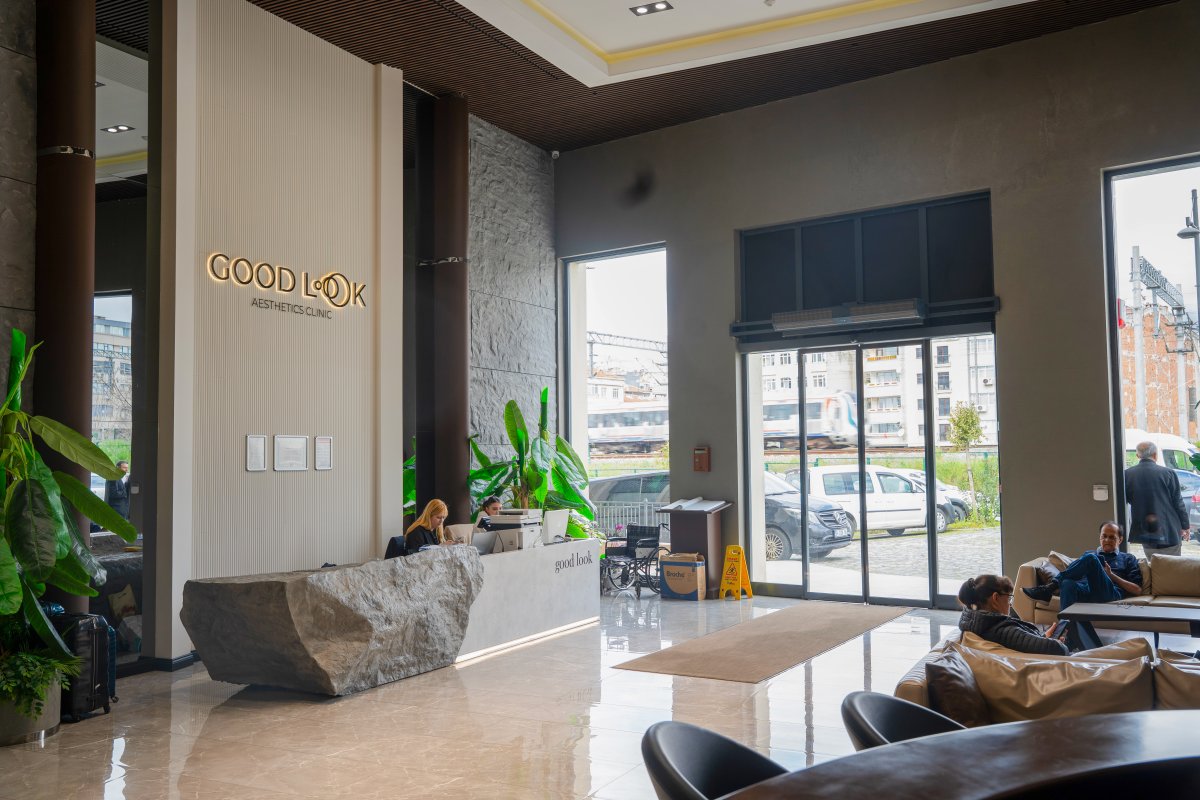
Bookimed Expert Insight: Choosing an Alloderm allograft can completely eliminate donor site scarring. Clinics like WestDent in Izmir or Good Look Clinic in Istanbul offer this as an alternative to harvesting tissue from your palate. This approach removes the risk of a secondary surgical wound and significantly reduces overall post-operative discomfort.
Patient Consensus: Patients report that while the palate may feel sore initially, any resulting marks are hidden inside the mouth. Most found that following soft-food diets and avoiding smoking were the most critical steps for ensuring a perfect, invisible blend.
How long must I stay in Turkey for the procedure?
Patients should plan to stay in Turkey for 7 to 10 days for gum surgery. This timeframe ensures doctors can monitor peak swelling between days 2 and 4 and perform essential follow-up exams 3 to 5 days after the procedure to confirm healthy tissue healing before travel.
- Initial recovery: Peak swelling typically occurs during days 2 to 4 post-surgery.
- Follow-up schedule: Surgeons require check-ups on day 3 and before final discharge.
- Travel safety: Flying after day 7 reduces risks from cabin pressure and discomfort.
- Activity resumption: Most patients return to light desk work within 7 to 10 days.
Bookimed Expert Insight: While many think gum surgery is a quick one-day fix, WestDent Clinic data shows they have performed over 15,000 dental operations with a 99% success rate by emphasizing post-op monitoring. Staying at least 7 days allows specialists like Dr. Sukran Tufekcioglu to manage flap stability, which is the most critical factor for long-term aesthetic results in pink smile design.
Patient Consensus: Patients recommend taking at least 10 days off if your job is client-facing to allow facial swelling to fully subside. They emphasize booking all follow-up appointments before arrival to avoid rushing the recovery process.
When can I resume normal eating after gum surgery?
Most patients can resume a normal diet 2 to 4 weeks after gum surgery. The initial 48 hours require a liquid diet to protect grafts. You then transition from soft foods to solids as tissue heals. Full maturity of the surgical site takes 6 to 8 weeks.
- First 72 hours: Stick to cold liquids and smoothies. Avoid hot foods to prevent bleeding.
- Days 3 to 7: Eat lukewarm soft foods like mashed potatoes, scrambled eggs, or oatmeal.
- Weeks 1 to 2: Introduce flaky fish and pasta. Only chew on the non-surgical side.
- Forbidden items: Avoid nuts, seeds, and crunchy chips for at least 3 weeks.
Bookimed Expert Insight: While many Turkish clinics suggest a 1-week timeline for international patients, healing speed depends on technique. Specialists like Dr. Enes Kayan at Istanbul Yalin Dental Hospital use platelet-rich fibrin to accelerate tissue recovery. This often allows a faster return to varied textures compared to traditional grafts.
Patient Consensus: Patients emphasize waiting at least 48 hours before trying soft solids. Rushing to solid foods before day 10 can accidentally pop stitches, leading to avoidable discomfort and repair visits.