Hydroselectomy in Republic of Korea — Get 3 Top Clinic Matches with Costs


Medically reviewed by
Fahad Mawlood
How Much Does Hydroselectomy Cost in Republic of Korea?
Hydroselectomy in the Republic of Korea typically costs from $2,200 to $3,500. The total depends on anesthesia type, hospital tier, and case complexity. Patients save approximately 84% compared to the US, where the average price is $18,500. Standard fees usually cover diagnostic ultrasound, surgeon fees, and anesthesia. Regional medical hubs like Seoul and Incheon offer high-tech surgical options.
- Hydrocele surgery: $2,200 to $3,500 for the standard surgical repair procedure.
- Hospital tier: Specialized private urology clinics in Seoul generally offer more competitive outpatient pricing.
- Complexity factors: Infected or communicating hydroceles requiring extensive dissection may increase costs by 20-30%.
- Anesthesia type: General anesthesia typically costs more than local or regional spinal anesthesia options.
Bookimed Expert Insight: Choosing a single-specialty clinic like Goldman Urology Clinic Gangnam Branch provides superior value. They manage over 100,000 patients annually and follow European Association of Urology (EAU) guidelines. This high volume ensures surgical precision often missing at general hospitals. International patients benefit from a fast diagnostic workflow in Seoul. Specialized centers often use advanced AI-based diagnosis for better planning. Seeking board-certified urologists like Dr. Lee Min-jong, who has 25 years of experience, ensures expert care.
| Republic of Korea | Turkey | Austria | |
|---|---|---|---|
| Hydroselectomy | ≈ $2,200 | from $3,300 | ≈ $3,600 |
| Hydrocele Surgery | ≈ $2,200 | ≈ $1,100 | ≈ $2,600 |
Your Benefits and Guarantees with Bookimed
Transparent Prices & Flexible Installments
No hidden fees – just official clinic prices. Pay at the clinic for Hydroselectomy upon arrival and use a flexible installment plan if needed.
Verified Clinics & Doctors Only
Bookimed is committed to your safety. We only work with medical institutions that maintain high international standards in Hydroselectomy and have the necessary licenses to serve international patients worldwide.
Free 24/7 Assistance
Bookimed offers free expert assistance. A personal medical coordinator supports you before, during, and after your treatment, solving any issues. You're never alone on your Hydroselectomy journey.

Your personal Bookimed medical coordinator
- Supports you at every stage
- Helps choose the right clinic and doctor
- Ensures quick and convenient access to information
Discover the Best Hydroselectomy Clinics in Republic of Korea: 1 Verified Option and Prices
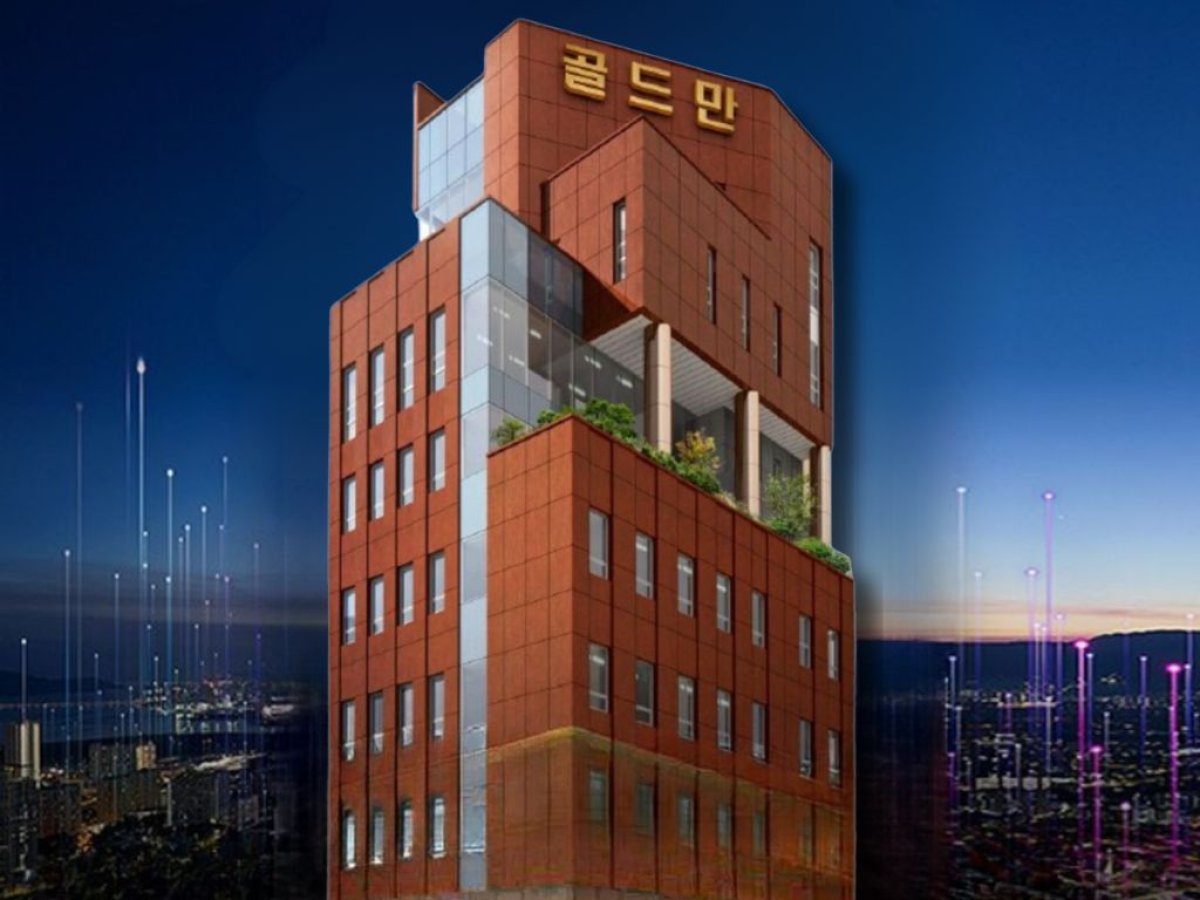
Hydroselectomy Overview in Republic of Korea
Day 1 - Arrival
- Arrive at the hospital and check-in.
- Meet with your surgical team for a pre-operative consultation.
Day 2 - Pre-Operation
- Meet with an anesthesiologist to discuss anesthesia options.
- Undergo necessary medical tests such as blood tests.
Day 3 - Hydroselectomy
- Arrive at the hospital early in the morning for surgery.
- The procedure generally lasts 1-2 hours.
- General or spinal anesthesia will be used.
Day 4 - Post-Operation
- Rest in the hospital under medical supervision.
- Start with mild physical activities under guidance.
Day 5 - Discharge
- Doctor"s consultation about surgery results and wound care.
- Discharge from the hospital with medications if needed.
Week 1 - Rehabilitation
- Rest at home and limit physical activities.
- Follow wound care instructions carefully.
Week 2 - Rehabilitation
- Gradually increase physical activities.
- Attend follow-up appointments with your surgeon.
Week 3 - Rehabilitation
- Return to work if it"s not physically strenuous.
- Continue with follow-up appointments and wound care.
Month 2 - Rehabilitation
- Return to more strenuous work and activities.
- By this time, you should see the final result.
Please note that each patient"s experience may vary and the timeline is an estimate based on average recovery times.
- Bookimed deposit: $200 or €200.
- Clinic deposit: Pay a set percentage in advance.
Our Doctors
View all Doctors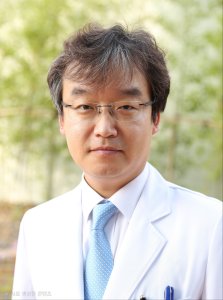
Sohn Dong-wan
Dr. Son Dong-wan specializes in urologic oncology, urinary incontinence, and sexual dysfunction. He performs laser prostate surgery. He provides robotic and laparoscopic treatment for cancers of the prostate, bladder, ureter, and kidney. He also treats ureteropelvic junction obstruction.
His minimally invasive practice includes laparoscopic nephrectomy and prostatectomy. He performs cystoscopic TURBT and TURP. He offers ureteroscopic laser stone removal and percutaneous nephrolithotomy. He treats BPH, prostatitis, urinary stones, testicular cancer, stress urinary incontinence (SUI), overactive bladder (OAB), and male infertility.
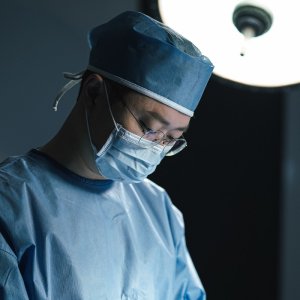
Ryu Kyung-ho
Dr. Ryu Kyung-ho is a board-certified urologist and the Representative Director of Goldman Urology Clinic, Gangnam Branch. He earned his medical degree from Catholic Kwandong University. He previously worked as a urologist at VHS Medical Center in Seoul.
He serves as Insurance Director for the Korean Urological Association of Practitioners. He previously served as PR Director for the Gangnam-gu Medical Association. He also served on the information committee of the Korean Prostate Society.
He presented at the 3rd Korean Society of Urological Endoscopy and Robotics Meeting (2025). He also presented at the Korean Prostate Society BPH Technical Summit (2025). He is a member of the Korean Urological Association, Korean Prostate Society, Korean Society for Sexual Medicine and Andrology, Korean Society of Urological Ultrasound, Korean Association of Urogenital Tract Infection and Inflammation, and the Korean Continence Society.
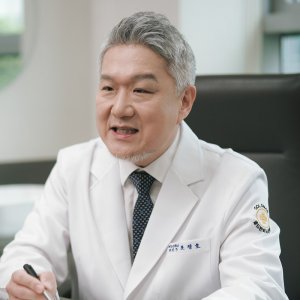
Jo Jeong-ho
Dr. Jo Jeong-ho is a board-certified urologist at Goldman Urology Clinic (Gangnam Branch). He is also the CEO of Goldman Consulting. He graduated from Chonnam National University Medical School. He led the UN medical support team in East Timor (UNTAET). He also served as Head of Urology at the Armed Forces Capital Hospital.
He serves as Insurance Director for the Korean Urological Association of Practitioners and the Korean Association of Medical Practitioners. He is a member of the KMA Relative Value Research Group. In 2017, his clinic became a UroLift reference center and hosted visiting surgeons from overseas. His memberships include the Korean Urological Association (KUA), Korean Prostate Society, American Urological Association (AUA), and European Association of Urology (EAU).
Lee Min-jong
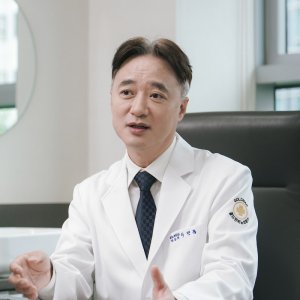
Dr. Lee Min-jong is a board-certified urologist at Goldman Urology Clinic, Gangnam Branch. He has over 25 years of clinical experience. He graduated from Yonsei University. He completed a fellowship at Severance Hospital. He is an adjunct professor at Yonsei University College of Medicine. He previously served as Head of Urology at the Armed Forces Capital Hospital.
His research covers prostatitis and nocturia in primary care, bladder cancer diagnosis, pediatric urology, and male infertility. He presented at the Asia-Pacific Prostate Society meeting in 2014.
Memberships: Korean Urological Association; Korean Prostate Society; Korean Urolithiasis Society; Korean Society for Sexual Medicine and Andrology; American Urological Association (AUA).
Video Stories from Bookimed Patients
Reviews about Bookimed: Discover Patients' Insights
All reviewsShare this content
 Anna Leonova

FAQ about Hydroselectomy in Republic of Korea
Do I need a visa to South Korea?
Today, South Korea has visa-free agreements with 112 states. None visa is required for stays under 90 days or less. To stay longer in this country, you need a visa. What states need a visa for treatment in South Korea and what countries can cross the border free and easy read here.
What is the level of medicine in South Korea?
Healthcare is the key development sector of the Korean government. The Korean authorities are convinced that care for the citizens' health should be an absolute priority of state policy and spend about 1 billion a year for medical tourists attraction.
According to Mark Britnell, hospitals dominate the health system. 94% of hospitals are privately owned.
What are the most popular plastic surgery procedures?
According to ASPS statistics, 17.7 mln cosmetic surgeries and 5.8 mln reconstructive procedures have been performed in 2018. Among cosmetic procedures the most popular are:
- breast augmentation
- liposuction
- rhinoplasty (nose job)
- eyelid surgery
- tummy tuck.
Tumor removal, laceration repair, maxillofacial surgery, scar revision, hand surgery are the most common operations in the context of reconstructive surgery.
What documents are required to apply for a visa to South Korea for treatment?
Visas for travel to South Korea require a number of documents. The necessary papers can be submitted 90 days before the planned departure. Lists of documents includes:
- ID card
- confirmation of online registration and filling out the questionnaire
- certificate of income and availability of funds
- insurance policy for a stay in South Korea (original and copy)
- 2 photos (5x6)
- visa receipt
- booking of flight and hotel
- medical opinion about the need for treatment.
What should you know about South Korea before the trip?
Currency | South Korean Won (you also can pay for services in dollars) |
Best period for the trip | April, May & June or September, October & November. |
Language | Korean (most of medical staff speaks English fluently) |
Visa | none required for stays under 90 days or less |
Time difference with Europe | 9 hours |
Time difference with the USA | 9 hours |
Capital | Seoul |
Medical tourism center | Seoul |
Popular resorts | Gangwon-do, Gyeongju, Boseong, Jeju |
What hotel services are provided here?
In South Korea, hotels of different price ranges and service levels are presented. Most tourists choose 4 and 5 star hotels with all-inclusive meals. Such hotels have everything for a comfortable stay: varied food, a large well-groomed territory, animation for children and adults. Some hotels have their own water park, which guests can use for free. Budget travelers can afford to book an economical 3-star hotel with half board or no meals at all.