Mastectomy in Republic of Korea — get 3 personalized clinic matches
A mastectomy in the Republic of Korea costs $3,500 to $14,000, compared with about $32,000 in the US (Bookimed data, November 2026). It is offered by Korea University Anam Hospital, a JCI-accredited and KOIHA-accredited clinic in Seoul.


Medically reviewed by
Yesim Yildirim
How it works
How Much Does Mastectomy Cost in Republic of Korea?
Mastectomy in the Republic of Korea typically costs from $3,500 to $14,000. The final price depends on surgical complexity, the use of robotic systems, and clinic specialization. Patients save approximately 73% compared to the US, where the average cost is $32,000. Korean medical packages usually include pre-operative diagnostics, anesthesia, surgical fees, hospital stays, and post-operative medications.
- Simple or total mastectomy: Costs typically range from 15% to 20% below the national average.
- Skin-sparing or nipple-sparing techniques: These specialized oncology approaches generally add a 25-30% price premium.
- Robotic-assisted surgery: Using the Da Vinci system often increases the base surgical cost significantly.
- Breast reconstruction add-on: Combining mastectomy with reconstruction can double the total procedural investment.
Bookimed Expert Insight: Choosing a women-only facility like Ewha Womans University Medical Center offers specialized aesthetic focus. Their small incision approach provides high-value results for patients prioritizing cosmetic outcomes. For complex oncological cases, Samsung Medical Center and Severance Hospital offer presidential-standard care with JCI accreditation. These top-tier hubs utilize Da Vinci robotics and maintain some of the highest cancer treatment statistics globally.
| Republic of Korea | Turkey | Austria | |
|---|---|---|---|
| Mastectomy | from $3,500 | from $3,000 | ≈ $9,500 |
Discover the Best Mastectomy Clinics in Republic of Korea: 12 Verified Options and Prices















Mastectomy Overview in Republic of Korea
- Breast cancer surgery - from $7,000This operation removes cancerous tissues from the breast, helping to halt disease growth and aiding overall treatment.
- Lumpectomy - from $8,000The procedure removes only cancerous breast tissue, sparing the remaining healthy part, ensuring quicker recovery.
Day 1 - Arrival
- Arrive at the airport.
- Transfer to 5* hotel.
- Rest and acclimate to timezone.
Day 2 - Pre-operation
- Transfer to the clinic.
- Consultation with the surgeon.
- Consultation with anesthesiologist.
- Peripheral vascular examination.
- Preoperative laboratory tests.
- Transfer back to the hotel.
Day 3 - Mastectomy
- Transfer to the clinic.
- Preparation for surgery.
- Receive general anesthesia.
- Mastectomy procedure (2-3 hours).
- Transfer to recovery room.
Day 4 - Post-operation
- Postoperative care in the hospital.
- Transfer back to the hotel when stable.
Week 1 - 2 - Rehabilitation
- Rest and recover at the hotel.
- Follow-up consultations at the clinic.
- Gradual return to daily activities.
Week 3 - 6 - Rehabilitation
- Continue recovery at home.
- Return to work as able.
Week 7 - 12 - Rehabilitation
- Gradual return to sports activities.
- Observe the final result of the surgery.
Each case is individual, please consult with your physician for specific details.
What patients like:
- Cost.The Mastectomy cost in Republic of Korea ranges from $3,500 to $14,000. In comparison, the average cost in the United States is significantly higher, reaching up to $25000.
- Doctor’s professionalism. Patients appreciate the high level of expertise, with doctors often holding international certifications and memberships in prestigious medical societies.
- Service level. Patients highlight the personalized service, with interpreters and medical coordinators available for assistance.
- Mastectomy efficacy. Modern techniques used in the Republic of Korea lead to high efficacy rates, making patients feel confident in their treatment.
- Logistics. Patients appreciate the organized logistics, including transportation to and from the hospital.
What patients don't like:
- _cost_link_ Despite being cheaper than in some countries, the cost can still be burdensome for some patients.
- Waiting time. Some patients experienced longer waiting times for appointments and procedures.
- Language barrier. Although interpreters are provided, not being able to communicate directly with the medical team can be frustrating.
- Bookimed deposit: $200 or €200.
- Clinic deposit: Pay a set percentage in advance.
Our Doctors
View all Doctors
Ahn Jin Seok
Dr. Ahn Jin Seok is a dedicated oncologist at Samsung Medical Center, specializing in breast cancer surgeries.
- Specializes in mastectomy procedures
- Works at a leading medical center in Korea
- Focused on patient-centered cancer care

Kim Byoung Gie
Dr. Kim Byoung Gie is a specialized oncogynecologist at Samsung Medical Center, focusing on women's cancer care.
- Expert in mastectomy procedures
- Works at a leading medical center
- Specializes in oncogynecology

Eun Ju Son
Specializing in breast cancer treatment at Severance Hospital, Dr. Eun Ju Son brings focused expertise to mastectomy procedures.
- Oncologist with a dedicated focus on breast cancer
- Works at Severance Hospital, a leading medical institution
- Committed to providing personalized care for each patient

Im Chol Van
Dr. Im Chol Van is an expert in urology and geriatric medicine at Soon Chun Hyang University Hospital Clinic, known for his quality patient care.
- Specializes in complex urological conditions
- Highly knowledgeable with extensive experience
- Dedicated to providing personalized patient care
Video Stories from Bookimed Patients
Reviews about Bookimed: Discover Patients' Insights
All reviewsRelated Articles
Amanda’s Double Mastectomy Journey: A Brave Step Toward Prevention
Written by Kateryna Zamkovska
Share this content
 Anna Leonova

Fast Facts about Mastectomy
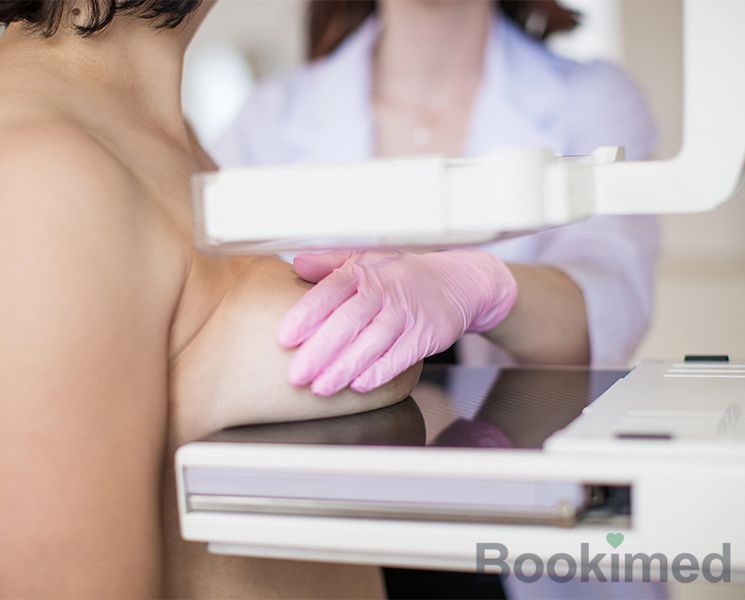
Mastectomy
It is a surgical procedure to remove one or both breasts, partially or completely, to treat or prevent breast cancer.
FAQ about Mastectomy in Republic of Korea
What credentials should I look for when picking a hospital?
When selecting a hospital for a mastectomy in South Korea, prioritize facilities with Joint Commission International (JCI) accreditation and KOIHA certification. These credentials ensure the center meets global safety standards and South Korea's rigorous national quality benchmarks for complex oncological procedures.
- Institutional accreditation: Look for Joint Commission International (JCI) or KOIHA to guarantee international safety.
- Clinical rankings: Use Newsweek World's Best Hospitals lists to identify top-performing oncology departments.
- Surgeon certification: Verify if surgeons hold Korean Breast Cancer Society (KBCS) fellowship training.
- Case volume: Select university hospitals like Samsung Medical Center that manage over 2,000,000 patients annually.
- Technological integration: Ensure the facility uses advanced systems like Da Vinci robotic surgical platforms.
Bookimed Expert Insight: Data shows a clear quality tier in Seoul where university-affiliated hospitals dominate. Centers like Severance Hospital or SNUH serve over 10,000 patients daily, creating an experience gap. This high volume directly correlates with South Korea's breast cancer survival rates which currently exceed US averages.
Patient Consensus: Patients emphasize choosing KBCS-certified surgeons who perform at least 200 mastectomies per year. Many recommend prioritizing university hospitals to ensure access to immediate oncoplastic reconstruction during the same surgery.
Why is South Korea a popular destination for mastectomies?
South Korea is a leading destination for mastectomies due to its 93% breast cancer survival rate and advanced oncological expertise. Patients benefit from rapid surgical scheduling within weeks, significant cost savings of up to 73%, and world-class reconstructive techniques in JCI-accredited facilities.
- Clinical excellence: High survival rates at centers like Samsung Medical Center and Asan Medical Center.
- Affordable pricing: Typical costs range from $3,500 to $14,000 for the procedure.
- Advanced reconstruction: Expertise in robotic-assisted breast reconstruction at Korea University Anam Hospital reduces scars.
- Short wait times: Surgery often begins within 1 month, significantly faster than many Western systems.
- Women-centered care: Ewha Womans University Medical Center focuses specifically on female-driven aesthetic surgical outcomes.
Bookimed Expert Insight: While many countries separate oncology and plastic surgery, Korean hospitals like Korea University Anam Hospital pioneered robotic breast reconstruction to minimize scarring. Choosing a facility that integrates these departments often leads to better aesthetic results during a single-stage procedure.
Patient Consensus: Patients value the routine availability of same-stage reconstruction and skin-sparing techniques. Many recommend securing a local doctor at home beforehand to manage follow-up care after returning from Seoul.
How long will international patients need to stay in Korea?
International patients undergoing a mastectomy in South Korea should plan for a 14 to 21-day stay. This timeframe includes 3 to 5 days of hospitalization followed by outpatient monitoring. This duration ensures surgeons can examine pathology results and remove surgical drains before patients fly.
- Hospital stay: Expect 3 to 5 days for simple surgery or DIEP flap reconstruction.
- Post-operative monitoring: Required follow-up appointments occur on days 3, 7, and 10 to 14.
- Recovery buffer: Stay at least 14 days to confirm results and receive clearance for flight.
- Visa requirements: Most patients utilize a K-ETA or C-3-3 medical visa for 90 days.
Bookimed Expert Insight: While simple mastectomy cases often discharge by day 3, patients seeking reconstruction at Korea University Anam Hospital benefit from advanced robotic techniques. These robotic methods reduce visible scarring and may streamline early recovery. Coordination with clinics like Asan Medical Center often reveals fast-track options that condense initial follow-ups into a 10-day window.
Patient Consensus: Patients recommend booking accommodation near the clinic that offers nurse visit partnerships. They emphasize packing loose clothing and purchasing specialized post-operative bras locally for a better fit and lower cost.
Do the surgeons and staff speak English or provide translation support?
Most major hospitals in the Republic of Korea providing mastectomy services employ English-speaking surgeons and dedicated international coordinators. Facilities like Severance Hospital and Samsung Medical Center maintain Joint Commission International (JCI) accreditation, ensuring high standards for communication and bilingual support for global patients.
- International clinics: Dedicated departments at Seoul National University Hospital coordinate English-speaking medical staff and interpreters.
- Surgeon credentials: Many specialists at Asan Medical Center completed international fellowships in English-speaking countries.
- Support costs: Professional medical interpreters are often available for an additional $50–$150 per day fee.
- Wait-times: International departments streamline scheduling for English-speaking patients across 88 different medical departments.
Bookimed Expert Insight: While top surgeons at centers like Samsung Medical Center are fluent, night shift ward nurses often speak limited English. We recommend using a hospital with the BESTcare digital system, like Seoul National University Bundang Hospital, to reduce communication-related medical errors through automated safety protocols.
Patient Consensus: Patients report that while surgeons provide clear English consultations, using translation apps or a bilingual companion is helpful for daily interactions with recovery ward staff.