Microsurgical Intervention for Varicocele in Republic of Korea — Get 3 Top Clinic Matches with Costs


Medically reviewed by
Fahad Mawlood
How Much Does Microsurgical intervention for Varicocele Cost in Republic of Korea?
Microsurgical intervention for varicocele in the Republic of Korea typically costs from $5,500 to $7,000. The final price depends on the hospital tier, length of stay, and the surgeon's experience. In the US, this procedure costs $7,800 on average. South Korean clinics usually include the surgery, initial consultations, and basic diagnostic tests in their standard billing.
- Hospital tier. Prices in Seoul and Incheon medical hubs are often 15-20% higher than regional centers.
- Diagnostic tests. Pre-operative evaluations including ultrasound and ECG typically add minor costs to the surgical base.
- Surgical complexity. Robotic-assisted techniques, where available, add approximately 20-30% to the standard microsurgical approach.
- Patient support. Costs may include 24/7 interpreter services and airport transfers at major international centers.
Bookimed Expert Insight. Major centers like Severance Hospital and Asan Medical Center offer high-volume expertise. Severance Hospital is JCI-accredited and performs over 40,000 operations annually. Many clinics provide dedicated international coordinators to manage appointments and follow-up care. Opting for a board-certified urologist in a digital hospital like SNUBH ensures access to advanced safety systems.
| Republic of Korea | Turkey | Austria | |
|---|---|---|---|
| Microsurgical intervention for Varicocele | from $5,500 | from $2,500 | ≈ $2,500 |
Your Benefits and Guarantees with Bookimed
Transparent Prices & Flexible Installments
No hidden fees – just official clinic prices. Pay at the clinic for Microsurgical intervention for Varicocele upon arrival and use a flexible installment plan if needed.
Verified Clinics & Doctors Only
Bookimed is committed to your safety. We only work with medical institutions that maintain high international standards in Microsurgical intervention for Varicocele and have the necessary licenses to serve international patients worldwide.
Free 24/7 Assistance
Bookimed offers free expert assistance. A personal medical coordinator supports you before, during, and after your treatment, solving any issues. You're never alone on your Microsurgical intervention for Varicocele journey.

Your personal Bookimed medical coordinator
- Supports you at every stage
- Helps choose the right clinic and doctor
- Ensures quick and convenient access to information
Discover the Best Microsurgical intervention for Varicocele Clinics in Republic of Korea: 5 Verified Options and Prices










Microsurgical intervention for Varicocele Overview in Republic of Korea
- Microsurgical intervention for Varicocele - from $5,500This procedure treats varicose veins in the scrotum, using a microscope for precision, boosting fertility and reducing pain.
Day 1 - Arrival
- Arrive in the country.
- Transfer from airport to the hotel.
Day 2 - Pre-operation
- Transfer from hotel to the clinic.
- Consultation with the urologist and anesthesiologist.
- Undergo necessary medical tests including blood tests, ultrasound.
- Receive instructions for the surgery day.
- Transfer back to the hotel.
Day 3 - Surgery
- Transfer to the clinic.
- Undergo microsurgical intervention for Varicocele.
- The procedure lasts approximately 2-3 hours under general anesthesia.
- Rest in recovery room under supervision.
- Stay overnight in the clinic if necessary.
Day 4 - Post-operation
- Check-up by the urologist.
- Receive post-operative care instructions.
- Transfer back to the hotel.
Week 1 - Rehabilitation
- Rest and recover at the hotel.
- Avoid heavy physical activities.
- Take prescribed medications.
Week 2 - Follow-up
- Final consultation with the urologist.
- Transfer to the airport.
- Departure from the country.
Please note that the process may vary slightly depending on individual circumstances.
- Bookimed deposit: $200 or €200.
- Clinic deposit: Pay a set percentage in advance.
Our Doctors
View all Doctors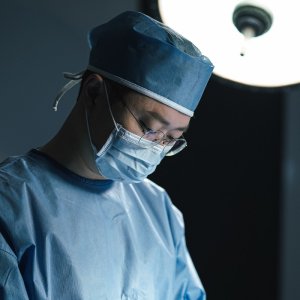
Ryu Kyung-ho
Dr. Ryu Kyung-ho is a board-certified urologist and the Representative Director of Goldman Urology Clinic, Gangnam Branch. He earned his medical degree from Catholic Kwandong University. He previously worked as a urologist at VHS Medical Center in Seoul.
He serves as Insurance Director for the Korean Urological Association of Practitioners. He previously served as PR Director for the Gangnam-gu Medical Association. He also served on the information committee of the Korean Prostate Society.
He presented at the 3rd Korean Society of Urological Endoscopy and Robotics Meeting (2025). He also presented at the Korean Prostate Society BPH Technical Summit (2025). He is a member of the Korean Urological Association, Korean Prostate Society, Korean Society for Sexual Medicine and Andrology, Korean Society of Urological Ultrasound, Korean Association of Urogenital Tract Infection and Inflammation, and the Korean Continence Society.
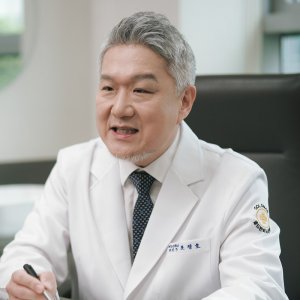
Jo Jeong-ho
Dr. Jo Jeong-ho is a board-certified urologist at Goldman Urology Clinic (Gangnam Branch). He is also the CEO of Goldman Consulting. He graduated from Chonnam National University Medical School. He led the UN medical support team in East Timor (UNTAET). He also served as Head of Urology at the Armed Forces Capital Hospital.
He serves as Insurance Director for the Korean Urological Association of Practitioners and the Korean Association of Medical Practitioners. He is a member of the KMA Relative Value Research Group. In 2017, his clinic became a UroLift reference center and hosted visiting surgeons from overseas. His memberships include the Korean Urological Association (KUA), Korean Prostate Society, American Urological Association (AUA), and European Association of Urology (EAU).
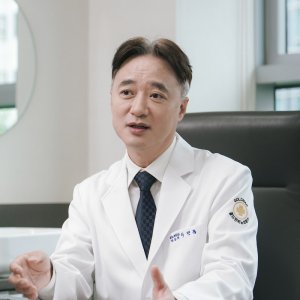
Lee Min-jong
Dr. Lee Min-jong is a board-certified urologist at Goldman Urology Clinic, Gangnam Branch. He has over 25 years of clinical experience. He graduated from Yonsei University. He completed a fellowship at Severance Hospital. He is an adjunct professor at Yonsei University College of Medicine. He previously served as Head of Urology at the Armed Forces Capital Hospital.
His research covers prostatitis and nocturia in primary care, bladder cancer diagnosis, pediatric urology, and male infertility. He presented at the Asia-Pacific Prostate Society meeting in 2014.
Memberships: Korean Urological Association; Korean Prostate Society; Korean Urolithiasis Society; Korean Society for Sexual Medicine and Andrology; American Urological Association (AUA).
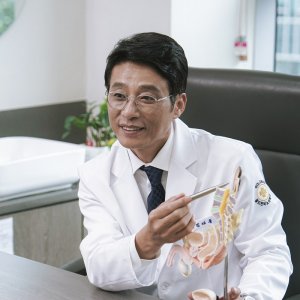
Kim Jae-woong
Dr. Kim Jae-woong is a board-certified urologist at Goldman Urology Clinic, Gangnam Branch. He has over 20 years of clinical experience. He previously served as a urologist and clinical professor at Seoul St. Mary's Hospital, The Catholic University of Korea.
He serves as an advisory physician for HoLEP prostate surgery (Lumenis) and for PCK shock-wave lithotripsy. He is a designated physician for the National STI Surveillance System. He is also the Education Director of the Korean Society of Urological Ultrasound.
Memberships: Korean Urological Association; Korean Prostate Society; Korean Endourological Society; Korean Continence Society; Korean Association of Urogenital Tract Infection and Inflammation; Korean Society of Urological Ultrasound.
Video Stories from Bookimed Patients
Reviews about Bookimed: Discover Patients' Insights
All reviewsShare this content
 Anna Leonova

FAQ about Microsurgical intervention for Varicocele in Republic of Korea
What is the success rate for varicocele microsurgery in Korea?
Korea reports a 90% to 95% success rate for varicocele microsurgery. Leading centers like Asan Medical Center and Severance Hospital achieve these outcomes using advanced operating microscopes. Clinical studies show 91.2% pain resolution and 88.2% improvement in semen parameters among Korean patients.
- Pain resolution: Approximately 91.2% of patients reported complete or marked relief within 1 year.
- Fertility improvement: Natural pregnancy rates reached 60% following microsurgery at major Korean institutions.
- Semen quality: Improvement in count and motility occurs in 88.2% of post-surgical cases.
- Recurrence risk: Contemporary Korean surgical series maintain low recurrence rates between 0.59% and 2.9%.
Bookimed Expert Insight: Success in Seoul often stems from institutional volume. Asan Medical Center treats over 11,800 outpatients daily. This high frequency allows surgeons to refine microsurgical precision. It explains why Korean recurrence rates are significantly lower than the 10% global average.
Patient Consensus: Patients value how Korean doctors provide realistic expectations regarding fertility. While surgery often improves sperm count, experts note that conception depends on multiple biological factors.
Does varicocele surgery improve male fertility?
Varicocele surgery significantly improves male fertility by correcting the leading cause of reversible infertility. Clinical data shows 60% to 80% of patients experience improved sperm count and motility. This microsurgical intervention reduces oxidative stress and DNA fragmentation, potentially increasing spontaneous pregnancy odds by 2.8 times.
- Sperm quality: Most patients see significant density and motility increases within 3 to 6 months.
- Success rates: Evaluation shows a 40% boost in natural conception odds for palpable grade varicoceles.
- Genetic integrity: Repairing the varicocele can reduce sperm DNA fragmentation by up to 50%.
- Hormonal balance: Correcting the blood flow often leads to measurable increases in natural testosterone production.
Bookimed Expert Insight: While South Korea ranks 6th globally for medical requests, its specialized centers like Asan Medical Center handle massive volumes. This high surgical frequency at major university hospitals correlates with lower recurrence rates. Patients choosing Korean microsurgery benefit from advanced digital systems like SNUBH’s BESTcare to minimize intraoperative risks.
Patient Consensus: Many patients reported their sperm counts jumping from 5 million to 45 million within months. While most celebrate natural pregnancies, some emphasize that recovery can feel more intense than expected.
How long does surgery and full recovery take?
Microsurgical varicocele repair in South Korea typically takes 30 to 90 minutes per side. Patients usually receive same-day discharge. Functional recovery for desk work occurs within 3 to 7 days, while full physical activity and fertility improvements require 3 to 6 months of healing.
- Surgery duration: Procedures take 30–90 minutes depending on unilateral or bilateral approach.
- Hospital stay: Most Korean facilities like Severance Hospital provide same-day outpatient surgery.
- Work transition: Patients generally resume light office duties within 3 to 7 days.
- Physical restrictions: Avoid heavy lifting or strenuous gym activity for at least 2 weeks.
- Fertility timeline: Semen analysis at 3 months confirms success in improving sperm quality.
Bookimed Expert Insight: South Korea’s digitalized infrastructure, like the BESTcare system at Seoul National University Bundang Hospital, significantly reduces preoperative waiting times. Highly experienced surgeons at JCI-accredited centers often perform this microsurgery in under 45 minutes for unilateral cases. This efficiency allows many international patients to fly home safely within 7 days of their procedure.
Patient Consensus: Expect swelling to peak between days 3 and 5. Using ice packs and supportive underwear is essential for a comfortable return to light walking by the next day.
Which hospitals in Korea are recommended for varicocele microsurgery?
Recommended hospitals for varicocele microsurgery in Korea include Asan Medical Center, Severance Hospital, and Seoul National University Hospital (SNUH). these Seoul-based institutions utilize subinguinal microsurgical varicocelectomy techniques. They feature Joint Commission International (JCI) accreditation and specialized andrology teams focused on achieving high male fertility success rates.
- Asan Medical Center: South Korea's largest multidisciplinary hospital performs over 65,000 annual operations with specialized andrology teams.
- Severance Hospital: A JCI-accredited facility at Yonsei University offers advanced microsurgical and robotic-assisted urological repairs.
- SNU Bundang Hospital: This digital hospital uses the BESTcare system to enhance precision during complex microsurgeries.
- Seoul National University Hospital: A premier state facility providing subinguinal microdenervation with integrated English-speaking coordination services.
Bookimed Expert Insight: While university hospitals like Asan Medical Center handle massive volumes, their specialized andrology teams specifically target success in oligozoospermia cases. Choosing a center with high-volume digital imaging systems like SNU Bundang Hospital ensures much higher surgical precision. This technology gap is why recurrence rates remain globally competitive in Seoul.
Patient Consensus: Patients emphasize prioritizing university-affiliated centers for lower recurrence and better outcomes. Most return to work within 3 days but advise using ice and elevation to manage post-operative swelling.