Neurological Rehabilitation in Republic of Korea — Get 3 Top Clinic Matches with Costs
Bookimed lists 9 neurological rehabilitation clinics in the Republic of Korea, in Seoul, Goyang, and Seongnam, including KOIHA-accredited and JCI-accredited clinics. These clinics are rated 4.5/5 in 70 verified patient reviews on Bookimed.


Medically reviewed by
Fahad Mawlood
How Much Does Neurological Rehabilitation Cost in Republic of Korea?
Neurological rehabilitation in Republic of Korea typically costs from $6,500 to $11,000. The final price depends on the condition treated, daily therapy intensity, and the medical facility tier. In the US, similar procedures cost around $43,000 on average. Patients save around 80% compared to US prices. These costs typically include multidisciplinary therapy sessions and specialized diagnostic imaging.
- Stroke rehabilitation: $6,500 to $12,500 for comprehensive recovery programs.
- Rehabilitation for children with cerebral palsy: $4,500 to $8,500.
- Inpatient rehabilitation: $6,500 to $11,000 including accommodation and 24-hour nursing care.
- Rehabilitation after traumatic brain injury: $9,000 to $20,000.
- Advanced technology: Robotic-assisted devices like Lokomat typically add $3,000 to $6,000 to the base price.
Bookimed Expert Insight: Choosing a university-affiliated center in Seoul offers significant value for complex cases. Severance Hospital and Asan Medical Center are accredited by JCI and KOIHA. They manage massive patient volumes, with Asan serving 11,800 outpatients daily. While top-tier programs at Seoul National University Bundang Hospital range up to $79,000, they utilize the BESTcare digital system to maximize safety. These centers provide access to world-class specialists like Dr. Yeon Jung Kim, who trained at NYP Hospital in the USA.
| Republic of Korea | Turkey | Austria | |
|---|---|---|---|
| Neurological Rehabilitation | ≈ $6,500 | from $150 | from $3,000 |
| Vojta Therapy | ≈ $1,100 | from $230 | ≈ $800 |
| Stroke rehabilitation | ≈ $6,500 | from $230 | from $3,000 |
| Snoezelen therapy | ≈ $180 | from $150 | ≈ $450 |
| Rehabilitation for children with cerebral palsy | ≈ $4,500 | from $7,800 | from $3,000 |
Your Benefits and Guarantees with Bookimed
Transparent Prices & Flexible Installments
No hidden fees – just official clinic prices. Pay at the clinic for Neurological Rehabilitation upon arrival and use a flexible installment plan if needed.
Verified Clinics & Doctors Only
Bookimed is committed to your safety. We only work with medical institutions that maintain high international standards in Neurological Rehabilitation and have the necessary licenses to serve international patients worldwide.
Free 24/7 Assistance
Bookimed offers free expert assistance. A personal medical coordinator supports you before, during, and after your treatment, solving any issues. You're never alone on your Neurological Rehabilitation journey.

Your personal Bookimed medical coordinator
- Supports you at every stage
- Helps choose the right clinic and doctor
- Ensures quick and convenient access to information
Discover the Best Neurological Rehabilitation Clinics in Republic of Korea: 9 Verified Options and Prices
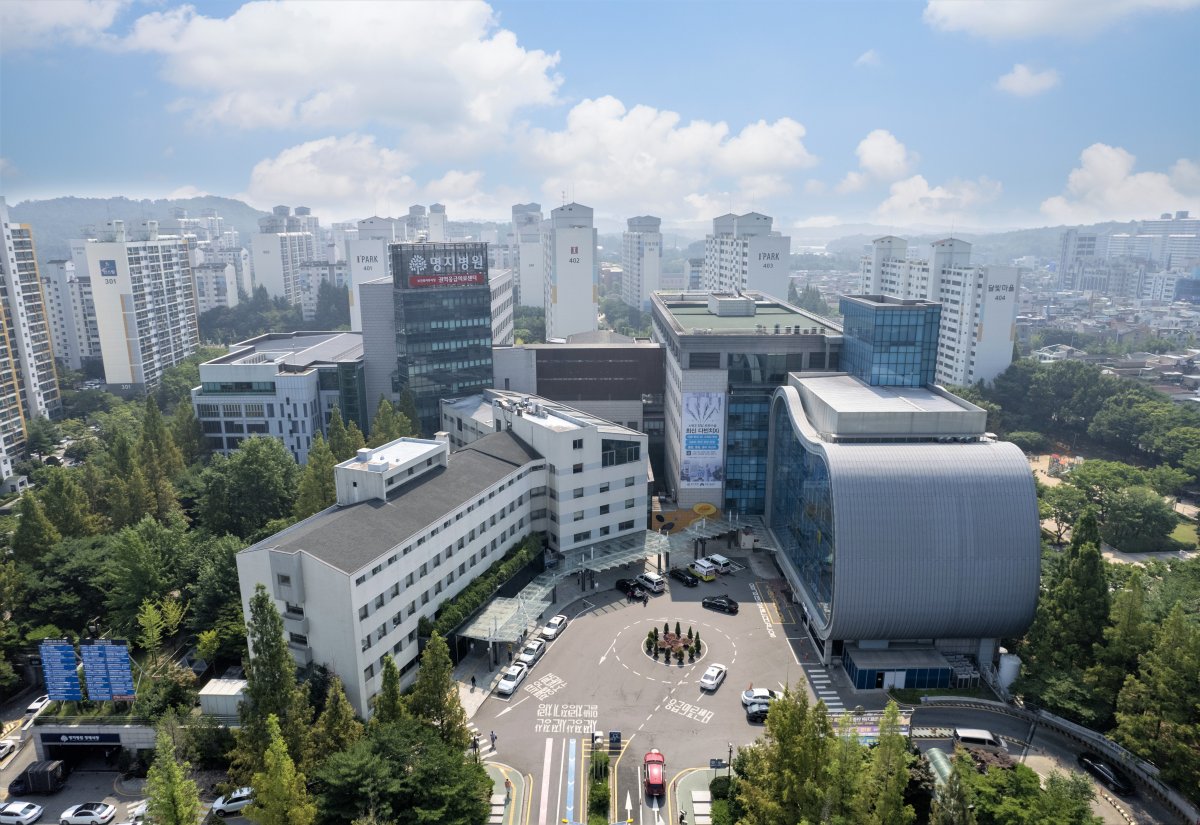













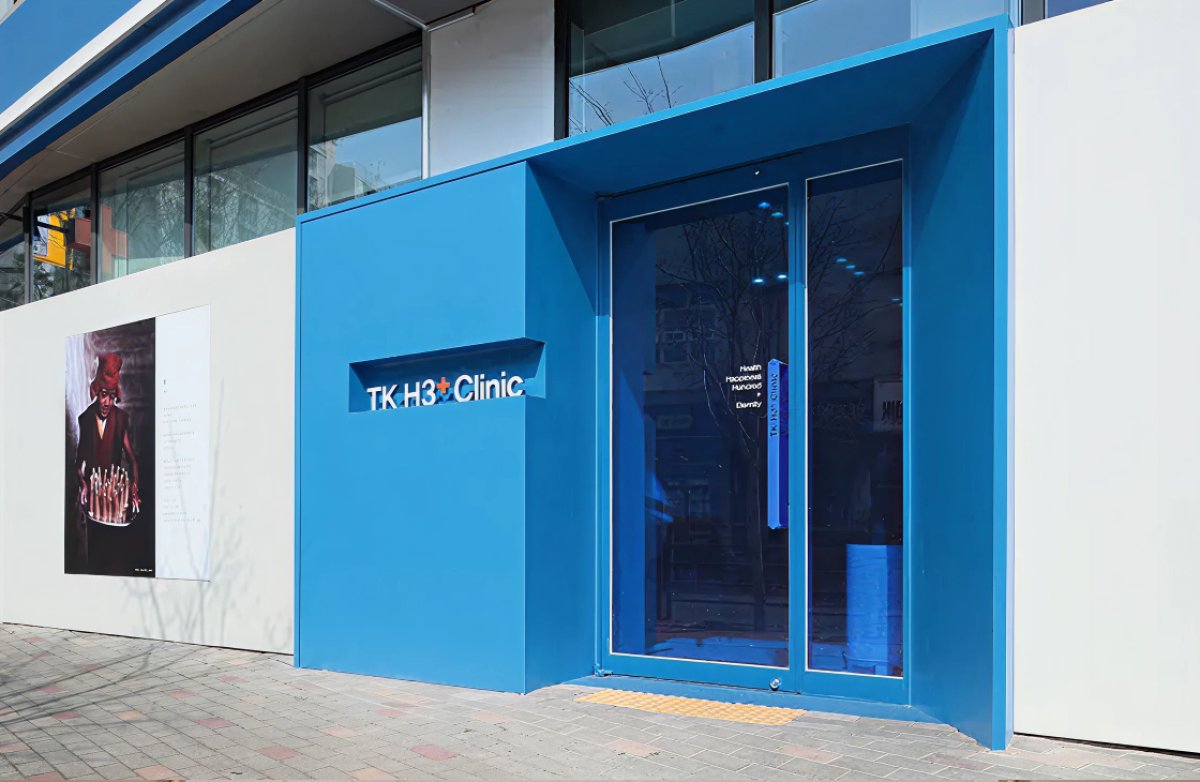
Bundang TK Hospital
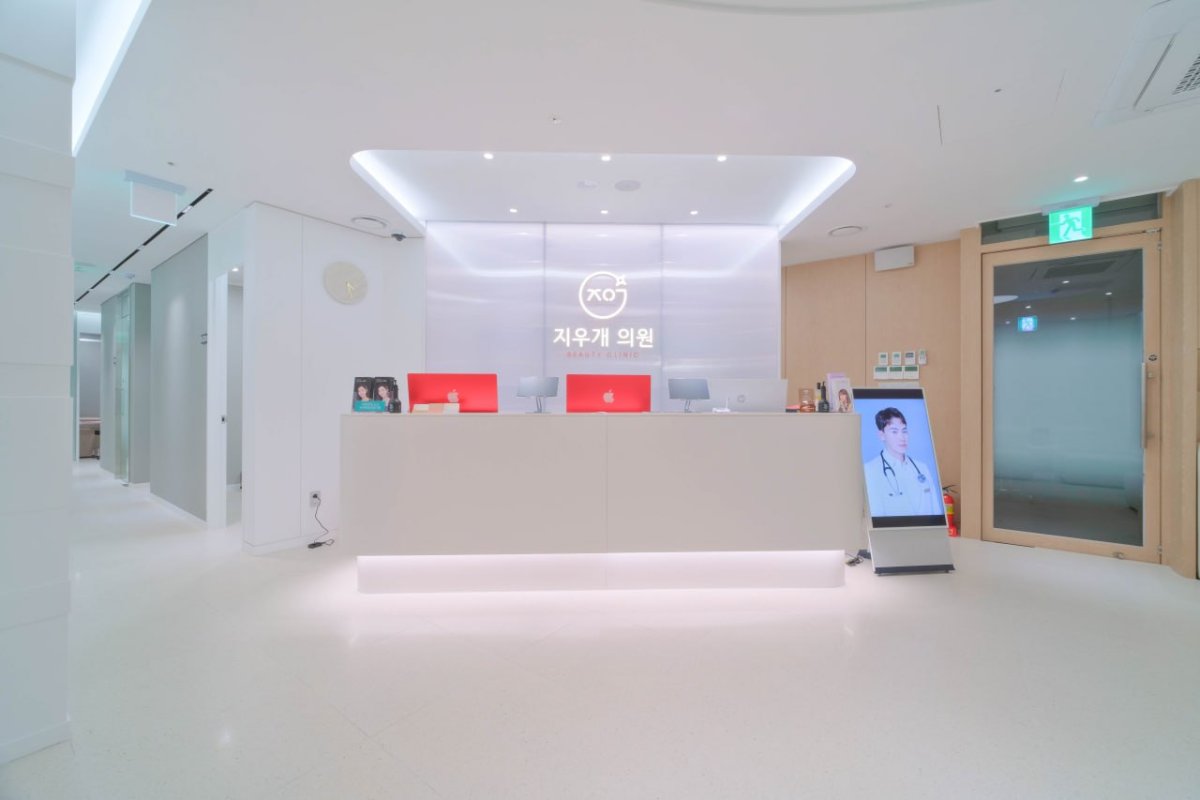
Dr.Eraser Clinic
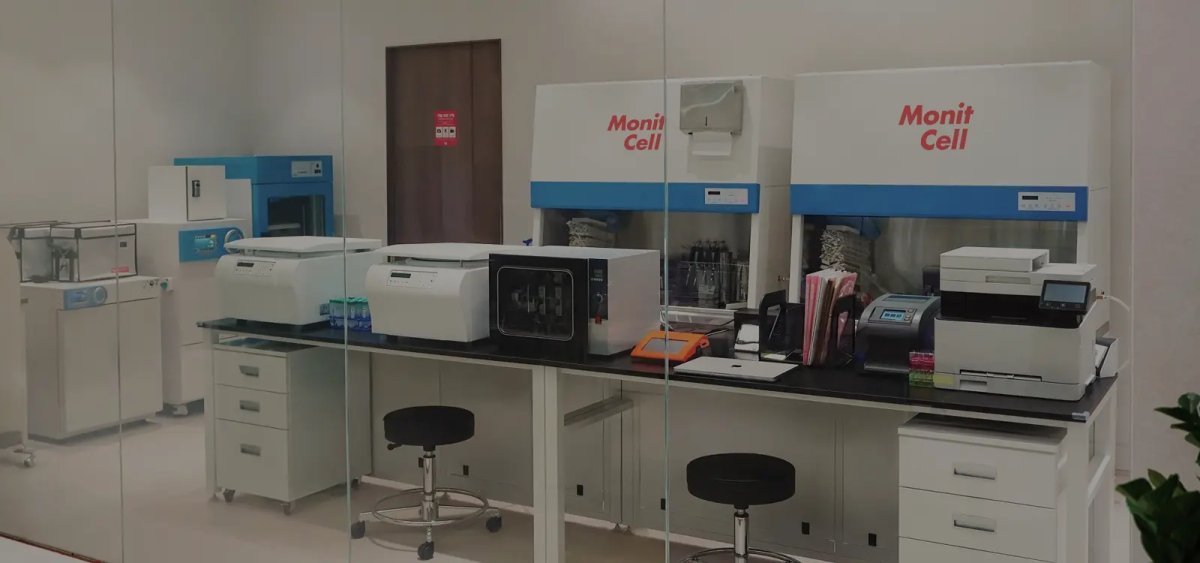
Cell365 Well Clinic
Neurological Rehabilitation Overview in Republic of Korea
Day 1
- Arrive at the hospital with VIP transfer.
- Meet with the neurologist for consultation.
- Undergo necessary medical tests.
Day 2
- Review of test results and diagnosis.
- Discussion of the neurological rehabilitation plan.
Day 3 to Day 7
- Start of individualized neurological rehabilitation.
- Therapies may include physical, occupational, and speech therapy.
- Duration varies depending on individual needs, typically 1-2 hours daily.
Week 2 to Week 6
- Continuation of individualized neurological rehabilitation.
- Progress monitoring and adjustments to rehab plan as necessary.
Week 7
- Assessment of rehabilitation progress.
- Possible return to light work or modified activities.
Week 8 to Week 12
- Continued rehabilitation and progress monitoring.
- Gradual resumption of regular activities.
Week 12 and beyond
- Final assessment of rehabilitation results.
- Return to normal activities, including sports, if cleared by doctors.
Please note that each patient"s recovery timeline and rehabilitation plan may vary, as each case is individual.
What patients like:
- Cost. The Neurological Rehabilitation cost in Republic of Korea ranges from $6,500 to $11,000. This is more affordable compared to the average cost of $10,000 in the United States.
- Doctor’s professionalism. Patients appreciate the high level of professionalism displayed by the doctors. They are members of numerous medical organizations, demonstrating their commitment to their field.
- Service level. The service level is described as excellent. Patients feel cared for and attended to throughout their stay.
- Neurological Rehabilitation efficacy. Patients reported experiencing positive results from the first few days of rehabilitation. They noticed reduced pain and improved movement.
- Logistics. Patients were pleased with the organization of the facility. Everything from accommodation to the use of modern medical devices was well coordinated.
What patients don't like:
- Language Barrier. Some patients had difficulty communicating due to language differences.
- Waiting Time. Some patients reported long waiting times for procedures or appointments.
- Lack of Information. A few patients felt they were not given enough information about their treatment plan.
- Bookimed deposit: $200 or €200.
- Clinic deposit: Pay a set percentage in advance.
Our Doctors
View all Doctors
Kyoung Heo
The doctor is a leading neurologist in South Korea, specializing in epilepsy treatment. Currently, the doctor serves as the Head of the Neurology Department at Yonsei Severance Hospital.
The doctor graduated from Yonsei University College of Medicine and is an active member of several professional organizations, including The Korean Epilepsy Society, The Korean Neurological Association, and The Korea Medical Association.

Dong Hyeon Lee
Dr. Dong Hyeon Lee is a hematologist-oncologist at Ewha Womans University Medical Center in Seoul. He specializes in bone marrow transplantation, including alternate donor and mismatched transplants. Dr. Lee treats colon cancer, myeloma, and lymphoma. He is a member of multiple professional oncology societies.
- Holds a Ph.D. from Sungkyunkwan University College of Medicine.
- Performs bone marrow transplants for complex hematological conditions.
- Authored over 10 peer-reviewed research papers in oncology.
- Works at a JCI-accredited hospital ranked among the world's best by Newsweek.

Share this content
Video Stories from Bookimed Patients
 Anna Leonova

Our Neurological Rehabilitation Techniques: What Suits You Best?
When considering Neurological Rehabilitation, it’s important to understand the different techniques and which is best suited for you. Here’s a concise comparison of popular options:

Stroke Rehabilitation
Stroke rehabilitation is a comprehensive program designed to help individuals recover and regain skills lost due to brain injury from a stroke.
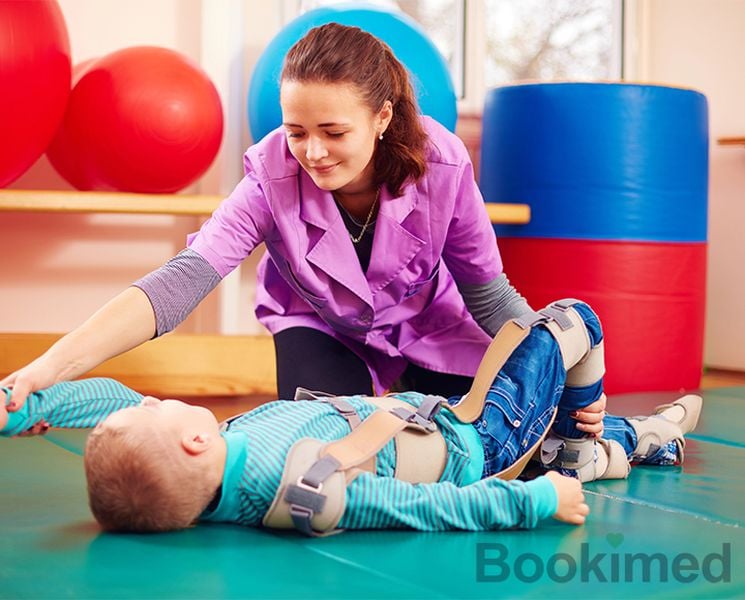
Rehabilitation for children with cerebral palsy
Neurotherapy focuses on improving motor skills, communication, and cognitive abilities in children with cerebral palsy.
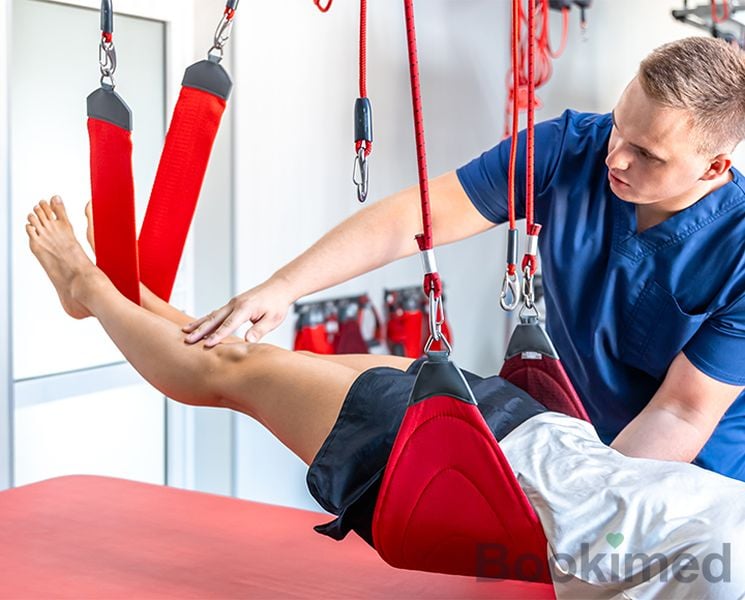
Rehabilitation after Traumatic Brain Injury
Neuro rehab focuses on restoring function and improving quality of life after a traumatic brain injury.

Cardiological Rehabilitation
Involves structured programs designed to improve cardiovascular health and physical function following heart-related conditions.
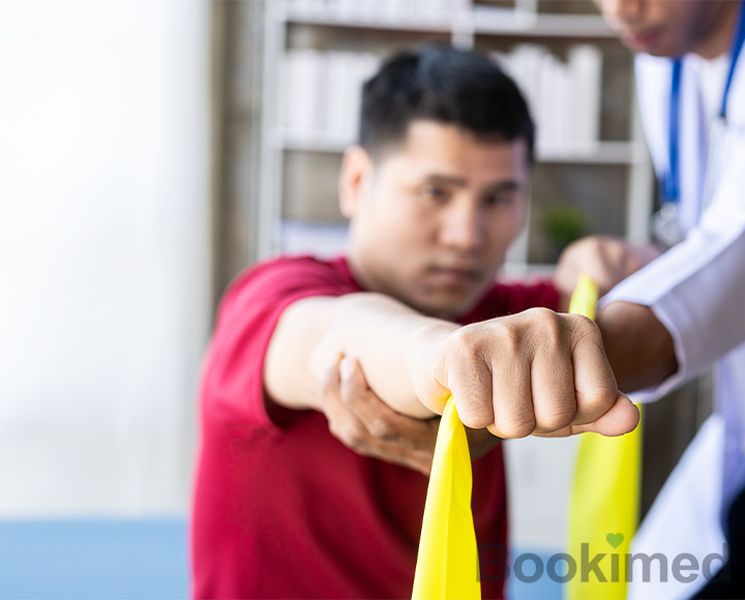
Multiple sclerosis rehabilitation
Multiple sclerosis rehabilitation involves specialized therapies aimed at enhancing mobility, functionality, and quality of life for individuals with multiple sclerosis (MS).
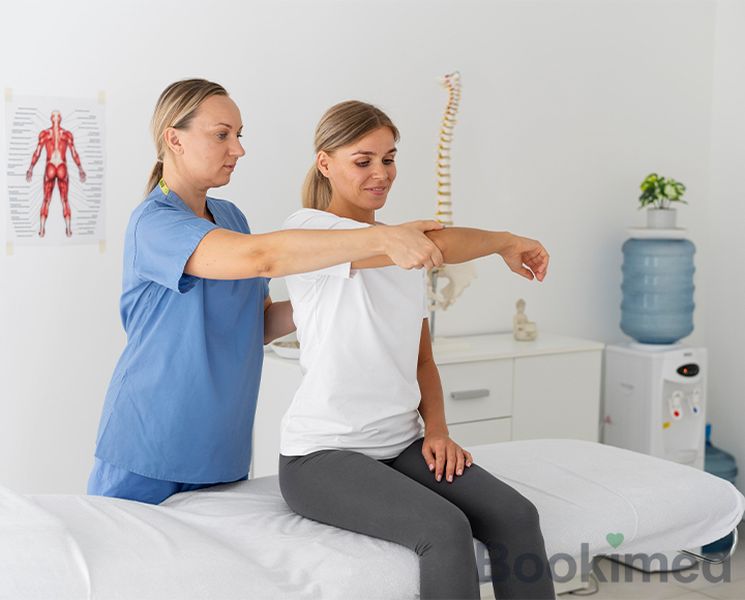
Bobath therapy
Bobath therapy is a specialized neuro rehab approach focusing on enhancing movement and posture through individualized treatment plans.
FAQ about Neurological Rehabilitation in Republic of Korea
Do I need a visa to South Korea?
Today, South Korea has visa-free agreements with 112 states. None visa is required for stays under 90 days or less. To stay longer in this country, you need a visa. What states need a visa for treatment in South Korea and what countries can cross the border free and easy read here.
What is the level of medicine in South Korea?
Healthcare is the key development sector of the Korean government. The Korean authorities are convinced that care for the citizens' health should be an absolute priority of state policy and spend about 1 billion a year for medical tourists attraction.
According to Mark Britnell, hospitals dominate the health system. 94% of hospitals are privately owned.
What are the most popular plastic surgery procedures?
According to ASPS statistics, 17.7 mln cosmetic surgeries and 5.8 mln reconstructive procedures have been performed in 2018. Among cosmetic procedures the most popular are:
- breast augmentation
- liposuction
- rhinoplasty (nose job)
- eyelid surgery
- tummy tuck.
Tumor removal, laceration repair, maxillofacial surgery, scar revision, hand surgery are the most common operations in the context of reconstructive surgery.
What documents are required to apply for a visa to South Korea for treatment?
Visas for travel to South Korea require a number of documents. The necessary papers can be submitted 90 days before the planned departure. Lists of documents includes:
- ID card
- confirmation of online registration and filling out the questionnaire
- certificate of income and availability of funds
- insurance policy for a stay in South Korea (original and copy)
- 2 photos (5x6)
- visa receipt
- booking of flight and hotel
- medical opinion about the need for treatment.
What should you know about South Korea before the trip?
Currency | South Korean Won (you also can pay for services in dollars) |
Best period for the trip | April, May & June or September, October & November. |
Language | Korean (most of medical staff speaks English fluently) |
Visa | none required for stays under 90 days or less |
Time difference with Europe | 9 hours |
Time difference with the USA | 9 hours |
Capital | Seoul |
Medical tourism center | Seoul |
Popular resorts | Gangwon-do, Gyeongju, Boseong, Jeju |
What hotel services are provided here?
In South Korea, hotels of different price ranges and service levels are presented. Most tourists choose 4 and 5 star hotels with all-inclusive meals. Such hotels have everything for a comfortable stay: varied food, a large well-groomed territory, animation for children and adults. Some hotels have their own water park, which guests can use for free. Budget travelers can afford to book an economical 3-star hotel with half board or no meals at all.