Otoscopy in Republic of Korea — Get 3 Top Clinic Matches with Costs


Medically reviewed by
Fahad Mawlood
How Much Does Otoscopy Cost in Republic of Korea?
Otoscopy in the Republic of Korea typically costs from $40 to $90. Prices depend on the clinic type and if you visit a specialist in Seoul or Incheon. International patients save about 74% compared to the US average of $250. A standard fee usually covers the ear examination during a general ear-nose-throat consultation.
- Standard ear examination: This is generally the base cost during an initial specialist visit.
- Clinical location impact: Clinics in Seoul districts like Gangnam may charge more than regional centers.
- Advanced ENT procedures: Adding audiometry or endoscopic exams will increase the total service fee.
- Surgical ear corrections: Reconstructive or aesthetic ear surgeries cost significantly more than diagnostic exams.
Bookimed Expert Insight: Choosing a university-affiliated center provides access to highly specialized ear-nose-throat care. Severance Hospital even features a dedicated Clinic of Ophthalmology and Otolaryngology for focused treatment. These major centers manage massive patient volumes, with some treating over 1,500,000 people annually. This high volume often leads to more efficient diagnostic protocols and refined clinical processes. Many top-tier hospitals in Seoul hold Joint Commission International (JCI) accreditation for safety. You can find world-class diagnostics located conveniently near international transport hubs in Incheon and Seoul.
| Republic of Korea | Turkey | Austria | |
|---|---|---|---|
| Otoscopy | ≈ $40 | ≈ $40 | ≈ $70 |
Your Benefits and Guarantees with Bookimed
Transparent Prices & Flexible Installments
No hidden fees – just official clinic prices. Pay at the clinic for Otoscopy upon arrival and use a flexible installment plan if needed.
Verified Clinics & Doctors Only
Bookimed is committed to your safety. We only work with medical institutions that maintain high international standards in Otoscopy and have the necessary licenses to serve international patients worldwide.
Free 24/7 Assistance
Bookimed offers free expert assistance. A personal medical coordinator supports you before, during, and after your treatment, solving any issues. You're never alone on your Otoscopy journey.

Your personal Bookimed medical coordinator
- Supports you at every stage
- Helps choose the right clinic and doctor
- Ensures quick and convenient access to information
Discover the Best Otoscopy Clinics in Republic of Korea: 7 Verified Options and Prices












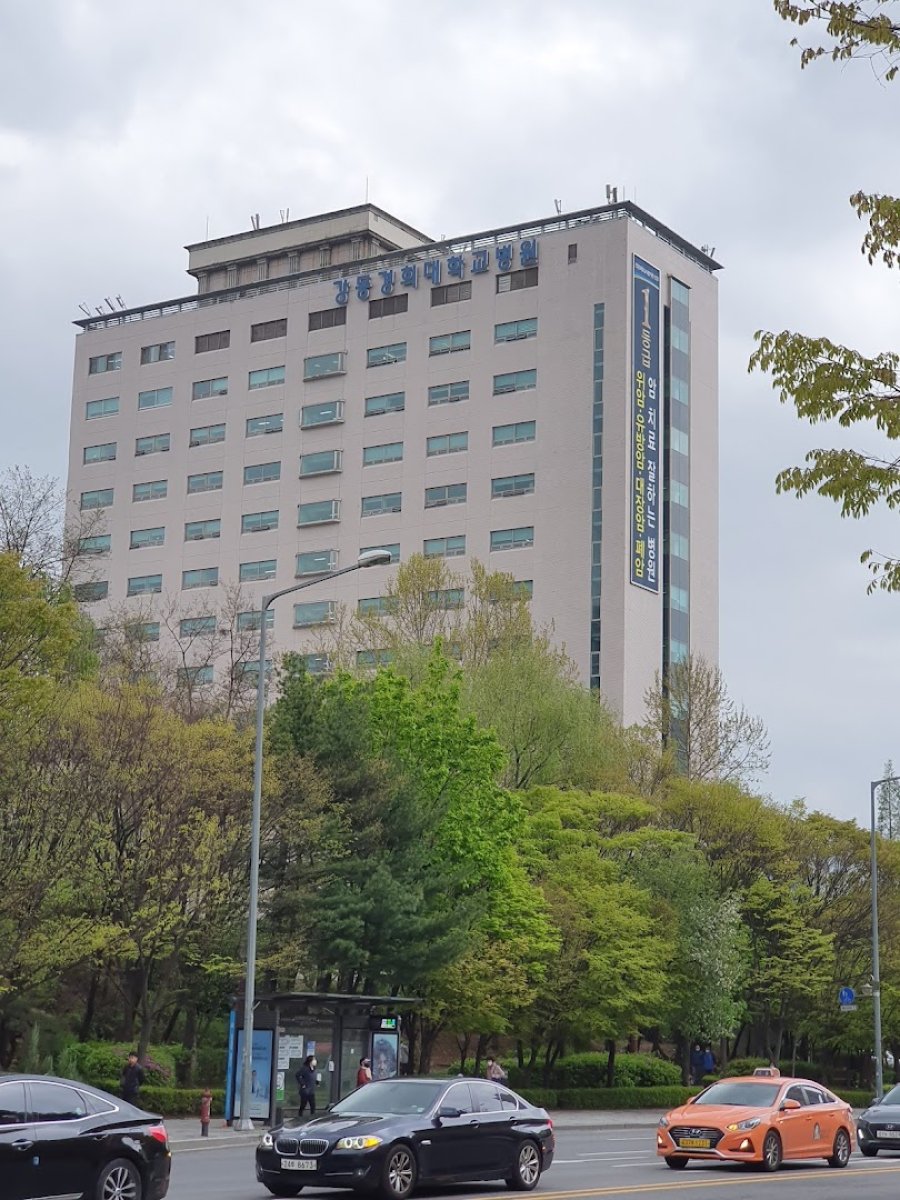
Kyung Hee University Hospital at Gangdong (KUIMS)
Video Stories from Bookimed Patients
Share this content
 Anna Leonova

FAQ about Otoscopy in Republic of Korea
Do I need a visa to South Korea?
Today, South Korea has visa-free agreements with 112 states. None visa is required for stays under 90 days or less. To stay longer in this country, you need a visa. What states need a visa for treatment in South Korea and what countries can cross the border free and easy read here.
What is the level of medicine in South Korea?
Healthcare is the key development sector of the Korean government. The Korean authorities are convinced that care for the citizens' health should be an absolute priority of state policy and spend about 1 billion a year for medical tourists attraction.
According to Mark Britnell, hospitals dominate the health system. 94% of hospitals are privately owned.
What are the most popular plastic surgery procedures?
According to ASPS statistics, 17.7 mln cosmetic surgeries and 5.8 mln reconstructive procedures have been performed in 2018. Among cosmetic procedures the most popular are:
- breast augmentation
- liposuction
- rhinoplasty (nose job)
- eyelid surgery
- tummy tuck.
Tumor removal, laceration repair, maxillofacial surgery, scar revision, hand surgery are the most common operations in the context of reconstructive surgery.
What documents are required to apply for a visa to South Korea for treatment?
Visas for travel to South Korea require a number of documents. The necessary papers can be submitted 90 days before the planned departure. Lists of documents includes:
- ID card
- confirmation of online registration and filling out the questionnaire
- certificate of income and availability of funds
- insurance policy for a stay in South Korea (original and copy)
- 2 photos (5x6)
- visa receipt
- booking of flight and hotel
- medical opinion about the need for treatment.
What should you know about South Korea before the trip?
Currency | South Korean Won (you also can pay for services in dollars) |
Best period for the trip | April, May & June or September, October & November. |
Language | Korean (most of medical staff speaks English fluently) |
Visa | none required for stays under 90 days or less |
Time difference with Europe | 9 hours |
Time difference with the USA | 9 hours |
Capital | Seoul |
Medical tourism center | Seoul |
Popular resorts | Gangwon-do, Gyeongju, Boseong, Jeju |
What hotel services are provided here?
In South Korea, hotels of different price ranges and service levels are presented. Most tourists choose 4 and 5 star hotels with all-inclusive meals. Such hotels have everything for a comfortable stay: varied food, a large well-groomed territory, animation for children and adults. Some hotels have their own water park, which guests can use for free. Budget travelers can afford to book an economical 3-star hotel with half board or no meals at all.