Bone Resection in Republic of Korea — Get 3 Top Clinic Matches with Costs
Bookimed lists 9 bone resection clinics in the Republic of Korea, in Seoul and Incheon, including KOIHA-accredited and JCI-accredited clinics. These clinics are rated 4.6/5 in 101 verified patient reviews on Bookimed.


Medically reviewed by
Yesim Yildirim
How Much Does Bone resection Cost in Republic of Korea?
Bone resection in the Republic of Korea typically costs from $9,000 to $18,000. Prices depend on the resection volume, the tumor's location, and the choice between standard or robotic-assisted techniques. In the US, the average price for this procedure is $40,000, while South Korea offers savings of around 66%. Most Korean medical programs include preoperative imaging, the surgical procedure, and initial inpatient recovery.
- Resection of bone with implant replacement: $14,000 to $25,000 for complex limb-salvage reconstructive surgery.
- Hemipelvectomy: $28,000 to $43,000 for extensive pelvic bone removal and reconstruction.
- Robotic-assisted surgery: Typically adds a 20-30% premium but offers higher precision for delicate areas.
- Major medical hubs: Premier oncology and orthopedic centers are primarily concentrated in Seoul and Incheon.
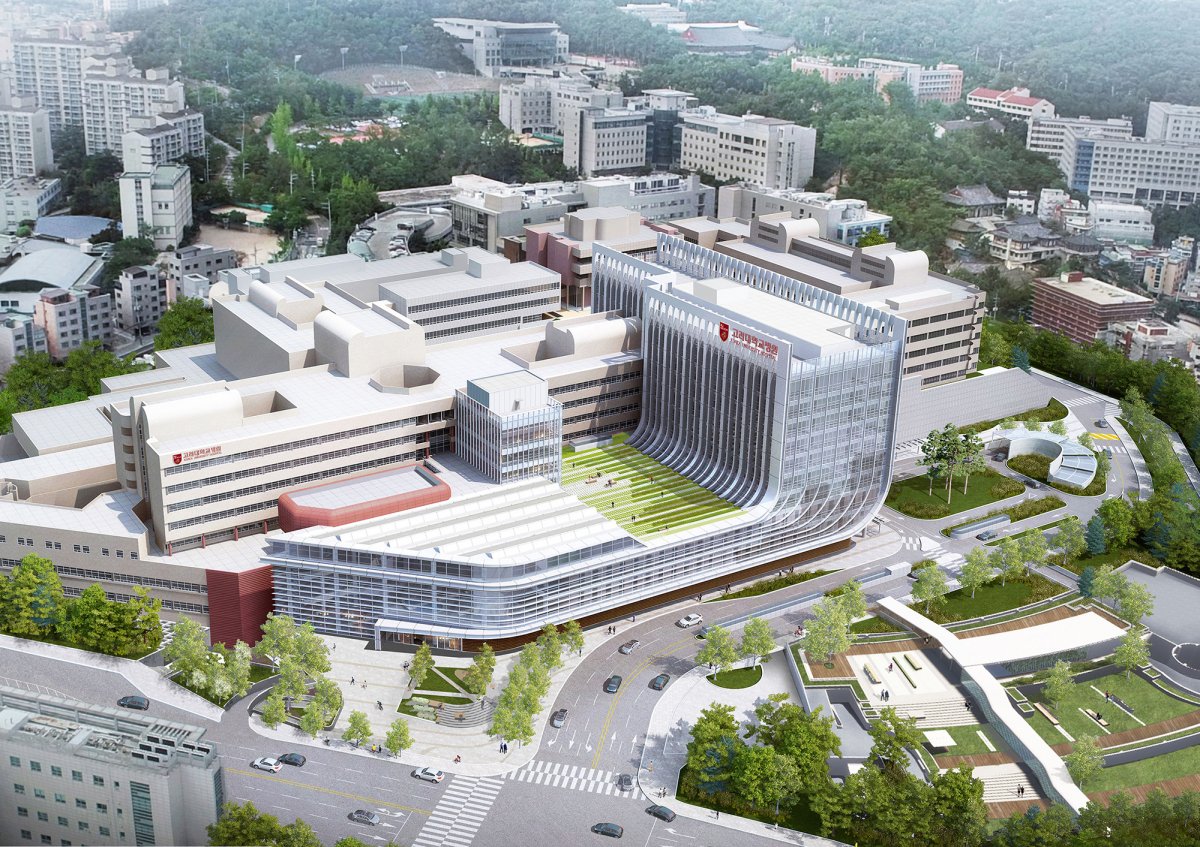
Bookimed Expert Insight: Choosing Seoul-based centers like Samsung Medical Center or SNUH provides access to presidential-level care. These hospitals achieve breast and colon cancer survival rates that often exceed US averages. For patients requiring specialized reconstruction, Korea University Anam Hospital offers pioneered robotic techniques that significantly reduce visible scarring. Major facilities often provide free airport transfers and 24/7 interpreter services for international patients.
| Republic of Korea | Turkey | Austria | |
|---|---|---|---|
| Bone resection | ≈ $9,000 | from $9,000 | ≈ $7,500 |
| Resection of bone with implant replacement | ≈ $14,000 | from $12,000 | ≈ $18,000 |
| Hemipelvectomy | ≈ $28,000 | ≈ $24,000 | ≈ $38,000 |
Your Benefits and Guarantees with Bookimed
Transparent Prices & Flexible Installments
No hidden fees – just official clinic prices. Pay at the clinic for Bone resection upon arrival and use a flexible installment plan if needed.
Verified Clinics & Doctors Only
Bookimed is committed to your safety. We only work with medical institutions that maintain high international standards in Bone resection and have the necessary licenses to serve international patients worldwide.
Free 24/7 Assistance
Bookimed offers free expert assistance. A personal medical coordinator supports you before, during, and after your treatment, solving any issues. You're never alone on your Bone resection journey.

Your personal Bookimed medical coordinator
- Supports you at every stage
- Helps choose the right clinic and doctor
- Ensures quick and convenient access to information
Discover the Best Bone resection Clinics in Republic of Korea: 9 Verified Options and Prices



Ewha Womans University Medical Center
Paik Nam-sun





Seoul National University Bundang Hospital (SNUBH)
Lee Won Jae









Korea University Anam Hospital
Kim Jin


Bone resection Overview in Republic of Korea
Day 1 - Arrival
- Arrive at the country for the procedure.
- Transfer from the airport to the hospital.
Day 2 - Pre-operation
- Consultation with orthopedic surgeon.
- Complete necessary medical tests.
- Undergo an audiometry test.
- Prepare for the bone resection surgery.
Day 3 - Bone resection procedure
- Procedure begins in the morning.
- General anesthesia is administered.
- Bone resection takes 2 to 3 hours.
- Post-operative observation in the recovery room.
Day 4 to Day 7 - Post-operation
- Stay in the hospital for monitoring.
- Regular check-ups by the medical team.
- Transfer to a hotel for continued recovery.
Weeks 1 to 4 - Rehabilitation
- Begin gentle physical therapy exercises.
- Regular check-ups by the medical team.
- Gradual return to light activities.
Weeks 4 to 8 - Rehabilitation
- Increase intensity of physical therapy exercises.
- Potentially return to work with doctor"s approval.
Week 8 onwards
- Resume normal activities with caution.
- Regular follow-ups with the orthopedic surgeon.
- Full recovery and final results are expected by 12 weeks.
Please note that each patient"s recovery timeline and ability to return to work or sports will depend on individual circumstances and the complexity of the bone resection procedure.
- Bookimed deposit: $200 or €200.
- Clinic deposit: Pay a set percentage in advance.
Our Doctors
View all DoctorsPaik Nam-sun
Dr. Paik Nam-sun is a surgical oncologist at Ewha Womans University Medical Center in Seoul. He is recognized as one of the world's top 100 gastric and breast cancer surgeons. He performed the first breast-conserving surgery in South Korea. Dr. Paik also invented a proprietary stomach cancer technique to reduce reflux disease risk.
- Director of the Cancer Center for Women at Ewha Womans University Medical Center.
- Former President of Konkuk University Hospital.
- Served as the Director of the Korea Cancer Center Hospital.
- Former President of the Korean Society of Cancer Prevention.

Sung Hoon Noh
Dr. Sung Hoon Noh is the Director of the Yonsei Cancer Center in Seoul. He is a primary expert in surgical treatment for advanced gastric cancer. Dr. Noh has held high-level leadership roles in international oncology societies. He works at Severance Hospital, a JCI-accredited facility ranked among the best hospitals by Newsweek.
- Served as President of the International Gastric Cancer Association.
- Former President of the Korean Gastric Cancer Association.
- Recipient of the Cancer Academic Award and the Yuhan Academic Award.
- Specializes in stomach cancer surgery, oncology, and gastroenterology.

Chul-Won Ha
Dr. Chul-Won Ha is an orthopedic and joint replacement surgeon at Samsung Medical Center in Seoul. He specializes in knee and hip injuries, bone tumors, and complex fractures. Dr. Ha earned both his M.D. and Ph.D. from Seoul National University. He performs procedures at a clinic ranked as a World’s Best Smart Hospital by Newsweek.
- Treats osteosarcoma, pelvic fractures, and soft tissue sarcomas.
- Expertise includes congenital clubfoot and foot deformities.
- Published research in peer-reviewed national and international medical journals.
- Works at a KOIHA-accredited facility meeting international safety standards.
Lee Won Jae
Dr. Lee Won Jae is an interventional cardiologist at Seoul National University Bundang Hospital (SNUBH). He treats cardiovascular conditions in Seoul. Dr. Lee works at one of Newsweek’s top-ranking "Smart Hospitals" globally. SNUBH treats 1.5 million patients every year.
- Specializes in interventional cardiology at a JCI-accredited institution.
- Works at a hospital ranked by Newsweek as one of the World's Best Hospitals.
- Treats patients at a facility holding Global Healthcare Accreditation for medical travel.
- Offers online consultations for international patients seeking heart care.
Video Stories from Bookimed Patients
Reviews about Bookimed: Discover Patients' Insights
All reviewsShare this content
 Anna Leonova

FAQ about Bone resection in Republic of Korea
Do I need a visa to South Korea?
Today, South Korea has visa-free agreements with 112 states. None visa is required for stays under 90 days or less. To stay longer in this country, you need a visa. What states need a visa for treatment in South Korea and what countries can cross the border free and easy read here.
What is the level of medicine in South Korea?
Healthcare is the key development sector of the Korean government. The Korean authorities are convinced that care for the citizens' health should be an absolute priority of state policy and spend about 1 billion a year for medical tourists attraction.
According to Mark Britnell, hospitals dominate the health system. 94% of hospitals are privately owned.
What are the most popular plastic surgery procedures?
According to ASPS statistics, 17.7 mln cosmetic surgeries and 5.8 mln reconstructive procedures have been performed in 2018. Among cosmetic procedures the most popular are:
- breast augmentation
- liposuction
- rhinoplasty (nose job)
- eyelid surgery
- tummy tuck.
Tumor removal, laceration repair, maxillofacial surgery, scar revision, hand surgery are the most common operations in the context of reconstructive surgery.
What documents are required to apply for a visa to South Korea for treatment?
Visas for travel to South Korea require a number of documents. The necessary papers can be submitted 90 days before the planned departure. Lists of documents includes:
- ID card
- confirmation of online registration and filling out the questionnaire
- certificate of income and availability of funds
- insurance policy for a stay in South Korea (original and copy)
- 2 photos (5x6)
- visa receipt
- booking of flight and hotel
- medical opinion about the need for treatment.
What should you know about South Korea before the trip?
Currency | South Korean Won (you also can pay for services in dollars) |
Best period for the trip | April, May & June or September, October & November. |
Language | Korean (most of medical staff speaks English fluently) |
Visa | none required for stays under 90 days or less |
Time difference with Europe | 9 hours |
Time difference with the USA | 9 hours |
Capital | Seoul |
Medical tourism center | Seoul |
Popular resorts | Gangwon-do, Gyeongju, Boseong, Jeju |
What hotel services are provided here?
In South Korea, hotels of different price ranges and service levels are presented. Most tourists choose 4 and 5 star hotels with all-inclusive meals. Such hotels have everything for a comfortable stay: varied food, a large well-groomed territory, animation for children and adults. Some hotels have their own water park, which guests can use for free. Budget travelers can afford to book an economical 3-star hotel with half board or no meals at all.