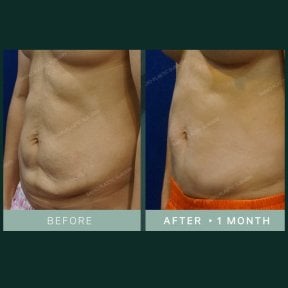
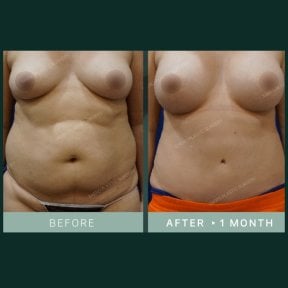
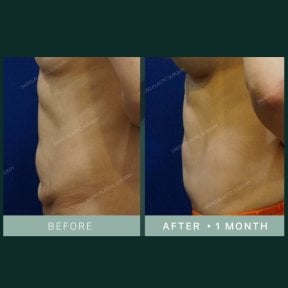
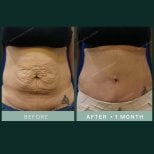
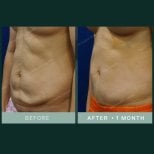
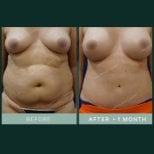
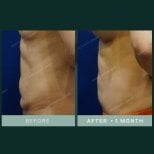
Tummy tuck and liposuction in the Republic of Korea typically costs from $9,500 to $18,200. The final price depends on the surgical technique, such as full versus mini abdominoplasty, and the number of liposuction areas. In the US, similar procedures cost around $16,000 on average. Patients save around 41% compared to the US. Most Korean clinic packages include pre-operative tests, anesthesia, hospitalization, and post-operative compression garments.
Bookimed Expert Insight: Korea offers high-tech precision for body contouring. Clinics like JK Plastic Surgery Center boast a 20-year history and 100% success rate. For the best value, look for KOIHA-accredited facilities like VG Plastic Surgery in Seoul. These centers often include specialized deswelling treatments and laser therapy in their standard fees. International patients can also reclaim a 7-8% VAT refund at departure.
| Republic of Korea | Turkey | The USA | |
| Tummy Tuck and Liposuction | from $9,500 | from $4,500 | from $12,000 |
Dr. Park is a board-certified plastic surgeon recognized for his precision and patient-centered care, awarded 'Top Resident' by the Korean Society of Plastic and Reconstructive Surgeons.
Board-certified plastic surgeon with a Ph.D. and over 20 years of experience of experience – Dr. Im leads VG Plastic Surgery in Seoul, specializing in natural-looking results.
Board-certified surgeon and head professor at SoonChunHyang University – Dr. Kim specializes in advanced body contouring procedures.
Board Certified Surgeon with extensive experience in cosmetic procedures at Wonjin Plastic Surgery Clinic.
This surgical procedure combines abdominal surgery and liposuction to remove excess skin and fat for a flatter stomach.
Combining a tummy tuck with liposuction, known as lipoabdominoplasty, addresses skin laxity and stubborn fat simultaneously for a balanced contour. While a tummy tuck tightens muscles and removes loose skin, liposuction sculpts the waistline and flanks to ensure smooth, natural transitions across the entire midsection.
Bookimed Expert Insight: Data from top Seoul clinics like VG Plastic Surgery and JK Plastic Surgery Center shows a preference for combining these procedures to achieve the `expensive` look. Korean surgeons often use precise, conservative liposuction to thinline the fat layer before tightening the skin. This specific sequence prevents the bulky or `boxy` abdomen often seen when skin is pulled over remaining fat deposits. With nearly 3,000 requests served in South Korea, this dual approach is the standard for post-pregnancy and major weight loss patients.
Patient Consensus: Many patients wish they had chosen the combination initially. They noted that doing only a tummy tuck made their remaining hip fat appear more prominent after the front was flattened.
Future pregnancies or significant weight gain can stretch abdominal muscles and skin, potentially diminishing your surgical results. While liposuction permanently removes fat cells, remaining cells can still expand. Most surgeons in the Republic of Korea recommend delaying these procedures until after completing your family planning.
Bookimed Expert Insight: Data from South Korean centers like JK Plastic Surgery Center, which boasts a massive volume of 85,000+ procedures, shows that patient satisfaction stays highest when weight remains stable. Interestingly, clinics in Seoul often emphasize liposuction as a body-shaping tool rather than weight loss. Surgeons like Dr. Park Young Kyu at SAERO Plastic Surgery specialize in these combinations because they address both depth and surface. If you plan a pregnancy within 2 years, waiting can save you from needing a secondary revision surgery.
Patient Consensus: Many patients find that while a tummy tuck provides a flat stomach, a full-term pregnancy typically loosens that initial tightness. Maintaining a stable goal weight after surgery is frequently cited as the most critical factor for long-term happiness with the results.
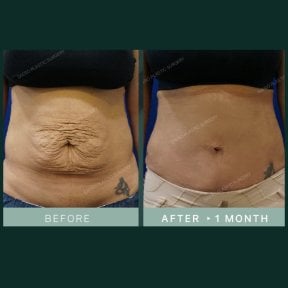
International patients typically stay in South Korea for 10 to 14 days for combined tummy tuck and liposuction procedures. This window allows for critical post-operative monitoring, drain removal, and initial management of significant swelling before safe air travel is permitted by surgeons.
Bookimed Expert Insight: While minor work takes 7 days, our data shows top Seoul centers like JK Plastic Surgery Center favor a 14-day stay for combined body contouring. This buffer is vital because drain output varies. If fluid levels don't drop, you cannot fly, so don't book a non-refundable return flight for day 7.
Patient Consensus: Many patients find the fatigue from combined surgeries more intense than expected. They strongly recommend staying at least 2 weeks to ensure drains are out and mobility is sufficient for navigating an airport.
Immediate recovery involves waking in a monitoring unit where medical teams track vitals and manage anesthesia side effects like nausea or chills. Patients usually spend 1 to 2 hours here before moving to a hospital room for continued observation of surgical drains and incision sites.
Bookimed Expert Insight: While many think pain is the main hurdle, our data shows the 85,000+ procedures at JK Plastic Surgery highlight that tightness is the bigger challenge. The specific posture required—staying bent like a shrimp—prevents tension on the fresh muscle repair during those first critical 48 hours.
Patient Consensus: Many find managing surgical drains more mentally taxing than the actual incision pain. Standing upright feels impossible at first, and the first shower often marks a major emotional and physical milestone.
Korean plastic surgeons manage surgical scarring through a proactive, multimodal framework combining internal tension relief, precise structural hiding, and immediate post-operative laser intervention. This approach treats scar management as a core surgical component to meet high local aesthetic standards for skin texture and invisibility.
Bookimed Expert Insight: Clinical data from high-volume centers like JK Plastic Surgery Center reveals a shift toward combined regenerative therapies. Leading Korean surgeons now frequently pair traditional scar protocols with exosome or stem cell injections. This dual approach focuses on fueling cellular repair immediately after surgery rather than waiting for the scar to mature for 6 months. This proactive strategy is a defining differentiator of the Korean medical model.
Patient Consensus: Patients emphasize that while scars are strategically hidden, consistent home care is vital. Adherence to prescribed silicone gels and strict sun avoidance determines the final aesthetic outcome.
The primary difference lies in the treatment scope: a mini tummy tuck only addresses skin laxity below the navel, while a full tummy tuck treats the entire abdominal area. Full procedures include comprehensive muscle repair for diastasis recti and typically involve repositioning the belly button.
Bookimed Expert Insight: While patients often request the mini version for its shorter scar, choosing it when skin laxity exists above the navel is a common cause for revision surgery. In Seoul clinics like JK Plastic Surgery Center, surgeons frequently combine these procedures with high-definition liposuction to ensure a seamless contour that a mini tuck alone cannot achieve.
Patient Consensus: Many patients emphasize that a mini tummy tuck is not just an easier version of the surgery. Most recommend the full procedure if you have significant muscle separation, as the results offer a more complete transformation despite the longer recovery.