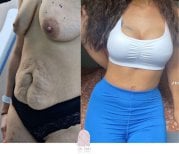
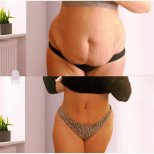
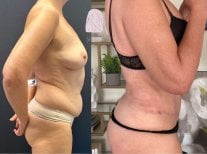
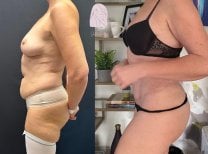
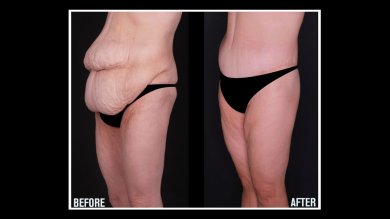
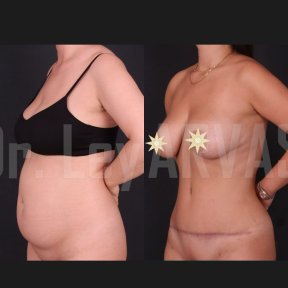
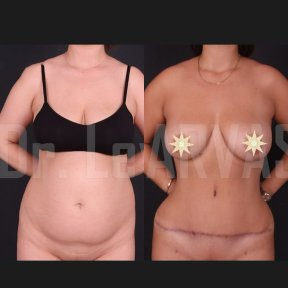
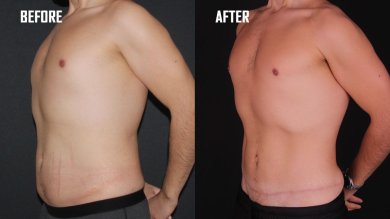
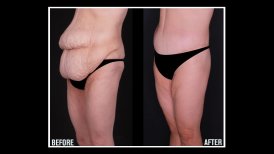
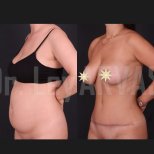
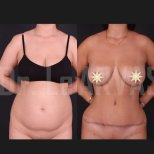
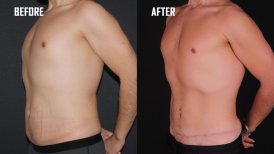
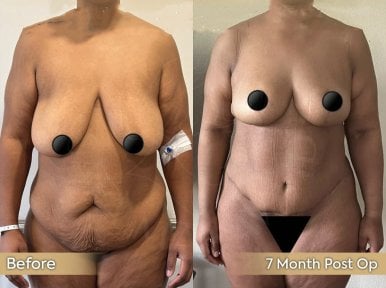
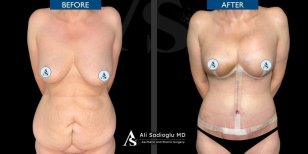
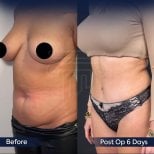
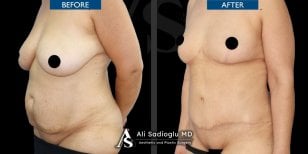
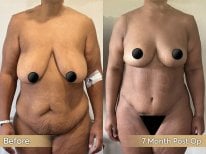
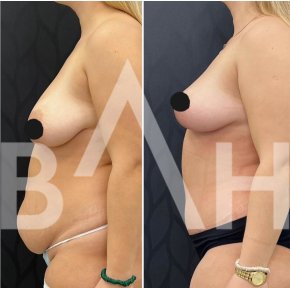
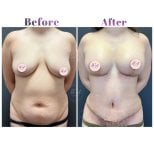
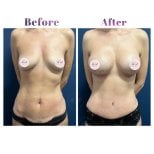
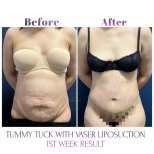
How Much Does Tummy Tuck and Liposuction Cost in Turkey?
Tummy tuck and liposuction in Turkey typically costs from $3,800 to $5,600. The final price depends on the specific surgical technique, the number of liposuction zones, and the clinic's service level. Patients save around 71% compared to the US, where similar procedures cost $16,000 on average. Most Turkish packages include surgery, hospital stays, luxury hotel accommodation, and VIP transfers between locations.
Technique variations: VASER or laser-assisted liposuction often adds a 20-30% premium over traditional methods.
Treatment scope: Combined procedures like a circumferential tummy tuck generally cost more than a mini abdominoplasty.
Package inclusions: Premium offers often bundle additional services like lymphatic drainage massages or nutritionist consultations.
Geographic hubs: Most high-volume clinics are located in Istanbul, which serves as the primary medical hub.
Bookimed Expert Insight: Choosing a clinic with international certifications ensures high standards at competitive rates. For example, Quartz Hospital is ISAPS certified and features VASER-certified trainers like Dr. Leyla Arvas. While budget options start around $4,600, mid-range packages for approximately $6,900 often include value-adds like lymphatic massages. These extras can significantly improve recovery comfort and final aesthetic results without a massive price jump.
Data verified by Bookimed as of October 2026, based on patient requests and official quotes from 271 clinics worldwide. Median costs are based on real invoices (2025–2026) and updated monthly. Actual prices may vary.
Discover the Best Tummy Tuck and Liposuction Clinics in Turkey: 11 Verified Options and Prices
VASER 360° Liposuction + Tummy Tuck by EBOPRAS-Certified Surgeon
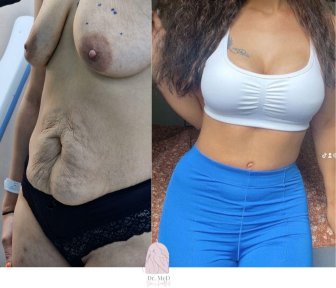
This 360-degree package utilizes VASER ultrasonic technology, which tightens skin while removing fat, and includes a tummy tuck with abdominal muscle repair. Dr. Hasan Celik, an award-winning surgeon certified by the European Board in Brussels, performs the transformation at Dr. MED. The treatment costs around $8,310 and covers abdominal, love handle, and lower back liposuction. For 7 days, the all-inclusive package provides VIP transfers, hospital stay, a 5-night hotel recovery, and dedicated post-operative care.
Tummy Tuck & Liposuction by EBOPRAS-Certified Surgeon — 7 Nights at 4 Hotel
This package combines 360-degree Vaser liposuction with a vertical scar tummy tuck, including repair of separated abdominal muscles. ISAPS-certified Dr. Yunus Cinar, trained in Italy, performs the procedure at the Quartz Hospital. For around $5,645, the comprehensive fee covers the full surgery, two nights in the hospital, and seven nights in a 4-star hotel. The clinic, founded by a certified VASER trainer, includes a mandatory 30-day post-operative corset to support healing.
Premium Tummy Tuck and BBL with 360 vaser Liposuction + Breast lifting with Mentor implants ® All Included package
This ISAPS-accredited clinic has a 94% patient recommendation rate. The all-inclusive package may cost around €8,500, covering the extended tummy tuck, 360° liposuction, 2 hospital nights with a private nurse, all medications, 9 hotel nights with daily postoperative follow-up, and VIP transfers. The clinic specializes in plastic surgery for adults.
Tummy Tuck + Liposuction with Diastasis Correction — All-Inclusive Package
This all-inclusive package comes with complication insurance and a 12-month follow-up program. Dr. Ali Dogan, who has performed 900+ of these procedures, uses a scar-minimizing incision technique based on a personal consultation. The treatment at the Büyük Anadolu Hospitals (BAH International) costs around $5,500, covering 4 days hospital stay, 4 days hotel accommodation, and VIP transfers. The clinic reports a 99.9% success rate for complex tummy tucks and holds an International Health Tourism Authorization Certificate.
Tummy Tuck with Liposuction by European Board Certified Surgeon — All Included
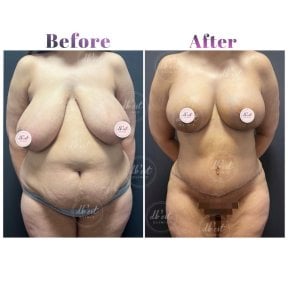
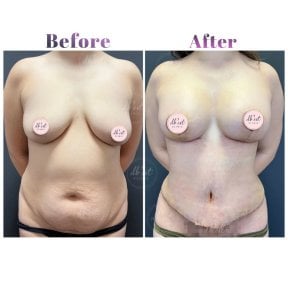
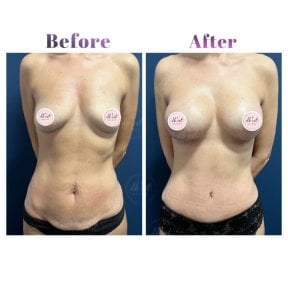
Dr. Derya Bingol's approach combines a tummy tuck with 360-degree VASER liposuction for comprehensive abdomen and waist contouring. At Db'est Clinic, the 6-hour procedure costs about $6,950, which includes the surgery, pre-op testing, a medical garment, and oral medications. The package features a 9-day program with 2 nights hospital care and 7 nights in a nearby 4-star hotel with companion accommodation. Dr. Bingol is double board-certified, has 900+ body procedures in her portfolio, and personally oversees each patient's recovery.
Dr. Yaman performs 500-600 procedures annually, specializing in natural-looking results for body contouring and aesthetic surgeries at Lokman Hekim Istanbul Hospital.
Trained at Eskisehir Osmangazi and Manisa Celal Bayar universities
Expert in microsurgery techniques from Hacettepe University
Member of Turkish Society of Reconstructive, Aesthetic, and Plastic Surgery
Specializes in comprehensive body contouring procedures
Trained under Prof. Dr. Ömer Özkan, a world-renowned pioneer in reconstructive transplantation, Dr. Seker has exceptional experience in high-precision surgery.
Specializes in natural-looking, harmonious results for body contouring
Skilled in tummy tuck and lipos全身抽脂 3D-Lipo抽脂系统的特有技术包括:
My surgeon was great; he was honest about what results were realistic for my body and clearly explained all the risks, which gave me confidence
If you're thinking about this, my main piece of advice is to be mentally ready for the procedure, as it can be overwhelming. I’m in early recovery from my breast reduction and lift, and I am feeling better than expected. My surgeon was great; he was honest about what results were realistic for my body and clearly explained all the risks, which gave me confidence. The clinic team was easy to reach and stayed in touch. Do be aware of some additional expenses – I had a prescription that cost extra at the pharmacy. A few practical tips: bring a spare compression garment, cotton t-shirts to wear underneath it, and your own snacks. Also, having my mum with me has been pivotal to my recovery, so I'd suggest bringing a companion if you can.
The co-ordinator at Bookimed, Winnington was brilliant. No matter how many questions I had he was able to answer them promptly and with one small hiccup from the hospital Winnington went out of his way to try and package a new procedure for me. My co-ordinator Eyyub at Optimed hospital was outstanding. The hospital was great, the staff on my floor were fantastic. We used goggle translate when the co-ordinator wasn’t with us if we came up against a language barrier but that was not very often. I was cared for before and after my surgery by the nursing staff who could not do enough for myself and my mum. I 10000000% recommend Bookimed & Optimed hospital
Post op instructions could be better. I have suggested to them to put together a general guide of what to do and not to do and for however long. What’s normal and if something doesn’t feel right who to contact etc. I think this will greatly help international patients and help the hospital co-ordinators from being hounded with a load of questions from several patients all at once. Peace of mind for the patient and a little more support for the co-ordinator.
The food is catered for Turkish patients and can be hard for international patients to eat. Again, I have suggested to them to try having a small box of fibrous cereal available at breakfast time and instead of a full meal at lunch time something simple like sandwiches or rolls/bagels/baked goods. Dinner was usually ok and we were able to eat most of that but our daytime diet is a little less than they were providing and there was a lot of food waste which they could minimise & use the money elsewhere if there was a cater to international patients diets.
Before the surgery, the doctor took the time to carefully mark my body and clearly explain the recovery timeline. It was reassuring. I had a tummy tuck with muscle repair combined with liposuction on my abdomen, flanks, and back, and so far, I am feeling better than expected. The only additional cost was for medication, which was not prohibitive. I traveled on my own, which was manageable with good planning. My advice for others is to ask about the initial check-in process; if you require a woman for an x-ray, request this in advance. Also, inquire about hotel options, as I chose my own to ensure I had room service.
Before the surgery, my doctor carefully marked my body and was honest about realistic outcomes of my tummy tuck and liposuction in multiple areas, including the eventual scars. The coordinator should not make false promises, but these issues were more than adequately addressed by the coordinator. They took care of all major and minor issues. The doctor was very patient and continued to provide good care even after the surgery. Almost all the staff are kind, friendly, and have a sense of humor. I feel as expected. The clinic provided me with a clear aftercare guide and stayed in touch. My advice: Never travel alone and bring button-up clothing, a translator app, realistic expectations, and a complete medical history.
The coordinator took care of all major and minor issues.
The doctor was very patient and continued to take good care of me even after the surgery.
Almost all of the staff are kind, friendly, patient, and have a sense of humor.
The coordinator did an excellent job solving these problems, ensuring that the intermediary did not make any false promises.
While the surgeon and facility were fantastic, the general staff support could have been stronger
My biggest concern was the scarring from a full, hip-to-hip tummy tuck. My surgeon addressed this directly, explaining exactly where the scars would be and marking my body so carefully before the procedure, which really put me at ease. I also had liposuction on my abdomen and flanks, and honestly, I'm feeling better than expected. The clinic is excellent and provided a clear aftercare guide, with no surprise expenses on top of what I paid. While the surgeon and facility were fantastic, the general staff support could have been stronger. My advice for future patients: I would advise you to bring a gown, button-down PJs, a small pillow for support when traveling back home, and comfortable clothing. Push-in shoes like Crocs are perfect. Also, bring a laptop for entertainment.
Dr Victoria did a great job on assisting me with everything making sure all my questions are being answered. She’s been there 24/7 with all then advises and keeping me calm as l had mixed emotions not knowing what to expect but she made everything sound so easy😃❤️. As l travelled she’s been checking on me until l arrived at Istanbul.She then introduced me to Ege who is the hospital Coordinator, he was of great help , he guided me in all the steps and procedures as well as providing transportation to and from the hotel to the hospital..Arrived to the hospital and my doctor Ismail Buyukcayir came and did his test, he was so sweet and you could tell he’s knowledgeable.After the results came out , he then proceeded with the procedure.
Procedure was successful.Ege went above and beyond by keeping in touch with my family from when l went for surgery until l woke up .The staff was helpful . The clinic is spotless..Very clean and the bedding is super spot on
The only concern that l had was when you get discharged from the hospital and you still have the drainage pipes on you .As per the hotel package you are entitled to a complementary breakfast BUT NO ROOM SERVICE, that for me it’s a catch because when you come out of hospital you not fit to move around and the fact that you have the pipes on you . I wish they could accommodate such patients because it’s not easy and is not everyone who afford to bring a companion as most of the patients are international….
Ich bin mit dem Ergebnis schon jetzt absolut zufrieden
Ich habe vor 2 Wochen eine Bauchstraffung mit 360* Fettabsaugung in der Astethic Surgery Clinik in Istanbul bei Dr.Ergin Er machen lassen.
Alles wurde über Bookimed für mich organisiert. Ich bekam eine deutsch sprechende Mitarbeiterin von Bookimed mit der ich per WhatsApp App alles im Vorfeld besprechen konnte.
Am OP Tag lernte ich die Dolmetscherin die vor Ort für mich zuständig ist, persönlich kennen, zuvor hatten wir schon auf Deutsch geschrieben. Dr.Er war sehr nett und zeigte mir auf was möglich ist und was nicht.Mein 2.Tag in Istanbul war auch gleichzeitig mein OP Tag. Alles verlief so wie zuvor besprochen. Nach der OP wurde ich sehr gut durch ein junges Pflegeteam betreut, es war immer sofort jemand da der sich kümmerte. Ich hatte die ganze Zeit über keine Schmerzen und wurde medikamentös gut versorgt.
Ich blieb 2 Tage in der Klinik und ging dann ins Hotel. Innerhalb der 7 Tage gab es 2 weitere Kontrolltermine,so dass ich mit einer grossen Sicherheit in den Flieger nach Deutschland steigen konnte. Auch bekam ich einen OP Bericht und eine Bescheinigung für den Flieger mit, damit ich während des Fluges öfter aufstehen und mich bewegen konnte.
Jetzt 2 Wochen später muss ich sagen,dass ich von Tag zu Tag beweglicher und mit dem Ergebnis schon jetzt absolut zufrieden bin. Dabei ist die Schwellung noch nicht ganz abgeheilt Ich kann Bookimed für eine medizinische Reise jedem sehr empfehlen, dort ist man in guten Händen und rundum ist alles gut organisiert
Es ist ein gutes Gefühl so gut umsorgt und betreut zu werden in Momenten nach einer OP in denen man sich schwach und verwundbar fühlt. Besser wie in einem Deutschen Krankenhaus!
Da gibt es nichts das ich zu bemängelt hätte
About Bookimed service
Anfangs war ich unsicher und hatte viele Fragen, aber über Bookimed bekam ich eine persönliche Beratung die mir alle Fragen beantwortete. Das gab mit Sicherheit und half bei der endgültigen Entscheidung eine Bauchstraffungs-OP im Ausland machen zu lassen
We chose a doctor for my daughter for a long time and left our choice on Dr. Hakan, he is a doctor from God, his hands are golden, he performed a triple operation for my daughter, brachioplasty, breast implants and reverse abdominoplasty, 5 days have passed since the operation, and it is still difficult to judge objectively about the results, but the stitches that Dr. Hakan makes are a work of art, and the most important thing is how he instills confidence in the patient, my daughter immediately came to her senses after the follow-up examination with the doctor, Thank you very much Dr. Hakan for your patience and professionalism. Young, handsome and talented. I would also like to say about his team, Dr MED’s assistant, Narmina and Mukhlise. Narmina has such sympathy, and can also calm down and give confidence, Mukhlisa is a joyful girl, always positive, always ready to help. The only thing I didn’t like was the location of the hotel, it is located on a mountain, and it is not very easy for a person after surgery to make descents and ascents. Of course, transfers are provided, but the rest of the time you are in the hotel, I really hope for an excellent result of the operation, for this you need to wait 6 months.
I was so looked after, even though I was completely on my own, it didn't feel that way at all. From pre, during and after surgery EVERYTHING was tailored made to my unique personal and medical needs.
I am very thankful for the beyond excellent care of Ege, the holistic expertise of Dr. Ilker, the brilliant nursing staff and the helpful drivers.
From the bottom of my heart thank you so much... All of you have contributed to an Indomitable woman whom is able to live life from now on and not just SURVIVE!.... New Body, New Life!
In mind, soul and body, I am able to move on, I am finally living after enduringly long period
Thank you 🙃
About Bookimed service
Hazem went beyond his job description, nothing was too much effort for him.
Thank you Hazem
Hello, I don't know where to start.
At the beginning I was a bit afraid of what to expect, but when I arrived at the hospital the staff and the doctor immediately allayed my fears.
I am fascinated by the result of my tummy tuck +360 degree liposuction. The staff and the whole hospital team were very nice and Dr Ergin is the best doctor in my opinion, he knows his job.
In the event that I should decide to have another operation at some point, I would only go to this doctor and this hospital.
I can't even put into words how happy I am.
The hospital team
There is nothing at all
About Bookimed service
Always quick response to my questions.
Everything was well organised from the transport from the airport to the airport.
At the Dr.Med clinic, diastasis suturing, 360 liposuction, and abdominoplasty were performed. Before surgery, consult with a Doctor. Operated on Op. Dr. Hakan TEYMUR. Everything went very well. The stay at the clinic was with high quality postoperative care. The doctor is very professional, attentive and responsive. Our coordinator was Narmina. Also always in touch. All issues were resolved quickly and clearly. Special thanks to Muhlise, Semra and the whole team.
About Bookimed service
Thanks to Bookimed and coordinator Anna, everything I wanted was done perfectly. Starting from communicating with Ney at the initial stage, searching for a clinic and a Doctor, signing an agreement with the clinic and transferring all my questions to the coordinator in Turkey Narmin. Thank you Bookimed! I recommend!
Everything was 💯% from arrival at airport to transfer to hotel and clinic appointments. The 24 hours round the clock assistance from the beautiful ladies I couldn’t have asked for any better.
And to the doctor himself all I can say is this man knows what he’s doing I put my trust in him to fly round the world for him to work on my body. I am in love with the new me
Outstanding results. Dr Hakan Teymur thank you 🙏🏼
From the Belfast girls x
Seeing my results
The only thing I struggled with was the Turkish food
I had a 360 degree liposuction with tightening and was very satisfied with everything, the clinic and the staff were No. 1, I couldn't have imagined it any better. Dr Ergin He is a very professional doctor, I immediately felt very comfortable with him. My result is more than satisfactory for me. Of course, thanks also to Bookimed who gave me great support. I can only recommend Dr Ergin Er and Bookimed to everyone.
I liked the all-round care, I didn't have a single negative point. Simply perfect
Does not exist
About Bookimed service
All open questions were answered and helped immediately. Simply super. Any concerns were taken away. As well as always asking if everything was OK. I would do it again and again via Bookimed.
From my first communication with Bookimed, I knew I had made the right decision. Their attention to detail in arranging treatment, follow ups, transfers and being continually available made my surgical journey so easy. They organised everything, they provided international support services. Bookimed gave me plenty of information and choice. They really put me first. I would highly recommend Bookimed.
The care I received from everyone that was involved in my care, from my first contact at the airport, to the, international support services, hospital staff and my consultant. Everything was organised for me.
About Bookimed service
Bookimed arranged everything. They took the hassle out of it for me. They were available 24/7. I highly recommend them.
Es la mejor decicion k pude haber tomado todas las personas son un amor definitivamente k regresaria son mas k familia para mi hay mucha confianza nunca te dejan solo
Es la mejor decicion k pude haber tomado todas las personas son un amor definitivamente k regresaria son mas k familia para mi hay mucha confianza nunca te dejan solo y para improbar pues es dificil con el pago si piensan hacer este viaje lleben efectivo para pagar la clinica es importante es dificil sacar cantidades con tarjeta y el interes es muy alto solo eso checken el dato. Muchas gracias.
About Bookimed service
Si exelente la atencion la mejor decicion k pude haber tomado definitivamente regresaria muchas gracias a todos son una familia.muchas gracias
I had liposuction and a tummy tuck. I am very glad that I chose this clinic, it is very clean, neat, good cozy rooms. Special thanks to the coordinator Elvina, she gives all of herself, and the nurses are all very nice and sympathetic, a huge thank you to all of them!!!!
5 for treatment and communication and after care so far was lovely people very kind attentive and caring … accommodation was shocking awful and we was moved to new hotel which was great they couldn’t do enough for me and support was lovely
A certified medical writer with 10+ years of experience, developed Bookimed’s trusted content, backed by a Master’s in Philology and medical expert interviews worldwide.
Dr. Leyla Arvas is a renowned plastic, reconstructive, and aesthetic surgeon who specializes in rhinoplasty, facelifts, liposuction, and breast surgeries. She trained in Taiwan, Tokyo, and Barcelona, working with top experts in microsurgery and laser treatments. Dr. Arvas is experienced in VASER and LASER liposuction and high-definition liposculpture.
This page may feature information relating to various medical conditions, treatments, and healthcare services available in different countries. Please be advised that the content is provided for informational purposes only and should not be construed as medical advice or guidance. Please consult with your doctor or a qualified medical professional before starting or changing medical treatment.
Fast Facts about Tummy Tuck and Liposuction
Tummy Tuck and Liposuction
This surgical procedure combines abdominal surgery and liposuction to remove excess skin and fat for a flatter stomach.
Pros: Addresses both skin and fat issues simultaneously, leading to comprehensive results. High satisfaction rate with 95% of patients reporting improved body contour.
Cons: Longer recovery time compared to Vaser 3 Areas + Tummy Tuck. Potentially more visible scarring due to larger incision.
Effectiveness: Removes up to 10 pounds of fat and 5 inches of excess skin.
Duration: 3-4 hours
Recovery: 4-6 weeks
Best for: Post-pregnancy body, significant weight loss, or loose skin issues in the abdomen.
All You Need to Know about Tummy Tuck and Liposuction in Turkey
Medical Disclaimer: This article is for informational purposes only and is not medical advice. Always consult a qualified healthcare provider before any medical decisions. Results may vary. Read the full disclaimer
A tummy tuck and liposuction can be done together safely in Turkey, and surgeons often combine the two in a single operation. If you're considering the procedure abroad, the next step is understanding what goes into planning and delivering that combined surgery.
How the Two Procedures Are Combined Safely
A tummy tuck, or abdominoplasty, in Turkey is often paired with liposuction in one operation. Clinics call the combined approach a 360 tummy tuck. The surgeon's technique for lifting the abdominal skin helps determine how the two procedures are combined.
How the modern technique keeps it safe
The modern technique lifts the abdominal skin from the underlying tissue only through a narrow central area, instead of separating the entire abdominal flap. This keeps most of the blood supply intact, along with the natural drainage and the feeling in the lower abdomen. Lifting less skin this way preserves about 80% of the blood supply. That's what lets both operations happen in one session. In long-term data, the approach kept fluid collection under the skin to about 0.4%, with skin healing complications remaining well below 1%.
Among the network's clinics, Istanbul Aesthetic Plastic Surgery Center performs the tummy tuck together with 360-degree liposuction and skin tightening. Ask whether your surgeon uses this vessel-preserving combined technique, sometimes called lipoabdominoplasty.
Planning the Amount of Liposuction
There's a sensible ceiling on how much fat one liposuction session should remove. Experienced surgeons work within that limit.
What the safe limit means
Surgeons call about 5 liters of total removed material in one session "large-volume" liposuction. Beyond that, whole-body fluid shifts become a concern, so they stay well within it.
Not all of that volume is fat. The collection container also holds fluid injected to numb the area and limit bleeding, so the actual amount of fat removed is lower. A typical cap is 3–4 liters of fat.
In an analysis of more than 4,500 patients, about 99% had no complications when fat removal was at or below 3–4 liters. About 96% had no complications even when removal exceeded 3–4 liters.
Why it depends on your body
The appropriate amount depends on body weight and individual anatomy, rather than a single fixed volume. The same number of liters can represent a larger share of total body fat in a smaller patient and a smaller share in a larger patient. The surgeon adjusts the amount of fat removed to suit the patient's body and treatment plan. Liposuction shapes the contour, while the tummy tuck removes loose skin. Neither procedure is intended for weight loss.
How Modern Tummy Tucks Avoid Drains
Surgical drains are a common concern after a tummy tuck. Modern technique is built around preventing the problem that drains were meant to manage.
What causes fluid buildup
After a tummy tuck, fluid can gather in the space between the lifted skin and the muscle beneath it. This collection is called a seroma, and it's the most common local issue after the operation. Left unmanaged, it can slow healing, which is why prevention is the priority.
The techniques that prevent it
The first is a row of internal stitches, known as progressive tension sutures. They fasten the lifted tissue to the firm layer below and close the space where fluid would gather. A study comparing this with conventional closure found it allows a drain-free recovery.
The second technique preserves a thin connective tissue layer in the lower abdomen so the natural drainage channels keep working. A review of this technique found it lowers fluid collection rates. Ask your surgeon whether both are part of your plan, and whether drains are expected in your case.
Is the Combined Surgery Right for You?
A combined tummy tuck and liposuction is usually chosen after pregnancy or major weight loss. It suits people left with loose skin and stretched muscles despite a stable weight. Your surgeon will assess whether the combination is suitable during your consultation, based on your body and goals.
Weight and healthy healing
Surgeons tend to see the most predictable healing when weight is stable and in a healthy range. A body mass index around 30 or below is the usual baseline for an elective tummy tuck. It gives the surgeon a general guide when assessing whether surgery is appropriate for you.
Two kinds of tummy fat
Fat under the skin is what liposuction and skin removal can treat. Fat around the organs sits deeper, and a tummy tuck doesn't change it. A pre-op exam helps the surgeon identify where the fat is located and what the procedure can address.
What the surgeon checks
Before an elective tummy tuck, the surgeon usually checks:
stable weight held for several months;
well-controlled diabetes;
no active infection;
no nicotine for several weeks before surgery.
Each of these supports smooth healing. At the pre-op exam, the surgeon confirms the combined surgery fits your body and your goals.
Combining Your Surgery With a Mommy Makeover
Adding breast surgery to a tummy tuck and liposuction turns the plan into a mommy makeover. That lets several areas be treated in one trip. The combination is common. When the procedures are well planned, they can address several areas in a single recovery.
One trip or staged?
The choice depends on how many procedures you are planning and how long the combined surgery would take. In a study of 670 patients, those who underwent a single procedure had a roughly 50% lower complication rate. That's why a staged plan – two shorter operations on separate trips – is a reasonable choice for some people.
How surgeons keep it safe
On its own, a tummy tuck carries a low risk of blood clots. Combining procedures can increase it. Surgeons plan around this with clot prevention measures and by keeping the operation as short as they safely can. Whether you do everything in one trip or stage it is a decision you make with your surgeon. It depends on your health and how many areas you want treated at once.
When You Can Fly Home After Surgery
Flying too soon after a tummy tuck is discouraged for several reasons. All of them are easy to plan around once you know the timeline.
Why the waiting window exists
Cabin air on a plane is thinner than at ground level, closer to being at 6,000–8,000 ft. Trapped gas and fluid in healing tissue expand at that pressure, which can increase swelling. Lower oxygen also limits the supply to healing tissue, slowing wound healing. Surgery plus sitting still for hours also raises the risk of a clot in the leg. Together, these set the waiting period before you fly.
Your flight calendar
The first days after surgery are strictly no-fly.
Short-haul flights come only with written fit-to-fly clearance from your surgeon.
Long-haul flights home become reasonable from around day 10 to 14, near the end of a managed recovery trip.
How to lower clot risk in the air
Drink water steadily through the flight, and skip alcohol and caffeine.
Stand up and walk for a few minutes every hour or so.
Wear compression stockings for the whole flight.
Keep your abdominal binder on as your surgeon advises.
For a patient traveling on their own, a full-service clinic can help with the logistics during this recovery period. That means airport pickup, hotel and clinic transfers, and round-the-clock help from an English- or German-speaking coordinator.
How to Choose a Clinic in Turkey
Choosing the best place for a tummy tuck in Turkey comes down to a few signals. You can check each of them yourself. Confirm them up front, and collect the right paperwork before you fly home.
Check the surgeon
Check that your surgeon is certified by a recognized plastic surgery board and belongs to a professional society, such as ISAPS. Guidance from bodies like the British Association of Aesthetic Plastic Surgeons suggests favoring a surgeon with several years of specialty experience and a steady tenure at one clinic. Confirm the named surgeon will personally perform your operation.
As one example, Dr. Gürhan Özcan holds EBOPRAS certification, a European board standard. He completed a fellowship at Baylor in Houston and has twice been recognized by the American Society of Plastic Surgeons.
Check the facility
Look for a licensed hospital with recognized accreditation and on-site intensive care. Ask for a signed treatment contract and an itemized invoice, so everything you pay for is written down. Lokman Hekim Istanbul Hospital, for instance, holds JCI accreditation and ISO 9001 certification. Turkish clinics licensed for international patients also carry a government Health Tourism Authorization Certificate.
Papers to take home
Before you fly, collect your operative notes in English and your discharge summary. These let any surgeon at home see exactly what was done.
Quartz Clinique Patient´s Review about Liposuction, BBL and Tummy Tuck in Turkey
FAQ about Tummy Tuck and Liposuction in Turkey
These FAQs come from real patients seeking medical assistance through Bookimed. Answers are given by experienced medical coordinators and trusted clinic representatives.
Are the results of a tummy tuck and liposuction permanent?
Tummy tuck and liposuction results are physically permanent because the surgery surgically removes fat cells and excess skin while repairing abdominal muscles with internal sutures. Once removed, these tissues do not regenerate, though remaining fat cells can still expand if you experience significant weight fluctuations.
Fat removal: Liposuction permanently eliminates targeted fat cells that cannot grow back in treated areas.
Muscle repair: Internal sutures for diastasis correction are designed to remain in place indefinitely.
Skin excision: Surgeons physically remove loose skin, creating a tighter contour that resists natural sagging.
Longevity factors: Maintaining a stable weight within 10 pounds is essential to preserve surgical results.
Bookimed Expert Insight: While many focus on the surgery alone, our data shows that 360-degree liposuction combined with a tummy tuck yields the most durable silhouette. Clinics like Dr. MED report a 99.5% success rate for this combination, often including nutritionist-guided meal plans to help patients lock in their new weight immediately after the procedure.
Patient Consensus: Patients emphasize that while the physical change is instant, wearing compression garments for the full 6 weeks is the biggest factor in preventing long-term skin laxity. Most survivors of the procedure advise completing all pregnancies first to avoid the need for costly revision surgery later.
What is the difference between a tummy tuck and liposuction?
The primary difference is that liposuction only removes localized fat deposits, while a tummy tuck surgically eliminates excess skin and repairs separated abdominal muscles. Liposuction requires high skin elasticity to see results, whereas a tummy tuck specifically addresses sagging tissue and muscle laxity after pregnancy or weight loss.
Main goal: Liposuction targets stubborn fat; tummy tuck removes skin and tightens the abdominal wall.
Muscle repair: Only tummy tucks correct diastasis recti by suturing separated muscles back together.
Recovery time: Liposuction typically requires 1–2 weeks, while tummy tuck recovery takes 4–6 weeks.
Bookimed Expert Insight: Many patients mistakenly request liposuction for a flat stomach when they actually need a tummy tuck to address muscle separation. Data shows experienced surgeons like Dr. Hasan Sahin, who has performed 12,000 procedures, frequently combine VASER liposuction with muscle tightening. This hybrid approach creates an hourglass shape by contouring the flanks while flattening the front, rather than just removing volume.
Patient Consensus: Real-world feedback highlights that liposuction alone can leave skin looking loose if elasticity is poor. Those who chose the combined 360-degree liposuction and tummy tuck reported much higher satisfaction with their final silhouette and waist definition.
Does a tummy tuck remove stretch marks?
A tummy tuck permanently removes stretch marks located on the lower abdominal skin that is surgically excised. This typically includes most marks below the belly button. While marks above the navel remain, the procedure pulls that skin downward, often making them appear smoother or repositioning them lower on the abdomen.
Excision area: Surgeons remove skin between the navel and pubic line where most marks concentrate.
Upper abdomen: Marks above the belly button stay but tighten, often becoming significantly less visible.
Limitations: The procedure does not reach stretch marks on the hips, thighs, or lower back.
Scar trade-off: Surgery replaces removed stretch marks with a single, permanent scar along the bikini line.
Bookimed Expert Insight: Data from high-volume Istanbul centers like Dr. MED Clinic shows a 98.5% success rate for mommy makeovers by combining techniques. Many Turkish surgeons now bundle VASER liposuction with diastasis repair to maximize skin tension. This aggressive tightening often stretches remaining upper-abdominal marks so thin they fade by nearly 50% without additional laser costs.
Patient Consensus: Patients report that while lower marks vanish, those near the flanks usually persist. Many recommend requesting a surgical map during consultation to see exactly which marks will be cut away versus tightened.
Is it safe to combine a tummy tuck with liposuction in Turkey?
Combining a tummy tuck with liposuction is safe in Turkey when performed by board-certified plastic surgeons in JCI-accredited hospitals. This dual approach, often called lipoabdominoplasty, typically lasts 2.5 to 4 hours under general anesthesia, ensuring high safety standards and comprehensive body contouring results in one surgical session.
Surgical expertise: Surgeons like Prof. Gürhan Özcan hold EBOPRAS certifications with 35 years of experience.
Success rates: Leading clinics report a 99.5% success rate for advanced 360-degree liposuction procedures.
Hospital stay: Most specialized packages include 2 nights of clinical monitoring plus 5–8 hotel nights.
Recovery window: Patients generally return to light activities within 7–10 days with professional post-op care.
Bookimed Expert Insight: Data shows that choosing clinics with high-volume experience, such as Istanbul Aesthetic Plastic Surgery Center which performs 4,000 combo cases annually, significantly lowers complication risks. Look for packages that bundle lymphatic massages and 24-hour nursing support, as these proactive measures are proven to reduce swelling and accelerate the healing of the abdominal wall.
Patient Consensus: Patients emphasize that while the initial 48 hours are physically demanding, the convenience of a single recovery period and the immediate visible improvement in waist definition make the combined surgery highly rewarding.
Can a tummy tuck and liposuction be combined?
Combining a tummy tuck and liposuction in one session, known as lipoabdominoplasty, is a standard practice for comprehensive body contouring. This approach simultaneously removes excess skin, repairs separated abdominal muscles, and eliminates stubborn fat deposits for a more defined, balanced silhouette.
Better contouring: Liposuction refines the waist and flanks while the tummy tuck flattens the abdomen.
Recovery period: Most patients return to light activities within 2 to 6 weeks after surgery.
Hospital stay: Typical packages in Turkey include 1 to 4 days of inpatient monitoring and care.
Cost savings: Combining surgeries reduces total expenses by 71% compared to average US prices.
Bookimed Expert Insight: While many believe combined surgery is purely for aesthetics, our data shows a high demand for functional repair. Clinics like Büyük Anadolu Hospitals (BAH) frequently include diastasis recti correction and even hernia repair in their all-inclusive packages. Patients often see better long-term results when these underlying structural issues are addressed alongside fat removal and skin tightening.
Patient Consensus: Patients often describe the combined recovery as more intense than a single procedure. However, most report that achieving a flatter stomach than ever by month 3 makes the initial downtime worthwhile.
How long will initial recovery take after a tummy tuck and liposuction?
Initial recovery after a combined tummy tuck and liposuction in Turkey typically takes 2 to 4 weeks for basic mobility. Patients generally return to light desk work within 14 days, though full physical recovery and strenuous exercise require 6 to 12 weeks for internal tissue healing.
Hospital stay: Most Turkish clinic packages include 2 days of inpatient monitoring and professional nursing.
Drain removal: Surgical drains are typically removed around day 5 before your return flight home.
Compression garments: You must wear a medical corset 24/7 for 4 to 6 weeks for contouring.
Travel timeline: International patients usually spend 7 to 10 days in Turkey before flying safely.
Bookimed Expert Insight: Recovery length often depends on the liposuction technique used rather than the tummy tuck itself. Data from clinics like Dr. MED shows that VASER-assisted liposuction reduces initial bruising compared to standard methods. This allows patients to reach the 99.5% success rate milestone with significantly less inflammation in the first 14 days.
Patient Consensus: The first 2 weeks are the most intense and require consistent pain medication and mobility assistance. Most patients highlight that walking for 5 minutes every hour is essential for preventing complications during hotel recovery.
How do I choose a reputable clinic or surgeon in Turkey?
Choosing a reputable clinic in Turkey requires verifying Turkish Ministry of Health authorization and JCI accreditation. Prioritize surgeons with European Board (EBOPRAS) or ISAPS certifications. High-volume centers in Istanbul, such as Memorial Şişli or Istanbul Aesthetic Center, offer documented success rates for body contouring procedures.
Clinic licensing: Confirm the International Health Tourism Authorization Certificate from the Turkish Ministry of Health.
Surgeon credentials: Seek specialists with EBOPRAS or Turkish Society of Plastic Surgery (TPCD) board certifications.
Hospital standards: Choose facilities with JCI accreditation or ISO 9001 quality management systems.
Proven experience: Select doctors like Hasan Sahin, who has performed over 12,000 aesthetic surgeries.
Bookimed Expert Insight: Clinical volume is the strongest quality signal in Istanbul. Clinics like Istanbul Aesthetic Plastic Surgery Center treat 4,000+ plastic surgery patients annually. This high frequency often leads to more refined techniques, such as VASER-assisted 360 liposuction, which maintains a 99.5% success rate at specialized centers.
Patient Consensus: Patients emphasize vetting the actual surgeon rather than just the clinic brand. Many recommend requesting a direct video consultation to verify the surgical plan and ensure the lead doctor personally manages the procedure.
How long should I plan to stay in Turkey for my procedure?
Plan a stay of 10 to 14 days in Turkey for a combined tummy tuck and liposuction procedure. This timeframe accommodates the intensive initial recovery, multiple post-operative follow-up appointments, and essential safety checks required before your flight home to prevent complications like blood clots.
Hospital stay: Expect 1 to 4 days of inpatient care for monitoring under general anesthesia.
Hotel recovery: Most all-inclusive packages include 5 to 8 nights in a nearby 4-star hotel.
Follow-up schedule: Mandatory surgeon check-ins typically occur on days 1, 3, 7, and sometimes 14.
Drain removal: Plastic surgeons usually remove surgical drains between day 7 and day 10.
Bookimed Expert Insight: While many clinics offer 7-night packages, our data shows patients undergoing combined 360 liposuction and abdominoplasty often benefit from a 12-day stay. This extra buffer is vital because mobility remains very limited during the first week. Choosing a clinic like Istanbul Aesthetic Plastic Surgery Center, which serves 4,000 patients annually, ensures the team is experienced in managing these high-volume recovery milestones.
Patient Consensus: Many travelers underestimate the physical toll and recommend booking a companion for the first 10 days. Patients emphasized the importance of staying near the clinic rather than sightseeing to manage recovery comfortably.
What is included in a Turkish all-inclusive tummy tuck & liposuction package?
Turkish all-inclusive tummy tuck and liposuction packages typically bundle the surgical procedure, general anesthesia, and preoperative medical screenings. These comprehensive deals also include 2 nights of private hospital care, 5 to 8 nights in a 4 or 5-star hotel, and all VIP ground transfers.
Medical essentials: Includes surgeon fees, anesthesiology, blood tests, ECG, and required compression garments.
Hospital stay: Provides 2 days of specialized nursing care, meals, and 24/7 patient support.
Recovery lodging: Offers 5 to 8 nights at luxury hotels for initial post-operative healing.
Logistics support: Covers all private transfers between the airport, hotel, and the surgical facility.
Bookimed Expert Insight: While basic packages focus on surgery, premium options at clinics like Dr. MED include extra value-adds like full-board meals and VASER technology. Choosing a package with 6 or 8 nights, like those at Istanbul Aesthetic Plastic Surgery Center, provides a safer recovery window before flying.
Patient Consensus: Patients frequently highlight the relief of having 24-hour assistance and seamless transfers while recovering alone. Many recommend confirming if lymphatic massages are included, as these sessions significantly improve comfort and reduce swelling during the first week.
Which procedure is better for belly fat: tummy tuck or liposuction?
The choice between a tummy tuck and liposuction depends on skin elasticity and muscle condition. Liposuction effectively removes stubborn fat for patients with firm skin, while a tummy tuck is necessary to eliminate sagging skin and repair separated abdominal muscles, often following pregnancy or weight loss.
Targeted fat removal: Liposuction treats localized pockets like love handles without addressing loose skin excess.
Skin and muscle: Tummy tucks remove redundant skin and tighten the abdominal wall via diastasis repair.
Combined approach: Many Turkish clinics perform Lipoabdominoplasty to sculpt the waist while flattening the stomach.
Typical recovery: Liposuction requires 5–7 days, whereas tummy tuck patients need 2–4 weeks for healing.
Bookimed Expert Insight: Data from high-volume Istanbul centers shows a trend toward 360-degree liposuction paired with a tummy tuck. This combination prevents the deflated look that occurs when fat is removed from patients with low skin elasticity. Many top-rated surgeons, like those at Istanbul Aesthetic Plastic Surgery Center, perform over 4,000 procedures annually using this dual approach to ensure a smooth, contoured transition between the ribs and hips.
Patient Consensus: Patients often recommend choosing the combined procedure if a post-pregnancy pouch is present. They note that skipping the tuck often leads to revision surgery later to fix sagging skin.
What is the recovery timeline after a combined tummy tuck and liposuction?
Recovery after a combined tummy tuck and liposuction in Turkey typically requires 6 to 8 weeks for daily activities, with full results visible after 12 months. Patients usually spend 2 days in the hospital and must wear compression garments 24/7 for the first 6 weeks.
Hospital stay: Expect 2 days of clinical monitoring before moving to a 5-8 day hotel recovery.
Initial mobility: Patients walk in a slightly hunched position for 7-10 days to protect abdominal tension.
Activity levels: Return to sedentary desk work after 21 days; avoid heavy lifting for 6 weeks.
Professional support: Many Turkish packages include lymphatic drainage massages to reduce swelling and prevent fluid buildup.
Bookimed Expert Insight: While standard recovery is 6 weeks, clinics like Istanbul Aesthetic Plastic Surgery Center often bundle 7-8 hotel nights into their packages. This extended stay is a deliberate strategy to manage the intense swelling peak seen on days 3-5 before patients fly home.
Patient Consensus: Patients describe the first 2 weeks as physically demanding and suggest having a dedicated caregiver. Many emphasize that the psychological impact of temporary swelling is significant until the 8-week mark.
How long must I stay in Turkey after surgery?
Most patients must stay in Turkey for 7 to 10 days after a tummy tuck and liposuction. This timeframe allows for essential medical monitoring, initial wound healing, and multiple follow-up appointments. Surgeons typically require a minimum of 5 to 7 days before granting official clearance to fly safely.
Hospital stay: Expect to spend 1 to 4 nights in the hospital for immediate post-operative monitoring.
Follow-up schedule: Routine check-ups occur on days 1, 3, 5, and 7 for clinical evaluation.
Medical procedures: Surgeons remove drains, take out stitches, and fit compression garments during the first week.
Flight safety: Staying at least 7 days reduces risks of deep vein thrombosis and severe swelling.
Bookimed Expert Insight: While 7 days is the standard minimum, booking a 10 to 14-day stay is a professional secret for smoother recovery. Data shows surgeons like Dr. Ergin Er at Istanbul Aesthetic Plastic Surgery Center often schedule final checks on day 7. However, an extra 3 days allows for professional seroma drainage and ensures you are mobile enough for the flight home.
Patient Consensus: Patients frequently recommend staying closer to 14 days to manage pain and fluid build-up comfortably. They emphasize that rushing to fly after only 5 days often leads to increased discomfort and anxiety during travel.
How long should I stay in Turkey after a tummy tuck and liposuction?
Most patients should stay in Turkey for 7 to 10 days after a combined tummy tuck and liposuction. This window ensures surgeons can remove surgical drains, monitor for seromas, and provide a final fit-to-fly clearance before you depart for your home country.
Hospital stay: Expect 2 nights inpatient for professional pain management and initial mobility monitoring.
Drain removal: Surgeons typically remove fluid drains around day 7 during a follow-up appointment.
Flight safety: Staying 10 days reduces risks of deep vein thrombosis during long-haul travel.
Clinic check-ups: Standard packages include 2 to 3 post-operative visits to adjust compression garments.
Bookimed Expert Insight: While many clinics offer 5-night packages, data from top-rated providers like Istanbul Aesthetic Plastic Surgery Center shows a preference for 8-night stays. This extra time is vital because final garment fitting usually happens on day 7 or 8 after initial swelling peaks. Choosing the longer stay or a package with a free companion, like those at Elixirmed, ensures you have necessary support during the most intensive recovery days.
Patient Consensus: Patients emphasize that while you can walk gently by day 3, you should not fly before your day 7 follow-up. They recommend bringing extra compression dressings as local pharmacies near hotels may not stock specific surgical sizes.
What is included in a Turkish all-inclusive package?
Turkish all-inclusive packages for a tummy tuck and liposuction typically bundle the surgical procedure, general anesthesia, and required medical tests. These plans also cover VIP airport-to-clinic transfers, specialized compression garments, following-up appointments, and stays in both a hospital and a high-end hotel.
Medical essentials: Includes surgeon consultations, anesthesiologist fees, blood work, and post-operative medications.
Hospital stay: Most plans provide 1–3 nights of inpatient care with 24-hour nursing.
Accommodation: Packages feature 4–8 nights in 4-star or 5-star hotels with breakfast.
VIP transfers: Private drivers manage all transport between the airport, hotel, and clinic.
Bookimed Expert Insight: While many clinics offer breakfast only, Büyük Anadolu Hospitals and Dr. MED Clinic provide full-board nutritionist-planned meals. This is a vital recovery detail because proper protein intake and hydration significantly accelerate tissue healing after invasive contouring surgeries. Choosing a full-board option simplifies your recovery by removing the stress of finding appropriate post-op food in a foreign city.
Patient Consensus: Patients value how seamlessly coordinators manage logistics but recommend confirming if companion stays are truly free. Many highlight that having a dedicated translator and 24-hour nurse access provided immense peace of mind during the first 48 hours.
Will there be visible scarring after a tummy tuck?
A tummy tuck leaves a permanent horizontal scar across the lower abdomen, typically stretching from hip to hip. Surgeons in Turkey strategically place this incision along the bikini line to ensure it remains hidden under most underwear and swimwear styles.
Incision placement: Most surgeons use a low-hip-line approach to conceal scars within standard clothing.
Navel appearance: Full abdominoplasty creates a small, circular scar hidden within the natural belly button folds.
Maturation timeline: Scars typically fade from red to a thin, pale line over 12–18 months.
Advanced techniques: VASER liposuction combinations often minimize skin tension, leading to flatter and narrower scarring.
Bookimed Expert Insight: Data shows that clinics like Dr. MED Clinic and Istanbul Aesthetic Plastic Surgery Center emphasize drain-free or low-tension closure techniques. This focus on `internal suturing` significantly reduces the risk of scar widening. Patients often receive specialized scar cream samples or silicone gel kits as part of their recovery package to accelerate healing from day 1.
Patient Consensus: Many describe their final scars as a thin silvery line that is easily hidden. Early diligence with compression garments and silicone sheeting is credited for the smoothest aesthetic results.
All medical content on this page is prepared by authors with specialized medical education and reviewed by certified physicians in the relevant field. Medical review by Leyla Arvas, Plastic surgeon.
Last updated: 10/12/2026.
Statistics: Figures are based on Bookimed’s internal database October 2026, which includes analysis of 12,450 patient requests across 11 accredited clinics in Turkey.
Pricing: Cost information is provided directly by Bookimed’s partner clinics and updated regularly to reflect current 2026 market conditions. Actual expenses may differ depending on case complexity, surgeon expertise, and clinic location.
Clinical Data: Treatment outcomes and patient satisfaction figures are collected from Bookimed’s verified clinic database and supported by data from peer-reviewed medical sources such as PubMed, The Lancet, JAMA, and NEJM (2023–2026).
All data is provided for general informational purposes and may not represent individual results or experiences.