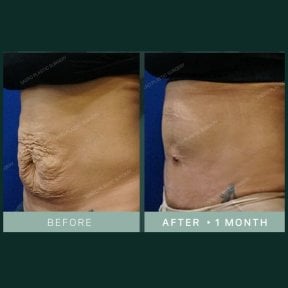
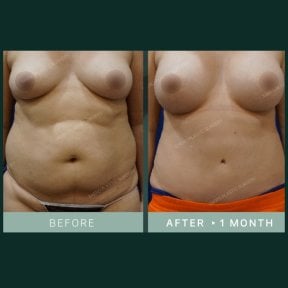
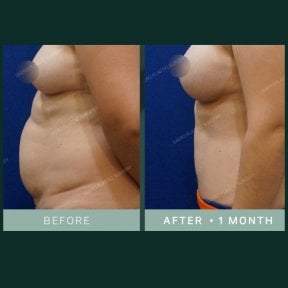
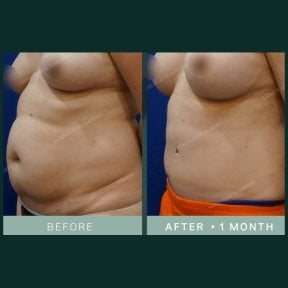
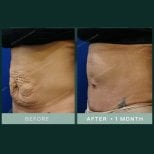
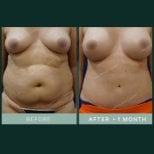
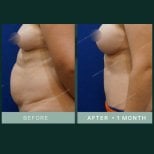
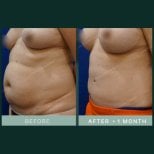
Future pregnancies or significant weight gain can stretch abdominal muscles and skin, potentially diminishing your surgical results. While liposuction permanently removes fat cells, remaining cells can still expand. Most surgeons in the Republic of Korea recommend delaying these procedures until after completing your family planning.
- Muscle separation: Pregnancy can cause new diastasis recti, re-separating surgically tightened abdominal wall muscles.
- Skin elasticity: Significant weight fluctuations stretch skin, leading to new laxity or stretch marks.
- Fat distribution: New weight gain often deposits in untreated areas like arms or thighs.
- Results maintenance: Stable weight within 10 to 15 pounds helps preserve the refined contour.
Bookimed Expert Insight: Data from South Korean centers like JK Plastic Surgery Center, which boasts a massive volume of 85,000+ procedures, shows that patient satisfaction stays highest when weight remains stable. Interestingly, clinics in Seoul often emphasize liposuction as a body-shaping tool rather than weight loss. Surgeons like Dr. Park Young Kyu at SAERO Plastic Surgery specialize in these combinations because they address both depth and surface. If you plan a pregnancy within 2 years, waiting can save you from needing a secondary revision surgery.
Patient Consensus: Many patients find that while a tummy tuck provides a flat stomach, a full-term pregnancy typically loosens that initial tightness. Maintaining a stable goal weight after surgery is frequently cited as the most critical factor for long-term happiness with the results.