Collagen Rebuilt: What Ultherapy Measurably Does to Your Skin
Ultherapy is a non-invasive skin-tightening treatment that uses focused ultrasound energy to stimulate collagen deep beneath the skin. Unlike creams and many surface treatments, it delivers energy to deeper layers of tissue without making an incision.
How Microfocused Ultrasound (MFU-V) Rebuilds Collagen
Ultherapy delivers controlled heat of around 60–70°C to tiny points in the deeper layers of the skin, creating a targeted repair response. Over the following weeks, this heat prompts the skin to build new collagen and elastin.
This is why the effect develops gradually after treatment rather than appearing overnight. Type I collagen synthesis increases by an average of 26% by six weeks, while Type III collagen, associated with fresh tissue repair, increases by an average of 60%, according to a study of MFU-V treatment.
The numbers behind the lift
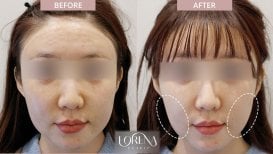
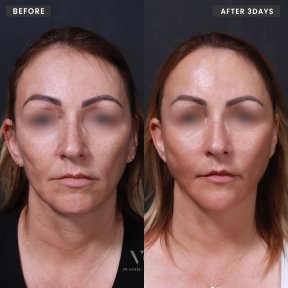
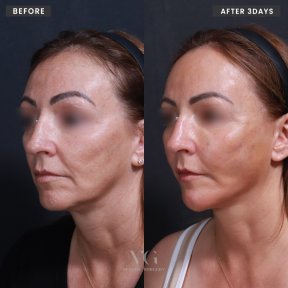
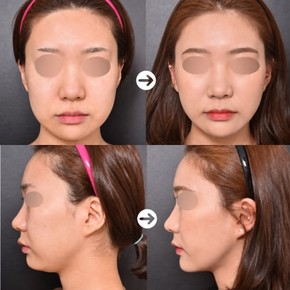
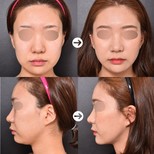
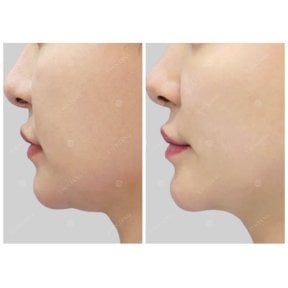
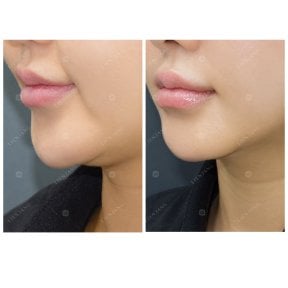
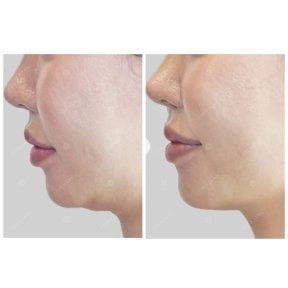
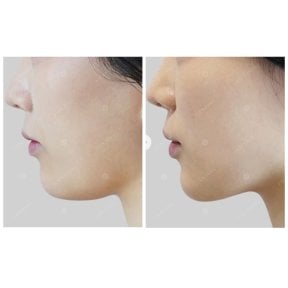
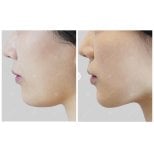
Studies on facial tightening report an average brow lift of 0.47–1.7 mm and a jawline lift of about 1.9 mm. In an FDA-cleared trial, 86% of people showed a visible brow lift at 90 days.
Results develop over 90–180 days and typically last 12–18 months for this non-invasive treatment. Ultherapy is commonly performed as a one-session treatment. That's why Seoul clinics such as Forena Clinic offer single-session 600-shot packages rather than course plans.
Pain, Comfort, and Seoul's Sleep-Sedation Option
What the procedure actually feels like
Ultherapy delivers ultrasound energy to the deeper support layer beneath the skin, including the SMAS (a layer of tissue that supports the facial muscles and skin), at depths of up to 4.5 mm. A survey of Ultherapy patients shows the treatment is accompanied by brief sensation, redness, and mild swelling that settle quickly. Numbing cream can reduce surface discomfort, but it can't reach the deeper tissue where the ultrasound energy is delivered.
The treatment is therefore better described as a manageable process with tolerable discomfort. Knowing what to expect can help you discuss comfort options with your clinic beforehand.
Sleep-sedation safety checklist
Some Seoul clinics offer conscious sedation to help patients stay comfortable and still during treatment. It's sometimes called sleep anesthesia. The medicines are short-acting, and you keep breathing on your own. When provided with appropriate monitoring and medical oversight, it protects both your comfort and your result. Lienjang Clinic, for example, already includes anesthesia, consultations, and language assistance in its package.
If a clinic offers sedation, confirm three things:
- A board-certified anesthesiologist should be on site, not on call.
- Your heart rate, oxygen level, and blood pressure should be monitored throughout the procedure.
- Ask whether sedation is included in the quoted price or charged separately.
Are You a Good Candidate? Suitability and What to Avoid
Who Ultherapy suits best
The best candidates have mild to moderate skin looseness and a reasonable amount of natural facial fat. Ultherapy lifts and refreshes the skin, but it won't replace a surgical facelift when sagging is severe. A doctor evaluates your skin depth and structure during an initial consultation to confirm whether this treatment is right for you. At partner locations like Oracle Clinic Cheongdam and Lalian Cheongdam Clinic, this detailed medical assessment is included directly in your package.
Who should consider alternatives
Thin faces with prominent cheekbones or hollow temples are less suited for this treatment. Delivering deep ultrasound energy into areas with minimal facial fat can cause fat loss, which may later require dermal fillers to restore volume. A thorough clinic screens for facial volume during consultation and steers these patients toward fat-sparing options instead.
Treatment response also varies with body weight. According to a clinical study, about 88% of leaner patients saw visible improvement, compared to only 45% of patients with a higher BMI. Additionally, because deeper skin tones carry a higher chance of temporary hyperpigmentation (dark patches), dermatologists adjust the energy levels downward to treat dark skin safely.
Ultherapy contraindications
A few situations may mean Ultherapy needs to be postponed or avoided. Tell your coordinator about any of these before you travel:
- Pregnancy or breastfeeding. Treatment is postponed until afterward.
- Active infection or open skin. The treatment area must be healthy first.
- Metal or electronic implants nearby. This includes a pacemaker close to the treatment area.
- Recent Botox or fillers. Space Ultherapy 3–4 weeks after Botox and 3–4 months after fillers.
Ultherapy vs. Thermage, Sofwave, and Korean HIFU: Which Fits You?
The right treatment depends on which layer of the skin you want to target. Ultherapy reaches deeper tissue, while radiofrequency and lighter ultrasound work at more superficial depths. A non-surgical facelift can target different layers, but more severe sagging may require a surgical facelift instead. Here's how the main options available in Seoul compare.
| Device | Energy type | Target depth | Sessions | Korea price | Results last |
|---|
| Ultherapy (MFU-V) | Focused ultrasound | Up to 4.5 mm (SMAS) | One | $2,100–$2,600 | 12–18 months |
| Thermage FLX | Radiofrequency | Dermis (surface) | One | $2,100–$2,700 | 6–12 months |
| Sofwave | Parallel-beam ultrasound | About 1.5 mm (mid-dermis) | One | ≈$800–$1,600 | Up to 12 months |
| Korean HIFU (Shurink, Doublo) | Ultrasound, no live imaging | 1.5–4.5 mm (varies by cartridge) | 3–5 a year | ≈$70–$350 per session | 3–6 months |
One of Ultherapy's distinguishing features is DeepSEE, a real-time imaging technology that lets the doctor see the tissue layers during treatment. This helps the doctor target the intended depth and avoid areas such as nerves and blood vessels. Some HIFU devices don't provide the same live view, which is why the treatment usually needs repeat sessions. Thermage is the better tool for crepey, superficial skin, while fat-sparing Sofwave fits younger or thinner faces.
Some Seoul clinics combine two technologies in one visit, with an Ultherapy-plus-Thermage pairing known as "Ulthermage" in Korea. The combination targets deeper tissue and the skin surface in the same treatment, so patients often compare its price with that of HIFU alone.
Choosing a Doctor-Led Seoul Clinic
Verify the device (NFC + QR)
Genuine Ultherapy cartridges have a limited number of shots by design. A reused or refilled cartridge may deliver inconsistent energy, potentially leading to a weaker result or skin injury. Checking the device is worth a minute of your time.
You can check the machine and cartridge in three steps:
- Turn on NFC on your phone and tap the tag on the machine to open the official verification page.
- Scan the QR code on the sealed cartridge box, opened in front of you.
- Request the manufacturer's certificate and the empty cartridge box with its serial number sticker.
Claims of "unlimited shots" should be treated as a warning sign, since legitimate cartridges have a set limit on shots.
Verify the doctor and the clinic
Insist that the board-certified doctor, rather than a sales coordinator, conducts your consultation. The same doctor should monitor the live ultrasound images during treatment to confirm the treatment depth. Expert consensus guidelines stress that physician-led, individualized treatment planning keeps the results safe and lasting.
Clinics we work with also hold credentials you can consider:
- VG Plastic Surgery. Rated 4.8/5; accredited by KOIHA, Korea's national healthcare-accreditation body.
- Lienjang Clinic. Rated 4.9/5; holds accreditation from the International Society of Aesthetic Plastic Surgery (ISAPS) and Korean Association for Laser Dermatology and Trichology (KALDAT).
- Forena Clinic. Rated 5.0/5; recognized by the American Academy of Dermatology (AAD).
- AB Plastic Surgery. Rated 5.0/5; carries Korea's international-patient certification and a health-ministry regenerative-medicine designation.
How Much Does Ultherapy in Korea Really Cost vs. the US and UK?
A single Ultherapy session at a verified Seoul clinic runs about $2,100–$2,600, with Ultherapy Prime packages starting at roughly $1,400 for 400 shots. These figures give you a more useful starting point than comparing clinics by shot count alone. At the midpoint, Korea's listed price range is about 40% below the US.
| Country | Ultherapy price |
|---|
| Korea | $2,100–$2,600 |
| United States | $2,500–$5,500 |
| United Kingdom | $1,800–$3,200 |
How to compare quotes cleanly
Price mostly tracks shot count and whether a second device is added. For a two-layer treatment, Seoul's Ultherapy-plus-Thermage packages run about $2,200–$2,500 at Oracle Cheongdam. That's well under typical Western combination pricing. The same treatment starts at a lower price in other Bookimed destinations, such as Ultherapy in Turkey.
To compare offers fairly, ask each clinic for one all-in, tax-inclusive quote. It should cover the exact shot count and any add-ons. That gives you a straightforward basis for comparing one Seoul clinic with another.