Brachytherapy in Spain — get 3 personalized clinic matches

Medically reviewed by
Yesim Yildirim
How it works
How Much Does Brachytherapy Cost in Spain?
Brachytherapy in Spain typically ranges from $11,000 to $16,500. The final cost depends on the cancer type, technology used, and the chosen medical facility. Patients save approximately 34% compared to the US, where costs average $21,000. Spanish oncology centers like those in Barcelona and Madrid usually include consultations, imaging, and localized radiation implants in their pricing.
- Brachytherapy for prostate cancer: $11,400 to $11,500 for localized seed implantation.
- Brachytherapy for uterine cancer: $6,000 to $8,000 using high-dose-rate (HDR) techniques.
- Facility tier: JCI-accredited centers in Barcelona often charge 15-20% more for advanced infrastructure.
- Geographic variation: Main medical hubs for radiotherapy include Barcelona, Madrid, and Pamplona.
Bookimed Expert Insight: Choosing Spain offers access to world-class oncology without the premium prices of Central Europe. Clinica Universidad de Navarra is the first JCI-accredited hospital in Spain. It maintains a 95% limb preservation rate in complex sarcomas. For advanced radiation, specialists like Professor Raimon Miralbell at Teknon cooperate with CERN. These elite credentials ensure precision treatment. This high-level expertise typically costs about $9,500 to $10,500 for specialized HDR sessions.
| Turkey | Austria | Spain | |
|---|---|---|---|
| Brachytherapy | from $4,000 | ≈ $5,500 | from $11,000 |
| Brachytherapy for uterine cancer | ≈ $2,800 | ≈ $5,500 | from $6,000 |
| Brachytherapy for prostate cancer | from $5,500 | ≈ $9,500 | from $11,400 |
Discover the Best Brachytherapy Clinics in Spain: 7 Verified Options and Prices


















GenesisCare Clinics
Brachytherapy Overview in Spain
- Brachytherapy - from $11,000This therapy uses internal radiation to treat cancer, offering localised treatment, minimal side-effects and non-invasive procedures.
- Brachytherapy for prostate cancer - from $11,400This therapy implants radioactive seeds in the prostate to destroy cancer cells, offering targeted and effective treatment.
- Brachytherapy for uterine cancer - from $6,000A doctor places radioactive materials nearby the tumor, specifically treating uterine cancer with fewer side effects.
Day 1 - Arrival
- Arrival at the clinic.
- Initial consultation with a specialist.
- Undergo necessary medical tests.
Day 2 - Pre-Operation
- Meet with radiation oncologist for procedure details.
- Get a CT scan for treatment planning.
- Attend pre-brachytherapy briefing.
Day 3 - Brachytherapy Procedure
- Admission to the clinic.
- Undergo anesthesia - usually local or spinal.
- Brachytherapy procedure begins, takes 1-2 hours generally.
- Radioactive seeds are placed in the affected area.
Day 4 - Post-Operation
- Observation in clinic for side effects.
- Discharge planning with nursing team.
- Receive post-operative care instructions.
Week 1 - Recovery
- Rest and recovery at home.
- Follow-up consultation with oncologist.
- Monitor for any side effects.
Week 2-4 - Rehabilitation
- Gradual return to normal activities.
- Resume work after 2 weeks, if feeling well.
- Start light exercises after 3 weeks.
Week 5 - Follow-Up
- Regular follow-up appointment with oncologist.
- CT scan or MRI to assess treatment success.
- Discuss any ongoing rehabilitation needs.
Please note, each patient"s experience with brachytherapy may differ based on individual health conditions and severity of the disease.
.- Bookimed deposit: $200 or €200.
- Clinic deposit: Pay a set percentage in advance.
Our Doctors
View all Doctors
Raimon Miralbell
Professor Miralbell is a world-renowned expert in prostate cancer treatment with radiotherapy, collaborating with CERN on advanced radiation techniques.
- Head of Radiation Oncology at Centro Médico Teknon since 1999
- Specializes in focused radiosurgery including Gammaknife and Cyberknife
- Trained at Harvard Cyclotron Laboratory and Royal Marsden Hospital
- Recipient of the Varian Award for Radiation Oncology
- Published over 100 scientific papers on radiotherapy advancements

Dr. Jose Ignacio Bilbao
Dr. Jose Ignacio Bilbao is the Head of Vascular and Interventional Radiology at Clinica Universidad de Navarra. He specializes in interventional oncology and lung cancer treatment. Dr. Bilbao works at a hospital ranked among the World's Best Hospitals by Newsweek. The clinic holds JCI accreditation.
- Leads the vascular and interventional radiology department.
- Treats oncology cases using minimally invasive radiological techniques.
- Works at a center recognized by the European Society for Medical Oncology.
- Practices in a facility that treats over 140,000 patients annually.
Video Stories from Bookimed Patients
Reviews about Bookimed: Discover Patients' Insights
All reviews


Share this content
 Anna Leonova
FAQ about Brachytherapy in Spain
What are the main advantages of choosing Spain for brachytherapy?
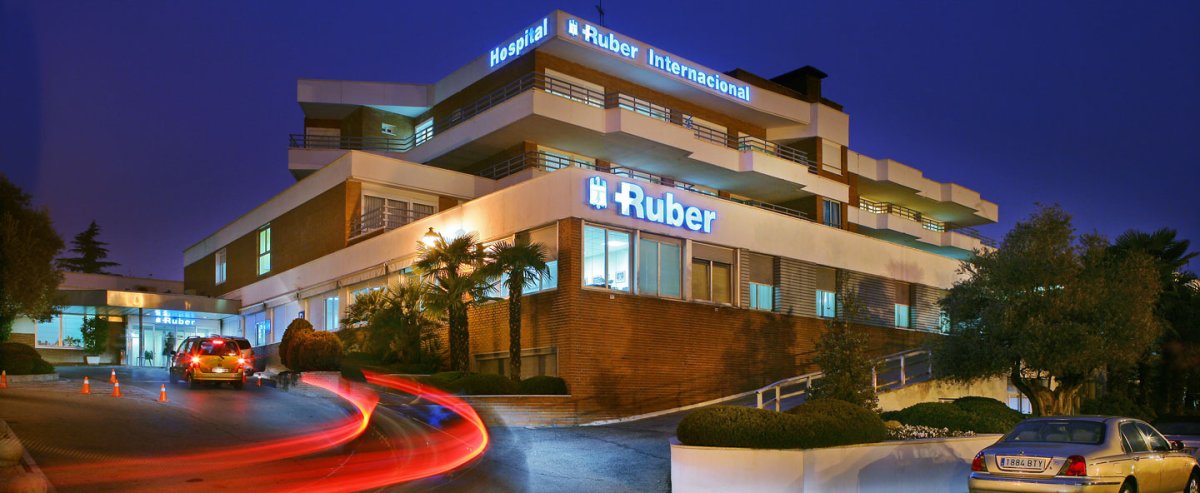
Spain offers high-precision brachytherapy through Joint Commission International accredited centers like Centro Médico Teknon and Hospital Ruber Internacional. Patients benefit from specialized multidisciplinary teams, advanced HDR and LDR technologies, and approximately 34% savings compared to average United States treatment costs for prostate cancer.
- Expert oncologists: Leading specialists like Professor Raimon Miralbell possess extensive training from Harvard and CERN.
- Advanced technology: Facilities utilize Varian and Elekta systems for internal radiation and interstitial brachytherapy.
- Accredited facilities: Top-tier hospitals hold European Foundation for Quality Management and Newsweek best hospital rankings.
- Rapid recovery: Patients typically regain mobility within 48 hours with minimal disruption to daily activities.
Bookimed Expert Insight: Spain’s oncology network is unique because clinics like Centro Médico Teknon serve elite global figures while maintaining high volume expertise, treating 10,000 patients annually. This massive scale allows Spanish centers to offer advanced HDR brachytherapy—which requires just 2 sessions—at $11,400, a price point rarely found in other European medical hubs for this level of technology.
Patient Consensus: Patients value how this tissue-sparing treatment preserves quality of life by reducing risks of incontinence and erectile dysfunction. The shorter hospital stays and targeted approach provide a less stressful experience than traditional surgery or external beam radiation.
Which cities are best for brachytherapy in Spain?
Barcelona and Madrid are the premier cities for brachytherapy in Spain, hosting JCI-accredited facilities that specialize in high-dose-rate radiation. Barcelona excels in prostate cancer care at Centro Médico Teknon, while Madrid offers extensive radiotherapy networks like GenesisCare and top-tier oncology at Hospital Ruber Internacional.
- Barcelona oncology leaders: Centro Médico Teknon features world-renowned experts like Professor Raimon Miralbell for prostate cases.
- Madrid clinical networks: GenesisCare operates specialized radiotherapy centers providing advanced HDR and LDR brachytherapy technology.
- Pamplona research hub: Clinica Universidad de Navarra is recognized by Newsweek for AI-driven oncology treatments.
- Specialized pediatric care: SJD Barcelona Children's Hospital is a top-3 European institution for pediatric oncology.
Bookimed Expert Insight: While patients often choose Madrid or Barcelona for prestige, Clinica Universidad de Navarra in Pamplona frequently offers higher limb-preservation rates for complex cases. Our data shows this facility maintains a 95% limb preservation rate, making it a critical choice for sarcomas requiring precise internal radiation.
Patient Consensus: Many patients find that seeking centers with specific high-dose-rate capability is more vital than the city itself. They often highlight that Spain offers specialized outpatient-style planning, which significantly reduces the time spent in the hospital compared to US centers.