Cryotherapy for Kidney Cancer in Spain — Get 3 Top Clinic Matches with Costs


Medically reviewed by
Yesim Yildirim
How Much Does Cryotherapy for kidney cancer Cost in Spain?
Cryotherapy for kidney cancer in Spain typically costs from $9,500 to $15,000. Total pricing depends on the tumor size, the chosen surgical approach, and the specific clinic tier. In the US, similar procedures cost around $42,000 on average. Patients save around 71% compared to US prices. Costs usually cover the cryoablation procedure, anesthesia, and initial post-operative monitoring.
- Procedure technique: Laparoscopic approaches often cost 20-30% more than percutaneous needle-guided methods.
- Medical hubs: Major centers in Madrid and Barcelona represent the primary destinations for this treatment.
- Hospital tier: Private facilities with luxury suites and 5-star services command higher administrative fees.
- Tumor complexity: Larger tumors requiring multiple cryoprobes increase the cost of specialized medical consumables.
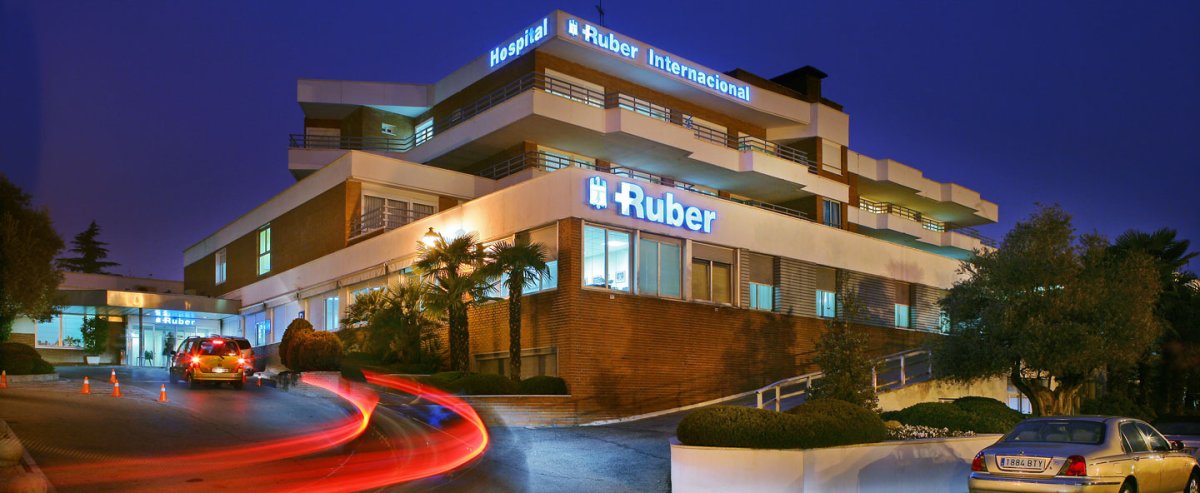
Bookimed Expert Insight: Choosing top-tier centers like Hospital Ruber Internacional offers access to elite technology. This clinic is ranked among the top six in Spain by Forbes. It holds Joint Commission International (JCI) accreditation and performs over 6,000 surgeries annually. While prices in Madrid may be higher, the integration of advanced 3-Tesla MRI imaging ensures high precision. This balance of accreditation and volume makes Spain a high-value destination for oncology.
| Turkey | Austria | Spain | |
|---|---|---|---|
| Cryotherapy for kidney cancer | ≈ $7,500 | ≈ $12,500 | ≈ $9,500 |
Your Benefits and Guarantees with Bookimed
Transparent Prices & Flexible Installments
No hidden fees – just official clinic prices. Pay at the clinic for Cryotherapy for kidney cancer upon arrival and use a flexible installment plan if needed.
Verified Clinics & Doctors Only
Bookimed is committed to your safety. We only work with medical institutions that maintain high international standards in Cryotherapy for kidney cancer and have the necessary licenses to serve international patients worldwide.
Free 24/7 Assistance
Bookimed offers free expert assistance. A personal medical coordinator supports you before, during, and after your treatment, solving any issues. You're never alone on your Cryotherapy for kidney cancer journey.

Your personal Bookimed medical coordinator
- Supports you at every stage
- Helps choose the right clinic and doctor
- Ensures quick and convenient access to information
Discover the Best Cryotherapy for kidney cancer Clinics in Spain: 1 Verified Option and Prices


Cryotherapy for kidney cancer Overview in Spain
Day 1 - Arrival
- Arrival at the hospital.
- Check-in at the reception desk.
Day 2 - Pre-Operation
- Consultation with an oncologist.
- Consultation with a urologist.
- Blood tests conducted.
- CT scan or MRI performed.
Day 3 - Cryotherapy Procedure
- Fasting for 8 hours before the procedure.
- General anesthesia administration.
- Cryotherapy lasts for 1-3 hours.
- Freezing cancer cells to kill them.
- Procedure ends, moved to recovery room.
Day 4 - Post-Operation
- Observation in the recovery room.
- Monitoring of vital signs.
- Pain management if needed.
- Discharge planning with a nurse.
Week 1 - Rehabilitation
- Rest and recovery at home.
- Follow-up appointment with doctors.
- Gradual return to normal activities.
Week 2 - Rehabilitation
- Continued recovery at home.
- Follow-up medical tests.
- Return to work if cleared by doctors.
Week 3 - Rehabilitation
- Continued regular activities.
- Return to sports if cleared by doctors.
- Observe the final result of the procedure.
Please note that this is a general guide and individual experiences may vary.
- Bookimed deposit: $200 or €200.
- Clinic deposit: Pay a set percentage in advance.
Video Stories from Bookimed Patients
Reviews about Bookimed: Discover Patients' Insights
All reviews


Share this content
 Anna Leonova
FAQ about Cryotherapy for kidney cancer in Spain
What is the success rate of cryotherapy for kidney cancer in Spain?
Spanish clinics report a 97% technical success rate for kidney cancer cryoablation. Long-term data shows a 100% 5-year cancer-specific survival rate for T1a and T1b tumors. These outcomes match leading global standards for nephron-sparing treatments in JCI-accredited facilities like Hospital Ruber Internacional.
- Survival rates: Overall survival reaches 98.5% at 12 months in Spanish clinical cohorts.
- Recurrence-free survival: Patients frequently maintain a 97% recurrence-free status 5 years after treatment.
- Safety profile: Complication rates stay low at 6% for early-stage renal tumor procedures.
- Ideal tumor size: This procedure is most effective for tumors smaller than 4 centimeters.
Bookimed Expert Insight: Success in Spain often stems from advanced technology integration. For instance, Hospital Ruber Internacional recently upgraded to the Da Vinci Xi system. This focus on precision equipment helps maintain high technical success even in complex cases. Some clinics also treat both adults and children, showing immense versatility in patient care.
Patient Consensus: Patients value the high-performing public healthcare standards that influence private clinic quality in Spain. Many recommend confirming whether a center uses the term cryoablation for clinical success data.
Who is a candidate for renal cryotherapy?
Candidates for renal cryotherapy include patients with small, localized kidney tumors, typically stage T1a or T1b. This minimally invasive procedure suits individuals with masses under 4cm. It is ideal for those seeking nephron-sparing options or patients at higher risk for traditional surgical complications.
- Tumor size: Most effective for small renal masses measuring 4cm or less in diameter.
- Surgical risk: Option for patients with high age or comorbidities preventing traditional open surgery.
- Renal function: Critical for individuals with a single kidney or hereditary bilateral tumors.
- Clinical staging: Targeted at early-stage kidney cancer where localized tissue preservation is possible.
Bookimed Expert Insight: Spanish centers like Hospital Ruber Internacional integrate cryotherapy within advanced urology departments. While many seek this for health reasons, younger patients choose it to avoid surgery. The 54% savings compared to US costs often makes high-end European technology accessible. Check if the clinic uses 3-Tesla MRI for precise tumor mapping beforehand.
Patient Consensus: Success depends on confirming tumor size with a specialist before traveling. Most favor this to avoid long hospital stays and preserve healthy kidney function effectively.
How does cryoablation compare to traditional surgery in Spain?
Cryoablation in Spain offers a minimally invasive alternative to traditional surgery for localized kidney tumors. It uses extreme cold to destroy cancerous cells without large incisions. Modern Spanish facilities utilize this technique for patients who cannot tolerate traditional partial nephrectomy due to health risks.
- Procedure approach: Cryoablation uses percutaneous needles while traditional surgery involves physical tumor removal.
- Specific eligibility: The procedure is most effective for small tumors measuring 3.5 cm or less.
- Tissue diagnosis: Traditional surgery allows full pathology, whereas cryotherapy requires a mandatory pre-procedure biopsy.
- Success rates: Surgery remains the gold standard, offering 95% to 99% long-term success rates.
Bookimed Expert Insight: Spanish healthcare centers like Hospital Ruber Internacional integrate JCI-accredited safety standards into cryoablation protocols. While cryotherapy costs start at $6,800, saving approximately 71% compared to US averages, its true value lies in precision. Some centers use 3-Tesla MRI imaging to guide needle placement, significantly reducing risks for medically compromised patients.
Patient Consensus: Patients value the faster recovery and minimal pain associated with cryoablation. They recommend confirming local recurrence rates with your surgeon before choosing this minimally invasive route over traditional surgery.
Is percutaneous cryoablation available in Spain?
Percutaneous cryoablation is available in Spain for kidney and prostate cancer treatment. Expert urologists and interventional radiologists in Madrid perform this minimally invasive procedure. Renowned facilities like Hospital Ruber Internacional utilize advanced imaging like 3-Tesla MRI for precise needle placement during tumor freezing.
- Specialized facilities: Major oncology centers in Madrid and Barcelona provide this imaging-guided technology.
- Expert specialists: Dr. Javier Cabrera Pérez in Madrid specializes in cryoablation for urological tumors.
- Credential standards: Top centers hold Joint Commission International (JCI) and ISO 9001 quality certifications.
- Advanced diagnostics: Procedures often utilize 3-Tesla MRI or CT guidance for maximum safety.
Bookimed Expert Insight: Spain’s top hospitals like Hospital Ruber Internacional focus on high-tech integration. They combine interventional radiology with specialized urology departments. Forbes consistently ranks these clinics among the best in the country. This ensures patients receive treatment in facilities serving over 25,000 international patients annually.
Patient Consensus: Patients emphasize that tumor location is critical for eligibility. Those with peripheral tumors report smoother experiences than those with central tumors. Many recommend contacting large Spanish centers directly to confirm current technology availability.
What is the typical recovery time after the procedure?
Recovery after cryotherapy for kidney cancer in Spain typically lasts 1 to 3 weeks for most patients. This minimally invasive procedure allows for immediate post-operative monitoring within 24 to 72 hours. Most individuals return to light daily activities shortly after and achieve full tissue healing within 4 to 6 weeks.
- Initial monitoring: Critical care occurs within the first 24 to 72 hours post-surgery.
- Activity resumption: Patients transition to light tasks within a few days to 3 weeks.
- Office return: Resuming sedentary work is usually recommended 4 to 6 weeks after treatment.
- Tissue healing: Complete internal healing typically requires a 6-week window for most patients.
Bookimed Expert Insight: While recovery is fast, choosing JCI-accredited facilities like Hospital Ruber Internacional ensures higher safety standards. High-tech tools like 3-Tesla MRI help surgeons monitor the freezing zone precisely during the procedure. This accuracy helps minimize damage to healthy tissue and speeds up the healing process.
Patient Consensus: Patients emphasize consulting local Spanish urologists directly for specific timelines. They often suggest checking official hospital guides to manage expectations regarding follow-up access and public waitlists.
Which hospitals are known for cryotherapy/ablation in Spain?
Spain is a premier destination for kidney cancer cryoablation, led by JCI-accredited facilities like Hospital Ruber Internacional. Key centers include Hospital Clinic Barcelona and Hospital Universitario La Paz. These institutions specialize in percutaneous image-guided techniques, offering minimally invasive alternatives to traditional surgery.
- Top-ranked facilities: Forbes ranks Hospital Ruber Internacional among the top 6 centers in Spain.
- Specialized technology: Clinics utilize Da Vinci Xi systems and 3-Tesla MRI for precision targeting.
- Expert centers: Hospital Universitari de Bellvitge focuses on complex renal ablation for malignancies.
- High standards: Leading institutions maintain ISO certifications and Joint Commission International (JCI) accreditation.
Bookimed Expert Insight: While public university hospitals lead in research, private centers like Hospital Ruber Internacional offer faster access. This clinic manages 25,000 patients annually and provides 100+ private rooms. High patient volume often correlates with refined technical expertise in interventional radiology.
Patient Consensus: Patients recommend verifying cryoablation availability directly with urologists because services are hospital-dependent. Many emphasize consulting local rating platforms like Saludon to evaluate specific institutional quality before traveling.