Intraarterial chemotherapy in Spain — get 3 personalized clinic matches
Bookimed lists 3 intraarterial chemotherapy clinics in Spain, in Madrid and Barcelona. These clinics are rated 4.7/5 in 64 verified patient reviews on Bookimed.


Medically reviewed by
Fahad Mawlood
How it works
How Much Does Intraarterial chemotherapy Cost in Spain?
Intraarterial chemotherapy in Spain typically costs from $9,500 to $14,500. Prices vary based on the tumor location, clinic specialization, and drug protocols. The United States average is $40,000, meaning patients in Spain save approximately 70%. Costs generally cover oncologist consultations, nursing care, laboratory tests, and the medical procedure itself.
- City variations: Prices in Madrid can be 15-20% higher than in regional centers.
- Clinical tier: Facilities with Newsweek rankings or JCI accreditation often have a higher base cost.
- Drug selection: The choice of specific chemotherapy agents or targeted therapies impacts the total invoice.
- Liver-specific treatment: Chemoembolization of the liver typically costs 25-30% less than complex brain protocols.
Bookimed Expert Insight: Choosing a specialized center like SJD Barcelona Children's Hospital offers distinct value. This facility ranks among the top three in Europe for pediatric oncology. While Madrid clinics like Hospital Universitario HM Madrid offer high-tech solutions, Barcelona remains a global hub. Families benefit from 800 doctors and advanced molecular medicine laboratories. This volume of care often ensures more efficient and precise treatment protocols.
| Turkey | Austria | Spain | |
|---|---|---|---|
| Intraarterial chemotherapy | from $5,000 | ≈ $9,500 | ≈ $9,500 |
Discover the Best Intraarterial chemotherapy Clinics in Spain: 3 Verified Options and Prices






Intraarterial chemotherapy Overview in Spain
- Chemotherapy - from $2,200This therapy treats cancer by using drugs to destroy cancer cells and prevent their growth.
- Hyperthermic Intraperitoneal Chemotherapy (HIPEC) - from $21,400The operation heats chemotherapy drugs and applies them directly inside the belly to kill hidden cancer cells.
- Chemotherapy for liver cancer - from $3,000This therapy targets and kills cancer cells in the liver, using drugs given by mouth or injection.
- Chemoembolization of the liver - from $9,000This therapy combines cancer-killing drugs and blockage of blood supply to shrink liver tumors rapidly and effectively.
- Chemotherapy for larynx cancer - from $2,200This therapy helps eliminate laryngeal cancer cells using potent drugs, potentially preserving voice function.
- Chemotherapy for lung cancer - from $2,200This therapy utilizes drugs to kill lung cancer cells, often given via injection or oral tablet, enhancing survival rates.
- Chemotherapy for prostate cancer - from $4,900This therapy uses drugs to kill prostate cancer cells, delivered through veins or pills, enhancing survival rates.
- Chemotherapy for uterine cancer - from $2,500This therapy uses drugs to kill cancer cells in the uterus, effectively controlling disease progression.
- Chemotherapy for pancreatic cancer - from $2,300This therapy uses drugs to destroy pancreatic cancer cells, helping to shrink tumors and ease symptoms.
- Chemotherapy for gallbladder cancer - from $1,300The procedure uses powerful medicines to kill gallbladder cancer cells, slowing growth and relapse.
- Chemotherapy for breast cancer - from $2,300This therapy targets and destroys breast cancer cells, using powerful drugs, enhancing survival and recovery rates.
- Chemotherapy for ovarian cancer - from $4,000This therapy treats ovary tumors using drugs specific to kill cancer cells, enhancing survival rates.
- Chemotherapy for esophageal carcinoma - from $1,100This therapy uses potent drugs to kill esophageal cancer cells, preventing their spread and improving patient survival rates.
- Chemotherapy for Brain Tumor - from $1,100This therapy involves using drugs to shrink or kill brain cancer cells, providing an effective, non-surgical option.
- Lymphoma chemotherapy - from $3,000This therapy treats lymphoma by killing cancer cells, using powerful drugs through injection or pill form.
- Leukemia chemotherapy - from $6,000This therapy treats blood cancer using strong medicines, aiming to destroy harmful cells completely.
Day 1 - Arrival
- Arrive in the country and settle into the clinic.
- Meet the medical team that will be handling your treatment.
Day 2 - Pre-Operation
- Undergo a consultation with a specialist oncologist.
- Perform necessary medical tests, including blood tests and imaging.
- Discuss the treatment plan, including potential side effects.
Day 3 - Intraarterial Chemotherapy
- The procedure is performed under local anesthesia.
- The entire process takes about 1-2 hours.
- A catheter is placed into the artery to deliver chemotherapy.
- Post-procedure, you will be monitored for any immediate reactions.
Day 4 - Post-Operation
- Remain in the clinic for observation and recovery.
- Medical team will monitor for any side effects or complications.
Week 1 - Rehabilitation
- Recovery at home with regular follow-up appointments.
- Controlled physical activity can be resumed after 1 week.
Week 2
- Continue recovery at home with regular oncologist consultations.
- Return to work can be expected within 2 weeks.
Please note that each patient"s experience may vary depending on their individual health condition and the specifics of their treatment plan.
- Bookimed deposit: $200 or €200.
- Clinic deposit: Pay a set percentage in advance.
Our Doctors
View all Doctors
Lopez Ibor
Dr. López-Ibor specializes in pediatric hematology and oncology, with over 32 years of experience treating bone and brain tumors at HM Montepríncipe Hospital.
- Expert in leukemia and hematological diseases
- Director of Pediatric Hematology and Oncology Unit
- Trained at University of Maryland
- Author of numerous scientific publications
Video Stories from Bookimed Patients
Reviews about Bookimed: Discover Patients' Insights
All reviewsShare this content
 Anna Leonova

FAQ about Intraarterial chemotherapy in Spain
What is intra-arterial chemotherapy (IAC)?
Intra-arterial chemotherapy (IAC) is a targeted cancer treatment that delivers concentrated medication directly into the artery supplying a tumor. By bypassing systemic circulation, this method achieves higher local drug concentrations while significantly reducing side effects like nausea or immune suppression compared to traditional intravenous therapy.
- Targeted delivery: Surgeons guide a thin catheter through the arterial network to specify tumor sites.
- Treatment range: Spanish clinics use IAC for retinoblastoma, liver tumors, and advanced pancreatic cancer.
- Procedure specifics: Doctors perform the treatment under general anesthesia, typically across three separate sessions.
- Local efficacy: Direct infusion allows for maximum drug impact while preserving surrounding healthy tissues.
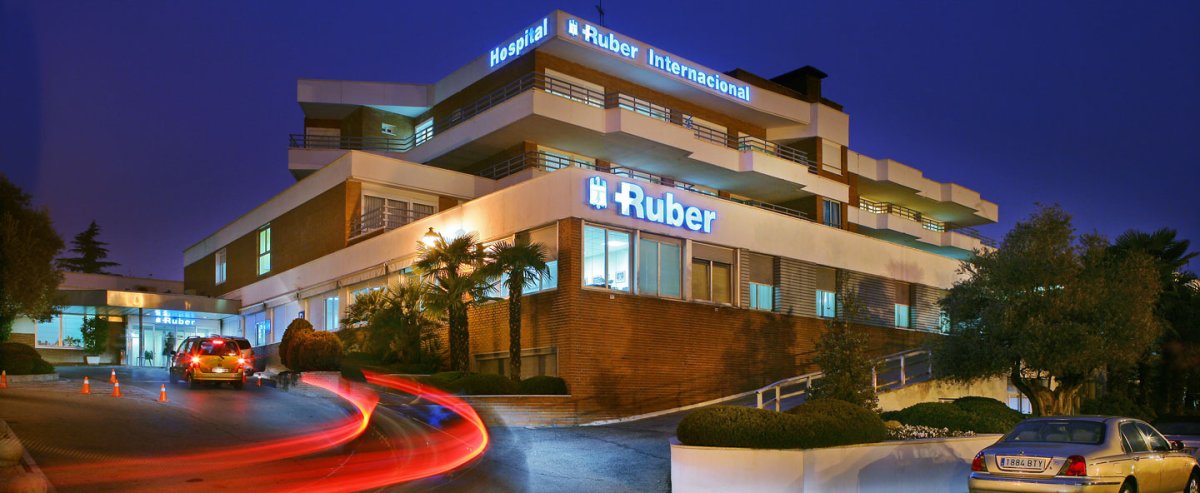
Bookimed Expert Insight: Spain stands out for its specialized application of IAC beyond pediatric eye cancer. While many global centers focus only on retinoblastoma, Spanish facilities like Hospital Ruber Internacional and HM Madrid offer sophisticated arterial therapies for complex adult cases. Patients should clarify if they need pure infusion or chemoembolization, as Spanish oncologists often specialize in both techniques for pancreatic and liver malignancies.
Patient Consensus: Patients value how this specialized delivery limits typical chemotherapy fatigue. Many emphasize the importance of confirming procedure availability directly with Spanish providers before traveling, as IAC require high-tech interventional radiology suites.
What are the benefits of IAC over traditional chemotherapy?
Intra-arterial chemotherapy (IAC) delivers drugs directly into the artery supplying a tumor, achieving higher local concentrations than traditional systemic treatment. This targeted approach in Spain significantly reduces systemic toxicity, improves organ preservation rates for conditions like retinoblastoma, and minimizes long-term risks associated with whole-body chemotherapy.
- Tumor drug concentration: Targeted delivery ensures maximum drug potency reaches the cancerous site.
- Reduced systemic toxicity: Localized treatment prevents common side effects like hair loss.
- Higher salvage rates: Specialized delivery often eliminates the need for surgical organ removal.
- Lower drug volume: Minimally invasive catheterization requires smaller overall doses for treatment.
Bookimed Expert Insight: Spanish centers like SJD Barcelona Children's Hospital rank among Europe's top three pediatric oncology facilities. They specialize in super-selective ophthalmic artery delivery, which is vital for saving a child's vision. Specialists like Dr. Lopez Ibor bring 20 years of experience, often combining IAC with molecular diagnostics to tailor the drug dose specifically to the tumor's genetic profile.
Patient Consensus: Families often choose this method to avoid the exhaustion of traditional treatments. Many report that preserving their child's eye and vision was the primary motivation for seeking specialized Spanish clinics.
Are there risks associated with the procedure?
Intraarterial chemotherapy in Spain is a specialized oncology procedure with high success rates, yet it carries specific risks related to targeted drug delivery. Key concerns include vascular damage from catheterization, potential eye preservation failure in retinoblastoma cases, and standard anesthesia complications like emergence delirium in pediatric patients.
- Vascular complications: Catheterization may cause arterial vessel damage, local bleeding, or site infections.
- Anesthesia safety: Pediatric patients face risks of emergence delirium during recovery from general anesthesia.
- Treatment limits: Approximately 50% of advanced cases might still require surgical eye removal (enucleation).
- Neurological monitoring: If initial treatment fails, cancer progression toward the brain remains a critical risk.
Bookimed Expert Insight: While many focus on surgical risks, Spain and the JCI-accredited Hospital Ruber Internacional utilize advanced 3-Tesla MRI and molecular labs to monitor responses in real-time. This precision helps specialists like Dr. Lopez Ibor at HM Madrid manage survival rates that reach approximately 80% for childhood cancers, significantly mitigating long-term systemic toxicity compared to standard chemotherapy.
Patient Consensus: Parents emphasize preparing for post-procedure delirium in children and strictly managing bodily fluids like sweat or urine due to active drug presence. Most appreciate that despite procedural risks, many children achieve normal developmental milestones with no memory of the treatment.
What cancers are treated with intra-arterial chemotherapy in Spain?
Spanish medical centers use intra-arterial chemotherapy (IAC) to treat retinoblastoma, liver cancer, and locally advanced pancreatic cancer. Specialized facilities like SJD Barcelona Children's Hospital and Hospital Ruber Internacional deliver high drug concentrations directly to tumors through the arterial supply, significantly reducing systemic side effects.
- Ocular tumors: IAC is a primary vision-preserving treatment for pediatric retinoblastoma in Barcelona.
- Liver malignancies: Trans-arterial chemoembolization (TACE) treats primary hepatocellular carcinoma and metastatic hepatic tumors.
- Pancreatic cancer: Specialized protocols deliver concentrated doses to locally advanced tumors in Spanish centers.
- Advanced oncology: Surgeons apply intra-arterial delivery for complex head, neck, and brain tumors.
Bookimed Expert Insight: Spain represents a unique value hub for this specialized therapy. While IAC for pancreatic cancer can exceed $280,000 in the US, JCI-accredited centers in Madrid and Barcelona offer identical expertise at approximately half that cost. Highly experienced specialists like Dr. Lopez Ibor balance advanced delivery with a survival-focused approach for complex pediatric cases.
Patient Consensus: Patients often highlight IAC as a vital alternative for saving vision in children when traditional treatments fail. Many emphasize the importance of distinguishing IAC from HIPEC, as they target different anatomical areas and require different clinical expertise.
How does the treatment process work?
Intraarterial chemotherapy in Spain involves delivering high-dose medication directly to tumors through a targeted arterial catheter. This specialized oncology procedure minimizes systemic toxicity by concentrating drugs locally. Spanish centers like Hospital Ruber Internacional and HM Madrid utilize this as a vital second-line treatment for advanced or resistant cancers.
- Targeted delivery: Surgeons insert a catheter into the specific artery feeding the primary tumor.
- Treatment sequencing: Clinics usually offer this after standard first-line chemotherapy protocols have failed.
- Spanish certifications: Procedures occur in facilities holding Joint Commission International (JCI) or ISO certifications.
- Specialized oncology: Leading centers like SJD Barcelona incorporate advanced molecular medicine into treatment.
Bookimed Expert Insight: Spanish oncology centers represent a strategic middle ground for complex cases. HM Madrid and SJD Barcelona treat over 9,000 children annually, reflecting massive clinical experience. While European clinics are widely available, Spain is one of only two primary global hubs, alongside the United States, offering these specific intraarterial protocols for difficult cases like pancreatic cancer.
Patient Consensus: You must provide documented proof of first-line treatment failure before clinics will evaluate your case. Do not book travel until you receive explicit written confirmation of the specific administration protocol.
Where can I receive intra-arterial chemotherapy in Spain?
Specialized hospitals in Barcelona and Madrid provide intra-arterial chemotherapy for adult and pediatric oncology. Leading centers like SJD Barcelona Children's Hospital and Hospital Ruber Internacional utilize this targeted approach to deliver high-dose medication directly into tumor-supplying arteries, minimizing systemic side effects for conditions like retinoblastoma.
- Top pediatric center: SJD Barcelona serves 4,000 children annually using advanced melphalan-based protocols.
- Accredited facilities: Hospital Ruber Internacional holds Joint Commission International (JCI) and ISO certifications.
- Specialist expertise: Dr. Lopez Ibor in Madrid provides 20 years of pediatric oncology experience.
- Comprehensive care: HM Hospitales operates 4 specialized oncology centers with advanced technological solutions.
Bookimed Expert Insight: Spain’s oncology landscape shows a distinct split between pediatric and adult specialization. While SJD Barcelona dominates pediatric cases with 14,000 annual operations, adult patients often find better multidisciplinary integration at HM Hospitales. Their 4-center oncology network allows for faster evaluation compared to standalone clinics.
Patient Consensus: Patients value the multidisciplinary evaluations in Spain, though they recommend specifying the cancer type early. Many choose Spanish clinics for the significant cost savings compared to US-based treatment.