Keratoplasty in Spain — Get 3 Top Clinic Matches with Costs


Medically reviewed by
Fahad Mawlood
How Much Does Keratoplasty Cost in Spain?
Keratoplasty in Spain typically ranges from $18,900 depending on technique and clinic location. Costs fluctuate based on whether patients require partial or full thickness corneal transplants. The United States average price for similar procedures is $13,300, making Spain a competitive option with savings of approximately 0%. Standard packages generally include donor tissue, surgical fees, anesthesia, and initial follow-up diagnostics.
- Advanced techniques: Procedures like Boston Keratoprosthesis using artificial corneas typically add a 50-60% premium.
- Major medical hubs: Madrid and Pamplona often represent the highest price points in the country.
- Regional variations: Barcelona clinics offer mid-range pricing while Malaga provides more budget-friendly options for standard cases.
- Supportive procedures: Corneal ring implantation or cross-linking commonly adds $1,850 to $4,000 to the total budget.
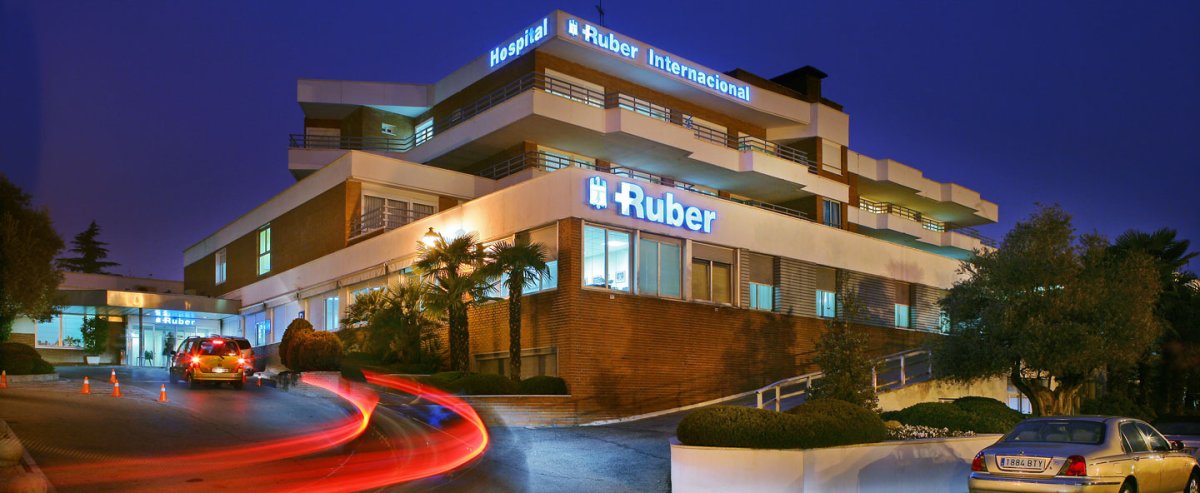
Bookimed Expert Insight: Choosing Barcelona provides a unique balance of prestige and value for complex eye surgery. Centro Médico Teknon is JCI-accredited and often treats elite athletes and global celebrities. Patients benefit from specialists like Dr. Ferran Mascaró Zamora, who carries extensive academic and surgical credentials. While Madrid facilities like Hospital Ruber Internacional serve a high volume of international patients, Barcelona remains a top choice for world-class ophthalmology.
| Turkey | Austria | Spain | |
|---|---|---|---|
| Keratoplasty | from $6,300 | ≈ $5,200 | from $18,900 |
Your Benefits and Guarantees with Bookimed
Transparent Prices & Flexible Installments
No hidden fees – just official clinic prices. Pay at the clinic for Keratoplasty upon arrival and use a flexible installment plan if needed.
Verified Clinics & Doctors Only
Bookimed is committed to your safety. We only work with medical institutions that maintain high international standards in Keratoplasty and have the necessary licenses to serve international patients worldwide.
Free 24/7 Assistance
Bookimed offers free expert assistance. A personal medical coordinator supports you before, during, and after your treatment, solving any issues. You're never alone on your Keratoplasty journey.

Your personal Bookimed medical coordinator
- Supports you at every stage
- Helps choose the right clinic and doctor
- Ensures quick and convenient access to information
Discover the Best Keratoplasty Clinics in Spain: 3 Verified Options and Prices










Keratoplasty Overview in Spain
- Corneal Cross Linking (CCL) (One eye) - from $2,400The treatment strengthens one"s cornea through ultraviolet light and riboflavin, preventing progressive eye conditions.
- Keratoplasty - from $18,900This surgery transplants cornea tissue, improving vision or relieving pain, often featuring quick recovery and minimal scarring.
- Corneal transplant - from $8,400This surgery replaces damaged eye surface with healthy donor tissue to improve vision or relieve pain.
- Corneal ring implantation - from $3,800The procedure involves placing tiny rings into the eye to reshape the cornea, improving vision and comfort.
Day 1: Arrival
- Arrive in the country.
- Transfer to accommodation (not included in package).
- Rest and acclimate to new environment.
Day 2: Pre-Operation
- Consultation with ophthalmologist for medical history review.
- Eye examination and diagnostic tests are performed.
- Urine tests to ensure overall health.
- Receive language assistance if needed.
Day 3: Keratoplasty Procedure
- Arrival at the clinic.
- Preparation for surgery (fasting, bathing).
- Administration of local or general anesthesia.
- Corneal transplant (Keratoplasty) is performed (1-2 hours).
- Recovery from anesthesia, initial post-surgery monitoring.
Day 4-7: Post-Operation
- Daily follow-ups with ophthalmologist.
- Regular medication and eye drops administration.
- Monitoring healing process and checking for complications.
Week 2-8: Rehabilitation
- Slow resumption of normal activities.
- Regular eye check-ups and medication continuation.
- Return to work by week 3, with protective eye-wear.
- Light sports activities by week 6.
- Final result visible by week 8.
Remember, each patient"s recovery is individual and may vary.
- Bookimed deposit: $200 or €200.
- Clinic deposit: Pay a set percentage in advance.
Our Doctors
View all Doctors
Ferran Mascaró Zamora
Head of the Orbital and Oculoplastics Department at Teknon Medical Center – Dr. Mascaró Zamora specializes in complex eye surgeries.
- Over 29 years of experience in ophthalmology
- Fellowship-trained in oculoplastic and orbital surgery
- Published 2 original articles and co-authored 3 books
- Member of the Spanish Society of Ocular and Orbital Plastic Surgery

Jordi Mones
Dr. Jordi Mones is a macula and vitreoretinal specialist at Centro Médico Teknon. He is a Research Member Elect of experts in the International Alliance AMD. Dr. Mones developed innovative imaging techniques for macular degeneration. He completed his research fellowship at Harvard Medical School. This doctor sits on the board of 12 major scientific societies.
- Acts as a scientific adviser to the European Association for Vision and Eye Research.
- Was a scientific member of the European Union Horizon 2020 program.
- Specializes in vitrectomy, laser eye surgery, and complex cataract procedures.
- Works at Centro Médico Teknon, a JCI-accredited facility in Barcelona.
Video Stories from Bookimed Patients
Reviews about Bookimed: Discover Patients' Insights
All reviews
Share this content
 Anna Leonova

Fast Facts about Keratoplasty
Keratoplasty
Keratoplasty involves replacing damaged corneal tissue with healthy donor corneal tissue to restore vision.
FAQ about Keratoplasty in Spain
What is a corneal transplant (keratoplasty)?
A corneal transplant, or keratoplasty, replaces damaged corneal tissue with healthy donor tissue to restore eye structure and clarity. This surgery treats conditions like keratoconus or scarring by swapping misshapen or cloudy layers with a rounder, transparent donor graft to improve sight.
- Procedure goal: Restores corneal shape to support vision correction via glasses or lenses.
- Surgical techniques: Full-thickness penetrating keratoplasty or partial-thickness endothelial transplants are common options.
- Long-term care: Patients require lifelong daily steroid drops to prevent donor tissue rejection.
- Recovery period: Full stabilization and final vision results typically require approximately 1 year.
Bookimed Expert Insight: Spain ranks among the top 3 global destinations for complex ophthalmology on Bookimed. High-volume centers like Centro Médico Teknon perform over 23,500 operations annually. This immense surgical volume often leads to better graft survival rates compared to low-volume clinics.
Patient Consensus: Most patients report minimal pain but emphasize that vision remains blurry for months. Success is often measured by the ability to finally wear contact lenses comfortably without irritation.
What techniques are used for keratoplasty?
Keratoplasty techniques in Spain range from traditional full-thickness transplants like penetrating keratoplasty to tissue-preserving methods. Specialized approaches include Bowman layer onlay transplantation and implant-based CAIRS used to correct aberrations. Surgeons also utilize cross-linking and topography-guided PRK to stabilize the cornea and improve vision.
- Penetrating keratoplasty (PK): Replaces all corneal layers during a full-thickness donor tissue transplant.
- Tissue-preserving methods: Includes Bowman layer onlay transplantation and cross-linking to halt disease.
- Implant-based solutions: Uses CAIRS with Jacob nomogram to reduce cone and coma aberrations.
- Surface ablation: Employs topography-guided PRK to tailor the corneal shape for clear vision.
Bookimed Expert Insight: Spain ranks third globally for medical requests at Bookimed, largely due to high-volume centers like Centro Médico Teknon. Surgeons here often combine techniques, such as following a Bowman onlay with PRK. This multi-step approach optimizes visual acuity while avoiding the risks of full-thickness replacement.
Patient Consensus: Patients value tissue-preserving methods but note that complex cases sometimes require repeat procedures. Many highlight the importance of asking about the latest nomogram-guided implants before choosing traditional surgery.
What is the success rate of keratoplasty?
Keratoplasty success rates are high, with initial graft survival reaching 91% at 1 year. Low-risk cases, such as keratoconus, achieve 5-year survival rates up to 98%. Success depends on the underlying condition, surgeon expertise, and the specific transplant technique used.
- Condition-specific survival: Success reaches 98% for keratoconus but 85% for Fuchs' dystrophy.
- Long-term durability: Graft survival remains around 90% at 10 years for many patients.
- Risk factors: Low-risk transplants maintain 95% success compared to complex high-risk cases.
- Accredited facilities: Clinics like Centro Médico Teknon hold JCI accreditation for surgical safety.
Bookimed Expert Insight: Spain ranks third globally for medical requests in our network, partly due to high-volume centers like Quironsalud Madrid. Data shows that clinics serving over 10,000 patients annually often provide more stable long-term outcomes. For keratoplasty, choosing a center with a dedicated ophthalmology department, such as Teknoftal at Centro Médico Teknon, ensures access to specialists like Dr. Ferran Mascaró Zamora who focus specifically on corneal and ocular plastic surgery.
Patient Consensus: Many patients define success as a clear, functional graft rather than perfect 20/20 vision. Most expect to continue using glasses or specialized contact lenses even after a successful procedure.
Why choose Spain for a cornea transplant?
Spain is a premier destination for cornea transplants, offering a 95% success rate and advanced selective grafting techniques. Patients access world-class ophthalmologists at JCI-accredited centers like Centro Médico Teknon, benefiting from shorter recovery times and innovative procedures that minimize transplant rejection risks.
- Success rates: Corneal transplants achieve efficacy rates up to 95% for suitable candidates.
- Specialized techniques: Surgeon expertise includes DMEK and DSAEK methods that accelerate visual recovery.
- Clinic quality: Top facilities like Hospital Ruber Internacional hold prestigious Joint Commission International accreditation.
- Lower rejection: Endothelial keratoplasty techniques reduce transplant rejection risks to less than 5%.
Bookimed Expert Insight: Spain’s clinical leadership is driven by exceptional surgical volume, with centers like Centro Médico Teknon performing over 23,500 operations annually. This high-density experience allows Spanish surgeons to pioneer alternatives like the Athens Protocol or CTAK inserts. These advanced options can sometimes eliminate the need for a full transplant entirely.
Patient Consensus: Patients value the expertise of Spanish consultants but emphasize planning for a full month of recovery time. While costs are higher than in some regions, the access to specialized Keratoconus treatments is highly praised.