Microdermabrasion in Spain — Get 3 Top Clinic Matches with Costs


Medically reviewed by
Fahad Mawlood
How Much Does Microdermabrasion Cost in Spain?
The cost of microdermabrasion in Spain typically ranges from $70 to $150. Prices vary depending on the clinic, the experience of the dermatologist or aesthetician, the technology used (crystal vs. diamond tip), and the number of sessions needed. In the United States, the average cost is $220 (per ASAPS). This means microdermabrasion in Spain is about 50% less than in the U.S.
In Spain, the price usually covers the consultation, the microdermabrasion session, and post-treatment care products or instructions. Some clinics include a follow-up check. In the U.S., the listed price often covers only the session itself, with extra charges for consultations and aftercare products. Always confirm exactly what’s included at each clinic.
| Spain | Turkey | The USA | |
|---|---|---|---|
| Microdermabrasion | ≈ $70 | ≈ $60 | ≈ $150 |
Your Benefits and Guarantees with Bookimed
Transparent Prices & Flexible Installments
No hidden fees – just official clinic prices. Pay at the clinic for Microdermabrasion upon arrival and use a flexible installment plan if needed.
Verified Clinics & Doctors Only
Bookimed is committed to your safety. We only work with medical institutions that maintain high international standards in Microdermabrasion and have the necessary licenses to serve international patients worldwide.
Free 24/7 Assistance
Bookimed offers free expert assistance. A personal medical coordinator supports you before, during, and after your treatment, solving any issues. You're never alone on your Microdermabrasion journey.

Your personal Bookimed medical coordinator
- Supports you at every stage
- Helps choose the right clinic and doctor
- Ensures quick and convenient access to information
Discover the Best Microdermabrasion Clinics in Spain: 1 Verified Option and Prices
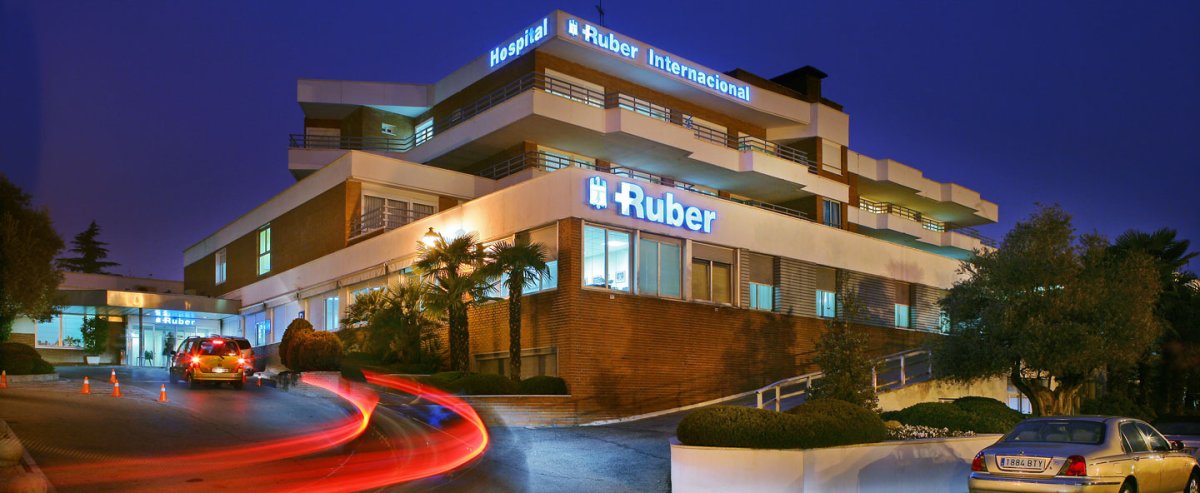


Microdermabrasion Overview in Spain
Day 1: Arrival
- Arrive at the clinic and check-in.
- Consultation with a dermatologist.
- Medical history review and skin analysis.
- Confirm the appointment for Microdermabrasion.
Day 2: Pre-Operation
- Prepare your skin for the procedure.
- No need for blood tests or additional procedures.
- Avoid sun exposure and skin irritants.
Day 3: Microdermabrasion Procedure
- Clean the skin with a special cleansing gel.
- Start the Microdermabrasion process (takes about 1 hour).
- Procedure is painless, no need for anesthesia.
- Applying a soothing cream post-procedure.
Day 4: Post-Operation
- Stay at the clinic for an hour after the procedure.
- Receive post-care instructions from the dermatologist.
- No need for a night stay at the clinic.
Week 1: Rehabilitation
- Avoid sun exposure and use sunscreen.
- Resume work immediately after treatment.
- Resume sports and other activities after a week.
Week 2-4: Final Result
- Notice smoother and brighter skin in 2-4 weeks.
- Follow-up check with the dermatologist.
Please note that the above timeline might vary as each case is individual and depends on the patient"s skin condition and desired results.
- Bookimed deposit: $200 or €200.
- Clinic deposit: Pay a set percentage in advance.
Our Doctors
View all Doctors
Camps Fresneda Alejandro
President of the International Society of Dermatologic Surgery – Dr. Camps specializes in advanced skin treatments at Centro Médico Teknon.
- Expert in dermatological surgery for skin tumors
- Founder of the European Society of Mohs Micrographic Surgery
- Head of Dermatology Service at General Hospital of Catalonia
- Specializes in laser treatments for skin rejuvenation

López Gil Francisco José
Founded the Dermatology Department at Teknon Medical Center – a leading expert in aesthetic dermatology with over 30 years of experience.
- Specializes in laser therapy and advanced skin treatments
- Medical Director at Teknon with a dedicated dermatology team
- Pioneered DermAndTek clinic in Andorra for cutting-edge skin care
- Trains upcoming dermatologists in clinical and aesthetic procedures
Video Stories from Bookimed Patients
Reviews about Bookimed: Discover Patients' Insights
All reviewsShare this content
 Anna Leonova

FAQ about Microdermabrasion in Spain
What is the difference between microdermabrasion and dermabrasion?
Dermabrasion is an invasive surgical procedure using a high-speed rotating tool to treat deep scars and wrinkles. Microdermabrasion is a non-invasive, superficial treatment using crystals or diamond tips for mild exfoliation. The primary distinction lies in treatment depth and clinical recovery time.
- Treatment depth: Dermabrasion targets deep dermis layers while microdermabrasion removes only the stratum corneum.
- Anesthesia needs: Dermabrasion requires local or general anesthesia; microdermabrasion is painless and requires none.
- Recovery period: Dermabrasion takes 10–14 days for surface healing; microdermabrasion redness resolves in 2 hours.
- Typical results: Dermabrasion corrects severe scarring; microdermabrasion improves skin brightness and light sun damage.
Bookimed Expert Insight: While dermabrasion offers dramatic results for severe scarring, many European specialists now favor advanced lasers or chemical peels. Data from top Barcelona clinics shows microdermabrasion is most effective when performed in a specific series. Patients typically see the best results after 4 sessions spaced 14 days apart.
Patient Consensus: Many patients find microdermabrasion a quick way to refresh skin, but caution against using retinols 5 days before treatment. Those with thinner skin should be aware that vacuum suction might cause temporary bruising.
How long is the recovery time after microdermabrasion?
Microdermabrasion recovery takes 24 hours or less. This non-invasive exfoliation allows patients to return to work or social activities immediately. Common side effects include mild redness or sensitivity similar to a sun-kissed sensation, which typicaly subsides within a few hours.
- Daily activity: Resume normal tasks immediately with no mandatory downtime required.
- Side effects: Temporary redness or slight flaking resolves within 1 to 24 hours.
- Sun protection: Apply broad-spectrum sunscreen immediately. Avoid direct UV exposure to prevent irritation.
- Follow-up cycle: Schedule additional sessions every 3 to 4 weeks for optimal skin health.
Bookimed Expert Insight: Many patients confuse microdermabrasion with more intense resurfacing. While dermabrasion starts at $1,300 and involves surgical healing, microdermabrasion costs $80 to $160 in Spain. This lighter approach avoids the specialized dressings needed for invasive laser or microneedling treatments.
Patient Consensus: You can return to your routine right after the appointment. Most people recommend scheduling sessions in winter to reduce the risk of sun damage during the healing phase.
How many sessions are needed for optimal results?
Optimal results for microdermabrasion in Spain require an initial series of 5 to 6 sessions. This protocol effectively treats deep wrinkles, acne scars, and dark spots. While a single treatment provides immediate brightness, cumulative sessions are necessary for lasting skin rejuvenation and texture improvement.
- Treatment frequency: Schedule visits every 1 to 2 weeks during the initial treatment phase.
- Maintenance schedule: Transition to monthly sessions after completing the primary series to preserve results.
- Sensitive skin: Space sessions every 7 to 10 days to prevent bruising or petechiae.
- Recovery buffer: Complete the full series 6 weeks before major events for peak skin clarity.
Bookimed Expert Insight: While many seeking rejuvenation look at clinics in Madrid, Barcelona hosts specialists like Dr. Lopez Gil at JCI-accredited facilities. His department at Centro Medico Teknon combines clinical dermatology with aesthetic microdermabrasion. This clinical setting ensures safer outcomes for patients with thin or aging skin compared to standard salons.
Patient Consensus: Expect immediate smoothness after one visit, but prioritize heavy hydrating masks and strict sunscreen use afterward. Many recommend avoiding active acids for 3 days to protect newly revealed skin layers.
Are there different types of microdermabrasion available?
Microdermabrasion comes in several professional types, primarily diamond-tip, crystal, and hydradermabrasion. These techniques rejuvenate facial skin through mechanical exfoliation within Joint Commission International (JCI) accredited facilities. Spanish clinics also offer modern hybrid options like Diamond Glow and Dermal Infusion for enhanced results.
- Diamond-tip microdermabrasion: A wand uses diamond-encrusted tips for precise, gentle, and debris-free exfoliation.
- Crystal microdermabrasion: Aluminum oxide crystals blast away dead cells, providing intense exfoliation for resilient skin.
- Hydrafacial (hydradermabrasion): Water-based suction combines exfoliation with deep infusion of hydrating serums and oxygen.
- Dermal infusion: Simultaneous exfoliation and serum delivery targets specific concerns like acne or dryness.
Bookimed Expert Insight: Quality of technology varies significantly between facilities in Madrid and Barcelona. High-tier clinics like Hospital Ruber Internacional utilize medical-grade systems far superior to standard spa equipment. Professional dermatologists like Francisco José López Gil prefer diamond-tip wands for better control near sensitive orbital areas.
Patient Consensus: Patients prefer diamond-tip methods because they eliminate the risk of crystal debris. Many note that professional treatments are more effective for oily skin than at-home wands which cause redness.
Can microdermabrasion be combined with other treatments?
Microdermabrasion effectively combines with chemical peels, LED light therapy, and oxygen facials to accelerate skin rejuvenation. This dual-action approach enhances product absorption and stimulates collagen. In Spain, dermatologists at Joint Commission International-accredited facilities use these protocols to treat hyperpigmentation, fine lines, and sun damage.
- Chemical peels: Pre-treatment exfoliation allows acids to penetrate deeper for superior texture results.
- LED light therapy: Blue or red light boosts collagen and reduces post-procedure redness.
- Dermafrac technology: This system integrates microdermabrasion with microneedling and serum infusion simultaneously.
- Oxygen facials: These immediately rebalance and hydrate the skin surface after physical exfoliation.
Bookimed Expert Insight: While many seek microdermabrasion for scarring, data suggests it is often too superficial for deep tissue repair. Top Spanish specialists, including those at Centro Médico Teknon, frequently recommend alternating microdermabrasion with medical-grade chemical peels every 6 weeks to target stubborn hyperpigmentation effectively.
Patient Consensus: Patients report that combining exfoliation with enzyme masks provides a smoother finish. They emphasize pausing retinoids 7 days early to avoid significant sensitivity during combined sessions.
Where are the best clinics for microdermabrasion located in Spain?
The best clinics for microdermabrasion in Spain are concentrated in Madrid and Barcelona, within multi-specialty hospitals and aesthetic centers. Top locations include Madrid for JCI-accredited facilities and Barcelona for specialized dermatology practices led by members of the Spanish Academy of Dermatology and Venereology.
- Madrid locations: Hospital Ruber Internacional features JCI accreditation and treats over 25,000 patients annually.
- Barcelona locations: Centro Medico Teknon hosts specialists like Dr. Lopez Gil, a dermatology department director.
- Clinic credentials: Top centers hold certifications from SECPRE and the Spanish Association of Aesthetic Plastic Surgery.
- Advanced procedures: Clinics offer mechanical skin exfoliation alongside complementary treatments like chemical peels and laser.
Bookimed Expert Insight: While many aesthetic centers offer microdermabrasion, choosing a full-scale hospital like Hospital Ruber Internacional or Centro Medico Teknon provides access to advanced medical-grade equipment. These facilities integrate aesthetic treatments with intensive dermatological supervision, ensuring safety for patients with sensitive skin or underlying conditions.
Patient Consensus: Patients recommend seeking treatment at established medical spas or dermatology clinics in major hubs. They suggest requesting before-and-after photos during consultations to confirm the provider's experience with specific skin textures.