Wedge Resection in Spain — Get 3 Top Clinic Matches with Costs


Medically reviewed by
Yesim Yildirim
How Much Does Wedge Resection Cost in Spain?
Wedge resection in Spain typically costs from $6,200 to $9,500. The final price depends on the surgical technique, hospital tier, and city. Patients save approximately 64% compared to the US average of $22,000. Estimates usually include surgeon fees, anesthesia, operating room use, and standard hospitalization.
- Surgical technique: Robotic-assisted or VATS methods typically add 20-30% to the cost.
- City location: Private hospital fees in Madrid and Barcelona often run higher than regional hubs.
- Hospitalization duration: Extended monitoring in the ICU or private suite increases the total invoice.
- Diagnostic requirements: Advanced pathology testing or complex pre-operative scans can raise final costs.
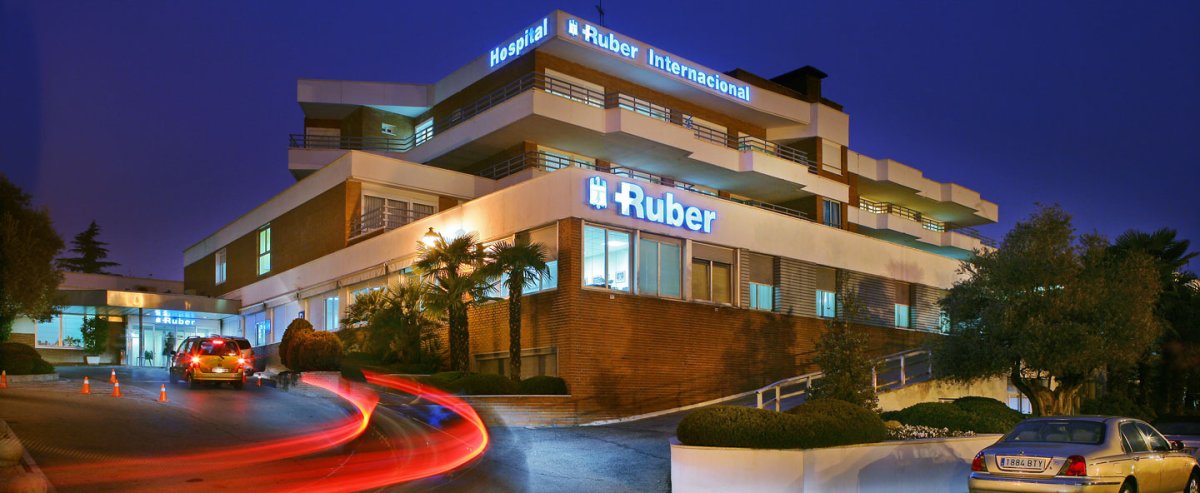
Bookimed Expert Insight: Choosing high-volume centers like Hospital Ruber Internacional or Hospital HM Nou Delfos ensures quality. These facilities maintain Joint Commission International (JCI) and ISO 9001 accreditations for safety. Hospital HM Nou Delfos serves 400,000 patients annually, demonstrating significant surgical expertise and reliability. Ruber Internacional offers 108 private rooms, providing high-tier comfort at competitive European private rates.
| Turkey | Austria | Spain | |
|---|---|---|---|
| Wedge Resection | from $7,000 | ≈ $7,200 | ≈ $6,200 |
Your Benefits and Guarantees with Bookimed
Transparent Prices & Flexible Installments
No hidden fees – just official clinic prices. Pay at the clinic for Wedge Resection upon arrival and use a flexible installment plan if needed.
Verified Clinics & Doctors Only
Bookimed is committed to your safety. We only work with medical institutions that maintain high international standards in Wedge Resection and have the necessary licenses to serve international patients worldwide.
Free 24/7 Assistance
Bookimed offers free expert assistance. A personal medical coordinator supports you before, during, and after your treatment, solving any issues. You're never alone on your Wedge Resection journey.

Your personal Bookimed medical coordinator
- Supports you at every stage
- Helps choose the right clinic and doctor
- Ensures quick and convenient access to information
Discover the Best Wedge Resection Clinics in Spain: 2 Verified Options and Prices



Hospital HM Nou Delfos
Rodrigo Rocamora




Wedge Resection Overview in Spain
- Lobectomy - from $20,000The procedure involves removing a lung lobe, typically to treat conditions like lung cancer, improving patient health.
- Lung cancer surgery - from $37,800The procedure removes tumors in the lungs, aids with diagnosis, and generally alleviates symptoms and prolongs life.
- Lung segmentectomy - from $37,800This surgery removes lung segments harboring cancerous cells, protecting healthy tissue.
- Target therapy for lung cancer - from $4,200This therapy specifically attacks cancer cells, reducing damage to healthy ones. It"s less severe with notable efficacy.
Day 1 - Arrival
- Arrive at the clinic and check-in.
- Meet with your primary care team.
- Have your medical history reviewed.
Day 2 - Pre-operation
- Consult with a cardiothoracic surgeon.
- Undergo necessary medical tests including a chest X-ray and blood tests.
- Receive information about the procedure and anesthesia.
Day 3 - Wedge Resection
- Fast from midnight before the surgery.
- Undergo surgery under general anesthesia.
- Expect the procedure to last about 2-3 hours.
Day 4 - Post-operation
- Stay in the intensive care unit for monitoring.
- Start physical therapy for lung function.
- Manage post-operative pain with medication.
Week 1 - Rehabilitation
- Continue with physical therapy.
- Gradually increase activity level.
- Monitor wound healing and manage pain.
Week 2
- Attend follow-up appointment with surgeon.
- Continue increasing physical activity.
- Follow a balanced, nutritious diet.
Week 3-4
- Expect to return to work if recovery is on track.
- Gradually return to regular physical activities.
Week 6
- Expect to see final results of the surgery.
- Follow-up with the surgeon for a final check-up.
Please note that each patient"s recovery timeline may vary depending on their individual health condition and the complexity of the surgery.
- Bookimed deposit: $200 or €200.
- Clinic deposit: Pay a set percentage in advance.
Our Doctors
View all Doctors
Carlos Vergés Roger
Dr. Vergés specializes in advanced ophthalmology with a focus on cataract and neurophysiological mechanisms of vision, particularly in sports-related cases.
- Director of the Ophthalmology Service at Dexéus University Hospital
- Recipient of multiple national and international awards for research and surgical innovations
- Member of prestigious societies including the International Society of Refractive Surgery
- Over 76 years of experience in ophthalmology
Rodrigo Rocamora
Dr. Rodrigo Rocamora is a neurologist who leads the epilepsy department at Hospital HM Nou Delfos. In 2019, he headed the team performing Spain's first laser interstitial thermal therapy for epilepsy. He focuses on drug-resistant epilepsy, sleep relations, and complex neurological syndromes. Dr. Rocamora is a professor at UPF University and a PhD graduate from Bonn University.
- He treats drug-resistant epilepsy using surgical and medical methodologies.
- Dr. Rocamora is a member of the European Reference Network (EPI-Care).
- He serves as a specialist in the CSUR network for complex epilepsy cases.
- The doctor has published research on cognitive impairments in Alzheimer patients.
Video Stories from Bookimed Patients
Reviews about Bookimed: Discover Patients' Insights
All reviews


Share this content
 Anna Leonova

Fast Facts about Wedge Resection

Wedge Resection
A surgical procedure that removes a small, wedge-shaped part of the lung containing a tumor or abnormal tissue.
FAQ about Wedge Resection in Spain
What are the pros and cons of a wedge resection?
Wedge resection removes a small, wedge-shaped portion of diseased lung tissue while preserving healthy surrounding parenchyma. This limited resection provides a critical diagnostic tool for nodules and a therapeutic option for early-stage non-small cell lung cancer, especially for patients with reduced pulmonary capacity.
- Lung preservation: This technique saves significantly more healthy tissue compared to a full lobectomy.
- Surgical safety: Patients face lower mortality rates and fewer major complications during the procedure.
- High-risk suitability: It remains the preferred choice for elderly patients with compromised lung function.
- Minimally invasive: Surgeons often use robotic Da Vinci Xi systems for smaller incisions and faster recovery.
Bookimed Expert Insight: Spain’s top tier facilities, like Hospital Ruber Internacional, integrate the Da Vinci Xi system specifically to mitigate the primary drawback of wedge resection: recurrence risk. Using high-definition robotic visualization allows surgeons to achieve more precise margins that are difficult to reach via traditional open thoracic approaches.
Patient Consensus: Recovery is notably quick, with many patients returning to light activities like cooking within days. Managing chest tube discomfort is the main challenge, but using a wedge pillow for inclined rest greatly eases mobility.
How effective is a wedge resection?
Wedge resection is highly effective for removing small, early-stage lung tumors under 2 centimeters or ground-glass nodules. It achieves 5-year survival rates between 82% and 95%. This lung-sparing technique preserves respiratory function while effectively treating localized lesions in patients with limited lung capacity.
- Survival outcomes: Patients with stage 1 cancer report 85% survival rates over 20 years.
- Recovery speed: Most patients return to light activities like cooking within 2 days.
- Hospital stay: Typical stays last 2 to 3 days, reducing to 1 night for robotic-assisted surgery.
- Functional benefit: Removing less healthy tissue maintains higher lung capacity than a full lobectomy.
Bookimed Expert Insight: While wedge resection preserves lung tissue, the choice of facility matters for precision. Clinics like Hospital Ruber Internacional use Da Vinci Xi robotics for these procedures. Our data shows robotic approaches often cut hospital stays by 50% compared to traditional open surgeries.
Patient Consensus: Many patients find post-operative pain surprisingly manageable with basic over-the-counter medication. They emphasize regular 6-month CT scans are vital to monitor the slightly higher recurrence risk compared to lobectomies.
When is a wedge resection chosen over a lobectomy?
Wedge resection is chosen when surgeons must preserve lung tissue for patients with limited pulmonary reserve or small peripheral tumors under 2 centimeters. It serves as a diagnostic strategy for suspicious nodules or as a definitive treatment for early-stage lesions in high-risk patients.
- Pulmonary reserve: Necessary for patients with compromised lung function unable to tolerate full lobectomy.
- Tumor size: Ideal for small, peripheral nodules typically measuring 2 centimeters or less.
- Diagnostic confirmation: Provides immediate pathology results to determine if more invasive surgery is required.
- Surgical approach: Often performed via minimally invasive Video Assisted Thoracoscopic Surgery (VATS) in Spain.
Bookimed Expert Insight: Data from top-tier Spanish centers like Hospital Ruber Internacional suggests a preference for the `Step 1` strategy. Surgeons use ultra-precise 3-Tesla MRI and CT imaging to map nodules before opting for wedge resection. This allows for a shorter 2–3 day hospital stay while maintaining high diagnostic accuracy without the risks of a completion lobectomy. Major hospitals in Madrid and Barcelona utilize this tissue-sparing approach to manage high patient volumes effectively.
Patient Consensus: Patients value the rapid 2-week recovery timeline and the certainty of immediate pathology results while still under anesthesia. Many prefer this approach to avoid the higher surgical stress of a standard lobectomy.
How long is the recovery time after a wedge resection in Spain?
Initial recovery after wedge resection in Spain typically takes four to six weeks. Most patients resume light activities within 1 to 2 days after surgery. Full physical labor or strenuous exercise usually requires a Wait of 6 to 8 weeks for complete healing.
- Hospital stay: Patients typically remain hospitalized for 1 to 4 days post-surgery.
- Work timeline: Return to sedentary jobs is often possible within 2 to 4 weeks.
- Activity limits: Avoid lifting over 2 kg for at least 6 to 8 weeks.
- Wound healing: Surgical incisions generally heal within four weeks with sutures removed by day 12.
Bookimed Expert Insight: Spanish clinics like Hospital Ruber Internacional utilize JCI-accredited safety protocols to speed discharge. While baseline estimates suggest 1-3 days in hospital, our data shows most thoracic patients stay closer to 4 days if chest tubes are used. Choosing a center with Da Vinci Xi technology can significantly reduce this inpatient time.
Patient Consensus: Many patients report feeling 90% recovered after just 2 weeks with light walking. They emphasize using breathing exercises and sleeping propped up to manage early post-operative discomfort effectively.
Are there renowned specialists for wedge resection in Spain?
Spain hosts world-class thoracic specialists renowned for lung wedge resection, particularly in Barcelona and Madrid. Leading surgeons utilize video-assisted thoracoscopic surgery (VATS) and the Da Vinci Xi system. These minimally invasive techniques allow for lung tissue removal without rib spreading, ensuring faster recovery and fewer complications.
- Expert surgical leadership: Dr. Laureano Molins heads thoracic surgery at Hospital Clinic de Barcelona.
- Advanced surgical technology: Hospital Ruber Internacional offers robotic Da Vinci Xi and CyberKnife.
- International quality standards: Facilities like Hospital HM Nou Delfos hold ISO and EFQM certifications.
- Minimally invasive focus: Specialists prioritize uniportal VATS to minimize incisions during lung tissue removal.
Bookimed Expert Insight: Barcelona has become a primary hub for complex resections due to its high concentration of JCI-accredited facilities and university hospitals. While many patients seek general thoracic care, centers like Hospital Ruber Internacional manage massive volumes, including over 6,000 surgeries annually. This high procedural frequency typically correlates with refined precision in lung-sparing techniques like wedge resections.
Patient Consensus: Patients value the ability to select specific surgeons in Spain's private sector for personalized aftercare. Many highlight Barcelona as the top destination for complex thoracic cases involving pulmonary metastasis.