Lung cancer surgery in Spain — get 3 personalized clinic matches


Medically reviewed by
Yesim Yildirim
How it works
How Much Does Lung cancer surgery Cost in Spain?
Lung cancer surgery in Spain typically costs from $37,800 to $48,600. The final price depends on the surgical technique, tumor stage, and if robotic systems are used. Patients save around 51% compared to the US, where this procedure costs $87,500 on average. Inclusions generally cover the surgery, hospital stays in medical hubs like Madrid or Barcelona, and initial diagnostic imaging.
- Lobectomy: $20,000 to $25,500 for the removal of a lung lobe.
- Lung segmentectomy: $37,800 to $48,600 for smaller, localized lung sections.
- Target therapy for lung cancer: $4,500 to $13,000.
- Robotic-assisted surgery: Typically adds 20-30% premium for higher precision and faster recovery.
- Regional variations: Costs in centers like Pamplona may be 15-20% lower than in Barcelona.
Bookimed Expert Insight: Choosing a JCI-accredited facility like Centro Médico Teknon or Clínica Universidad de Navarra ensures top-tier quality. These centers offer advanced surgery packages starting around $53,000 in Barcelona. Navigating the system efficiently means looking for hospitals with high surgical volumes, like HM Madrid’s 26,000 annual operations. This volume often correlates with better outcomes and streamlined care protocols for international patients.
| Turkey | Austria | Spain | |
|---|---|---|---|
| Lung cancer surgery | from $8,000 | ≈ $42,000 | from $37,800 |
| Wedge Resection | from $7,000 | ≈ $7,200 | ≈ $6,200 |
| Target therapy for lung cancer | from $5,000 | ≈ $9,000 | from $4,500 |
| Synchronous resection of the liver/lung with metastases | ≈ $14,500 | ≈ $24,000 | ≈ $22,000 |
| Lung segmentectomy | from $9,000 | ≈ $17,500 | from $37,800 |
Discover the Best Lung cancer surgery Clinics in Spain: 7 Verified Options and Prices



















Hospital HM Nou Delfos
Albert Miralles Cassina





GenesisCare Clinics
Lung cancer surgery Overview in Spain
- Lobectomy - from $20,000The procedure involves removing a lung lobe, typically to treat conditions like lung cancer, improving patient health.
- Lung cancer surgery - from $37,800The procedure removes tumors in the lungs, aids with diagnosis, and generally alleviates symptoms and prolongs life.
- Lung segmentectomy - from $37,800This surgery removes lung segments harboring cancerous cells, protecting healthy tissue.
- Target therapy for lung cancer - from $4,500This therapy specifically attacks cancer cells, reducing damage to healthy ones. It"s less severe with notable efficacy.
Day 1 - Arrival
- Arrive at the hospital and check-in.
- Meet with the medical team and discuss the procedure.
- Undergo pre-operative tests including blood tests, chest X-ray, and CT scan.
Day 2 - Pre-Operation
- Consult with a pulmonologist for lung function tests.
- Meet with an anesthesiologist to discuss anesthesia options.
- Undergo a bronchoscopy if needed to view the lungs.
Day 3 - Surgery
- Undergo lung cancer surgery, usually lasting 2-6 hours.
- General anesthesia will be administered.
- The surgeon removes the cancerous portion of the lung.
Day 4 - Post-Operation
- Recover in the Intensive Care Unit (ICU).
- Monitor vital signs and lung function.
- Begin light physical activity as soon as possible.
Day 5 - Hospital Stay
- Move to a regular hospital room from the ICU.
- Continue monitoring and pain management.
- Stay in the hospital for 5-7 days post-surgery.
Week 1-2 - Rehabilitation
- Start a light exercise regime to strengthen lung capacity.
- Attend follow-up appointments with the surgeon.
Week 3-6 - Rehabilitation
- Gradually return to normal activities.
- Resume work after 4-6 weeks, depending on recovery.
Please note, recovery times and procedures may vary depending on individual health conditions and the specifics of the surgery.
What patients like:
- Cost. The Lung cancer surgery cost in Spain ranges from $37,800 to $48,600. This is significantly cheaper compared to the cost in the USA, which can reach up to $40,000.
- Doctor’s professionalism. Spanish surgeons are highly skilled, with international certifications and memberships in global medical organizations. They have performed numerous successful procedures.
- Service level. The quality of healthcare services in Spain is exceptional. Patients appreciate the personal approach, care and attention they receive.
- Lung cancer surgery efficacy. Modern techniques are employed in Spain, which increases the success rate and reduces recovery time.
- Logistics. Spain has excellent transportation infrastructure, making travel to and from the hospital convenient and hassle-free.
What patients don’t like:
- Waiting time. Despite the high level of service, patients sometimes experience long waiting times due to the high demand for surgeries.
- Language barrier. Not all medical staff speaks fluent English, which can occasionally lead to misunderstandings.
- Post-surgery care. Some patients have expressed concerns about the lack of comprehensive post-surgery care and follow-ups.
- Bookimed deposit: $200 or €200.
- Clinic deposit: Pay a set percentage in advance.
Our Doctors
View all Doctors
Eduardo Loeb Melus
Head of Pulmonology Service at Teknon Medical Center – Dr. Loeb Melus leads Barcelona's premier lung care team with 32 years of specialized experience.
- Specializes in lung cancer surgery and complex pulmonary cases
- Coordinated multiple international clinical trials on COPD and lung function
- Published research on asthma-COPD overlap and muscle changes in lung disease
- Trained at Central University of Venezuela's top pulmonology program

Carlos Vergés Roger
Dr. Vergés specializes in ophthalmology with a focus on cataract surgery and neurophysiological mechanisms of vision, particularly in sports contexts.
- PhD in Biology from Harvard University
- Director of Ophthalmology Service at Dexéus University Hospital
- Recipient of multiple awards including the National Research Prize
- Member of prestigious societies like ISRS and AAO
- Extensive research on dry eye syndrome and tear secretion
Ricardo García Luján
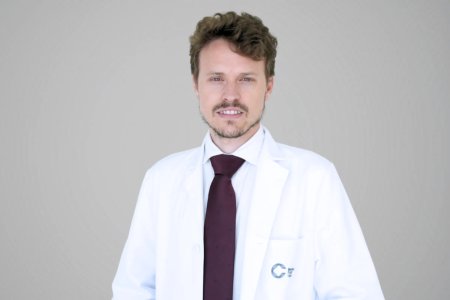
Dr. Ricardo Garcia Lujan is a pulmonologist at Publio Cordon Memorial Hospital in Madrid. He treats chronic respiratory conditions and performs interventional procedures for lung disease. Dr. Garcia Lujan uses bronchoscopic balloon dilatation for patients with COPD. He also manages surgery for lung cancer and asthma treatment plans.
The doctor works at Publio Cordon Memorial Hospital. This facility holds Joint Commission International (JCI) accreditation. The hospital has over 110 specialists in Spain's capital.
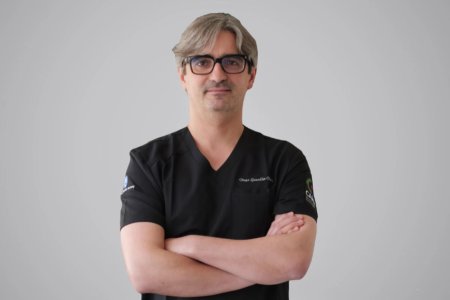
Diego González Rivas
Dr. Diego González Rivas is a thoracic surgeon at Publio Cordón Memorial Hospital in Madrid. He performs lung cancer surgery, robotic lung segmentectomy, and lung transplants. Dr. González Rivas works at a facility holding Joint Commission International (JCI) accreditation and certification from the European Society of Human Reproduction and Embryology.
He is a Fellow of the American College of Surgeons (FACS). Dr. González Rivas treats complex conditions requiring pulmonology and transplantology expertise. The hospital has over 110 doctors and follows US-recognized safety standards.
Video Stories from Bookimed Patients
Reviews about Bookimed: Discover Patients' Insights
All reviews


Share this content
 Anna Leonova

Our Lung cancer surgery Techniques: What Suits You Best?
When considering Lung cancer surgery, it’s important to understand the different techniques and which is best suited for you. Here’s a concise comparison of popular options:
Lobectomy
Lobectomy is a surgical procedure that removes one lobe of the lung to treat lung cancer or other lung diseases.

Lung segmentectomy
A pulmonary surgery that involves removing a specific segment of the lung affected by disease, often used to treat localized lung cancer.

Wedge Resection
A surgical procedure that removes a small, wedge-shaped part of the lung containing a tumor or abnormal tissue.
FAQ about Lung cancer surgery in Spain
How good are Spanish surgeons for lung cancer surgery?
Spanish surgeons rank among the global elite for lung cancer treatment, known for pioneering complex procedures like uniportal VATS and the world first fully robotic lung transplant. Most specialists operate within JCI-accredited facilities using Da Vinci Xi systems to ensure high precision and minimal invasiveness.
- Surgical innovation: Surgeons utilize uniportal Video-Assisted Thoracoscopic Surgery (VATS) for single-incision lobectomies and segmentectomies.
- Success metrics: Spanish clinics report 85-90% success rates for surgeries involving early-stage lung cancer tumors.
- Clinical credentials: Top centers like Centro Médico Teknon and Clínica Universidad de Navarra hold JCI accreditation.
- Technology access: Facilities feature advanced tools like laser diodes and robotic systems for reduced blood loss.
Bookimed Expert Insight: While many countries offer robotic surgery, Spain is a primary choice for high-profile patients seeking privacy and expertise. Clinics like Centro Médico Teknon frequently treat professional athletes and celebrities. This high-demand environment ensures surgeons maintain exceptional proficiency in the latest minimally invasive techniques to meet rigorous recovery expectations.
Patient Consensus: Patients emphasize that robotic procedures in Spain lead to significantly less post-operative pain and faster healing. They recommend verifying surgeon experience specifically in robotic-assisted systems to ensure the best possible surgical outcome.
What are the best hospitals for lung cancer surgery in Spain?
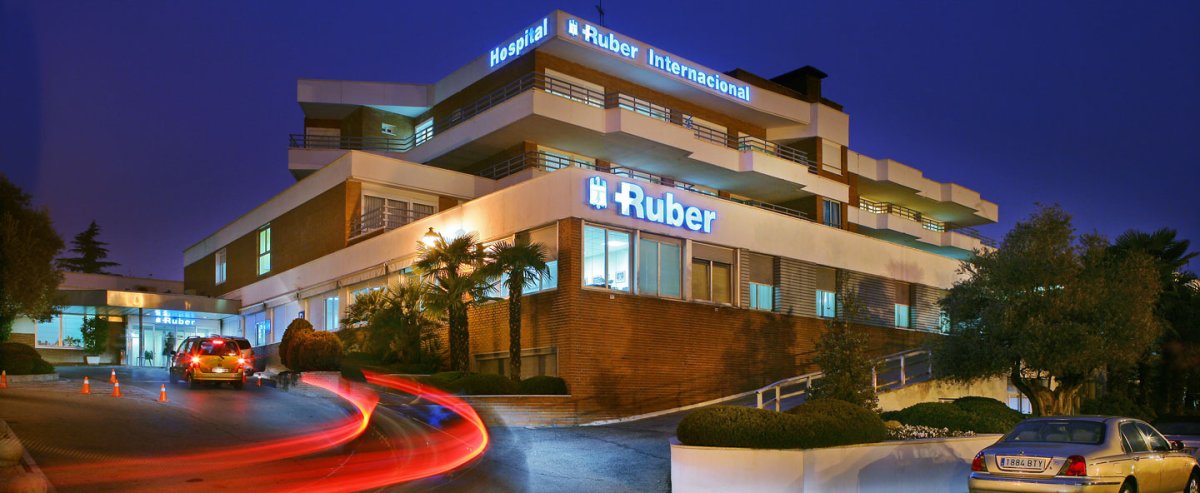
Spain's leading or JCI-accredited facilities for lung cancer surgery include Centro Médico Teknon, Hospital Ruber Internacional, and Clinica Universidad de Navarra. These centers specialize in minimally invasive VATS and Da Vinci robotic systems, providing oncology care that meets high European medical standards.
- Accreditation standards: Facilities like Clinica Universidad de Navarra hold JCI certification for oncology safety.
- Surgical technology: Hospital Ruber Internacional utilizes Da Vinci Xi robotic systems for high-precision thoracic procedures.
- Multidisciplinary care: Top hospitals integrate surgical teams with the Spanish Society of Medical Oncology expertise.
- Specialized centers: Hospital Universitario HM Madrid serves 2.3 million outpatients annually with dedicated thoracic units.
Bookimed Expert Insight: Spain’s private hospital network offers a distinct advantage for international patients through dedicated international departments. While Clinica Universidad de Navarra was the first in Spain to receive JCI accreditation, Hospital Ruber Internacional stands out for high-tech surgical volume, performing over 6,000 surgeries annually across its high-tech Madrid campus.
Patient Consensus: Patients emphasize prioritizing centers with dedicated international services to assist with coordination. They recommend verifying thoracic surgeon credentials directly through official hospital portals rather than relying on unofficial social advice.
Which are the top clinics for lung cancer surgery in Spain?
Top clinics for lung cancer surgery in Spain include Centro Medico Teknon, Clinica Universidad de Navarra, and Hospital Ruber Internacional. These JCI-accredited centers specialize in multidisciplinary thoracic oncology, using advanced technologies like Da Vinci robotic systems and CyberKnife to perform complex lobectomies and lung resections.
- Centro Medico Teknon: Barcelona facility recognized among the World's Best Hospitals 2021 by Newsweek magazine.
- Clinica Universidad de Navarra: First Spanish hospital with JCI certification using AI and robotic surgery.
- Hospital Ruber Internacional: Top-ranked Madrid center utilizing Da Vinci Xi and Gamma Knife ICON technology.
- Hospital HM Madrid: High-volume oncology center serving 75,000 inpatients annually with advanced technological solutions.
Bookimed Expert Insight: While many choose Barcelona for its high-profile medical reputation, Pamplona's Clinica Universidad de Navarra offers a unique advantage. It achieved Spain's first JCI accreditation and holds specialized membership in the European Society for Medical Oncology. This academic focus often leads to higher limb and organ preservation rates during complex oncological procedures.
Patient Consensus: Patients emphasize finding a clinic that provides multidisciplinary care combining surgery with immunotherapy. Experts suggest confirming your specific cancer subtype before booking, as treatment paths vary significantly between small cell and non-small cell cases.
What types of surgery are available for lung cancer in Spain?
Spain offers advanced lung cancer surgeries including lobectomy, pneumonectomy, and segmentectomy. JCI-certified facilities in Madrid and Barcelona utilize minimally invasive Video-Assisted Thoracoscopic Surgery (VATS) and Da Vinci Xi robotic systems. These technologies allow for higher precision and significantly shorter hospital stays compared to traditional open thoracotomy.
- Surgical techniques: Clinics utilize VATS, robotic-assisted surgery, and traditional open thoracotomy approaches.
- Standard treatment: Lobectomy is the primary surgical option for treating early-stage lung cancer.
- Advanced reconstruction: Specialized surgeons perform tracheal and bronchial reconstruction for complex central tumors.
- Precision equipment: Centers like Hospital Ruber Internacional use the Da Vinci Xi system.
Bookimed Expert Insight: While many centers provide standard lung surgery, Clinica Universidad de Navarra stands out as the first Spanish hospital with a JCI US certificate. Our data shows it integrates AI and digital imaging into surgical planning. This helps surgeons precisely map early-stage tumors before performing lung-sparing segmentectomies or wedge resections.
Patient Consensus: Patients emphasize that minimally invasive robotic surgery significantly reduces post-operative pain. Many recommend seeking a second opinion at major cancer centers for genetic profiling before finalizing surgical plans.
Will language barriers be a problem if I don’t speak Spanish?
Language barriers are unlikely to hinder your lung cancer surgery in Spain, especially within private institutions. Major centers in Madrid and Barcelona employ English-speaking medical coordinators and surgeons. Facilities with Joint Commission International (JCI) accreditation prioritize international standards, ensuring clear communication for complex oncological care.
- Private healthcare advantage: English-speaking staff are standard in private hospitals like Hospital Ruber Internacional.
- Medical coordinators: Centers like Centro Médico Teknon provide dedicated coordinators for international patients.
- City-specific support: Hospitals in Madrid and Barcelona treat thousands of international patients annually.
- Documentation prep: Providing your medical history in both languages prevents oral miscommunication errors.
Bookimed Expert Insight: Spain ranks highly for international patient requests, but the administrative communication gap varies between cities. While 95% of specialists at JCI-accredited clinics like Navarra Hospital speak English, non-medical hospital staff might not. Check if your package includes a personal coordinator to bridge these administrative gaps between the ward and the billing office.
Patient Consensus: Patients suggest choosing private healthcare over public systems to ensure faster coordination. They often recommend bringing written questions in Spanish to guarantee every detail is understood during discharge instructions.
How long do I need to stay in Spain for lung cancer surgery?
Patients typically need to stay in Spain for 10 to 14 days for lung cancer surgery. This duration covers a 3 to 5-day hospital stay followed by a recovery period nearby. Surgeons require this time to monitor healing and clear patients for safe air travel.
- Hospitalization duration: Most patients remain in the hospital for 3 to 5 days after thoracic surgery.
- Flight safety: Doctors recommend waiting at least 10 days to avoid risks from altitude pressure changes.
- Surgical approach: Minimally invasive techniques like VATS often allow for a shorter 10-day total stay.
- Post-operative monitoring: Initial recovery involves breathing exercises and walking to prevent lung collapse or complications.
- Long-term surveillance: Surgeons schedule follow-up scans at 3 months and 6 months to monitor progress.
Bookimed Expert Insight: Spain ranks 9th globally for medical tourism, with centers like Centro Médico Teknon and Hospital Ruber Internacional holding multiple JCI accreditations. While baseline recovery takes 2 weeks, patients should note that surgical candidacy usually requires single-lobe tumors without metastasis. Our data shows that top Spanish oncology centers specialize in these complex thoracic cases for international patients.
Patient Consensus: The first 2 weeks are most intense, with patients noting that holding a pillow against the incision helps manage pain while coughing. Consistent breathing exercises are vital for a smooth recovery before flying home.
How quickly can I schedule lung cancer surgery in Spain?
Lung cancer surgery in Spain is typically scheduled within 30 days of diagnosis. Private clinics in Madrid and Barcelona can often arrange procedures within 7 to 14 days. Spanish centers like Centro Médico Teknon maintain JCI-accredited standards, ensuring rapid triage for oncology patients.
- Diagnostic timeline: Diagnosis and referral typically occur within 14 days at leading specialized medical centers.
- Treatment interval: Median time from diagnosis to surgery averages 30.5 days in major Spanish hospitals.
- Private sector speed: Specialized private departments can facilitate surgical intervention within 1 week for urgent cases.
- Testing impact: Molecular testing reports require approximately 15 days, which may influence the final scheduling.
Bookimed Expert Insight: Spain’s oncology system prioritizes 1st and 2nd stage cases to maximize 5-year survival rates. While public waits average 33 days, JCI-certified facilities like Hospital Ruber Internacional offer 15 luxury suites to expedite post-operative recovery. This infrastructure allows patients to transition from PET scans to lobectomy significantly faster than the national average.
Patient Consensus: Cancer cases are prioritized by urgency in Spain. Patients suggest communicating symptoms clearly to medical staff to trigger expedited pathways or considering private clinics for surgery within days.