Lung cancer surgery in Germany — get 3 personalized clinic matches
Bookimed lists 4 lung cancer surgery clinics in Germany, in Bremen, Wuppertal, and Frankfurt am Main, including ISO-certified clinics. These clinics are rated 4.4/5 in 98 verified patient reviews on Bookimed.


Medically reviewed by
Yesim Yildirim
How it works
How Much Does Lung cancer surgery Cost in Germany?
Lung cancer surgery in Germany typically costs from $18,000 to $37,000 depending on the surgical technique, tumor location, and hospital stay duration. Most German medical packages include the surgical procedure, anesthesia, inpatient hospitalization for 4 to 7 days, and specialized oncological consultations.
- Lobectomy: $20,000 to $27,500 for the removal of one lung lobe.
- Lung segmentectomy: $20,000 to $26,500 for removing a specific lobe segment.
- Wedge resection: from $27,400 to remove a small portion of lung tissue.
- Robotic-assisted surgery: Typically adds a 20-30% premium over standard minimally invasive approaches.
- Geographic location: Facilities in Berlin, Hamburg, and Munich often cost 10-20% more than other cities.
Bookimed Expert Insight: Choosing a university-affiliated center like Charité Berlin or Nordwest Clinic provides access to high-end innovation. Nordwest Clinic pioneers 3D ultrasound and anticancer vaccines, often integrated into surgical staging. Top-tier German hospitals hold German Cancer Society (DKG) certifications. This ensures standardized care across any price point. Expert surgeons like Stefanie Veit often lead specialized minimally invasive divisions for complex resections.
| Germany | Turkey | Austria | |
|---|---|---|---|
| Lung cancer surgery | from $18,000 | from $8,000 | ≈ $21,000 |
| Wedge Resection | from $27,400 | from $7,000 | ≈ $7,200 |
| Target therapy for lung cancer | from $3,000 | from $5,000 | ≈ $9,000 |
| Synchronous resection of the liver/lung with metastases | ≈ $24,000 | ≈ $14,500 | ≈ $24,000 |
| Lung segmentectomy | from $20,000 | from $9,000 | ≈ $17,500 |
Discover the Best Lung cancer surgery Clinics in Germany: 7 Verified Options and Prices


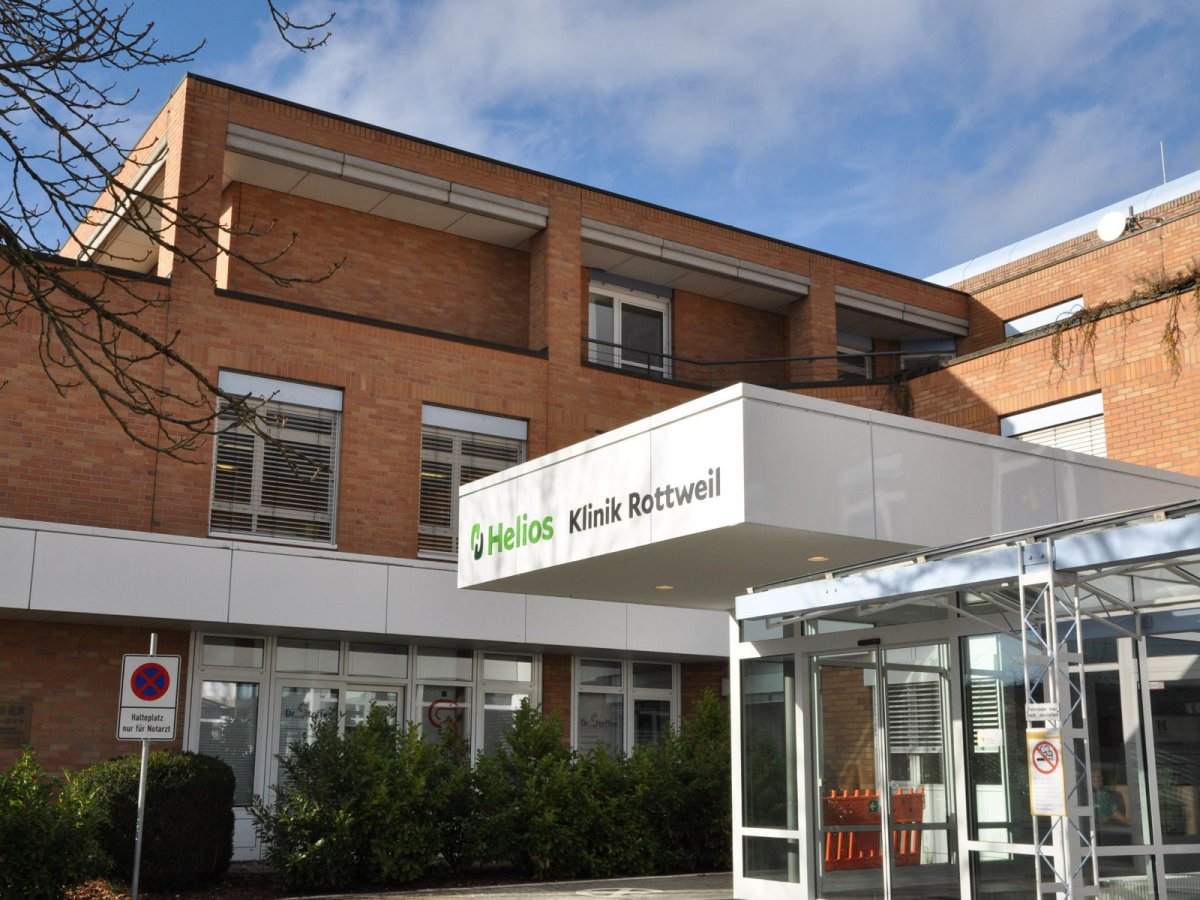
Nordwest Clinic (Krankenhaus)
Stefanie Veit












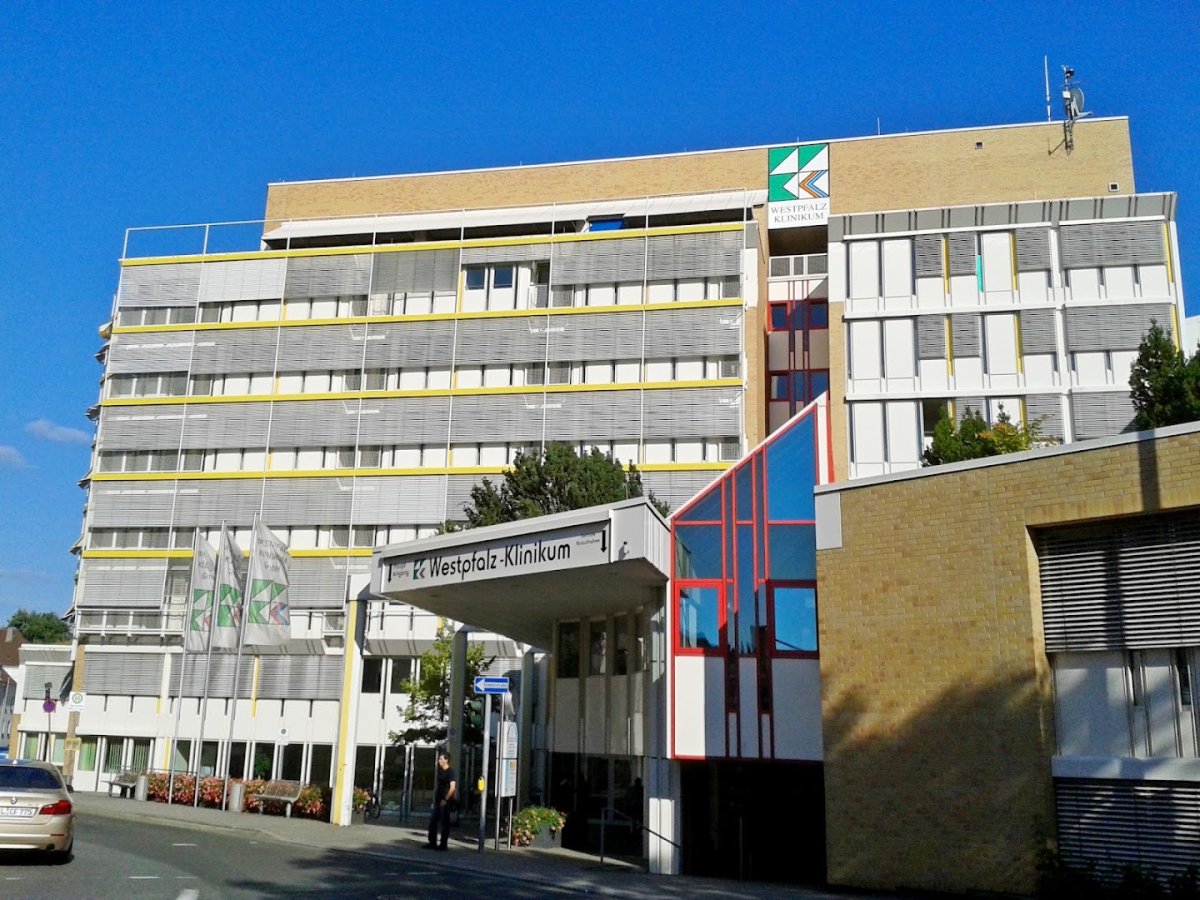
Westpfalz-Klinikum GmbH
Lung cancer surgery Overview in Germany
- Lobectomy - from $20,000The procedure involves removing a lung lobe, typically to treat conditions like lung cancer, improving patient health.
- Lung cancer surgery - from $18,000The procedure removes tumors in the lungs, aids with diagnosis, and generally alleviates symptoms and prolongs life.
- Wedge Resection - from $27,400This surgery removes a small, wedge-shaped part of lung tissue, primarily to treat localized lung cancer.
- Lung segmentectomy - from $20,000This surgery removes lung segments harboring cancerous cells, protecting healthy tissue.
- Target therapy for lung cancer - from $3,000This therapy specifically attacks cancer cells, reducing damage to healthy ones. It"s less severe with notable efficacy.
Day 1 - Arrival
- Arrive at the hospital and check-in.
- Meet with the medical team and discuss the procedure.
- Undergo pre-operative tests including blood tests, chest X-ray, and CT scan.
Day 2 - Pre-Operation
- Consult with a pulmonologist for lung function tests.
- Meet with an anesthesiologist to discuss anesthesia options.
- Undergo a bronchoscopy if needed to view the lungs.
Day 3 - Surgery
- Undergo lung cancer surgery, usually lasting 2-6 hours.
- General anesthesia will be administered.
- The surgeon removes the cancerous portion of the lung.
Day 4 - Post-Operation
- Recover in the Intensive Care Unit (ICU).
- Monitor vital signs and lung function.
- Begin light physical activity as soon as possible.
Day 5 - Hospital Stay
- Move to a regular hospital room from the ICU.
- Continue monitoring and pain management.
- Stay in the hospital for 5-7 days post-surgery.
Week 1-2 - Rehabilitation
- Start a light exercise regime to strengthen lung capacity.
- Attend follow-up appointments with the surgeon.
Week 3-6 - Rehabilitation
- Gradually return to normal activities.
- Resume work after 4-6 weeks, depending on recovery.
Please note, recovery times and procedures may vary depending on individual health conditions and the specifics of the surgery.
What patients like:
- Cost. The Lung cancer surgery cost in Germany ranges from $18,000 to $37,000. This price is quite competitive comparing to the USA where the cost can reach up to $60,000.
- Doctor’s professionalism. German doctors are known for their high level of professionalism. They often hold relevant certificates and are members of reputable medical organizations.
- Service level. The service level in German hospitals is commendable. Patients appreciate the clean environment and the polite and attentive staff.
- Lung cancer surgery efficacy. Lung cancer surgery in Germany uses modern techniques and technologies. This results in high success rates and positive outcomes for patients.
- Logistics. Germany’s excellent infrastructure makes it easy for international patients to travel and find accommodation.
What patients don’t like:
- Waiting Time. Some patients report long waiting times for scheduling their surgery. This can be stressful for patients who want to start their treatment as soon as possible.
- Language Barrier. Although many doctors and staff speak English, some patients have reported difficulties in communication due to language barriers. This can make the experience less comforting for non-German speaking patients.
- Bookimed deposit: $200 or €200.
- Clinic deposit: Pay a set percentage in advance.
As the leading global medical tourism platform, Bookimed.com offers a comprehensive directory of medical centers and doctors worldwide, including those specializing in Lung cancer surgery in Germany. We have a huge responsibility before our clients — both patients and medical centers. All the information provided on Bookimed.com is grounded in research, foresight, and expertise and meets high interest related to the product and follows:
Smart automatic ranking system
Our listings of Lung cancer surgery clinics and doctors in Germany are formed with strict regulations of our smart automatic ranking system. The system is based on real Bookimed patient rates to provide the most objective and transparent information about clinics and medical services there.
Our experienced data scientist collects data daily, monitors and optimizes the ranking system using machine learning and artificial intelligence to ensure that the ranking system is up-to-date and provides accurate results.
Real people"s experience only
We collect the opinions of Bookimed clients only after getting medical experience with the clinic — so everyone on the platform can trust the facility they choose. We strive to make the content on our platform as useful as possible and ensure the freedom to express critical opinions. Thus, we publish positive and negative reviews, aiming at being a source for informed decision-making for our future clients.
Topics with high levels of expertise, authority, and trustworthiness
On Bookimed.com you may find choice and convenience to find the best medical solutions for Lung cancer surgery from top medical services providers in Germany just in one place, and often at competitive prices. Making sure to deliver the freshest information, the clinic’s representatives update doctors’ CVs, clinics’ capacities, before-after pictures, prices, packages, and specials by themselves shortly. You may meet the clinic’s representative and check the date of updated content at every clinic’s page to make sure of its trustworthiness.
Our blog and supportive pieces are created by professional authors with at least 3-year experience in medical writing and edited by medical specialists with relevant clinical and research expertise — all carefully recruited to the team. We strive to enhance patient access to health information, making it expert but easy to understand. All pieces follow the Bookimed’s Editorial Guidelines.
Bookimed values
We are made of people and for people — and that"s our core value. That"s why all the data presented on the platform is collected, edited, reviewed, and updated regularly by our patients, our partner clinics, and our team, including the Bookimed Medical Advisory Board, which consists of the world-renowned doctors with value expertise over 20 years of practice, and a positive reputation. Learn more about us and our mission.
In case you find any mistake or have any questions on the information presented on Bookimed.com, please feel free to contact us at marketing@bookimed.com.
Our Trusted Doctors
View all Doctors
Aris Koryllos

Viola Fox
Leads a certified interdisciplinary cancer center, Phd Fox specializes in cutting-edge lung cancer therapies at Medical Center in Solingen.
- 14 years in hematology, oncology, and immunology
- Expert in targeted therapy and molecular diagnostics
- Active member of American Association for Cancer Research
- Conducts research in molecular biology for cancer treatments

Peter Schenker
Chief Surgeon at Academic Hospital Solingen, specializing in minimally invasive lung cancer surgeries with modern robotic techniques.
- Over 19 years of experience in oncological surgery
- Introduces innovative surgical methods in a JCI-accredited facility
- Coordinated Germany's first certified Colorectal Cancer Centre
- Regular lecturer on modern surgical techniques
Wolfgang Schröder
Video Stories from Bookimed Patients
Reviews about Bookimed: Discover Patients' Insights
All reviewsShare this content
 Anna Leonova

Our Lung cancer surgery Techniques: What Suits You Best?
When considering Lung cancer surgery, it’s important to understand the different techniques and which is best suited for you. Here’s a concise comparison of popular options:
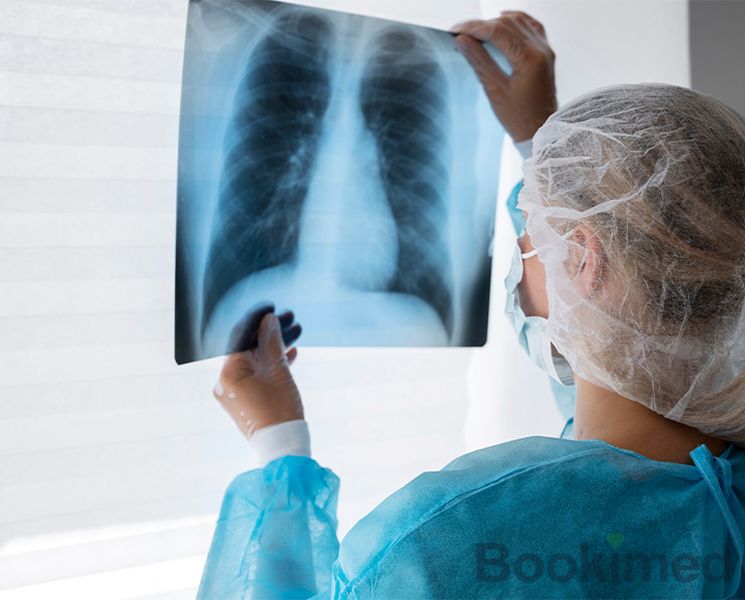
Lobectomy
Lobectomy is a surgical procedure that removes one lobe of the lung to treat lung cancer or other lung diseases.
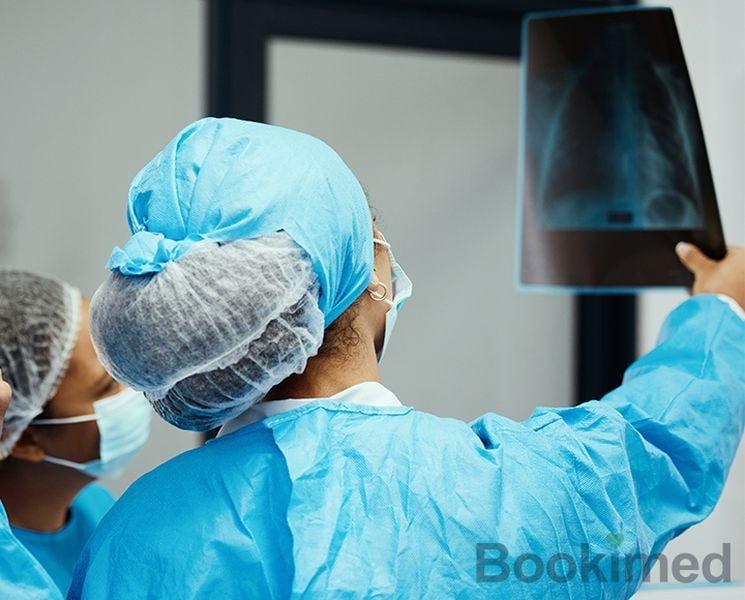
Lung segmentectomy
A pulmonary surgery that involves removing a specific segment of the lung affected by disease, often used to treat localized lung cancer.
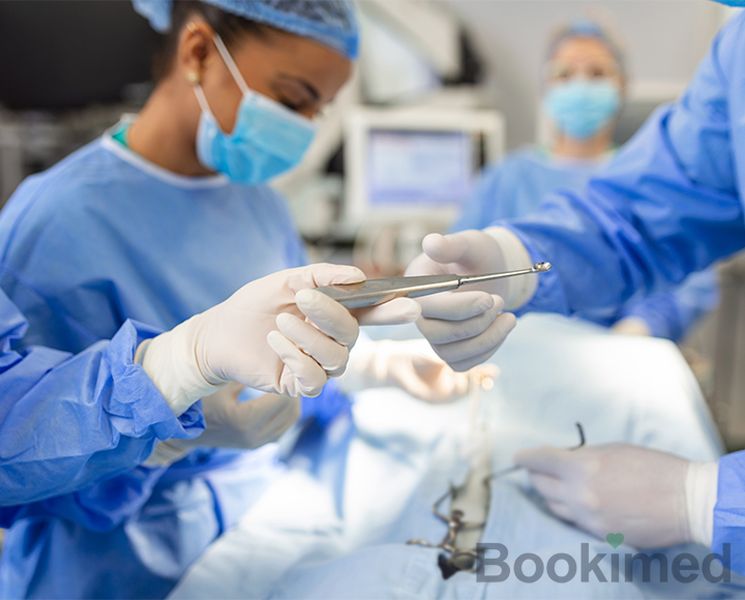
Wedge Resection
A surgical procedure that removes a small, wedge-shaped part of the lung containing a tumor or abnormal tissue.
FAQ about Lung cancer surgery in Germany
What are the survival and success rates for lung cancer surgery in Germany?
Lung cancer surgery in Germany achieves high success rates, with 85% to 90% efficacy for early-stage patients. Specialized centers certified by the German Cancer Society (DKG) report 5-year survival rates exceeding 60%, while Stage 1A outcomes reach 80% to 93% following successful surgical resection.
- Early-stage efficacy: Surgeons achieve 85% to 90% success rates for localized tumors.
- Specialized center advantage: DKG-certified centers reach 28% overall survival versus 16.9% elsewhere.
- Surgical safety: High-volume thoracic departments maintain low in-house mortality rates of 2.1%.
- Technique impact: Standard lobotomies for small tumors show 86.5% 5-year survival rates.
Bookimed Expert Insight: German surgical excellence is driven by hospital volume. Data shows mortality rates drop by nearly half at high-volume clinics compared to smaller facilities. Centers like Asklepios Hospital Barmbek and Nordwest Clinic maintain these standards through multidisciplinary tumor boards and specialized thoracic departments that handle thousands of patients annually.
Patient Consensus: Success depends on complete resection with clear margins and thorough pre-operative staging. Patients emphasize that recovery involves intensive breathing exercises and rebuilding stamina, which is often more challenging than the surgery itself.
How is a patient's eligibility (operability) decided before lung cancer surgery?
Doctors determine lung cancer surgery eligibility through multi-step risk assessments evaluating cardiovascular health, pulmonary function, and physical endurance. Following European Society of Thoracic Surgeons (ESTS) guidelines, specialists must confirm a patient can safely tolerate lung tissue removal while maintaining vital oxygen transfer and heart stability.
- Cardiovascular screening: Surgeons use electrocardiograms (ECG) and risk indexes to ensure the heart handles surgical stress.
- Pulmonary function tests: FEV1 and DLCO metrics above 80% generally clear patients for major lung resections.
- Postoperative prediction: Nuclear lung perfusion scans estimate remaining breathing capacity if baseline test results are low.
- Exercise capacity: High-tech treadmill tests or stair climbing verify if the body tolerates physical exertion levels.
Bookimed Expert Insight: German university hospitals like Charite or Nordwest prioritize interdisciplinary tumor boards where pulmonologists and thoracic surgeons collaborate. Data shows clinics matching high-volume surgery counts with ESMO or German Cancer Society certifications often accept complex cases others might reject. Expert surgeons like Dr. Klaus D. Diemel utilize 3D ultrasound and minimally invasive techniques to reduce physiological stress for borderline-eligible patients.
Patient Consensus: Many patients find pulmonary function tests are the ultimate gatekeeper, regardless of their age or smoking history. It is highly recommended to optimize blood pressure and blood sugar before the formal workup to improve clearance chances.
Which advanced surgical technologies are routinely used for lung cancer in Germany?
German thoracic centers routinely use Video-Assisted Thoracic Surgery (VATS) and Robotic-Assisted Thoracic Surgery (RATS) as primary minimally invasive standards. These methods utilize high-definition 3D imaging and specialized instruments to perform precise tumor resections through small incisions, significantly reducing recovery times and post-operative discomfort.
- Minimally invasive resection: VATS uses cameras for early-stage tumors, requiring only 1–3 small incisions.
- Robotic-assisted surgery: Systems like da Vinci provide 3D visualization for complex lobectomies and segmentectomies.
- Parenchyma-sparing techniques: Reconstructive sleeve resections preserve healthy lung tissue instead of removing entire lungs.
- Advanced thermal ablation: Microwave and cryoablation destroy tumors using extreme heat or cold energy.
Bookimed Expert Insight: While robotic surgery is standard at major centers like Charité Berlin, patient volume data suggests specialty clinics in Hamburg and Solingen offer equally specialized thoracic care. Choosing centers with German Cancer Society certification ensures access to multidisciplinary boards that prioritize lung-sparing reconstructions over more invasive pneumonectomies.
Patient Consensus: Patients consistently report faster recovery and reduced shoulder pain when choosing minimally invasive VATS or robotic-assisted options. Most recipients recommend confirming specific navigation capabilities with the surgical center before scheduling treatment.
Can international patients combine lung cancer surgery with immunotherapy or targeted therapy in Germany?
International patients can combine lung cancer surgery with immunotherapy or targeted therapy in Germany through customized multimodal protocols. Specialist surgeons and oncologists coordinate these treatments either as neoadjuvant therapy to shrink tumors before resection or as adjuvant therapy to prevent recurrence post-surgery.
- Treatment sequencing: Clinics provide surgery plus adjuvant systemic therapy to eliminate residual microscopic cells.
- Molecular profiling: Doctors like Phd Viola Fox conduct genetic screening for EGFR, ALK, and PD-L1.
- Advanced technology: Surgeons at Charité - Universitätsmedizin Berlin use robotic systems for precise, safe tumor removal.
- Expert coordination: Multidisciplinary tumor boards at ESMO-certified centers like Nordwest Clinic design integrated treatment plans.
Bookimed Expert Insight: While many patients expect surgery first, German clinics with high patient volumes like Nordrhein-Westfalen Clinic Complex prioritize molecular testing upon arrival. This data often shifts the plan from immediate surgery to neoadjuvant immunotherapy, which can significantly improve long-term outcomes for complex cases.
Patient Consensus: Patients emphasize the need to confirm that a multidisciplinary tumor board reviews your case to ensure surgery and systemic therapies are perfectly sequenced. They also recommend verifying if prescribed high-tech medications can be refilled in your home country after discharge.
What is the standard timeline and stay duration for international patients receiving lung cancer surgery in Germany?
International patients typically stay in Germany for 14 to 21 days for lung cancer surgery. This includes 4 to 10 days of inpatient hospitalization and a 7 to 14-day outpatient recovery period. The total timeline from initial consultation to flying home usually spans 4 to 6 weeks.
- Inpatient stay: Surgeons generally require 4 to 7 days for hospitalization following minimally invasive resections.
- Pre-operative window: Patients should arrive 2 to 5 days early for confirmative diagnostics and consultations.
- Surgical techniques: Minimally invasive approaches like VATS or robotic surgery often reduce the hospital stay.
- Flying clearance: Surgeons issue fit-to-fly certificates only after chest tube removal and stable lung re-expansion.
Bookimed Expert Insight: While many clinics quote a 10-day maximum stay, our data shows clinics like Nordwest use interdisciplinary boards to start adjuvant planning immediately. This means that while you are recovering for 7 days, your next 2 to 3 months of chemotherapy are already being scheduled, preventing dangerous gaps in your treatment cycle.
Patient Consensus: Patients emphasize that chest tube removal and mobility are the real gatekeepers for discharge. Most advise building in extra buffer days before flying to ensure oxygen levels are stable for cabin altitude changes.
Leading hospitals for lung cancer surgery in Germany?
Leading German hospitals for lung cancer surgery include Nordwest Clinic, Asklepios Hospital Barmbek, and Charité Universitätsmedizin Berlin. These centers utilize minimally invasive video-assisted thoracic surgery (VATS) and robotic-assisted techniques. Most facilities are certified by the German Cancer Society and provide multidisciplinary tumor board reviews.
- Expert surgical teams: Surgeons like Dr. Klaus D. Diemel hold European Board (FETCS) certifications.
- Advanced technology: Clinics utilize 3D ultrasound, PET-CT diagnostics, and robotic systems for precise resections.
- Integrated oncology: Centers combine surgical intervention with targeted immunotherapy and personalized anticancer vaccines.
- Specialized accreditation: Top facilities maintain Focus Magazine rankings and ESMO certifications for oncology.
Bookimed Expert Insight: Data shows that hospital volume is the strongest predictor of success. While Charité Berlin serves over 800,000 patients annually, specialized centers like Asklepios Barmbek focus heavily on international cases. Choosing a clinic with over 2,000 annual thoracic operations ensures the surgical team maintains peak technical proficiency.
Patient Consensus: Patients often emphasize the importance of a multidisciplinary tumor board. They prefer centers where surgeons and oncologists collaborate on a single, unified treatment plan before any intervention begins.
Which hospitals in Germany are top-rated for neurosurgery?
Germany features some of the worlds most prestigious neurosurgery departments, led by Charité – Universitätsmedizin Berlin and University Hospital Heidelberg. These centers excel in treating complex brain tumors and cerebrovascular disorders. They utilize advanced technologies like intraoperative MRI and computer-assisted neuronavigation to maximize procedural success.
- Charité Berlin: Performs 5,000+ surgeries annually. Led by renowned neurosurgeon Dr. Peter Vajkoczy.
- Medical Center Solingen: Dr. Ralf Buhl has performed 4,000+ procedures, including minimally invasive spine surgery.
- Asklepios Nord Clinic: Features Germany's only two-sided intraoperative MRI for real-time surgical precision during tumor removals.
- Nordwest Clinic: Recognized by Newsweek as a leading hospital for innovations in 3D ultrasound technology.
Bookimed Expert Insight: Data shows that choosing high-volume centers often leads to more conservative treatment recommendations. At Medical Center Solingen, which treats 60,000+ patients yearly, surgeons frequently suggest physiotherapy over immediate surgery if risks appear high. This volume-based expertise ensures patients only undergo operations when statistically necessary for recovery.
Patient Consensus: Patients note that German specialists are very cautious and will explain all risks before proceeding. Many emphasize the comfort of modern facilities, though some mention that having a translator is helpful for navigating administrative paperwork.
What are the reported success rates for high-complexity neurosurgery in Germany?
High-complexity neurosurgery in Germany demonstrates exceptional safety. Spinal fusions reach a 99% success rate. Primary brain tumor resections maintain a 97% survival rate. Functional independence is high. Over 82% of patients discharge directly home after treatment. German centers prioritize preserving neurological function using advanced mapping.
- Tumor resection: Surgeons achieve gross total resection in 87.2% of brain metastasis cases.
- Vascular success: Unruptured aneurysm treatments show a 98.7% survival rate in German hospitals.
- Neurological improvement: Nearly 43% of patients see functional score gains after complex resections.
- Surgical safety: Spinal procedures maintain a 98–99% survival rate across major surgical centers.
Bookimed Expert Insight: High-volume surgeons like Dr. Uwe Kehler at Asklepios Altona Clinic perform 2,000+ operations annually. Data shows these experts maintain success rates up to 90% for the most complex cerebral tumors. Choosing a specialist with 4,000+ personal surgeries, such as Dr. Ralf Buhl, ensures technical precision gathered over decades of practice.
Patient Consensus: Patients note that German surgeons often prioritize physical function over aggressive tumor removal. It is important to write down all questions in advance to make the most of short consultations with busy professors.
What advanced technologies are routinely available in German neurosurgical clinics?
German neurosurgical clinics routinely integrate high-precision digital tools and real-time imaging into surgical practice. Core technologies include computer-assisted neuronavigation for brain and spinal procedures. Facilities like Asklepios Nord Clinic use intraoperative MRI to verify tumor removal in real time. These systems provide a 3D GPS for surgeons.
- Neuronavigation: Provides 3D visualization and real-time instrument tracking for sub-millimeter surgical precision.
- Intraoperative imaging: Systems like iMRI and O-arm CT allow immediate verification of successful resection.
- Neuromonitoring: Tracks motor and sensory functions during surgery to protect the nervous system.
- Fluorescence diagnostics: Uses 5-ALA dye to illuminate tumor borders for more complete removal.
- Robotic assistance: Systems like Da Vinci enhance dexterity for complex minimally invasive procedures.
Bookimed Expert Insight: High-volume centers like Charité – Universitätsmedizin Berlin perform 4,000+ neurosurgeries annually, creating a data-rich environment for refining robotic protocols. Medical Center in Solingen offers specialized packages for herniated disc surgery including preoperative diagnostics. This volume allows German clinics to negotiate better rates for consumables, keeping advanced tech accessible.
Patient Consensus: Patients note that modern German clinics significantly reduce recovery times compared to older surgical methods. Many describe the experience as less painful due to smaller incisions and highly competent staff who explain every technical risk clearly.
What specialist training do practicing neurosurgeons in Germany complete?
Neurosurgeons in Germany must complete 6 years of specialized residency training after medical school. This structured program includes intensive care, clinical practice, and a mandatory surgical log. Candidates then pass a state board exam to earn the title Facharzt für Neurochirurgie.
- Clinical residency: Requires 48 to 72 months of dedicated neurosurgical practice.
- Intensive care: Includes mandatory 6-month rotation in a neurosurgical intensive care unit.
- Surgical log: Surgeons document hundreds of procedures, including craniotomies and spinal surgeries.
- Board examination: Candidates must pass a state-administered oral and practical medical assessment.
Bookimed Expert Insight: German neurosurgery training emphasizes high-volume surgical experience. For example, Dr. Ralf Buhl at Medical Center in Solingen has performed 4,000+ surgeries. Dr. Jürgen Kiwit at Meoclinic Hospital brings 25+ years of expertise. This rigorous system ensures that specialists at major centers manage complex cases with proven precision.
Patient Consensus: Patients feel confident knowing their doctors underwent years of strict, state-monitored training. Many note that the detailed documentation of a surgeon's past procedures provides significant peace of mind before surgery.
What language and licensure requirements apply to international surgeons aiming to train or observe neurosurgery cases in Germany?
International neurosurgeons must meet strict language and licensure standards to train or observe in Germany. Training requires a full medical license or temporary permit. Observers need hospital-specific approval. Both paths demand high-level German proficiency to participate in clinical discussions and follow complex surgical protocols safely.
- Language proficiency: General German B2 and medical C1 (Fachsprachprüfung) are mandatory for clinical training.
- Clinical licensure: Surgeons need Approbation for permanent practice or Berufserlaubnis for temporary supervised training.
- Observation status: A Hospitation allows observing surgeries without medical responsibility or a formal license.
- Credential evaluation: Non-EU graduates often face a 3–6 month process to verify their medical degrees.
Bookimed Expert Insight: German clinics with high patient volumes, like Nordwest Clinic or Asklepios Nord, often prioritize candidates who have already secured their preliminary document evaluation. Our data shows that professors like Dr. Uwe Kehler and Dr. Paul Kremer manage thousands of cases annually. Demonstrating German B2 level early can bypass many bureaucratic delays in these busy departments.
Patient Consensus: Patients note that the language barrier is significant. They emphasize that while some international staff help, having a translator or a German-speaking doctor is vital for clear communication.
Does Germany have enough neurosurgeons to handle both domestic and international patient volumes?
Germany maintains the highest density of neurosurgeons in Europe with 2.94 specialists per 100,000 residents. This robust workforce easily manages international volumes through 184 dedicated departments. Key facilities like Charite Berlin perform 4,000+ surgeries annually. High specialist availability ensures additional capacity for complex global cases.
- Specialist density: Germany has 2.94 neurosurgeons per 100,000 people, doubling the European average.
- Clinical infrastructure: Over 182 dedicated neurosurgical departments provide widespread geographic access across Germany.
- Surgical expertise: Prof. Dr. Peter Vajkoczy at Charite Berlin leads over 4,000 annual procedures.
- Advanced technology: Facilities like Asklepios Nord Clinic utilize intraoperative MRI and computerized neuronavigation.
Bookimed Expert Insight: While Germany has high specialist numbers, top-tier professors like Dr. Ralf Buhl or Dr. Uwe Kehler are often concentrated in major hubs like Hamburg or Solingen. Our data shows these high-volume centers actually offer faster access for international patients than smaller clinics. Large academic hospitals maintain dedicated tracks for complex cases, effectively bypassing local capacity bottlenecks found in rural areas.
Patient Consensus: Patients often note that while surgeons are highly professional, clear communication about reports can sometimes take time. One patient mentioned that recovery periods in German clinics are now much shorter and less painful than in previous decades.