Atrial septal defect surgery in Thailand: costs, clinics and reviews
Bookimed lists 2 atrial septal defect surgery clinics in Thailand, in Bangkok and Pattaya, including ISO-certified and JCI-accredited clinics. These clinics are rated 4.6/5 in 131 verified patient reviews on Bookimed.

Last updated: Nov 17, 2026

Medically reviewed by
Fahad Mawlood
How it works
Bookimed is free for patients – clinics pay us a commission, and you pay the clinic its own price with no markup. Five steps to your atrial septal defect surgery in Thailand:
Share your case
Tell us about your condition and share your latest scans and medical reports.
Get treatment plans
Your coordinator finds clinics that match your needs and helps you choose. Your preferred clinics then send personalized treatment plans and quotes for you to compare.
Plan your trip
We set treatment dates that work for you and help arrange your flights and accommodation. If needed, we request a visa support letter from the clinic.
Visit the clinic
The clinic team performs your atrial septal defect surgery on the agreed dates. We support you throughout your trip.
Recover at home
You can fly home 7–14 days after surgery, and your result is assessed over 3–12 months. Your coordinator stays in touch and helps arrange a follow-up if you need one.
Some clinics ask for a deposit. A $200 or €200 deposit paid through Bookimed comes off your clinic bill and is refundable up to 10 calendar days before your visit. A deposit paid to the clinic follows its own terms.
Atrial septal defect surgery Prices by Clinic in Thailand










Get matched with the best doctors for Atrial septal defect surgery
Tell us about your needs — and get 3 tailored offers from top doctors for you.
Do you have any medical records related to your issue?
Direct prices from clinics
Free evaluation of your medical case
Free personal assistance 24/7
Thailand Atrial septal defect surgery overview
Cost and clinics
| Typical atrial septal defect surgery price in Thailand | Clinics | Accreditations | Cities |
|---|---|---|---|
| $9,500 / ฿323,000–$16,000 / ฿544,000 | 2 clinics | ISO (2 clinics), JCI (2), GHA (1), TEMOS (1) | Bangkok (1 clinic), Pattaya (1) |
The procedure
| Before the trip | Time in Thailand | Operation time | Anesthesia | Back to desk work | Final result |
|---|---|---|---|---|---|
| Arrange heart tests and infection treatment before surgery | 7–14 days, including 3–6 nights in hospital | 2–4 hours | General | 2–6 weeks | 3–12 months |
How much does a Atrial septal defect surgery cost in Thailand?
Atrial septal defect surgery in Thailand is estimated from $9,500 / ฿323,000 to $16,000 / ฿544,000. The final quote depends on closure method, hospital choice, preoperative testing, and length of stay.
| Thailand | Turkey | Austria | |
|---|---|---|---|
| Atrial septal defect surgery | ≈ $9,500 / ฿323,000 | from $19,500 / ฿663,000 | ≈ $21,000 / ฿714,000 |
How to choose a Atrial septal defect surgery clinic in Thailand
For atrial septal defect surgery in Thailand, shortlist clinics, match the surgeon, confirm the technique, discuss your case, and assess team care and center qualifications.
What to check
Location options
Bookimed lists 2 clinics for atrial septal defect surgery in Thailand – the top-ranked ones are in Bangkok, Pattaya. Use these city options to narrow your shortlist.Surgeon match
Choose a congenital heart specialist and confirm they will perform your repair, which may be open-heart, minimally invasive, or robot-assisted. Ask about similar defect cases – size and location matter.Consultation
Before treatment, ask the surgeon to review your history and answer questions about your diagnosis and repair risks.Cardiac support
Ask for pediatric cardiologists, cardiologists, and cardiovascular surgeons, plus dedicated pre- and post-surgical cardiac care and congenital-heart technology – ask whether the center is licensed by the Medical Council of Thailand.
Discover Atrial septal defect surgery Clinics in Thailand
| Clinic Name | Patient Rating | About | Accreditations | Lead Doctor | Techniques |
|---|---|---|---|---|---|
| Bumrungrad International Hospital Bangkok | 4.6 (131 reviews) | Bumrungrad International Hospital is a leading heart surgery center in Southeast Asia, treating over 1 million patients annually from 190+ countries. The hospital ranks among the world's top 10 medical facilities and top 30 most technologically advanced clinics. Its cardiac surgery unit specializes in atrial septal defect repairs with a dedicated team of specialists. | ISO, JCI, GHA | — | Consultation with a cardiologist, Consultation with a heart surgeon |
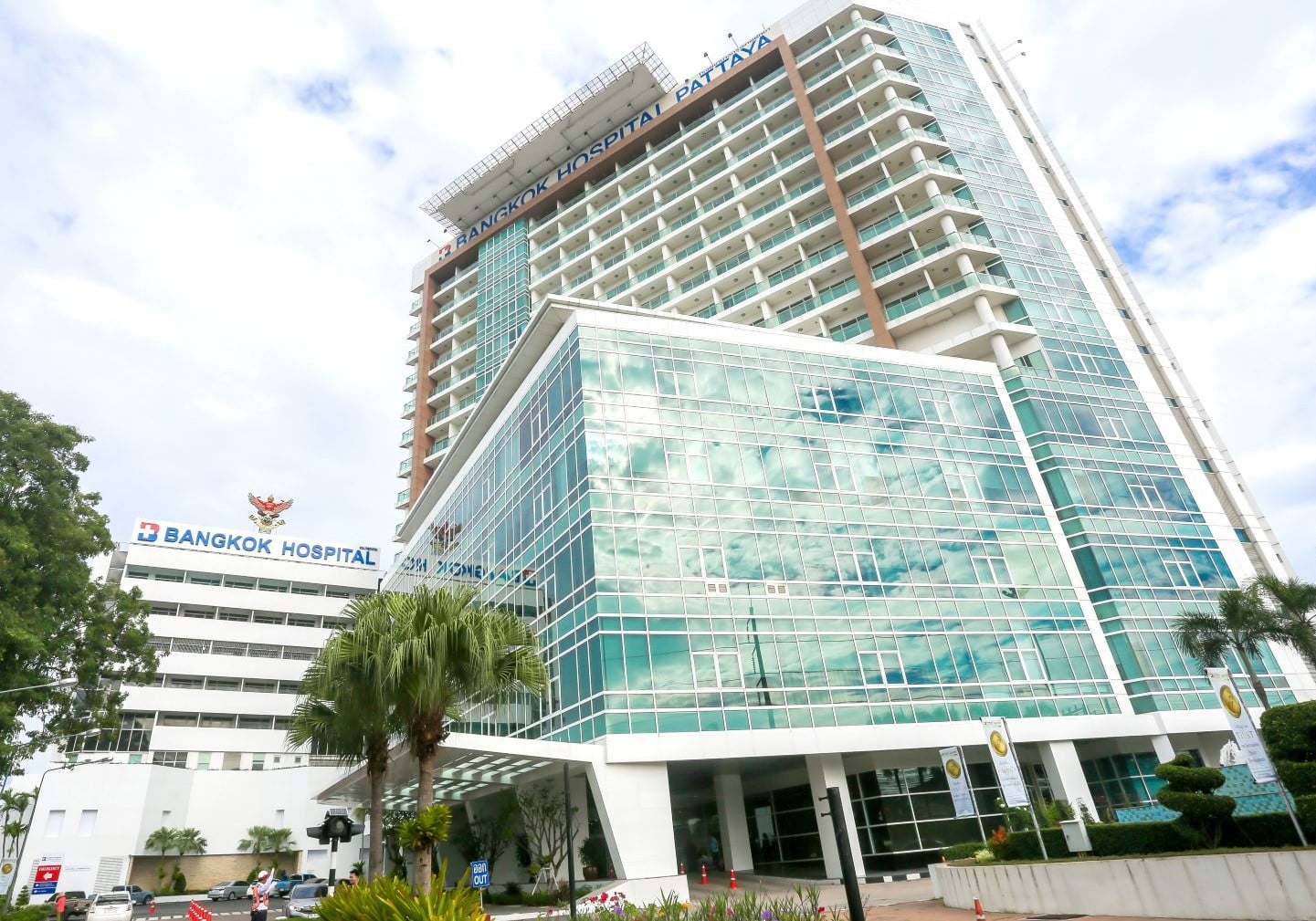
| Bangkok Hospital Pattaya Pattaya | 4.0 | Forty percent of international medical tourists pick Bangkok Hospital Pattaya. It treats over 400,000 patients yearly from 150 countries and holds JCI accreditation. Part of the Bangkok Dusit Medical Services group, its top specialties are cardiology and cosmetic surgery. Heart Center performs coronary bypass surgery without a heart-lung machine. Received the Prime Minister's Export Award for services to international patients. Digital Mammogram with Tomosynthesis offers 2D and 3D breast imaging in 10 seconds with less pain. 128-Slice CT scans coronary arteries in 4 seconds with 90% accuracy. Accredited by TEMOS and certified under ISO 9001 by TÜV NORD. | JCI, ISO, TEMOS | — | Comprehensive cardiovascular diagnosis, Doppler sonography (ultrasonography, duplex angioscanning) vessels |
Where to get a Atrial septal defect surgery in Thailand
In Thailand, Bangkok and Pattaya are options for atrial septal defect surgery, with comparable clinic availability. Choose Bangkok for medical-travel support and help arranging recovery stays.
Atrial septal defect surgery recovery timeline: what to expect week by week
You can usually fly home 7–14 days after surgery, once your surgeon clears you after imaging shows no fluid buildup. You may return to school or desk work in 14–42 days after uncomplicated closure, with timing depending on your procedure and job. Light walking can start earlier, while strenuous exercise and contact sports usually resume in 6–12 weeks after sternal healing and cardiology clearance. The final result is assessed over 3–12 months, with functional recovery by 3 months and right-heart remodeling over 6–12 months.
Days 0–6
You’ll spend a short time in intensive care, then begin moving as drains and pacing wires are removed. A heart ultrasound checks your recovery before discharge. Brace your chest when coughing and avoid lifting.
Weeks 1–6
With your surgeon’s approval, you can usually fly home 7–14 days after surgery, once an echocardiogram and chest X-ray show no fluid buildup. Sternotomy or fluid around the lung may delay travel. Gradually increase walking, but avoid heavy lifting, pushing, and contact sports.
Weeks 6–12
A cardiology review with an ECG and heart ultrasound is usually scheduled 30–60 days after surgery. Resume normal exercise and sports gradually after sternal healing and cardiology clearance, avoiding high-impact activity until cleared.
When to contact your clinic: Contact your clinic if you develop worsening shortness of breath, a fast or irregular heartbeat, or a fever of 38°C or higher.
Is a Atrial septal defect surgery in Thailand safe?
Traveling to Thailand for a Atrial septal defect surgery
Atrial septal defect surgery in Thailand: Video Reviews from Bookimed Patients
Share this content
 Anna Leonova

FAQ about Atrial septal defect surgery in Thailand
Which hospitals in Thailand are best for ASD repair?
Bumrungrad International Hospital and Bangkok Hospital Pattaya are the top choices for ASD repair in Thailand. These JCI-accredited facilities offer advanced transcatheter closures and robotic-assisted surgeries. Most procedures successfully treat atrial septal defects with high success rates using minimally invasive techniques.
- Bumrungrad International: Features elite cardiac units serving 1 million patients annually with GHA-accredited standards.
- Bangkok Hospital Pattaya: Part of the BDMS network providing specialized heart care on the eastern coast.
- Specialized techniques: Clinics utilize Amplatzer occluders for catheter-based repairs and modern robotic-assisted surgical options.
- International standards: Top-tier hospitals maintain JCI and ISO certifications ensuring global safety protocols for surgery.
Bookimed Expert Insight: While Bumrungrad attracts the highest volume of international patients, Bangkok Hospital Pattaya offers a strategic advantage. It provides the same BDMS network quality standards but often delivers a more streamlined experience. This is especially beneficial for patients seeking a quieter recovery environment outside the capital.
Patient Consensus: Patients prioritize surgeons with international fellowships and suggest verifying individual case volumes before booking. Many travelers prefer Thailand over other regions because they can transition to beach-based recovery after discharge.
What are the different types of ASD surgery available?
Primary ASD treatments include minimally invasive transcatheter closure and surgical repair via open-heart or robot-assisted techniques. While catheter-based methods suit 80% of secundum defects, complex cases like primum or sinus venosus types require surgical patches or sutures at JCI-accredited Thai centers.
- Transcatheter closure: Non-surgical repair using a groin catheter to place a permanent occluder device.
- Minimally invasive surgery: Uses small side-chest incisions (thoracotomy) to reduce pain and visible scarring.
- Open-heart surgery: Traditional median sternotomy for large defects, ensuring excellent exposure for complex repairs.
- Robot-assisted repair: High-precision closure using the Da Vinci system through tiny, specialized ports.
Bookimed Expert Insight: While many seek the lowest cost, the real value in Thailand is the technology-to-price ratio. Top-tier hospitals like Bumrungrad International Hospital combine JCI standards with AI and robotic platforms. These high-volume centers manage over 1 million patients annually, offering surgical expertise that matches Western outcomes at 83% lower costs.
Patient Consensus: Patients emphasize getting an echocardiogram early to confirm if they qualify for transcatheter surgery. Most report a quick 2-day recovery for device closures but recommend budgeting extra for local follow-up appointments.
How long is the recovery period after surgery?
Recovery after atrial septal defect surgery in Thailand typically takes 4 to 8 weeks for basic activity resumption. While catheter-based closures allow a return to light tasks within 1 to 2 weeks, open-heart procedures require 6 to 8 weeks before driving or returning to work.
- Early recovery phase: Initial 2 weeks involve managing fatigue, pain, and limited mobility at home.
- Activity resumption: Most patients return to desk jobs or light schoolwork by week 4.
- Driving clearance: Surgeons usually restrict driving for 6 to 8 weeks to protect the sternum.
- Full cardiac recovery: Achieving peak physical function typically takes 3 to 6 months post-procedure.
Bookimed Expert Insight: Thailand’s leading centers like Bumrungrad International Hospital utilize Joint Commission International (JCI) standards to streamline recovery. Data shows their high international patient volume leads to refined post-discharge protocols. This ensures travelers are stable for long-haul flights within 10 to 14 days after surgery.
Patient Consensus: Patients emphasize that exhaustion during basic tasks is normal in the first 2 weeks. Many suggest having a support person available for the first month to manage daily needs and emotional fluctuations.
Is surgery always required for an ASD?
Surgery is not always required for an Atrial Septal Defect (ASD). Small defects under 5mm often close spontaneously in children or only require monitoring. Most secundum ASDs are now treated with minimally invasive transcatheter closure, while surgery is reserved for large, complex, or symptomatic cases.
- Asymptomatic monitoring: Small holes without heart strain typically only require regular cardiologist checkups.
- Spontaneous closure: Many pediatric defects naturally narrow or close by age 3 to 5.
- Transcatheter closure: Minimally invasive devices treat 80-90% of secundum ASDs with 1-day hospital stays.
- Surgical triggers: Large primum or sinus venosus defects often necessitate open-heart repair.
Bookimed Expert Insight: Thailand’s top facilities like Bumrungrad International Hospital utilize advanced digital imaging to favor device closure over surgery whenever possible. This preference is significant because transcatheter procedures in Bangkok typically cost $9,500 to $16,000, which is a 83% saving compared to the $76,500 US average.
Patient Consensus: Many patients find that an initial echo and bubble study often reveal they are candidates for device closure rather than open surgery. They highlight that choosing non-surgical options avoids sternotomy scars and reduces recovery from weeks to just days.
What should international patients consider when choosing a Thai hospital?
International patients should prioritize Joint Commission International (JCI) accreditation and specialized cardiac expertise when choosing a Thai hospital. High-tier facilities like Bumrungrad International Hospital serve over 1,000,000 patients annually, offering dedicated international centers, multi-language support, and advanced robotic or digital imaging technologies for complex surgeries.
- International accreditation: Look for JCI or Global Healthcare Accreditation (GHA) for safety.
- Specialized departments: Ensure the facility has dedicated heart surgery centers for procedures.
- Concierge services: Top hospitals provide visa extensions, airport transfers, and native interpreters.
- Cost transparency: Request itemized quotes for surgeon fees, anesthesia, and post-operative care.
Bookimed Expert Insight: Patient volume is a major quality signal in Thailand. Clinics like Bumrungrad and Bangkok Hospital Pattaya manage between 400,000 and 1,000,000 patients yearly. This massive scale allows them to maintain 1,300+ doctors and 70+ specialized departments. High volume typically correlates with lower complication rates for intricate cardiac work.
Patient Consensus: Patients recommend verifying an individual surgeon's specific case volume and securing insurance pre-authorization months ahead. Testing communication by emailing in English before booking helps identify potential coordination issues.
Last review: Nov 17, 2026
Fahad Mawlood — General practitioner. Winner of 4 scientific awards. Served in Western Asia. Former Team Leader of a medical team supporting Arabic-speaking patients. Now responsible for data processing and medical content accuracy.
Have a question about Atrial septal defect surgery in Thailand?
Ask a Bookimed medical coordinator about prices, clinics, techniques or your case. Write to us in the messenger you already use.
- Direct prices from clinics
- Free evaluation of your medical case
- Free personal assistance 24/7
Ask your question in a messenger
Tap a messenger to open a chat with a Bookimed medical coordinator.
Free and without obligation · Terms of use · Privacy policy