Cardiovascular Wellness in Thailand: costs, clinics and reviews

Last updated: Nov 17, 2026

Medically reviewed by
Fahad Mawlood
How it works
Bookimed is free for patients – clinics pay us a commission, and you pay the clinic its own price with no markup. Five steps to your cardiovascular wellness in Thailand:
Share your case
Tell us about your case and share your recent blood test results.
Get treatment plans
Your coordinator finds clinics that match your needs and helps you choose. Your preferred clinics then send personalized treatment plans and quotes for you to compare.
Plan your trip
We set treatment dates that work for you and help arrange your flights and accommodation.
Visit the clinic
The clinic team performs your cardiovascular wellness on the agreed date. We support you throughout your trip.
Back home
Your results are usually ready within 2–48 hours. Your coordinator stays in touch and helps arrange a follow-up if you need one.
Some clinics ask for a deposit. A $200 or €200 deposit paid through Bookimed comes off your clinic bill and is refundable up to 10 calendar days before your visit. A deposit paid to the clinic follows its own terms.
Cardiovascular Wellness Prices by Clinic in Thailand
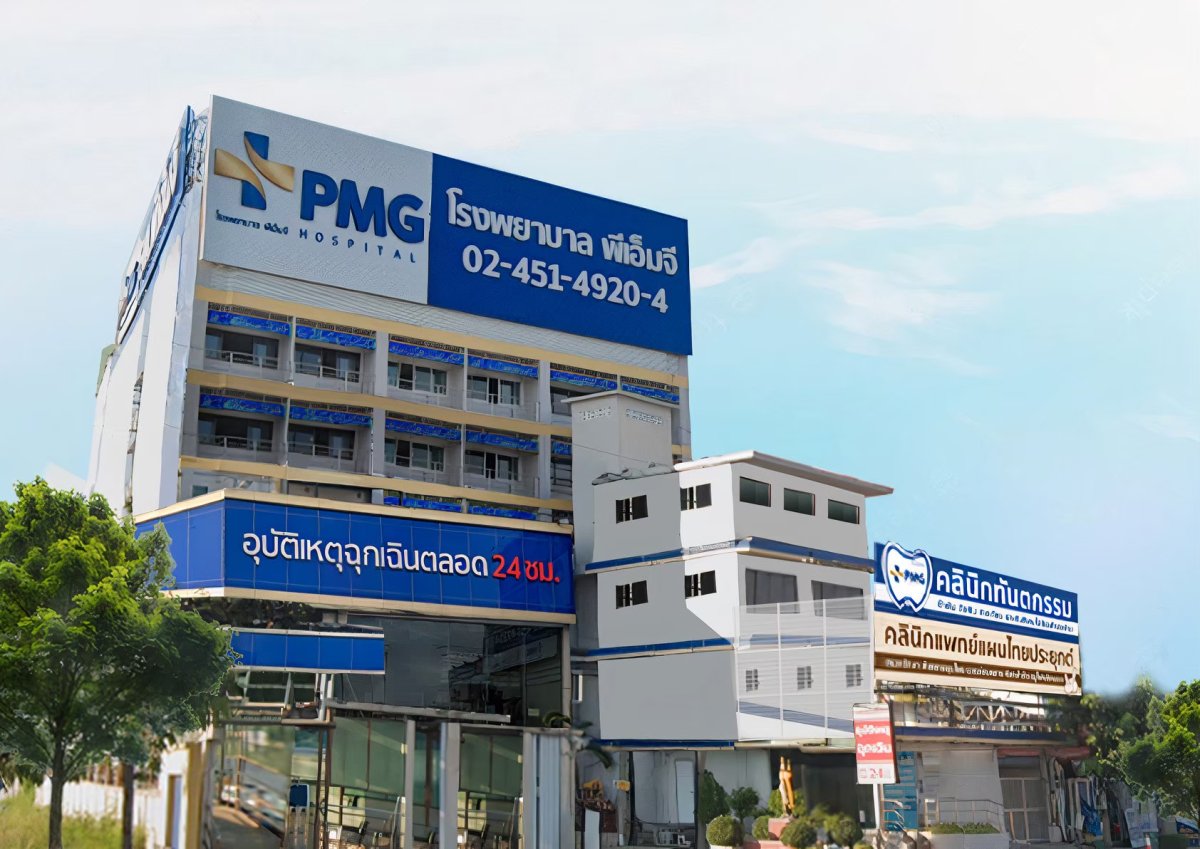


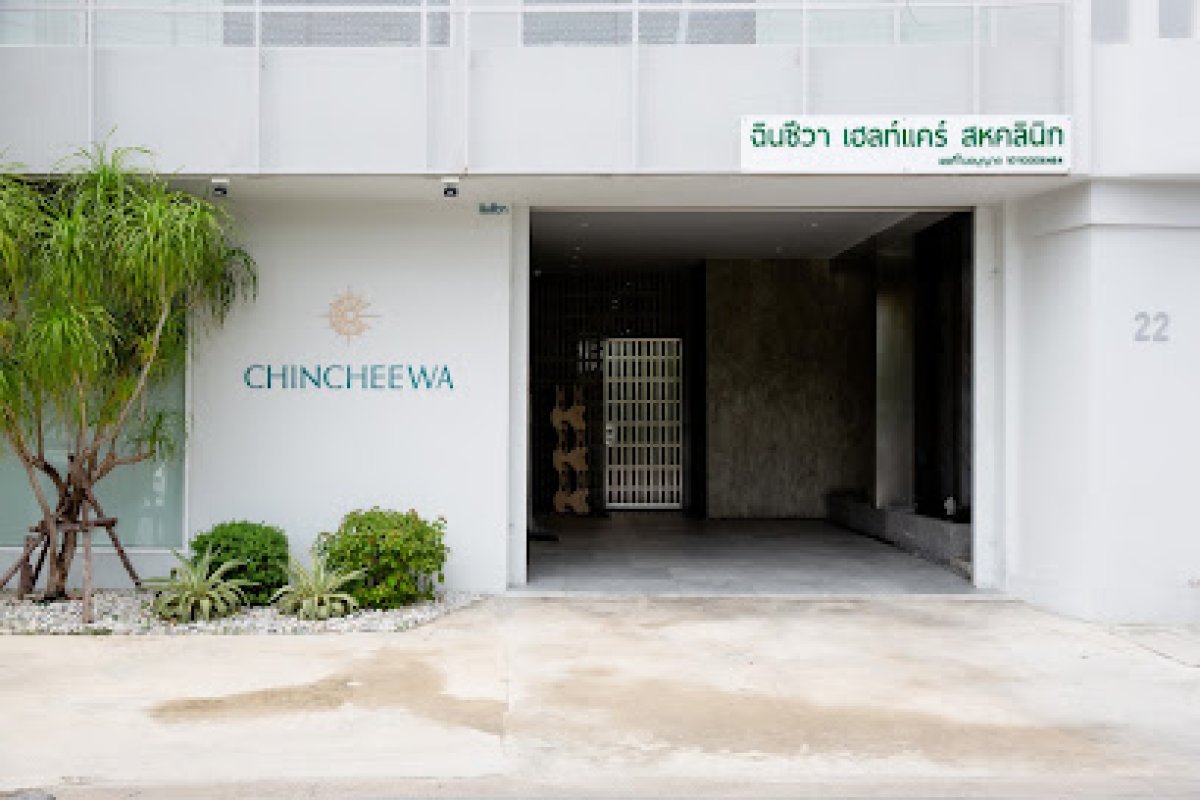
Chincheewa Healthcare Clinic
Thailand Cardiovascular Wellness overview
Cost and clinics
| Typical cardiovascular wellness price in Thailand | Clinics | Accreditations | Cities | Cardiovascular wellness specialists |
|---|---|---|---|---|
| $1,500 / ฿51,000–$3,800 / ฿129,200 | 2 clinics | GHA (1 clinic), JCI (1) | Bangkok (2 clinics) | 8 specialists |
The procedure
| Before the trip | Time in Thailand | Nights in hospital | Operation time | Anesthesia | Back to desk work |
|---|---|---|---|---|---|
| Fast 8–12 hours before blood tests if instructed wear comfortable clothing and sports shoes avoid caffeine and smoking on the test day bring medication list and prior cardiac reports | 0–2 days | None (outpatient procedure) | 3–6 hours | None | Immediately |
How much does a Cardiovascular Wellness cost in Thailand?
Cardiovascular wellness in Thailand typically costs from $1,500 / ฿51,000 to $3,800 / ฿129,200. The final price depends on the clinic tier, diagnostic complexity, and included screenings like echocardiograms or calcium scans.
Cardiovascular wellness in Thailand typically costs from $1,500 / ฿51,000 to $3,800 / ฿129,200. The final price depends on the clinic tier, diagnostic complexity, and included screenings like echocardiograms or calcium scans. In the US, similar check-ups cost around $4,500 / ฿153,000 on average. Patients save around 40% compared to US rates for these heart health services. Packages generally include blood panels, lipid profiles, and basic physical exams.
- Standard screening: Typically includes EKG, chest X-rays, and lipid profiles for basic heart monitoring.
- Advanced diagnostics: Often adds 50-100% to basic costs for CT calcium scoring and echocardiograms.
- Executive packages: Comprehensive protocols in Bangkok often feature carotid ultrasound and advanced biomarker labs.
- Specialized therapies: Integrative options like chelation therapy or IV nutrition vary by session count.
Bookimed Expert Insight: Savvy patients choose JCI-accredited facilities like PMG Hospital for high-tech diagnostics without premium pricing. PMG Hospital uses carotid intima-media thickness ultrasound to detect early heart disease risk without radiation. For those seeking longevity, clinics in Bangkok offer advanced EECP therapy to improve blood flow. These regenerative protocols often cost significantly less than similar specialized treatments in Western hospitals. Check for centers featuring American Board of Anti-Aging and Regenerative Medicine (ABAARM) certified specialists for integrated care.
| Thailand | Turkey | Austria | |
|---|---|---|---|
| Cardiovascular Wellness | ≈ $1,500 / ฿51,000 | ≈ $1,100 / ฿37,400 | ≈ $3,800 / ฿129,200 |
How to choose a Cardiovascular Wellness clinic in Thailand
For cardiovascular wellness in Thailand, compare clinic locations, speak with the doctor who will perform the needed technique, verify qualifications and facility standards, then arrange follow-up.
What to check
Compare locations
Bookimed lists 2 clinics for cardiovascular wellness in Thailand – the top-ranked ones are all in Bangkok.Meet the clinician
Speak directly to the doctor performing your needed technique – request review of full medical history and medication list before booking. Listed doctors have a median of 9 years of practice.Confirm credentials
Ask whether the doctor is qualified for the procedure and licensed by the Medical Council of Thailand – check that the clinic is locally registered and fully insured.Coordinate support
Before booking, ask how complications and follow-up will be handled abroad and at home – discuss plans with your UK doctor or GP, as aftercare may be limited.
Discover Cardiovascular Wellness Clinics in Thailand
| Clinic Name | Patient Rating | About | Accreditations | Lead Doctor | Techniques |
|---|---|---|---|---|---|
| PMG Hospital Bangkok | 5.0 (1 review) | PMG Hospital holds Global Healthcare Accreditation and has served patients in Bangkok since 1992. The heart health check program costs around $100. This package covers essential screenings like an ECG, Exercise Stress Test, and Echocardiography. It also includes blood sugar tests, a lipid profile, and urine analysis. The hospital offers a one-stop wellness center with dedicated support for international travelers. Services include help with medical visas and airport transfers to make the visit easy. | GHA, JCI | — | ECG, exercise stress test, echocardiography, ECG Holter monitoring, CIMT ultrasound |
| Chincheewa Healthcare Clinic Bangkok | 5.0 | Dr. Wiphawi Chinjen Pradit leads the cardiovascular wellness program with international expertise from the Cedars-Sinai Heart Institute in the USA and Royal Melbourne Hospital in Australia. The clinic focuses on cardiac rehabilitation through supervised aerobic and resistance training. Each program includes lifestyle counseling, stress management, and medication oversight for heart disease or hypertension. Diagnostic tools like echocardiograms and EKG help monitor progress. This Bangkok center integrates preventive care with anti-aging medicine to help manage chronic cardiac conditions effectively. | — | — | — |
Our Trusted Doctors
View all Doctors
Bee Thamonwan Trongpanyachot
Dr. Bee Thamonwan is an aesthetic and regenerative medicine specialist at Plenary Wellness in Phuket. She focus on natural rejuvenation using stem cells and collagen-boosting biostimulators. Dr. Thamonwan earned her medical degree from the Medical University of Lublin in Poland. She speaks Thai, English, and Chinese fluently.
- Performs advanced stem cell therapy to regenerate skin and support anti-aging from within.
- Specializes in Sculptra and biostimulator injectables for gradual, natural facial volume renewal.
- Provides PRP hair therapy and mesotherapy microinjections for restorative scalp health.
- Collaborates with Prince of Songkla University on wellness research and innovation.
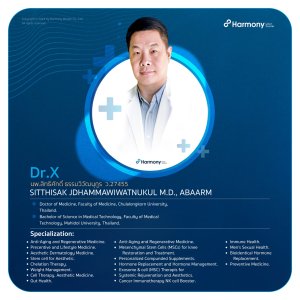
Sitthisak Jdhammawiwatnukul
Dr. Sitthisak Dhammawiatnukul is a specialist in regenerative medicine at Harmony Life Center in Bangkok. He holds ABAARM certification from the American Academy of Anti-Aging and Regenerative Medicine. He is a member of the International Society for Cellular Therapy (ISCT). Dr. Dhammawiatnukul focuses on non-surgical mesenchymal stem cell (MSC) therapy and hormone management.
- Specializes in regenerative cell therapy for knee rejuvenation and health restoration.
- Provides ozone therapy, vitamin infusions, and curcumin IV treatments for longevity.
- Treats men’s sexual health and metabolic gut issues using preventive medicine.
- Is the Medical Advisor for cell and hormone therapy at Bio Sky Clinic.

Natthaphon Suwan
Dr. Natthaphon Suwan is a regenerative medicine specialist at Harmony Life Center in Bangkok. He is certified by the American Board of Anti-Aging and Regenerative Medicine (ABAARM). Dr. Suwan specializes in longevity health, stem cell therapy, and hormonal health. He treats patients at Harmony Life Center, which helps over 1,500 people annually.
- Performs IV therapies for detoxification, nutrition, and skin rejuvenation.
- Provides stem cell therapy for facial aesthetics, joint health, and whole-body wellness.
- Specializes in male hormone evaluation and testosterone replacement therapy.
- Conducts genetic cancer risk screening and NK cell therapy.
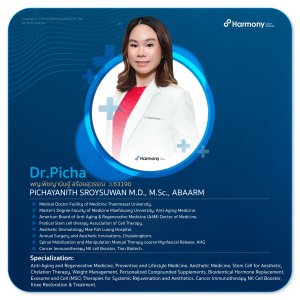
Pichayanith Sroysuwan
Dr. Pichayanith Sroysuwan is a physician at Harmony Life Center in Bangkok. He holds dual certification from the American Board of Anti-Aging & Regenerative Medicine. He specializes in personalized wellness, stem cell therapy, and restorative medicine. Dr. Sroysuwan has completed over 63,000 procedures throughout his career.
- Certified by the American Board of Laser Surgery.
- Treats chronic conditions using NAD+ therapy, chelation, and ozone therapy.
- Performs regenerative treatments for knee osteoarthritis and stroke rehabilitation.
- Trained in aesthetic dermatology and botulinum toxin rejuvenation.
Is a Cardiovascular Wellness right for you?
Why choose Thailand for a Cardiovascular Wellness
Radiation-free heart-risk screening with care through rehabilitation
| Typical price | vs Thailand | |
|---|---|---|
| Thailand (this page) | $1,500 – $3,800 | – |
| US | from $2,500 | +67% |
| TR | from $1,100 | −27% |
Is a Cardiovascular Wellness in Thailand safe?
Traveling to Thailand for a Cardiovascular Wellness
Cardiovascular Wellness in Thailand: Video Reviews from Bookimed Patients
Share this content
 Anna Leonova

FAQ about Cardiovascular Wellness in Thailand
What documents are required to apply for a visa to Thailand for treatment?
Visas for travel to Thailand require a number of documents. The necessary papers can be submitted 90 days before the planned departure. The list of documents includes:
- ID card
- confirmation of online registration and filling out the questionnaire
- certificate of income and availability of funds (20,000 baht per person/40,000 baht per family)
- insurance policy for a stay in Thailand (original and copy)
- 2 photos (4x6)
- visa receipt
- booking of round-trip air ticket (paid in full) and hotel
- medical opinion about the need for treatment.
What is the level of medicine in Thailand?
Healthcare is the key development sector of the Thai government. The Thai authorities are convinced that care for the citizens' health should be an absolute priority of state policy and spend about 25 billion baht for healthcare annually.
As a result, 36,673 medical facilities provide excellent medical care in the country. 64 centers in the Kingdom have certificate of JCI (Joint Commission International), the international improver of healthcare quality and safety across the globe. The index of certificates obtained is the largest. To compare, Israel has 20 JCI-accredited facilities, and Germany — only 10 clinics of this type.
When is the best time to travel to Thailand?
The main advantage of Thai resorts is the long beach season. On the east coast and west coast the climate features are different, so take it into account when planning the trip. The best time to travel is during the cool and dry season between November and early April. A large influx of tourists is in March-May, when the air temperature is +30°C.
What should you know about Thailand before the trip?
Official name | The Kingdom of Thailand |
Currency | Thai Baht (you also can pay for services in dollars) |
Best period for the trip | November-early April |
Language | Thai (most of medical staff speaks English fluently) |
Visa | is required for a trip of 3-6 months |
Time difference with Europe | 7 hours |
Time difference with the USA | 12 hours |
Capital | Bangkok |
Medical tourism center | Bangkok |
Popular resorts | Koh Samui, Phuket, Chiang Mai, Koh Chang, Hua Hin |
What hotel service is provided here?
In the Kingdom of Thailand, hotels of different price ranges and service levels are presented. The level of Thai hotels is comparable to hotels in Tunisia, Morocco or Egypt. Most tourists choose 4 and 5 star hotels with all-inclusive meals. Such hotels have everything for a comfortable stay: varied food, a large well-groomed territory, animation for children and adults. Some hotels have their own water park, which guests can use for free. Budget travelers can afford to book an economical 3-star hotel with half board or no meals at all.
Do I need a visa?
For now, the Kingdom of Thailand requires different visa regimens for diverse states. Some foreigners can stay in the country 60 days without visa control, some of them — only 14 days.
How long you can stay in Thailand and what countries can cross the border easy read here.
Last review: Nov 17, 2026
Fahad Mawlood — General practitioner. Winner of 4 scientific awards. Served in Western Asia. Former Team Leader of a medical team supporting Arabic-speaking patients. Now responsible for data processing and medical content accuracy.
Have a question about Cardiovascular Wellness in Thailand?
Ask a Bookimed medical coordinator about prices, clinics, techniques or your case. Write to us in the messenger you already use.
- Direct prices from clinics
- Free evaluation of your medical case
- Free personal assistance 24/7
Ask your question in a messenger
Tap a messenger to open a chat with a Bookimed medical coordinator.
Free and without obligation · Terms of use · Privacy policy