Chemotherapy for lung cancer in Thailand: costs, clinics and reviews
Bookimed lists 2 chemotherapy for lung cancer clinics in Thailand, in Bangkok and Pattaya, including ISO-certified and JCI-accredited clinics. These clinics are rated 4.6/5 in 131 verified patient reviews on Bookimed.

Last updated: Nov 20, 2026

Medically reviewed by
Yesim Yildirim
How it works
Bookimed is free for patients – clinics pay us a commission, and you pay the clinic its own price with no markup. Five steps to your chemotherapy for lung cancer in Thailand:
Share your case
Tell us about your lung cancer and share your latest scans and medical reports.
Get treatment plans
Your coordinator finds clinics that match your needs and helps you choose. Your preferred clinics then send personalized treatment plans and quotes for you to compare.
Plan your trip
We set treatment dates that work for you and help arrange your flights and accommodation.
Visit the clinic
Treatment may take several trips to the clinic. The clinic team starts chemotherapy for lung cancer on your first visit. We support you throughout your treatment.
Complete your treatment
Treatment usually takes 2–4 months and ends with a scan to check your response. Your coordinator stays in touch and helps arrange a follow-up if you need one.
Some clinics ask for a deposit. A $200 or €200 deposit paid through Bookimed comes off your clinic bill and is refundable up to 10 calendar days before your visit. A deposit paid to the clinic follows its own terms.
Chemotherapy for lung cancer Prices by Clinic in Thailand










Get matched with the best doctors for Chemotherapy for lung cancer
Tell us about your needs — and get 3 tailored offers from top doctors for you.
Do you have any medical records related to your issue?
Direct prices from clinics
Free evaluation of your medical case
Free personal assistance 24/7
Thailand Chemotherapy for lung cancer overview
Cost and clinics
| Typical chemotherapy for lung cancer price in Thailand | Clinics | Accreditations | Cities |
|---|---|---|---|
| $4,200 / ฿142,800–$6,500 / ฿221,000 | 2 clinics | ISO (2 clinics), JCI (2), GHA (1), TEMOS (1) | Bangkok (1 clinic), Pattaya (1) |
The procedure
| Before the trip | Time in Thailand | Operation time per cycle day | Anesthesia | Back to desk work | Final result per course |
|---|---|---|---|---|---|
| Confirm histology and molecular testing results and baseline blood, kidney and liver tests; review hearing and neuropathy status; dental check and treat infections; plan central venous access if needed; take antiemetic and steroid premedication; hydrate well before platinum infusion; review current medications and supplements; stop smoking; arrange local lab for blood counts | 4–6 visits, cycles usually every 3 weeks (first trip 1–3 days, including up to 2 nights in hospital) | 4–8 hours | None | 7–21 days | 2–4 months |
How much does a Chemotherapy for lung cancer cost in Thailand?
Chemotherapy for lung cancer in Thailand is estimated from $4,200 / ฿142,800 to $6,500 / ฿221,000. The final bill depends on hospital tier, drug regimen, treatment cycles, and additional therapies.
Chemotherapy for lung cancer in Thailand is estimated from $4,200 / ฿142,800 to $6,500 / ฿221,000. The final bill depends on hospital tier, drug regimen, treatment cycles, and additional therapies. In the US, this procedure costs $23,000 / ฿782,000 on average. Typical inclusions may include oncologist consultations, nursing care, infusion sessions, and routine baseline blood tests. Bangkok and Pattaya are common treatment destinations.
- Hospital tier. Private international hospitals may cost 30%–50% more than public or regional facilities.
- Drug regimen. Standard generic drugs generally cost less; branded or multi-agent protocols can raise costs.
- Treatment cycles. More or fewer infusion cycles change the total treatment cost.
- Additional care. Targeted therapy, immunotherapy, PET/CT scans, biopsies, and molecular tests may add costs.
Bookimed Expert Insight. The listings suggest checking oncology expertise and treatment details, not location alone. Bumrungrad International Hospital in Bangkok lists oncology among its specialties and reports over one million patients annually. It serves patients from more than 190 countries, with international patients representing 50%. The available data lists no chemotherapy package prices, so patients should request an itemized estimate.
| Thailand | Turkey | Austria | |
|---|---|---|---|
| Chemotherapy for lung cancer | ≈ $4,200 / ฿142,800 | from $800 / ฿27,200 | ≈ $4,500 / ฿153,000 |
How to choose a Chemotherapy for lung cancer clinic in Thailand
For chemotherapy for lung cancer in Thailand, first narrow the clinic choice by location, then confirm who will treat you, assess facility safeguards, and plan follow-up.
What to check
Narrow location
Bookimed lists 2 clinics for chemotherapy for lung cancer in Thailand, with top-ranked options in Bangkok and Pattaya – use these cities to refine your shortlist.Meet the treating doctor
Ask who performs each treatment step – ensure that person is the clinician you consult after they review your medical history and records, so the plan fits your condition.Review facility standards
Discuss whether the facility has appropriate accreditation or equivalent quality safeguards, and whether the doctor is licensed by the Medical Council of Thailand.Plan continuity
Before booking, ask who handles complications after you return and whether the team can provide English records and coordinate care locally.
Discover Chemotherapy for lung cancer Clinics in Thailand
| Clinic Name | Patient Rating | About | Accreditations | Lead Doctor | Techniques |
|---|---|---|---|---|---|
| Bumrungrad International Hospital Bangkok | 4.6 (131 reviews) | Bumrungrad International Hospital treats over 1 million patients annually, including many international cases. The facility is ranked among the top 30 most technologically advanced clinics worldwide. It houses dedicated oncology specialists for comprehensive cancer care. | ISO, JCI, GHA | — | MRI of the spine cord, CT (computer tomography) |
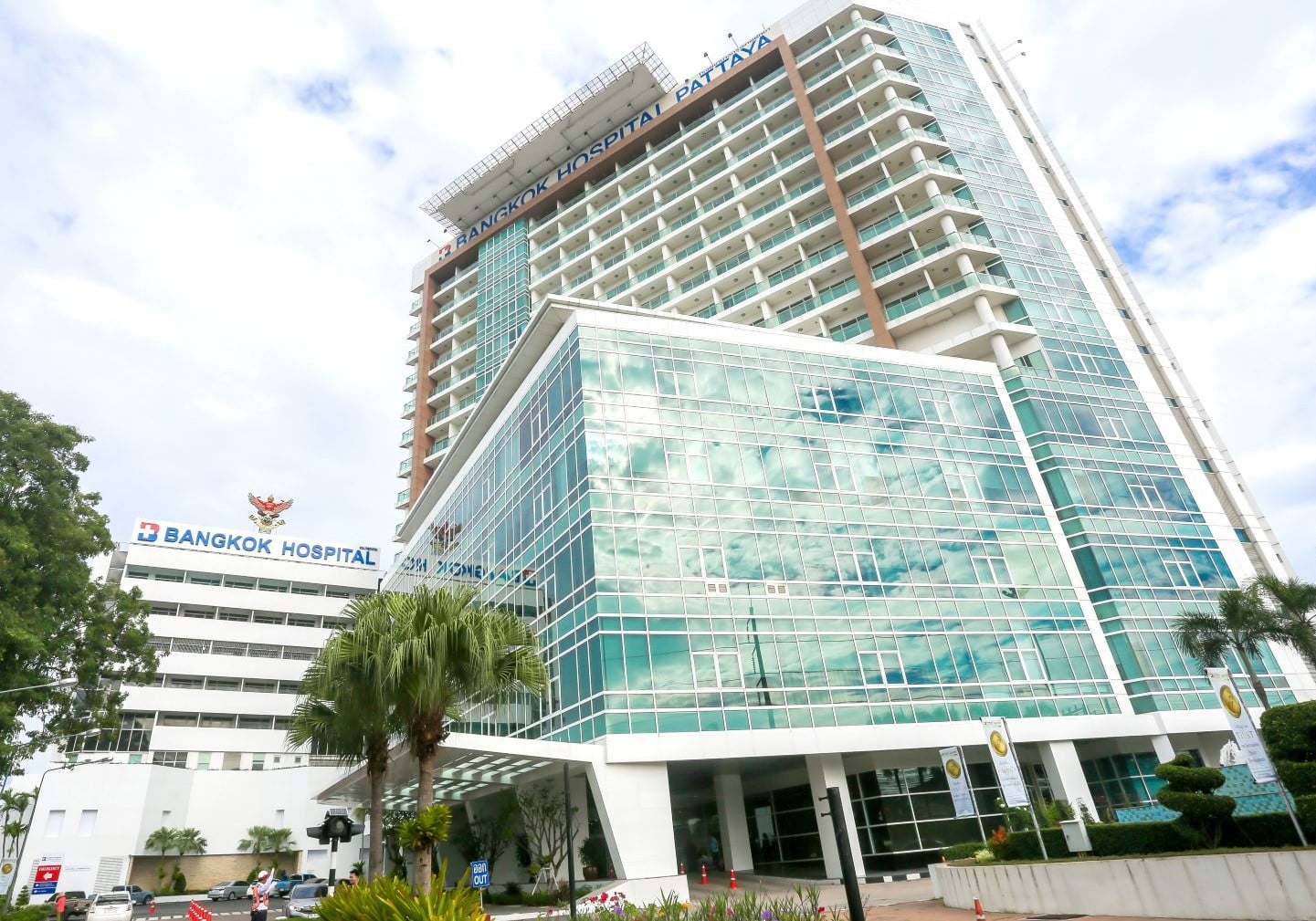
| Bangkok Hospital Pattaya Pattaya | 4.0 | Forty percent of international medical tourists pick Bangkok Hospital Pattaya. It treats over 400,000 patients yearly from 150 countries and holds JCI accreditation. Part of the Bangkok Dusit Medical Services group, its top specialties are cardiology and cosmetic surgery. Heart Center performs coronary bypass surgery without a heart-lung machine. Received the Prime Minister's Export Award for services to international patients. Digital Mammogram with Tomosynthesis offers 2D and 3D breast imaging in 10 seconds with less pain. 128-Slice CT scans coronary arteries in 4 seconds with 90% accuracy. Accredited by TEMOS and certified under ISO 9001 by TÜV NORD. | JCI, ISO, TEMOS | — | — |
Where to get a Chemotherapy for lung cancer in Thailand
In Thailand, patients can seek chemotherapy for lung cancer in Bangkok or Pattaya , and clinic choice is comparable between the cities. Bangkok suits patients who prefer a major-metro setting, with Suvarnabhumi Airport about 25 km from the center.
Our Chemotherapy for lung cancer techniques
Platinum doublet chemotherapy for NSCLC is usually chosen when you have advanced NSCLC and need first-line systemic treatment, because two chemotherapy drugs are given together for NSCLC. Platinum-etoposide chemotherapy for small cell lung cancer suits you if you have limited- or extensive-stage SCLC, because two medicines work together to treat small cell lung cancer.
Chemotherapy for lung cancer recovery timeline: what to expect week by week
You can usually fly home 1–3 days after each cycle, with your doctor's approval, once nausea, hydration, and blood counts are stable. You may return to desk work in 7–21 days, often with reduced hours between cycles, depending on fatigue, blood counts, and your job. Light walking is encouraged early, while you may resume exercise in 1–4 weeks depending on fatigue, blood counts, and your oncologist's clearance. Your final result is usually assessed in 2–4 months with imaging after 2–4 cycles; timing depends on stage, histology, and regimen.
Infusion day
You receive premedication, intravenous chemotherapy, and hydration in the infusion unit, then go home. The infusion causes little pain beyond IV line placement, so rest afterward and avoid driving if sedated.
Days 1–5
Nausea, fatigue, and appetite loss are common during these days. Take antiemetics as prescribed, maintain fluids, and fly home 1–3 days after each cycle with your doctor's approval once nausea, hydration, and blood counts are stable.
Days 7–14
Your blood counts reach their lowest point, increasing infection risk, and hair loss may begin. A blood count check is often done locally, and you should avoid crowds and sick contacts.
Days 15–21
Blood counts recover, and your energy may improve before the next cycle. The next cycle proceeds only if your blood counts are adequate.
After final cycle
Recovery is gradual over several weeks, with imaging to check your response. Monitor numbness or tingling (neuropathy) and hearing changes with your care team.
When to contact your clinic: Contact your clinic urgently for a fever above 38°C. Seek emergency help for sudden breathlessness, chest pain, or coughing up blood.
Is a Chemotherapy for lung cancer in Thailand safe?
Traveling to Thailand for a Chemotherapy for lung cancer
Chemotherapy for lung cancer in Thailand: Video Reviews from Bookimed Patients
Thailand Chemotherapy for lung cancer Reviews at Bookimed: Discover Patients' Insights
View allShare this content
 Anna Leonova

FAQ about Chemotherapy for lung cancer in Thailand
Is chemotherapy for lung cancer in Thailand safe and certified?
Chemotherapy for lung cancer in Thailand is highly safe and strictly regulated by the Ministry of Public Health. Top-tier hospitals like Bumrungrad International Hospital maintain Joint Commission International (JCI) accreditation. These facilities follow global oncology protocols using FDA-approved drugs and multidisciplinary tumor boards to ensure precise treatment.
- International accreditation: Many private hospitals hold JCI and Global Healthcare Accreditation (GHA) standards.
- Specialized certification: Facilities often earn Clinical Care Program Certifications specifically for advanced oncology care.
- Expert qualifications: Thai oncologists frequently maintain board certifications from the US, Europe, or Australia.
- Regulatory oversight: The Thailand FDA monitors drug safety, quality control, and clinical trial compliance.
Bookimed Expert Insight: Thai medical centers like Bumrungrad report serving over 1 million patients annually from 190 countries. This massive international volume creates a high level of clinical proficiency. We see superior safety outcomes at clinics where doctors have 20+ years of experience. Large centers also offer AI-driven diagnostics that smaller clinics often lack.
Patient Consensus: Patients value the US-trained oncologists but emphasize the importance of self-advocating for regular CT monitoring. Bringing original pathology slides helps avoid repeat testing and ensures seamless continuity with home doctors.
How effective is lung-cancer chemotherapy in Thailand compared with global results?
Lung cancer chemotherapy in Thailand is highly effective, with leading Joint Commission International (JCI) accredited hospitals reporting a 45.5% response rate for advanced non-small-cell lung cancer (NSCLC). Outcomes at top-tier facilities like Bumrungrad International Hospital match Western clinical standards using identical evidence-based protocols and advanced medical technologies.
- Success rates: Leading Thai oncology centers report survival outcomes comparable to United States and European benchmarks.
- Clinical standards: Hospitals follow strict JCI and ISO guidelines, ensuring global safety and treatment consistency.
- Survival trends: The 3-year survival rate for NSCLC in Thailand rose significantly to 15.1% recently.
- Cost efficiency: Patients save 77% compared to US costs, averaging $4,200 to $6,500.
Bookimed Expert Insight: While basic chemotherapy protocols are identical to the US, the real advantage in Thailand is the lack of waiting lists. At centers like Bangkok Hospital Pattaya, treatment often begins within days of diagnosis. This speed is critical for lung cancer, where a two-week delay can impact staging and overall effectiveness.
Patient Consensus: Patients report that Thailand-based protocols for advanced stages mirror those in the US. They often highlight better side-effect management through integrated holistic care not typically available in Western clinics.
What are the common side effects and how are they managed during chemotherapy in Thailand?
Thai hospitals manage chemotherapy side effects like fatigue, hair loss, and nausea using international standards and integrative therapies. Facilities like Bumrungrad International Hospital utilize advanced anti-emetic protocols, scalp cooling, and digital symptom monitoring to maintain patient comfort and safety during lung cancer treatments.
- Nausea management: Clinicians use pre-treatment IV medications like Zofran or Akynzeo to prevent vomiting.
- Hair preservation: Specialized scalp cooling caps are often available to reduce hair follicle drug exposure.
- Fatigue support: Patients receive daily bloodwork and injections like Neulasta to maintain white blood cell counts.
- Neuropathy relief: Doctors manage nerve tingling with gabapentin and on-site acupuncture sessions for better mobility.
Bookimed Expert Insight: Data from top-tier clinics like Bumrungrad and Bangkok Hospital show a focus on proactive monitoring. While patients elsewhere might wait for symptoms to peak, Thai centers use digital QR-report systems. This allows nursing teams to intervene with hydration or medication before side effects like dehydration or fever become emergencies.
Patient Consensus: Many find the nausea management superior to Western standards, often describing the experience as nearly vomit-free. The availability of VIP suites also helps reduce the emotional isolation often felt during difficult middle cycles.
Who is considered an eligible candidate for lung-cancer chemotherapy in Thailand?
Eligible candidates for lung cancer chemotherapy in Thailand must demonstrate an ECOG Performance Status of 0 to 2, indicating they can manage daily activities independently. Medical eligibility depends on stable organ function, specifically confirmed through blood tests for liver, kidney, and bone marrow health before starting treatment.
- Performance status: Patients must be physically fit and typically able to walk without assistance (BMI over 18.5).
- Clinical staging: Treatment is standard for stage III or IV, and sometimes after surgery (adjuvant) for stages I-II.
- Organ function: Lab requirements include creatinine clearance over 60 and bilirubin levels under 1.5 times normal limits.
- Molecular profile: Oncologists prioritize genomic testing to determine if targeted therapies are more effective than traditional chemotherapy.
Bookimed Expert Insight: While public hospitals follow strict National Health Security Office (NHSO) guidelines, private centers like Bumrungrad International Hospital offer high-tech flexibility. Our data shows these facilities often integrate PET/CT staging faster for international patients, which can accelerate treatment eligibility for those with oligometastatic disease.
Patient Consensus: Many patients emphasize getting a full mutation panel immediately. They note that staying physically active is vital, as doctors may stop treatment if a patient’s performance status drops.
What is the typical treatment schedule and recovery timeline for chemotherapy in Thailand?
Chemotherapy in Thailand typically follows 21-day cycles over 3 to 6 months. Most lung cancer patients undergo 4 to 6 cycles with 1 to 2 weeks of acute recovery per session. Full energy levels and physical rebound generally occur within 1 to 3 months post-treatment.
- Cycle duration: Standard 21-day cycles include day 1 infusion followed by rest periods.
- Total sessions: Most patients complete 4 to 6 cycles over 12 to 18 weeks.
- Acute recovery: Fatigue and nausea typically resolve within 7 to 14 days per cycle.
- Treatment start: Private centers like Bumrungrad International Hospital often begin therapy within 2 weeks.
Bookimed Expert Insight: Thai private hospitals offer a significant speed advantage for international patients. While public facilities may have 4-week waits, centers like Bumrungrad International Hospital often move from PET scan to first infusion in just 7 days. This rapid turnaround is critical for managing aggressive stage III or IV lung cancers effectively.
Patient Consensus: Patients often recommend using local Thai ginger remedies alongside prescribed anti-nausea medication for better symptom control. Many find they can maintain light work schedules by the third cycle when utilizing integrated palliative care services.
Which oncological facilities in Thailand are known for lung-cancer chemotherapy?
Thailand features world-class oncology centers like Bumrungrad International Hospital and Wattanosoth Cancer Hospital, specializing in advanced lung cancer chemotherapy. These Joint Commission International accredited facilities integrate genetic testing and molecular profiling to customize treatments for non-small cell lung cancer using targeted therapies and immunotherapy.
- Bumrungrad International: Uses molecular testing for EGFR and ALK mutations to guide chemotherapy.
- Wattanosoth Hospital: Dedicated cancer facility offering chemotherapy, proton therapy, and comprehensive palliative support.
- Samitivej Sukhumvit: Known for combining chemotherapy with precise radiation protocols like gemcitabine regimens.
- Bangkok Hospital Pattaya: Serves as a major diagnostic and chemotherapy hub on the eastern coast.
Bookimed Expert Insight: Choosing a facility within the Bangkok Dusit Medical Services group, like Bangkok Hospital Pattaya, often provides seamless access to a vast network of 30 hospitals. This connectivity ensures that specialized diagnostic tools like Next-Generation Sequencing are readily available even outside the capital city.
Patient Consensus: Patients value the availability of personalized regimens and frequently highlight the helpfulness of international patient coordinators. Many suggest bringing a supply of anti-nausea medications as local availability can vary between hospital pharmacies.
How long should I plan to stay in Thailand for lung-cancer chemotherapy?
For lung cancer chemotherapy in Thailand, patients should plan an initial stay of at least 8 to 12 weeks. This timeframe covers 4 to 6 cycles of treatment plus a 2-week buffer for managing side effects or blood count complications like neutropenia.
- Treatment cycles: Infusions typically occur every 3 to 4 weeks at JCI-accredited facilities.
- Hospital observation: Expect 1 to 3 days in-hospital per cycle for infusions and monitoring.
- Initial monitoring: Stay 14 days after the first cycle to evaluate response and toxicity.
- Visa logistics: Secure a 60-day tourist visa plus a 30-day extension for full courses.
Bookimed Expert Insight: Thai medical hubs like Bumrungrad International Hospital serve over 1,000,000 patients annually and excel in managing international logistics. High patient volumes suggest that coordinating doctors are well-versed in handling visa extensions for treatment delays. Always choose a clinic with GHA or JCI accreditation to ensure these administrative support systems exist.
Patient Consensus: Patients emphasize building in extra time because blood counts can drop rapidly after the second cycle. Most recommend avoiding non-refundable return flights until your body responds predictably to the specific drug regimen.
Last review: Nov 20, 2026
Yesim Yildirim — 20 years of experience Medical oncologist, ESMO certified
Have a question about Chemotherapy for lung cancer in Thailand?
Ask a Bookimed medical coordinator about prices, clinics, techniques or your case. Write to us in the messenger you already use.
- Direct prices from clinics
- Free evaluation of your medical case
- Free personal assistance 24/7
Ask your question in a messenger
Tap a messenger to open a chat with a Bookimed medical coordinator.
Free and without obligation · Terms of use · Privacy policy