Chemotherapy for uterine cancer in Thailand: costs, clinics and reviews
Bookimed lists 2 chemotherapy for uterine cancer clinics in Thailand, in Bangkok and Pattaya, including ISO-certified and JCI-accredited clinics. These clinics are rated 4.6/5 in 131 verified patient reviews on Bookimed.

Last updated: Nov 18, 2026

Medically reviewed by
Yesim Yildirim
How it works
Bookimed is free for patients – clinics pay us a commission, and you pay the clinic its own price with no markup. Five steps to your chemotherapy for uterine cancer in Thailand:
Share your case
Tell us about your condition and share your latest medical reports and scans.
Get treatment plans
Your coordinator finds clinics that match your needs and helps you choose. Your preferred clinics then send personalized treatment plans and quotes for you to compare.
Plan your trip
We set treatment dates that work for you and help arrange your flights and accommodation.
Visit the clinic
Treatment may take several trips to the clinic. The clinic team starts your chemotherapy for uterine cancer on the first visit. We support you throughout your treatment.
Complete your treatment
Treatment usually takes 4–6 months and ends with a scan to check how treatment worked. Your coordinator stays in touch and helps arrange a follow-up if you need one.
Some clinics ask for a deposit. A $200 or €200 deposit paid through Bookimed comes off your clinic bill and is refundable up to 10 calendar days before your visit. A deposit paid to the clinic follows its own terms.
Chemotherapy for uterine cancer Prices by Clinic in Thailand










Get matched with the best doctors for Chemotherapy for uterine cancer
Tell us about your needs — and get 3 tailored offers from top doctors for you.
Do you have any medical records related to your issue?
Direct prices from clinics
Free evaluation of your medical case
Free personal assistance 24/7
Thailand Chemotherapy for uterine cancer overview
Cost and clinics
| Typical chemotherapy for uterine cancer price in Thailand | Clinics | Accreditations | Cities |
|---|---|---|---|
| $3,500 / ฿119,000–$6,500 / ฿221,000 | 2 clinics | ISO (2 clinics), JCI (2), GHA (1), TEMOS (1) | Bangkok (1 clinic), Pattaya (1) |
The procedure
| Before the trip | Time in Thailand | Nights in hospital | Time per infusion | Anesthesia | Back to desk work | Final result per course |
|---|---|---|---|---|---|---|
| Complete staging imaging and blood tests, plan venous access, check hearing and neuropathy, screen dental and infections, exclude pregnancy | 6 visits, one every 3 weeks (first trip 1–3 days) | None (outpatient procedure) | 4–7 hours | None | 3–10 days | 4–6 months |
How much does a Chemotherapy for uterine cancer cost in Thailand?
Chemotherapy for uterine cancer in Thailand typically costs from $3,500 / ฿119,000 to $6,500 / ฿221,000. Total pricing depends on the specific drug regimen, number of cycles, and cancer stage.
| Thailand | Turkey | Austria | |
|---|---|---|---|
| Chemotherapy for uterine cancer | ≈ $3,500 / ฿119,000 | from $3,000 / ฿102,000 | ≈ $5,500 / ฿187,000 |
How to choose a Chemotherapy for uterine cancer clinic in Thailand
For chemotherapy for uterine cancer in Thailand, compare clinic locations, consult the clinician, ask about qualifications and facilities, discuss complications, and arrange aftercare.
What to check
City shortlist
Bookimed lists 2 clinics for chemotherapy for uterine cancer in Thailand, in Bangkok and Pattaya.Doctor consultation
Before booking, review your medical history with the clinician. Ask whether the clinician you meet will provide chemotherapy for uterine cancer and has training and certification in cancer care.Credentials and standards
Ask whether the doctor is licensed by the Medical Council of Thailand, and request direct answers about the clinic’s facilities.Treatment discussion
Request an honest explanation of possible complications and side effects before agreeing to chemotherapy for uterine cancer.Aftercare plan
Agree who will handle follow-up after you leave Thailand and how your medical notes will be transferred.
Discover Chemotherapy for uterine cancer Clinics in Thailand
| Clinic Name | Patient Rating | About | Accreditations | Lead Doctor | Techniques |
|---|---|---|---|---|---|
| Bumrungrad International Hospital Bangkok | 4.6 (131 reviews) | Bumrungrad International Hospital treats over 1 million patients annually, including many international cases. The oncology department provides specialized care for uterine cancer, supported by advanced treatment protocols. Dr. Surasit Saleh Issarachai, an oncologist and oncohematologist with expertise in bone marrow transplants, leads complex cases. | ISO, JCI, GHA | CT (computer tomography), PET/CT | |
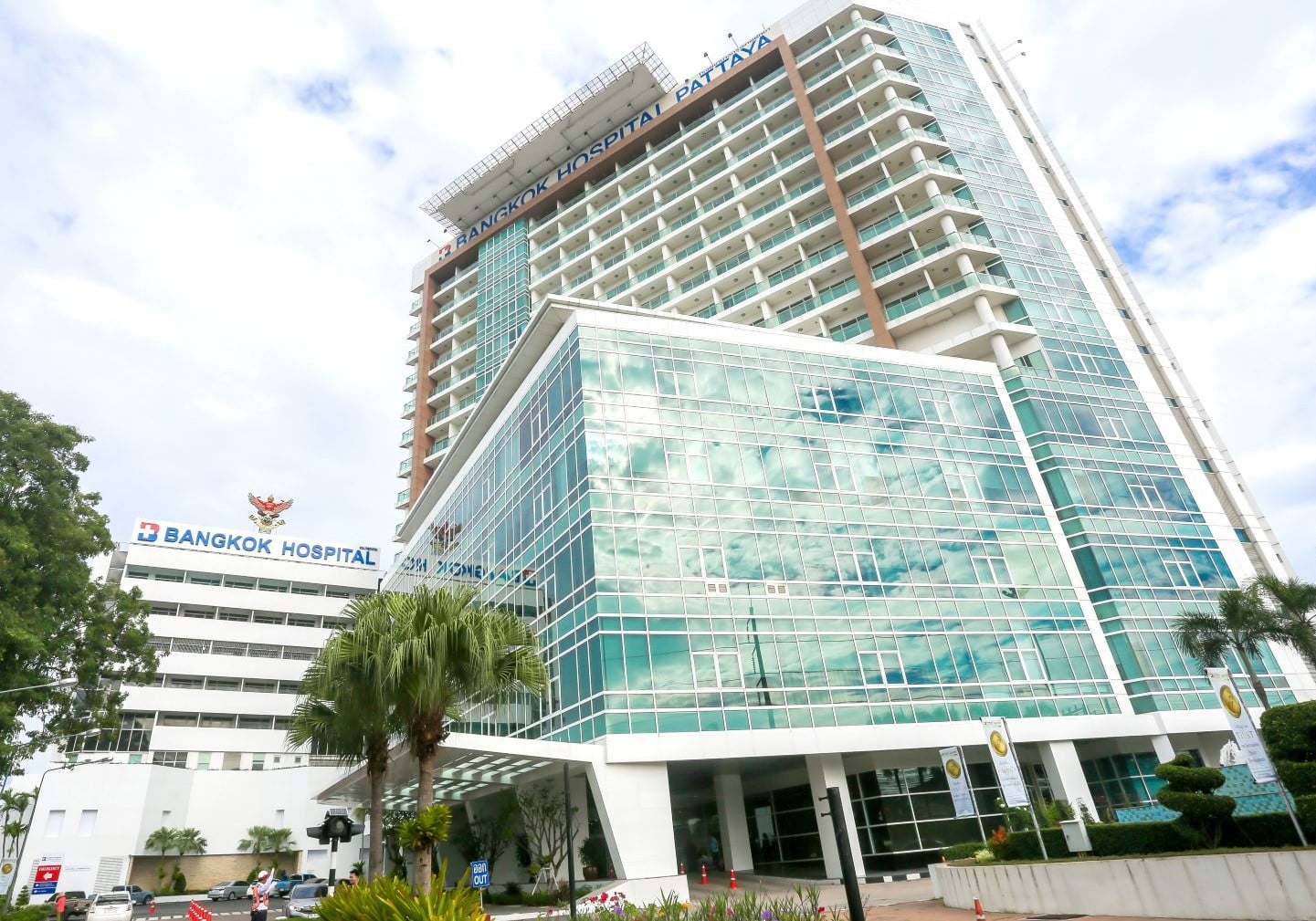
| Bangkok Hospital Pattaya Pattaya | 4.0 | Forty percent of international medical tourists pick Bangkok Hospital Pattaya. It treats over 400,000 patients yearly from 150 countries and holds JCI accreditation. Part of the Bangkok Dusit Medical Services group, its top specialties are cardiology and cosmetic surgery. Heart Center performs coronary bypass surgery without a heart-lung machine. Received the Prime Minister's Export Award for services to international patients. Digital Mammogram with Tomosynthesis offers 2D and 3D breast imaging in 10 seconds with less pain. 128-Slice CT scans coronary arteries in 4 seconds with 90% accuracy. Accredited by TEMOS and certified under ISO 9001 by TÜV NORD. | JCI, ISO, TEMOS | — | — |
Our Doctors
View all Doctors
Surasit Saleh Issarachai
The doctor is an experienced oncologist and oncohematologist with a specialization in bone marrow transplants. They have dedicated their career to advancing treatments in oncology and hematology, focusing on innovative therapies and patient care. The doctor has contributed significantly to clinical research in their field, enhancing treatment protocols and improving patient outcomes. Their work in bone marrow transplantation is particularly notable, with a track record of successful procedures and improved survival rates for patients.
Where to get a Chemotherapy for uterine cancer in Thailand
In Thailand, patients can consider Bangkok or Pattaya for chemotherapy for uterine cancer, with each city offering a different travel and recovery setting. Bangkok is the capital and largest city, and Suvarnabhumi Airport is 30 km from the city center, which can help patients plan their arrival.
Chemotherapy for uterine cancer recovery timeline: what to expect week by week
You can usually fly home 1–3 days after each infusion with your doctor's approval. This depends on nausea, fatigue, clinician clearance, and early blood-count or infection risk, and you should not fly if you have a fever. Plan to return to desk work in 3–10 days, depending on fatigue and your treatment cycle, and resume light activity as tolerated within 1–3 weeks between cycles. Imaging checks your response after about six cycles over 18 weeks, with final results in 4–6 months.
Infusion day
Carboplatin and paclitaxel are given over about 4–7 hours with premedication. The infusion is mostly painless apart from the cannula, so arrange transportation home.
Days 1–7
Nausea, fatigue, and aches may peak, while blood counts can be lowest around days 7–14. With clinician clearance, you may fly home 1–3 days after infusion. Avoid crowds and sick contacts.
Days 8–21
Your blood counts recover, and your energy may improve before the next cycle. A blood count check is due 7–14 days after the first cycle, with review and blood tests before each next cycle. Avoid strenuous exertion.
Weeks 15–20
After the final cycle, your blood counts recover, and you can gradually return to full activity. Imaging at about 4 months checks your response to treatment.
When to contact your clinic: Contact your clinic promptly for fever or shivering, or unexplained bruising or bleeding. Seek emergency care for painful leg swelling. For chest pain or sudden breathlessness after a long flight, seek emergency help locally.
Is a Chemotherapy for uterine cancer in Thailand safe?
Traveling to Thailand for a Chemotherapy for uterine cancer
Chemotherapy for uterine cancer in Thailand: Video Reviews from Bookimed Patients
Thailand Chemotherapy for uterine cancer Reviews at Bookimed: Discover Patients' Insights
View allShare this content
 Anna Leonova
FAQ about Chemotherapy for uterine cancer in Thailand
What are the standard chemotherapy regimens used in Thailand for uterine cancer?
Standard uterine cancer chemotherapy in Thailand primarily uses the Paclitaxel and Carboplatin (TC) regimen. This first-line treatment follows 2025 Thai Gynecologic Cancer Society guidelines. High-risk or recurrent cases often receive these intravenous infusions every 21 days for 6 cycles at JCI-accredited facilities.
- First-line protocol: Over 97% of Thai oncologists use the Paclitaxel and Carboplatin combination.
- Sarcoma variations: Doctors often prescribe Doxorubicin and Ifosfamide (AI regimen) for uterine sarcoma.
- Advanced options: High-risk cases may include Bevacizumab to improve outcomes alongside standard drugs.
- Secondary treatment: Doxorubicin combined with Cisplatin is the most frequent second-line choice nationwide.
Bookimed Expert Insight: Patients prioritize facilities like Bumrungrad International because they offer 24/7 in-hospital infusion oversight. While US clinics often use home pumps, Thai private hospitals provide constant clinical monitoring. This reduces the risk of immediate adverse reactions during your 6-cycle treatment plan.
Patient Consensus: Patients recommend bringing cooling caps and electrolyte drinks to manage side effects. Many note that private care ensures English-speaking staff and faster scheduling than public systems.
How do Thai doctors determine if chemotherapy is necessary after surgery?
Thai oncologists determine chemotherapy necessity by evaluating surgical pathology reports against FIGO staging and high-risk markers. Verification focuses on myometrial invasion depth, lymphovascular space invasion (LVSI), and tumor grade. Clinics like Bumrungrad International Hospital utilize PET-CT scans and molecular testing to confirm metastasis risk before prescribing systemic treatment.
- Pathological staging: Doctors assess spread to lymph nodes or nearby organs using FIGO guidelines.
- Tumor grading: Aggressive grade 3 cells often require chemotherapy even in early clinical stages.
- High-risk markers: Positive surgical margins or myometrial invasion over 50% trigger immediate treatment recommendations.
- Molecular profiling: Testing for p53 or HER2 biomarkers predicts how tumors respond to specific drugs.
- Performance status: Evaluation of heart and kidney function ensures patients can tolerate platinum-based regimens.
Bookimed Expert Insight: While many international protocols default to aggressive treatment, Thai specialists at JCI-accredited centers often prioritize targeted PET-CT imaging post-surgery. This data-driven approach helps some patients safely choose observation or radiation over chemotherapy. This is common when imaging confirms no occult metastases in grade 1 or 2 cases.
Patient Consensus: Patients emphasize requesting a full pathology report and second opinion on staging. Many found that confirming `clear` PET-CT scans helped them avoid unnecessary chemotherapy treatments.
Which hospitals in Thailand are recommended for uterine cancer treatment?
Recommended hospitals for uterine cancer in Thailand include JCI-accredited facilities like Bumrungrad International and Bangkok Hospital. These centers offer advanced chemotherapy, laparoscopic surgery, and ESMO-certified oncology care. Patients benefit from multidisciplinary teams specializing in gynecologic medical oncology across Bangkok and Pattaya.
- Bumrungrad International: Features the Horizon Regional Cancer Center with IBM Watson AI diagnostics.
- Bangkok Hospital: Home to Wattanosoth Cancer Hospital, an ESMO-designated center for integrated care.
- Expert surgical care: Surgeons at MedPark and Vejthani specialize in minimally invasive hysterectomy.
- International standards: Facilities maintain JCI accreditation, ensuring high patient safety and quality.
Bookimed Expert Insight: While many choose Bangkok, Bangkok Hospital Pattaya offers equivalent JCI-standard care for the East coast. This clinic serves 400,000 patients annually and provides a quieter recovery environment. It is a strategic alternative to the busy capital for long-term chemotherapy cycles.
Patient Consensus: Patients frequently praise Bumrungrad for its world-class equipment and English-speaking staff. Many recommend planning 2-4 week stays per cycle to ensure proper monitoring after treatment.
What immunotherapy options are there for uterine cancer in Thailand?
Thailand offers advanced immunotherapy for uterine cancer using FDA-approved checkpoint inhibitors like Pembrolizumab and Dostarlimab. Leading JCI-accredited centers in Bangkok provide these targeted treatments, often combining them with carboplatin-paclitaxel chemotherapy for advanced or recurrent endometrial cases with specific biomarkers like dMMR or MSI-H.
- Available drugs: Specialized centers provide Pembrolizumab (Keytruda), Dostarlimab (Jemperli), and Durvalumab.
- Cellular therapies: Clinics offer NK cell therapy and Dendritic Cell vaccines as supplementary treatments.
- Top facilities: Bumrungrad International Hospital and Bangkok Hospital specialize in complex oncology protocols.
- Diagnostic requirements: Patients must undergo MSI-H or dMMR biomarker testing to qualify for treatment.
Bookimed Expert Insight: Bumrungrad International Hospital serves over 500,000 international patients annually and maintains JCI accreditation. Data shows they manage complex stage 4 cases that provincial hospitals cannot. Patients should confirm medication inventory directly with the hospital pharmacy before traveling. Some Bangkok centers also provide access to international clinical trials for newer immunotherapy drugs.
Patient Consensus: Patients often find that English-speaking oncologists are concentrated in Bangkok. Many recommend budgeting for cash payments upfront as private insurance pre-authorization for immunotherapy is rare.
What are the typical side effects of chemotherapy and how are they managed in Thai clinics?
Thai oncology clinics manage chemotherapy side effects like nausea, fatigue, and hair loss through proactive pre-medication and multidisciplinary support. JCI-accredited facilities move beyond reactive care by combining advanced anti-emetics with specialized nutrition and scalp cooling technologies to maintain patient quality of life during uterine cancer treatment.
- Nausea control: Clinics provide IV Zofran or Akynzeo combos before infusions to prevent peak symptoms.
- Hair preservation: Advanced scalp cooling (cold caps) helps patients retain up to 60% of their hair.
- Fatigue management: Doctors pre-emptively start B6/B12 supplements and Gabapentin on the first day of treatment.
- Immune support: Specialists use Neupogen shots and daily bloodwork to prevent infection and hospital stays.
Bookimed Expert Insight: Thai clinics like Bumrungrad International Hospital leverage their massive international volume to perfect symptom timing. Their oncologists often prescribe custom magic mouthwashes containing Lidocaine before sores even appear. This preventative approach is a hallmark of Southeast Asia’s most technologically advanced centers.
Patient Consensus: Patients value the constant emotional support and recommend using strong local flavors like Thai curries to counter the metallic taste caused by drugs. Many suggest keeping a symptom journal to help English-speaking staff adjust medications during weekly check-ins.
Last review: Nov 18, 2026
Yesim Yildirim — 20 years of experience Medical oncologist, ESMO certified
Have a question about Chemotherapy for uterine cancer in Thailand?
Ask a Bookimed medical coordinator about prices, clinics, techniques or your case. Write to us in the messenger you already use.
- Direct prices from clinics
- Free evaluation of your medical case
- Free personal assistance 24/7
Ask your question in a messenger
Tap a messenger to open a chat with a Bookimed medical coordinator.
Free and without obligation · Terms of use · Privacy policy