Chemotherapy for uterine cancer in Turkey — get 3 personalized clinic matches
Chemotherapy for uterine cancer in Turkey costs $3,000 to $4,800, compared with about $23,000 in the US (Bookimed data, November 2026). Bookimed lists 4 chemotherapy for uterine cancer clinics in Turkey, all in Istanbul. These clinics are rated 4.4/5 in 376 verified patient reviews on Bookimed.

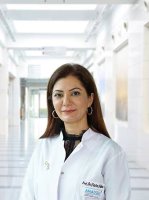
Medically reviewed by
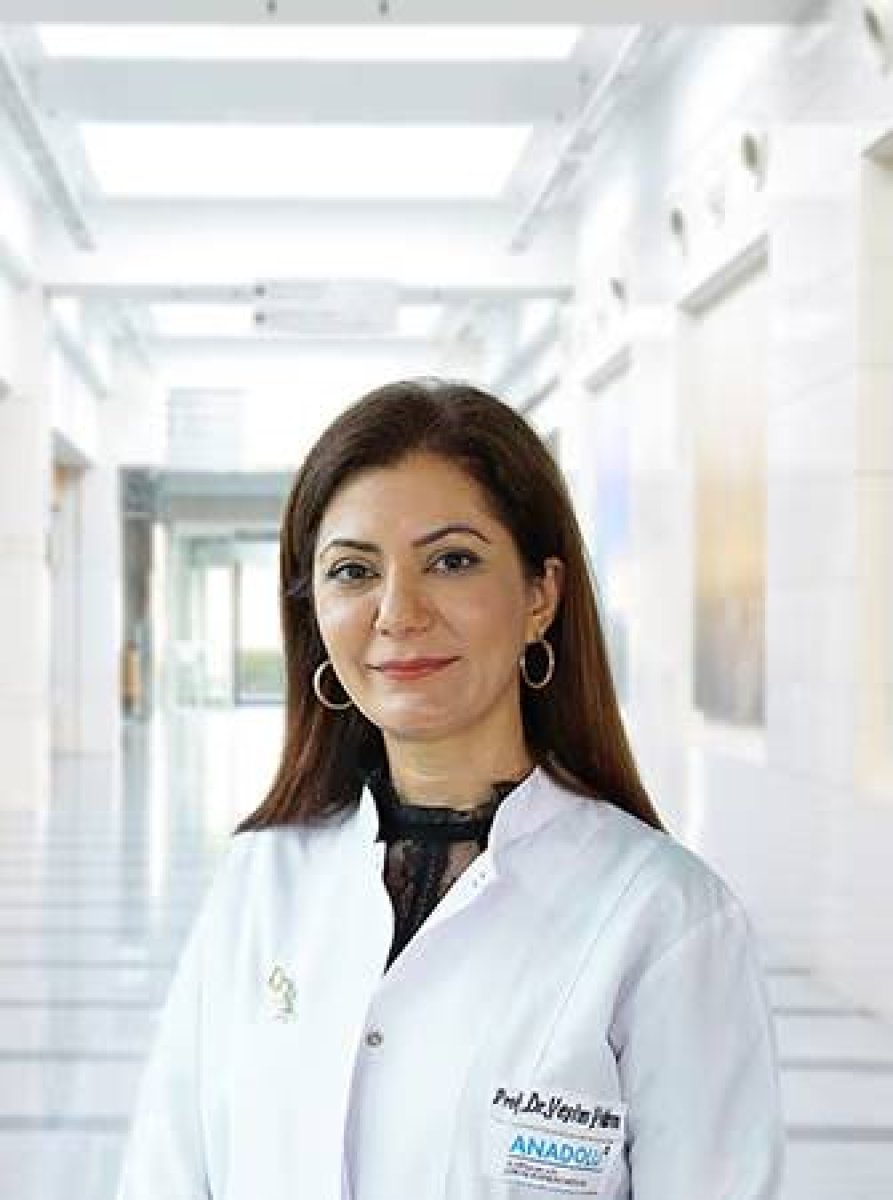
Yesim Yildirim
How it works
How Much Does Chemotherapy for uterine cancer Cost in Turkey?
Chemotherapy for uterine cancer in Turkey typically costs from $3,000 to $4,800. The total expense depends on the drug protocol, cancer stage, and chosen hospital tier. In the US, the average price for similar treatment is $23,000. Patients can achieve a country-to-country savings of approximately 83%. Most Turkish oncology programs include specialist consultations, blood panels, and routine monitoring.
- Protocol type: Standard cytotoxic drugs are baseline, while targeted therapies or immunotherapies increase costs.
- Hospital location: Major medical hubs include Istanbul and Ankara, which host top-tier private facilities.
- Inpatient vs outpatient: Most cycles are outpatient, but complications requiring hospitalization will increase the budget.
- Combined treatments: Concurrent radiotherapy or staging surgery like hysterectomy will incur separate hospital fees.
Bookimed Expert Insight: Choosing JCI-accredited centers like Anadolu Medical Center or Memorial Sisli offers US-standard care at lower costs. Anadolu is affiliated with Johns Hopkins Hospital, providing access to elite protocols. While Hisar Hospital offers packages around $6,500, premium centers like Medipol can reach $40,000 for complex cases. For the best value, look for clinics with ESMO-certified oncologists to ensure international treatment standards.
| Turkey | Austria | Spain | |
|---|---|---|---|
| Chemotherapy for uterine cancer | from $3,000 | ≈ $5,500 | from $2,500 |
Discover the Best Chemotherapy for uterine cancer Clinics in Turkey: 23 Verified Options and Prices









Hisar Hospital Intercontinental
Mustafa Solak





Memorial Ankara Hospital


Memorial Ataşehir Hospital
Kamil Yalçın Polat







Central Hospital
Chemotherapy for uterine cancer Overview in Turkey
- Chemotherapy - from $1,000This therapy treats cancer by using drugs to destroy cancer cells and prevent their growth.
- Hyperthermic Intraperitoneal Chemotherapy (HIPEC) - from $18,000The operation heats chemotherapy drugs and applies them directly inside the belly to kill hidden cancer cells.
- Intraarterial chemotherapy - from $5,000This therapy delivers cancer-fighting drugs directly to the tumor, improving treatment effectiveness and reducing side effects.
- Chemotherapy for liver cancer - from $3,000This therapy targets and kills cancer cells in the liver, using drugs given by mouth or injection.
- Chemoembolization of the liver - from $10,500This therapy combines cancer-killing drugs and blockage of blood supply to shrink liver tumors rapidly and effectively.
- Chemotherapy for lung cancer - from $800This therapy utilizes drugs to kill lung cancer cells, often given via injection or oral tablet, enhancing survival rates.
- Chemotherapy for prostate cancer - from $1,500This therapy uses drugs to kill prostate cancer cells, delivered through veins or pills, enhancing survival rates.
- Chemotherapy for uterine cancer - from $3,000This therapy uses drugs to kill cancer cells in the uterus, effectively controlling disease progression.
- Chemotherapy for pancreatic cancer - from $1,500This therapy uses drugs to destroy pancreatic cancer cells, helping to shrink tumors and ease symptoms.
- Chemotherapy for breast cancer - from $4,700This therapy targets and destroys breast cancer cells, using powerful drugs, enhancing survival and recovery rates.
- Chemotherapy for ovarian cancer - from $1,700This therapy treats ovary tumors using drugs specific to kill cancer cells, enhancing survival rates.
- Chemotherapy for esophageal carcinoma - from $1,700This therapy uses potent drugs to kill esophageal cancer cells, preventing their spread and improving patient survival rates.
- Chemotherapy for Brain Tumor - from $1,000This therapy involves using drugs to shrink or kill brain cancer cells, providing an effective, non-surgical option.
- Lymphoma chemotherapy - from $3,300This therapy treats lymphoma by killing cancer cells, using powerful drugs through injection or pill form.
- Leukemia chemotherapy - from $14,600This therapy treats blood cancer using strong medicines, aiming to destroy harmful cells completely.
Day 1 - Arrival
- Arrive at the hospital for admission.
- Complete necessary paperwork and discuss payment options.
- Settle into your room and prepare for pre-operative consultations.
Day 2 - Pre-Operation
- Consult with specialists: oncologist, gynecologist, and anesthesiologist.
- Undergo necessary medical tests: blood tests, CT scan, MRI.
- Review your medical history and current health status.
- Discuss and understand the Chemotherapy process and potential side effects.
Day 3 - Chemotherapy
- Arrive at the treatment room.
- Receive IV line placement for Chemotherapy administration.
- Undergo Chemotherapy treatment. This may take 1-3 hours.
- No anesthesia necessary as Chemotherapy is not a surgical procedure.
Day 4 - Post-Treatment
- Rest and recover in your room.
- Monitor for any immediate side effects under the nurse"s supervision.
- Stay in the hospital for observation. This may last 24-48 hours.
Weeks 1-6 - Rehabilitation
- Follow-up with your oncologist for assessment and further treatment plans.
- Manage any side effects with prescribed medication and rest.
- Light activity such as walking is encouraged after week 2.
- Resume work, if well enough, after 4 weeks.
- Return to normal activities, including sport, after 6 weeks.
Please note that each patient"s experience with Chemotherapy varies. Always follow your healthcare provider"s advice.
- Bookimed deposit: $200 or €200.
- Clinic deposit: Pay a set percentage in advance.
Our Trusted Doctors
View all Doctors
Bulent Karagoz
Dr. Bulent Karagoz is a medical oncologist at Anadolu Medical Center in Istanbul. He specializes in immunotherapy and targeted therapies for sarcoma, lymphoma, and lung cancer. Dr. Karagoz provides treatment at a facility affiliated with the prestigious Johns Hopkins Hospital.
- Authored over 40 research publications focusing on tumor biology and immunology.
- Former Head of Internal Diseases at Istanbul Okan University Faculty of Medicine.
- Held leadership roles in medical oncology at GATA Haydarpasa Training Hospital.
- Member of the Turkish Medical Oncology Association and European Head and Neck Society.

Prof. Sezer Sağlam
Prof. Sezer Sağlam specializes in medical oncology with a focus on uterine cancer at Gayrettepe Florence Nightingale Hospital.
- Professor of Medical Oncology since 2016
- Fellowship-trained at Istanbul University
- Member of ESMO, ASCO, and Turkish Medical Oncology Association
- Over 27 years of experience in oncology

Sinan Karaaslan
Dr. Sinan Karaaslan is a medical oncologist at Anadolu Medical Center in Istanbul. He specializes in treating breast, colorectal, and urogenital system cancers. Dr. Karaaslan brings clinical expertise from major institutions, including Medical Park and Gülhane Military Medical Academy. He works at a hospital affiliated with the Johns Hopkins Hospital.
- Holds personal certification from the European Society for Medical Oncology.
- Treats complex conditions, including stage 4 colon and lung cancers.
- Member of the Turkish Medical Oncology and Turkish Lung Cancer societies.
- Performs systemic therapies such as immunotherapy, targeted therapy, and chemotherapy.
Mustafa Solak
Specializes in chemotherapy for uterine cancer at Hisar Hospital Intercontinental, with training at Hacettepe University Cancer Institute.
- Completed fellowship at a top cancer institute
- Experienced in treating various cancers including ovarian and breast
- Trained at The University of Texas MD Anderson Cancer Center
Video Stories from Bookimed Patients
Reviews about Bookimed: Discover Patients' Insights
All reviewsShare this content
 Anna Leonova
FAQ about Chemotherapy for uterine cancer in Turkey
Is chemotherapy for uterine cancer in Turkey considered safe and effective?
Chemotherapy for uterine cancer in Turkey is highly safe and effective, utilizing international NCCN and ESMO protocols. Patients access JCI-accredited facilities and ESMO-certified oncologists who provide Taxol and carboplatin regimens identical to US standards, achieving survival rates between 80% and 90% for early-stage cases.
- Quality standards: Treatment occurs in JCI-accredited hospitals like Anadolu Medical Center, affiliated with Johns Hopkins Medicine.
- Expert credentials: Many oncologists, including Professor Bulent Karagoz, hold European Society for Medical Oncology board certifications.
- Advanced protocols: Clinics use modern targeted therapies and personalized treatment based on the tumor genetic profile.
- Cost savings: Treatment typically ranges from $1,000 to $2,900, saving patients approximately 83% versus US costs.
Bookimed Expert Insight: Data from major centers like Memorial Şişli and Anadolu reveals that Turkish oncology departments often provide more aggressive hydration protocols during IV sessions than many Western clinics. This proactive approach helps reduce nephrotoxicity risks, potentially making the experience safer for patients with sensitive kidney function.
Patient Consensus: Patients frequently highlight that the language barrier is non-existent due to dedicated translators. They emphasize that the care feels highly professional and well-organized, matching the medical quality found in the US or Europe.
What chemotherapy regimens are most commonly used for uterine cancer in Turkey?
Turkish oncology centers primarily utilize Carboplatin and Paclitaxel as the standard first-line chemotherapy regimen for uterine cancer, following ESMO and NCCN international guidelines. Specialized facilities in Istanbul incorporate advanced targeted therapies like Pembrolizumab or Lenvatinib for recurrent or high-risk cases to improve survival outcomes.
- Primary regimen: Carboplatin combined with Paclitaxel is administered every 3 weeks for 6 cycles.
- High-risk cases: Cisplatin and Doxorubicin are used for aggressive Stage 3 or recurrent cancers.
- Sarcoma protocols: Docetaxel and Gemcitabine are common for uterine leiomyosarcomas or specific recurrences.
- Targeted therapy: Trastuzumab is added for HER2-positive serous carcinomas at top-tier Istanbul centers.
Bookimed Expert Insight: Anadolu Medical Center maintains a strategic affiliation with Johns Hopkins Medicine, ensuring patients receive U.S. standard protocols. Our data shows that ESMO-certified professors like Yesim Yildirim emphasize genetic testing before starting chemo. This approach avoids trial-and-error by identifying if immunotherapy combinations like Pembrolizumab will be more effective than standard cytotoxic drugs.
Patient Consensus: Patients value the clinical transparency and modern facilities in Istanbul, noting that the language barrier is minimal due to professional translators. Many emphasize the importance of budgeting for supplementary hydration and anti-nausea medications, especially during the hot Turkish summer months.
Who is a good candidate for chemotherapy—and who might be advised against it?
Good candidates for chemotherapy typically present with high-risk or advanced uterine cancer, specifically stage 3 or grade 3 tumors. Eligibility requires a strong performance status, often measured as ECOG 0–2, and healthy organ function to safely process medication. Patients with early-stage, low-grade tumors may be advised against it.
- Tumor grade: Candidates with grade 3 tumors often require chemo to reduce recurrence risk.
- Disease stage: Standard treatment for stage 3 or 4 cases involves systemic drug therapy.
- Physical fitness: Patients must manage daily activities independently to withstand potential treatment toxicity.
- Organ health: Adequate kidney and liver function is essential for clearing chemotherapy drugs safely.
- Biomarker testing: Genetic profiling helps identify if specific tumors will respond to chemical agents.
Bookimed Expert Insight: Turkish oncology centers like Anadolu Medical Center follow Johns Hopkins Medicine protocols, offering a high-tier safety net. Data shows clinics with Joint Commission International (JCI) accreditation prioritize genomic testing before starting treatment. This precision approach helps about 20% of patients avoid unnecessary chemotherapy for low-risk, early-stage cancers.
Patient Consensus: Many patients emphasize the value of getting a second opinion on pathology before starting. They often report that clear communication with English-speaking staff in Istanbul reduces the emotional stress of treatment.
What are the most common side-effects of uterine-cancer chemotherapy in Turkey and how are they managed?
Uterine cancer chemotherapy in Turkey commonly causes nausea, fatigue, alopecia, and peripheral neuropathy. Turkish oncology centers, including JCI-accredited facilities like Anadolu Medical Center, manage these using international protocols, antiemetic medications, scalp cooling technology, and specialized physical therapy to maintain patient quality of life during treatment.
- Nausea management: Oncologists prescribe antiemetics like ondansetron alongside ginger chews and bland meals.
- Fatigue protocols: Specialists recommend high-protein nutrition, scheduled rest, and gentle physiotherapy to combat exhaustion.
- Hair preservation: Modern clinics utilize scalp cooling technology (cold caps) to minimize chemotherapy-induced alopecia.
- Neuropathy care: Nerve damage is managed with Vitamin B supplements, acupuncture, and specialized oncology rehabilitation.
Bookimed Expert Insight: Leading Turkish centers like Anadolu Medical Center follow U.S. treatment protocols through strategic collaborations with institutions like Johns Hopkins Medicine. This ensures patients receive the same drug regimens, such as Paclitaxel and Carboplatin, but at a cost of $1,000 to $2,900, which is significantly lower than the $23,000 US average.
Patient Consensus: Patients often describe fatigue as bone-deep exhaustion and emphasize the importance of tracking symptoms in a journal. Many recommend using ice gloves during infusions and stocking up on electrolyte drinks to manage side effects effectively.
How long is the typical chemotherapy treatment plan and what does recovery entail?
A typical chemotherapy plan for uterine cancer in Turkey lasts 3 to 6 months, usually consisting of 4 to 8 cycles. These cycles alternate active treatment days with 2 to 4 weeks of rest to allow healthy cell regeneration. Turkish oncology centers utilize international protocols like carboplatin and paclitaxel.
- Cycle structure: Sessions last from minutes to hours depending on the infusion method used.
- Treatment timeline: Total treatment duration usually spans 12 to 18 weeks of active therapy.
- Immediate recovery: Fatigue and nausea typically peak within the first 48 hours after infusion.
- The nadir: Blood counts hit their lowest point 7 to 14 days after treatment.
Bookimed Expert Insight: Turkish oncology centers like Anadolu Medical Center follow strict Johns Hopkins Medicine protocols, providing Western-standard care. While the procedure costs $1,000 to $2,900, saving you 83% compared to US averages, the quality remains high. Leading professors like Bulent Karagoz often recommend port placement before the first cycle to prevent vein complications during the 4 to 8 month journey.
Patient Consensus: Patients describe the exhaustion as bone-deep, noting that side effects often feel more intense during the final cycles. Many suggest focusing on mental health support as the cumulative physical toll can become emotionally challenging by the fifth cycle.
What supportive services are provided for international patients receiving chemotherapy in Turkey?
International patients in Turkey receive comprehensive supportive services including medical coordination, professional translation, and travel logistics. Major JCI-accredited centers like Anadolu Medical Center and Memorial Şişli Hospital provide dedicated international departments that sync US-protocol treatments with personal care management, airport transfers, and discounted local accommodation.
- Medical coordination: Personal case managers organize consultations and follow-up based on Johns Hopkins Medicine protocols.
- Language assistance: Professional interpreters provide multilingual support for medical consultations, pathology reviews, and hospital stays.
- Travel logistics: Clinics coordinate VIP airport-to-clinic transfers and offer preferential rates at nearby partner hotels.
- Clinical support: Integrated teams manage chemotherapy side effects through personalized nutrition plans and physical rehabilitation.
- Remote care: Digital platforms facilitate telehealth consultations with Turkish oncologists after patients return to their home.
Bookimed Expert Insight: Anadolu Medical Center stands out for quality because it holds both JCI accreditation and the ESMO designation for integrated oncology. Our data shows patients benefit most from their formal partnership with Johns Hopkins Medicine. This Ensures treatment follows strict US standards while using Istanbul-based personal coordinators to handle all non-medical logistics.
Patient Consensus: Patients value the attentive, highly qualified staff and report that the language barrier is nonexistent due to excellent translator services. many recommend booking your own long-term accommodation while using hospital-provided transfers for the initial diagnostic visits.
How much time should I plan to stay in Turkey during chemotherapy?
Plan for a stay of 20 to 30 days in Turkey for your first chemotherapy cycle to cover diagnostics, treatment, and the critical 10-day recovery period. While subsequent visits may be shorter, many patients choose 3 to 8 weeks on-site to ensure safe monitoring of blood counts.
- Initial workup: Arrive 3 days early for comprehensive bloodwork and staging scans.
- Infusion window: Treatment usually lasts 1 to 5 days as an outpatient.
- Monitoring period: Stay 7 to 12 days post-infusion to manage potential infection risks.
- Flight safety: Avoid flying for 7 days after treatment to prevent severe fatigue.
Bookimed Expert Insight: While clinics suggest 3 weeks, our data shows most international patients at Anadolu Medical Center spend 4 to 8 weeks for the first cycle. This extra time accommodates the Johns Hopkins-affiliated staging protocols and ensures you are past the nadir period before flying home.
Patient Consensus: Many patients recommend staying near the clinic with on-call access and suggest getting e-visa extensions ready early, as unexpected fever or low blood counts often delay return flights by several weeks.