To homepage

How it works

Bookimed is free for patients – clinics pay us a commission, and you pay the clinic its own price with no markup. Five steps to your occupational therapy with the Head computer mouse in Thailand:

  1. Share your case

    Tell us about your condition and share your recent medical reports.

  2. Get treatment plans

    Your coordinator finds clinics that match your needs and helps you choose. Your preferred clinics then send personalized treatment plans and quotes for you to compare.

  3. Plan your trip

    We set treatment dates that work for you and help arrange your flights and accommodation.

  4. Visit the clinic

    The clinic team starts your occupational therapy with the Head computer mouse on the agreed dates. We support you throughout your trip.

  5. Back home

    After 2–4 weeks at the clinic, you fly home, and computer-access skills stabilize over 2–6 months. Your coordinator stays in touch and helps arrange a follow-up if you need one.

Some clinics ask for a deposit. A $200 or €200 deposit paid through Bookimed comes off your clinic bill and is refundable up to 10 calendar days before your visit. A deposit paid to the clinic follows its own terms.

1M+ patient inquiries
32+ countries
3,234 partner clinics
12,472 certified doctors

Occupational therapy with the Head computer mouse Packages in Thailand

Sanpiti Rehabilitation CenterSanpiti Jin Wellbeing — Premium Stroke Rehabilitation Bangkok, Private Suite, Dedicated Physician, 3 Sessions/Day

Thailand, Bangkok

Songpoj Tanprasert

24 years of experience

Songpoj Tanprasert
Surgeon's portfolio
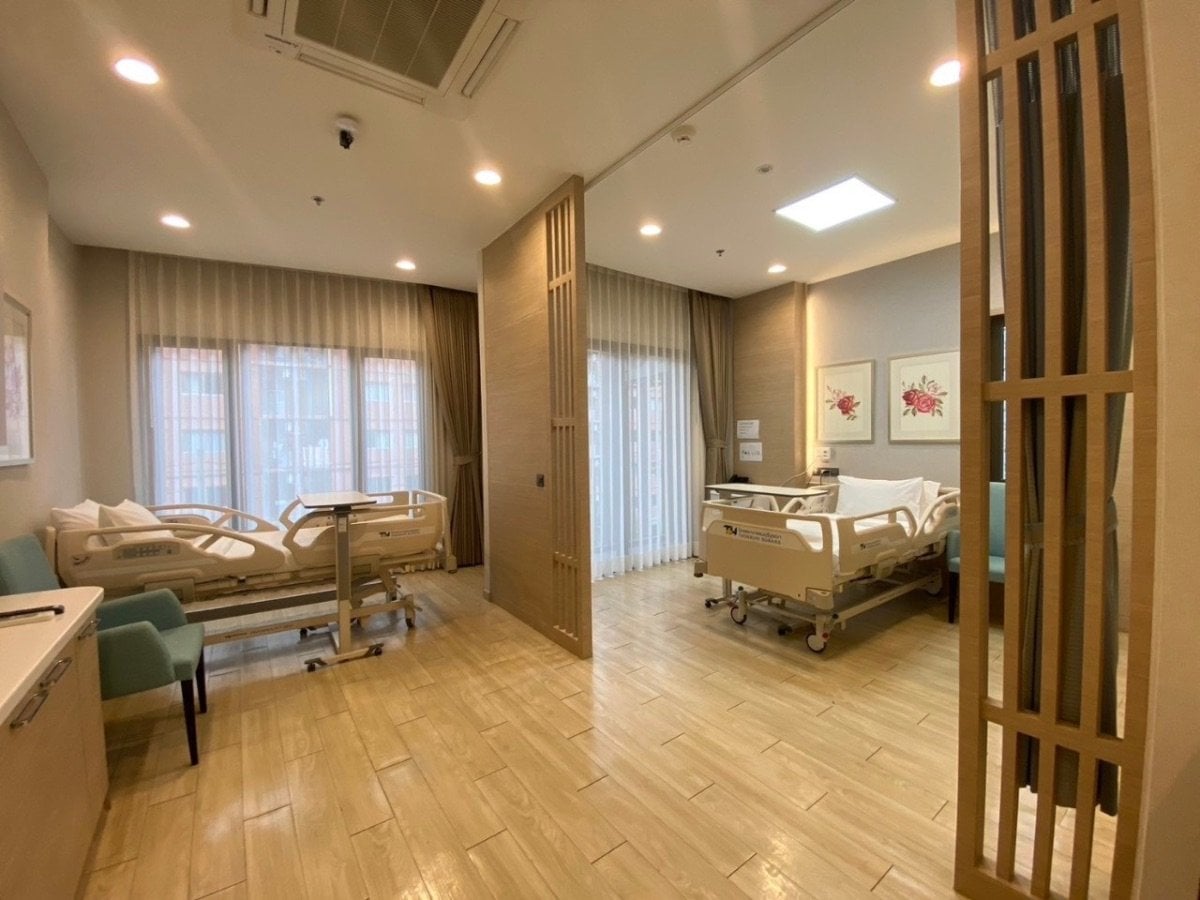
Modern patient recovery room at Sanpiti Rehabilitation Center for neurological rehabilitation
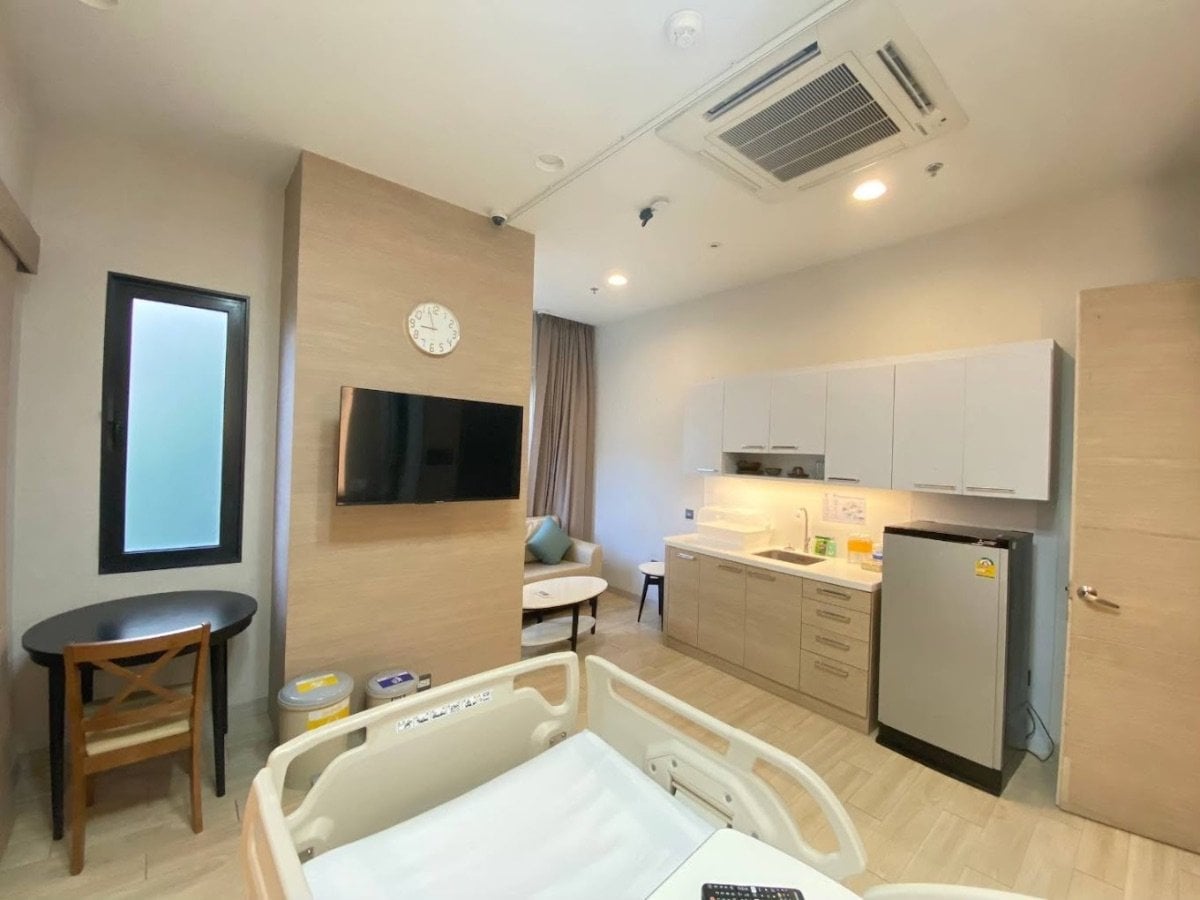
Modern patient room at Sanpiti Rehabilitation Center for neurological rehabilitation treatment
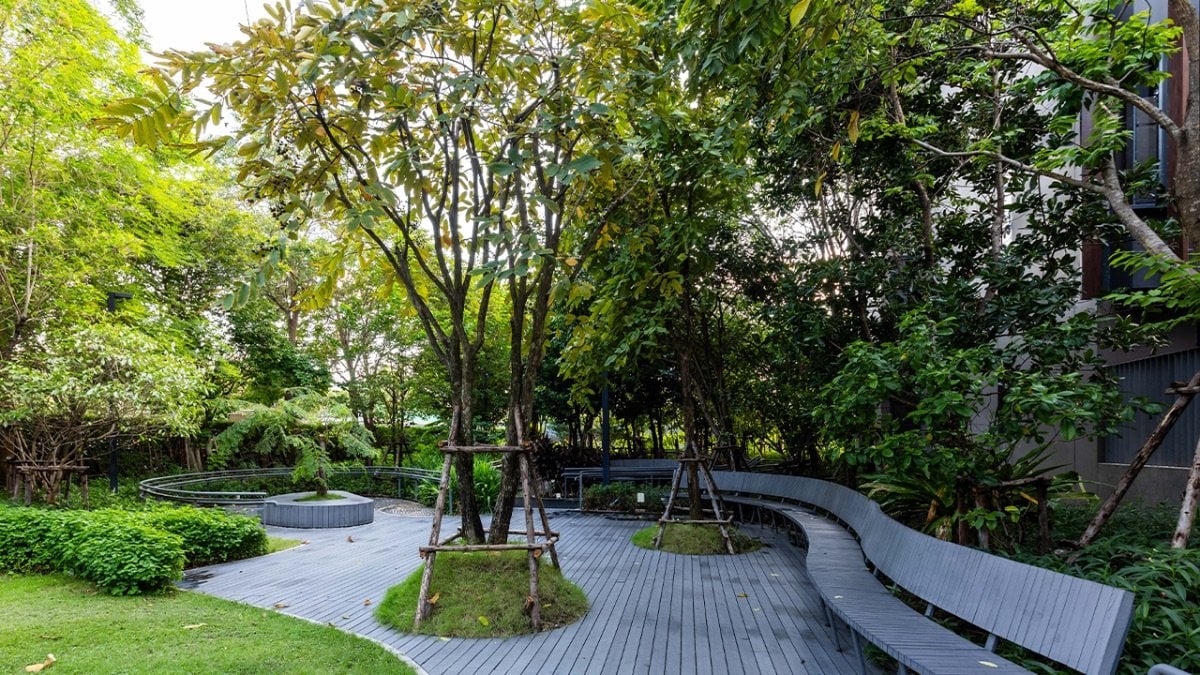
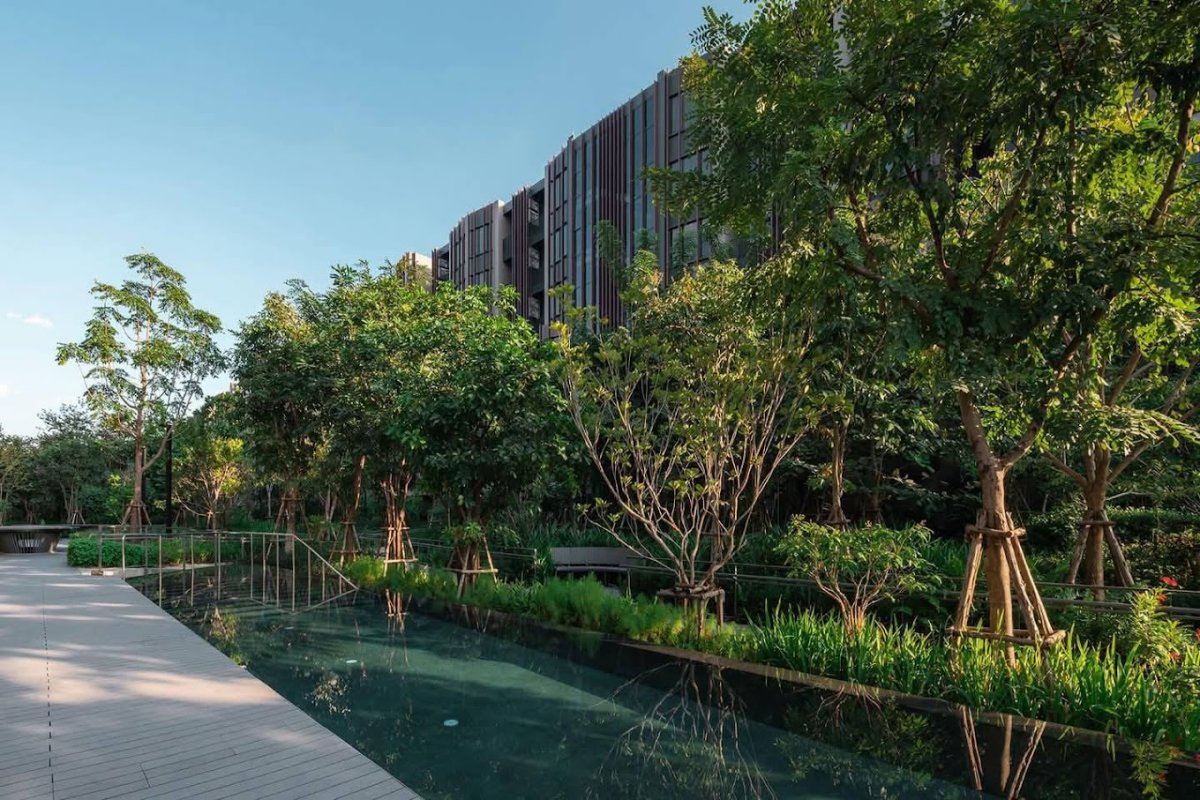
Sanpiti Rehabilitation Center garden area with walking path and benches for patient relaxation
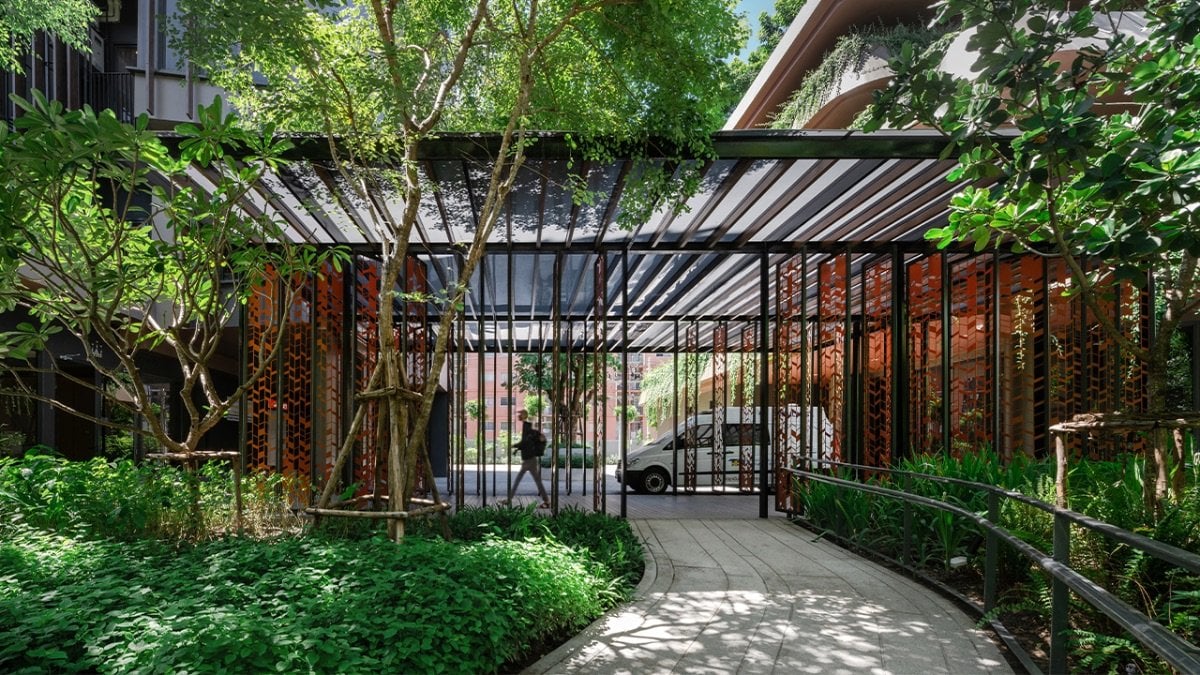
Sanpiti Rehabilitation Center entrance surrounded by lush greenery and modern architecture

Sanpiti Rehabilitation Center has supported 5,000+ families through specialized neurological recovery. The clinic applies the Bobath concept, focusing on retraining the nervous system and movement quality. PT Kultinee Klinpoon leads the team with over 15 years of experience in stroke rehabilitation. Therapy plans are intensive, typically featuring 2–3 sessions daily for five or six days a week. The center combines these methods with robotic gait training and TMS to boost recovery during the critical first months after a stroke.
Get matched with the best doctors for Occupational therapy with the Head computer mouse

Tell us about your needs — and get 3 tailored offers from top doctors for you.

Do you have any chronic conditions or prior surgeries?

Direct prices from clinics

Free evaluation of your medical case

Free personal assistance 24/7

Thailand Occupational therapy with the Head computer mouse overview

Cost and clinics

Typical occupational therapy with the head computer mouse price in ThailandPackagesClinicsCitiesOccupational therapy with the head computer mouse specialists
$100 / ฿3,400–$1,100 / ฿37,4001 package1 clinicBangkok1 specialist

The procedure

Before the tripTime in ThailandOperation timeAnesthesiaBack to desk workFinal result
Bring medical report daily device list wear comfortable clothes bring wheelchair if used10–20 visits, several per week (first trip 2–4 weeks, including about 30 nights in hospital)45–60 minutesNoneImmediately2–6 months

How much does a Occupational therapy with the Head computer mouse cost in Thailand?

In Thailand, occupational therapy with the head computer mouse typically costs from $100 / ฿3,400 to $1,100 / ฿37,400. The total price depends on the treatment duration, the specific assistive technology used, and the clinic's specialization.

ThailandTurkeyAustria
Occupational therapy with the Head computer mousefrom $100 / ฿3,400≈ $450 / ฿15,300≈ $950 / ฿32,300
Data verified by Bookimed as of November 2026, based on patient requests and official quotes from 17 clinics worldwide. Median costs are based on real invoices (2025–2026) and updated monthly. Actual prices may vary.

How to choose a Occupational therapy with the Head computer mouse clinic in Thailand

For occupational therapy with the head computer mouse in Thailand, compare starting quotes, ask the team to review your records, ask about clinic credentials, and plan follow-up care.

What to check

  • Starting quotes

    Bookimed’s highest clinic offer is about 11 times its lowest – compare only offers covering the same treatment scope.
  • Record assessment

    Ask the care team to review your full medical history before recommending treatment, so the plan reflects your condition and prior care.
  • Clinic credentials

    Ask whether the facility is licensed by the Medical Council of Thailand – proper standards influence care quality and complication risk.
  • Follow-up planning

    Agree who will provide care if complications arise after you return home, since ongoing care may be needed.

Discover Occupational therapy with the Head computer mouse Clinics in Thailand

Clinic NamePatient RatingAboutAccreditationsLead DoctorTechniques
Sanpiti Rehabilitation Center

Bangkok

4.9

Sanpiti Rehabilitation Center is a hospital-based inpatient stroke and neurorehabilitation network based in Bangkok, Thailand, founded in December 2020. It specializes in post-stroke and neurological rehabilitation, with care built around PM&R (Physical Medicine and Rehabilitation) physician oversight, 24-hour nursing, intensive individualized physiotherapy, and progress tracking with the Barthel Index.The network operates 9 branches across the Bangkok metropolitan area, including a branch at Jin Wellbeing County (Rangsit) inside an AACI-accredited hospital building, and has cared for more than 5,000 families.

—— Occupational therapy with the Head computer mouse

Our Doctors

View all Doctors
Kantaphong Thongrong
verified

Kantaphong Thongrong

9 years of experience

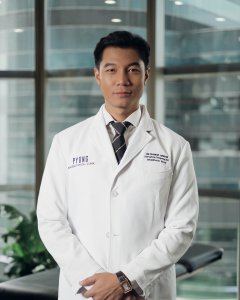
Dr. PYONG integrates advanced robotics and wearable exoskeletons into rehabilitation therapy, enhancing recovery for patients.

  • Board-certified physiatrist with expertise in neurorehabilitation
  • Founder of PYONG Rehabilitation Group specializing in innovative therapies
  • Instructor at King Mongkut's Institute of Technology Ladkrabang
  • Pioneers non-invasive treatment solutions

Why choose Thailand for a Occupational therapy with the Head computer mouse

Head-mouse training within daily stroke rehabilitation

Typical pricevs Thailand
Thailand (this page)$100 – $1,100–
US from $1,200+1100%
Turkey from $450+350%

Occupational therapy with the Head computer mouse recovery timeline: what to expect week by week

You can usually fly home after 2–4 weeks with your doctor's approval. You can return to desk work immediately after each session, subject to your underlying condition. You can continue usual exercise immediately, limited by your condition and neck fatigue. Stable computer-access skills develop over 2–6 months with regular practice, though timing varies by condition.

  1. Session day

    Your clinic sets up and calibrates the head mouse, then guides you through computer tasks. The treatment is painless, and you can resume usual activities afterward. Long sessions may cause mild neck or eye fatigue, so rest your neck if needed.

  2. Weeks 1–4

    You build cursor control, clicking, typing, and everyday skills during the 10–20-session course, which usually takes 2–4 weeks before you fly home with your doctor's approval. A routine progress review can adjust your head mouse settings.

  3. Months 2–6

    You consolidate your computer-access skills and build toward independent head mouse use. Home practice supports this continued skill building.

When to contact your clinic: Contact your clinic if you notice redness, swelling, or discharge, or develop a fever with chills. Seek emergency care for a worsening headache or vision changes. For chest pain or sudden breathlessness after a long flight, seek emergency help locally.

Traveling to Thailand for a Occupational therapy with the Head computer mouse

Plan 10–20 visits, several per week (first trip 2–4 weeks, including about 30 nights in hospital) in Thailand after the procedure and before your flight home. US and UK passport holders can enter Thailand without a visa for up to 30 days, and a planned medical stay longer than 60 days may need a Non-Immigrant O medical visa.

When What happens
Before the procedure Arrival, consultation, tests
1–30 days after Hospital stay
14–28 days after Check-up
2–4 weeks after Flight home
If needed Second session

Before you fly

  • Visa. US and UK passport holders can stay without a visa for up to 30 days. A planned treatment stay longer than 60 days may need a Non-Immigrant O medical visa. US travelers entering Thailand must complete pre-arrival online registration.
  • Passport. The US State Department strongly recommends that US passports be valid for at least 6 months beyond arrival. UK passports must have an expiry date at least 6 months after arrival and at least 1 blank page.
  • Medicines. US travelers should carry prescription medicines in original packaging with a doctor's prescription. UK prescriptions are usually accepted, though some medicines have different legal status. Narcotic or psychotropic medicines require Thai-rule compliance and an online permit at least 15 days before arrival or departure.
  • Hand luggage. The clinic asks for a recent neurological or rehabilitation report, your diagnosis and injury date, a list of current assistive devices, and a cervical spine imaging report if available.

Getting there and staying

  • Airports. Suvarnabhumi Airport (BKK) is 25 km from downtown Bangkok. Don Mueang Airport (DMK) is 23 km from the Grand Palace.
  • Flight time. Bangkok is about 9,600 km from London, with about 11–12 hours of flying time. It is about 13,900 km from New York, with about 16–17 hours of flying time. A connection adds time.
  • Emergency. In a medical emergency, call 191 and ask for an ambulance.

When to go

  • Weather. In Bangkok, average daytime highs are about 31 °C in September–January and about 35 °C in April–May. The wettest months, with 100 mm of rain or more, are May–October.
  • Season. November–April is drier, though still hot, making it the better season for a recovery trip. May–October is harder for recovery because it brings heavy rain and high temperatures.

Insurance and changes

  • Health insurance. Medicare and Medicaid do not apply overseas for US travelers, and the US State Department advises making sure your health insurance provides overseas coverage. UK travelers cannot use a UK GHIC or EHIC in Thailand.
  • Hospital payment. All hospitals in Thailand require a guarantee of payment before treating patients.

Flying home

  • Fit to fly. You can usually fly home after 2–4 weeks with your doctor's approval.
  • Take home. Keep travel documents and supporting medical paperwork identifying your treatment and hospital appointment. Thai visa guidance also asks for proof of accommodation and financial evidence.

Occupational therapy with the Head computer mouse in Thailand: Video Reviews from Bookimed Patients

Dayana
I combined my vacation in Antalya with a check-up.
Procedure: Female check-up
Igor
It was great! Transfers, accommodation, treatment—all included.
Procedure: Dental Implant
Marina
Bookimed did everything for me. I didn't have to worry about anything.
Procedure: Female check-up

Thailand Occupational therapy with the Head computer mouse Reviews at Bookimed: Discover Patients' Insights

View all
Anonymous • Stroke rehabilitation
Jun 6, 2026
Verified review.
Thank you for all your help, you have been wonderful
The hospital were great and lots of pluses for extra treatments. Stephen is doing fine and the rehabilitation helped in small ways. The only thing I would say is the rooms are pretty average—especially bathrooms if someone is looking for something more modern, Navamin is not it! Plus it is so busy that things happen at break neck speed which we found it hard to keep up with at times. Thank you for all your help, you have been wonderful.

Share this content

Updated: 11/11/2026
Authored by
Anna LeonovaAnna Leonova
Anna Leonova
Head of Content Marketing Team
A certified medical writer with 10+ years of experience, developed Bookimed’s trusted content, backed by a Master’s in Philology and medical expert interviews worldwide.
Fahad Mawlood
Fahad Mawlood
Medical Editor & Data Scientist
General practitioner. Winner of 4 scientific awards. Served in Western Asia. Former Team Leader of a medical team supporting Arabic-speaking patients. Now responsible for data processing and medical content accuracy.
Fahad Mawlood Linkedin
This page may feature information relating to various medical conditions, treatments, and healthcare services available in different countries. Please be advised that the content is provided for informational purposes only and should not be construed as medical advice or guidance. Please consult with your doctor or a qualified medical professional before starting or changing medical treatment.

FAQ about Occupational therapy with the Head computer mouse in Thailand

What documents are required to apply for a visa to Thailand for treatment?

Visas for travel to Thailand require a number of documents. The necessary papers can be submitted 90 days before the planned departure. The list of documents includes:

  • ID card
  • confirmation of online registration and filling out the questionnaire
  • certificate of income and availability of funds (20,000 baht per person/40,000 baht per family)
  • insurance policy for a stay in Thailand (original and copy)
  • 2 photos (4x6)
  • visa receipt
  • booking of round-trip air ticket (paid in full) and hotel
  • medical opinion about the need for treatment.

What is the level of medicine in Thailand?

Healthcare is the key development sector of the Thai government. The Thai authorities are convinced that care for the citizens' health should be an absolute priority of state policy and spend about 25 billion baht for healthcare annually.

As a result, 36,673 medical facilities provide excellent medical care in the country. 64 centers in the Kingdom have certificate of JCI (Joint Commission International), the international improver of healthcare quality and safety across the globe. The index of certificates obtained is the largest. To compare, Israel has 20 JCI-accredited facilities, and Germany — only 10 clinics of this type.

When is the best time to travel to Thailand?

The main advantage of Thai resorts is the long beach season. On the east coast and west coast the climate features are different, so take it into account when planning the trip. The best time to travel is during the cool and dry season between November and early April. A large influx of tourists is in March-May, when the air temperature is +30°C.

What should you know about Thailand before the trip?

Official name

The Kingdom of Thailand

Currency

Thai Baht (you also can pay for services in dollars)

Best period for the trip

November-early April

Language

Thai (most of medical staff speaks English fluently)

Visa

is required for a trip of 3-6 months

Time difference with Europe

7 hours

Time difference with the USA

12 hours

Capital

Bangkok

Medical tourism center

Bangkok

Popular resorts

Koh Samui, Phuket, Chiang Mai, Koh Chang, Hua Hin

What hotel service is provided here?

In the Kingdom of Thailand, hotels of different price ranges and service levels are presented. The level of Thai hotels is comparable to hotels in Tunisia, Morocco or Egypt. Most tourists choose 4 and 5 star hotels with all-inclusive meals. Such hotels have everything for a comfortable stay: varied food, a large well-groomed territory, animation for children and adults. Some hotels have their own water park, which guests can use for free. Budget travelers can afford to book an economical 3-star hotel with half board or no meals at all.

Do I need a visa?

For now, the Kingdom of Thailand requires different visa regimens for diverse states. Some foreigners can stay in the country 60 days without visa control, some of them — only 14 days.

How long you can stay in Thailand and what countries can cross the border easy read here.

Last review: 11/11/2026

Fahad Mawlood
Content meets the Bookimed Editorial Policy and is medically reviewed by

Fahad Mawlood — General practitioner. Winner of 4 scientific awards. Served in Western Asia. Former Team Leader of a medical team supporting Arabic-speaking patients. Now responsible for data processing and medical content accuracy.

Get a free consultation

Have a question about Occupational therapy with the Head computer mouse in Thailand?

Ask a Bookimed medical coordinator about prices, clinics, techniques or your case. Write to us in the messenger you already use.

  • Direct prices from clinics
  • Free evaluation of your medical case
  • Free personal assistance 24/7

Ask your question in a messenger

Tap a messenger to open a chat with a Bookimed medical coordinator.

Free and without obligation · Terms of use · Privacy policy