Heart cryoablation in Thailand: costs, clinics and reviews

Last updated: Nov 17, 2026

Medically reviewed by
Fahad Mawlood
How it works
Bookimed is free for patients – clinics pay us a commission, and you pay the clinic its own price with no markup. Five steps to your heart cryoablation in Thailand:
Share your case
Tell us about your irregular heartbeat and share recent heart test results and medical reports.
Get treatment plans
Your coordinator finds clinics that match your needs and helps you choose. Your preferred clinics then send personalized treatment plans and quotes for you to compare.
Plan your trip
We set treatment dates that work for you and help arrange your flights and accommodation. If needed, we request a visa support letter from the clinic.
Visit the clinic
The clinic team performs your heart cryoablation on the agreed dates. We support you throughout your trip.
Recover at home
You can fly home 1–3 days after the procedure, with your result assessed at 3 months. Your coordinator stays in touch and helps arrange a follow-up if you need one.
Some clinics ask for a deposit. A $200 or €200 deposit paid through Bookimed comes off your clinic bill and is refundable up to 10 calendar days before your visit. A deposit paid to the clinic follows its own terms.
Heart cryoablation Prices by Clinic in Thailand


BDMS Wellness Clinic
Get matched with the best doctors for Heart cryoablation
Tell us about your needs — and get 3 tailored offers from top doctors for you.
Do you have any medical records related to your issue?
Direct prices from clinics
Free evaluation of your medical case
Free personal assistance 24/7
Thailand Heart cryoablation overview
Cost and clinics
| Typical heart cryoablation price in Thailand | Clinics | Accreditations | Cities | Heart cryoablation doctors |
|---|---|---|---|---|
| $7,000 / ฿238,000–$9,500 / ฿323,000 | 3 clinics | GHA (1 clinic), JCI (1) | Bangkok (3 clinics) | 2 doctors |
The procedure
| Before the trip | Time in Thailand | Operation time | Anesthesia | Back to desk work | Final result |
|---|---|---|---|---|---|
| Get cardiology assessment and imaging, plan anticoagulation, arrange transport home | 1–3 days, including up to 1 night in hospital | 1–3 hours | General | 2–7 days | 3 months |
How much does a Heart cryoablation cost in Thailand?
Heart cryoablation in Thailand is estimated from $7,000 / ฿238,000 to $9,500 / ฿323,000. The final price depends on hospital tier, ablation technology, specialist fees, and hospital stay.
| Thailand | Turkey | Austria | |
|---|---|---|---|
| Heart cryoablation | ≈ $7,000 / ฿238,000 | from $5,900 / ฿200,600 | ≈ $14,500 / ฿493,000 |
| Bundles destruction with catheter (electrophysiology) | ≈ $9,500 / ฿323,000 | ≈ $4,300 / ฿146,200 | ≈ $11,500 / ฿391,000 |
How to choose a Heart cryoablation clinic in Thailand
For heart cryoablation in Thailand, first compare clinic locations, then choose an electrophysiologist, confirm who will perform the procedure, and ask about qualifications and facility standards.
What to check
Set the location
Bookimed lists 3 clinics for heart cryoablation in Thailand – the top-ranked ones are all in Bangkok.Choose expertise
Seek an electrophysiologist with special training in heart rhythm disease – experience lowers complication risk.Confirm your operator
Ask whether the electrophysiologist you consult will personally perform heart cryoablation, not another team member – send your full medical record for review and ask about similar cases.Ask about standards
Ask whether electrophysiologists are licensed by the Medical Council of Thailand, and whether the clinic has experienced electrophysiologists and advanced equipment.
Discover Heart cryoablation Clinics in Thailand
| Clinic Name | Patient Rating | About | Accreditations | Lead Doctor | Techniques |
|---|---|---|---|---|---|
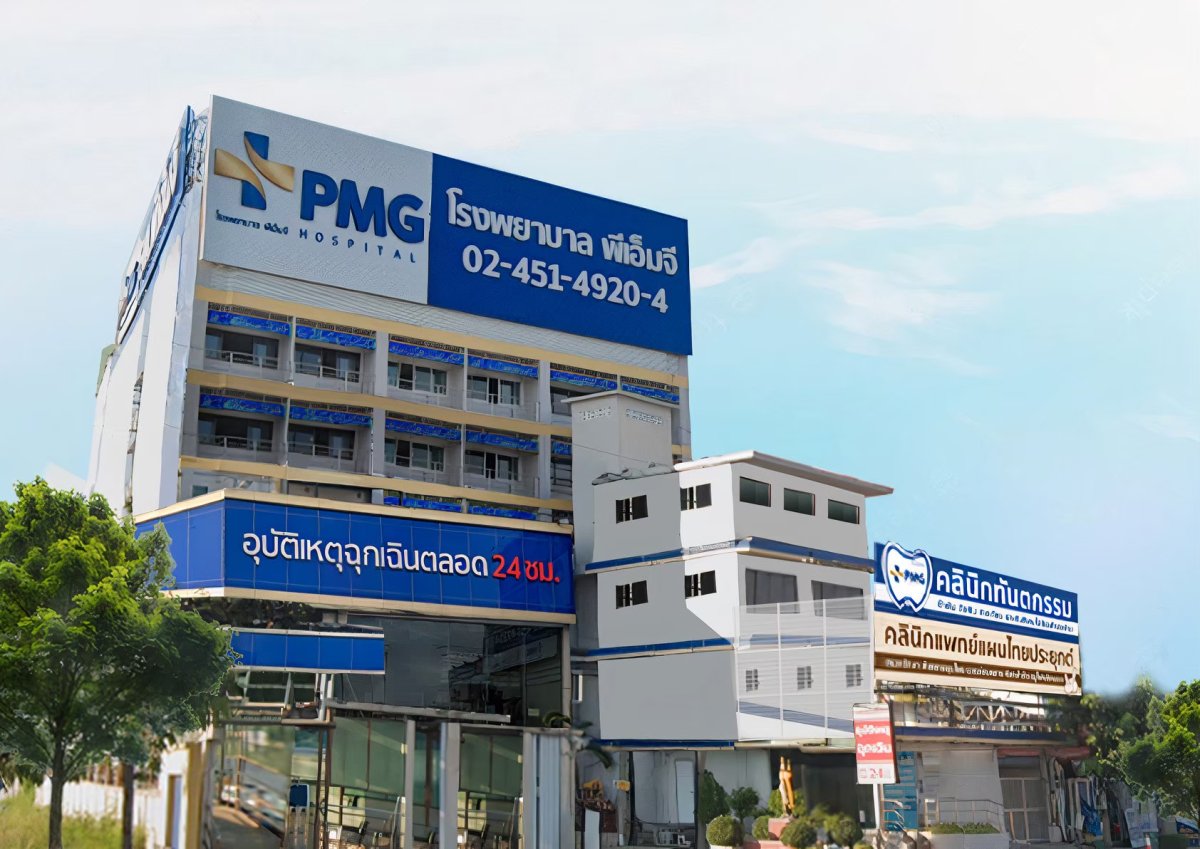
| PMG Hospital Bangkok | 5.0 (1 review) | PMG Hospital is a private multispecialty facility in Bangkok, Thailand. It focuses on cardiology, orthopedics, and pediatrics. The hospital also offers obstetrics, gynecology, and rehabilitation. Pediatric services treat children from birth to age 15. A 24-hour critical care center provides intensive monitoring by specialist physicians.PMG Hospital opened in 1992 and has 109 beds. There are 36 patient rooms, including private VIP suites. The PMG Heart Center offers full-cycle cardiac care. This covers diagnostics, interventional treatments, and rehabilitation. For stroke recovery, the rehab team uses PMS electromagnetic stimulation, therapeutic exercises, and electrical appliances.International patients get help with medical visa extensions, translation, and airport transfers. Diagnostics rely on digital radiography and CT scanners. Cardiovascular screening includes carotid intima-media thickness ultrasound. This test detects heart disease risk without radiation. | GHA, JCI |  Purich Surunchupakorn 19 years | MRI of one area, Coronary angiography |
| PrimeCare Bkk Bangkok | 5.0 (1 review) | PrimeCare Bkk is a private multi-specialty medical center in central Bangkok with referral partnerships to Bumrungrad and Samitivej hospitals. Its core services include cardiology, diagnostics, medical check-ups, and longevity health. The bilingual English-Thai team treats both adults and children. Offers IV therapy, preventive health screenings, allergy and STD testing, women’s health, hormone management, and executive health checkups. Provides on-site medical support for schools, embassies, and corporate groups – including vaccinations, work permit health checks, and wellness seminars. Care options range from single-session treatments to ongoing management of chronic conditions. Welcomes patients from Asia, the USA, Canada, and Australia. | — |  Nivit Karla 18 years | — |
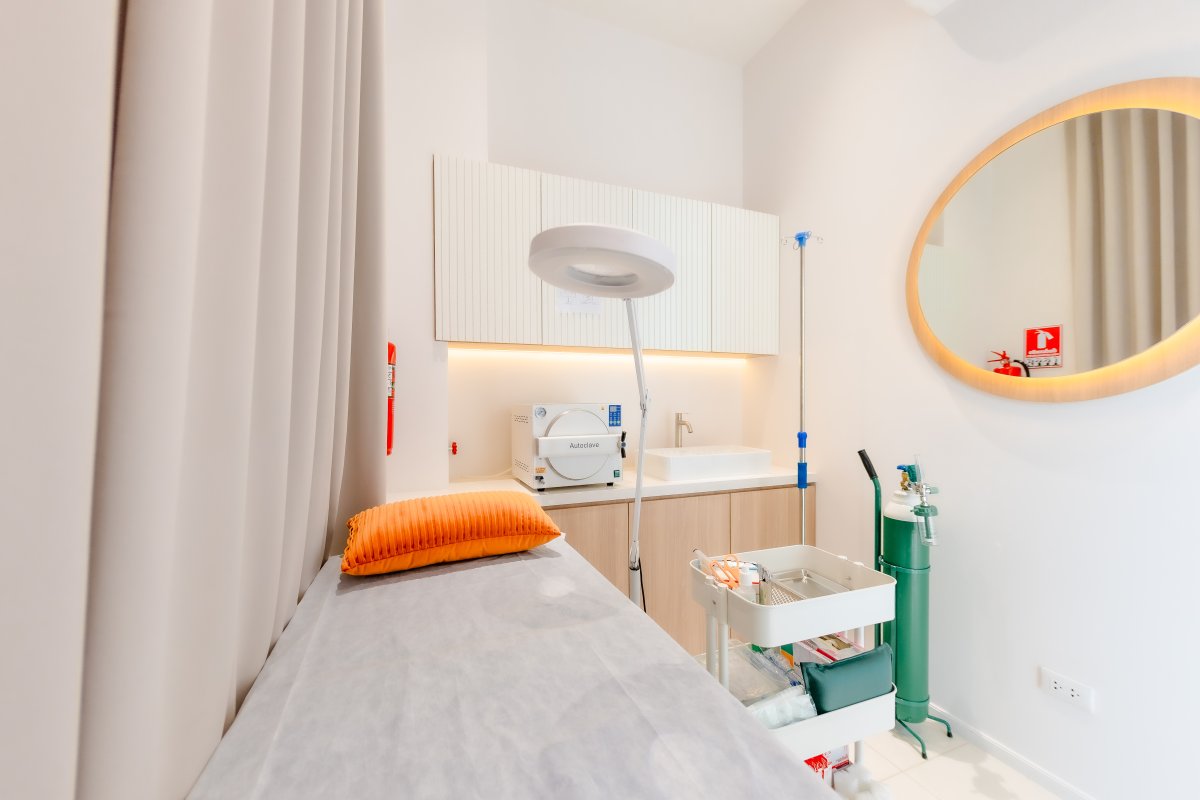
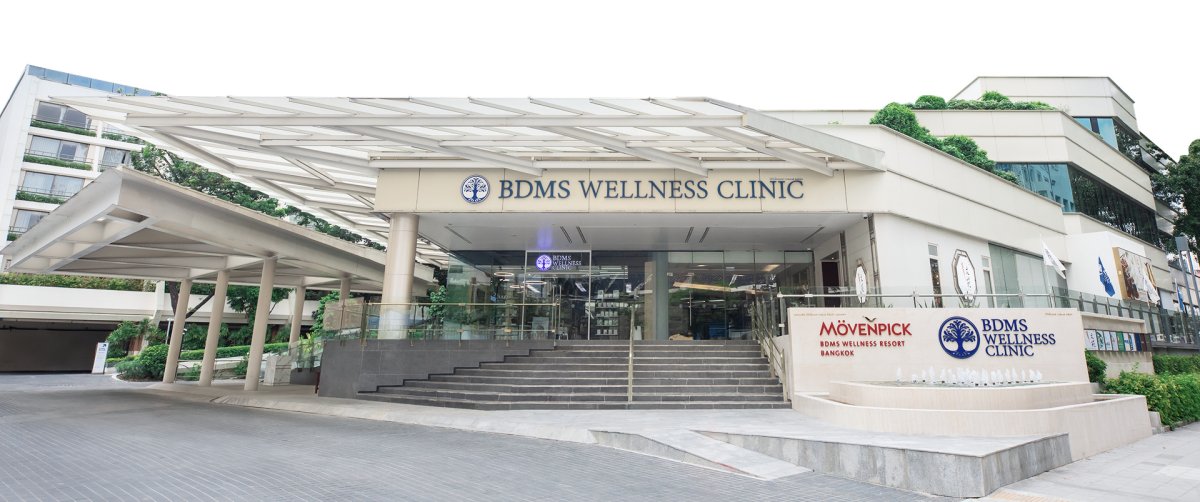
| BDMS Wellness Clinic Bangkok | 5.0 | BDMS Wellness Clinic is a multispecialty center in Bangkok, Thailand. It focuses on preventive medicine, dental care, fertility, and longevity. The clinic runs nine departments, including preventive cardiology and brain wellness. Its medical team has nearly 30 doctors. Many specialists hold PhDs and senior academic titles.BDMS is a repeat winner of the Healthcare Asia Awards. It was named Health and Wellness Initiative of the Year. The dental unit has an on-site digital lab for same-day crowns. Fertility services cover IVF, ICSI, and genetic screening.Diagnostics include whole-body MRI, CT scans, and genetic marker screening. Patients can also access high-intensity laser therapy for pain. Three-night wellness retreats focus on sleep and hormone balance. International guests get support from a multilingual team. | — | — | — |
Our Doctors
View all DoctorsNivit Karla
Trained in cardiology intervention at Rajavithi Hospital – Dr. Karla specializes in advanced cardiac procedures.
- Graduated from Siriraj Medical School, Mahidol University
- Over 18 years focused on cardiology
- Fluent in English and Thai
Purich Surunchupakorn
Dr. Purich Surunchupakorn is an interventional cardiologist at PMG Hospital in Bangkok. He earned his medical degree from the prestigious Chulalongkorn University. Dr. Surunchupakorn holds a subspecialty diploma in interventional cardiology. He treats complex conditions like coronary artery disease and heart failure.
- Specializes in carotid angioplasty and stenting to prevent strokes.
- Performs heart cryoablation to treat chronic arrhythmias.
- Manages hypertension and pulmonary vascular disorders.
- Works at PMG Hospital, a GHA-accredited center for international patient care.
Why choose Thailand for a Heart cryoablation
Cardiac treatment with international-patient support
| Typical price | vs Thailand | |
|---|---|---|
| Thailand (this page) | $7,000 – $9,500 | – |
| US | from $45,000 | +543% |
| Turkey | from $5,900 | −16% |
Heart cryoablation recovery timeline: what to expect week by week
You can fly home 1–3 days after catheter cryoballoon ablation, once your groin sites are stable and your operator confirms your rhythm and no complications. You can return to desk work in 2–7 days, while heavy physical work may need longer. You can resume exercise in 1–2 weeks, building up to strenuous activity gradually as your puncture sites heal. Clinicians assess your final rhythm outcome at 3 months, after a blanking period when early recurrences can still occur.
First hours
You’ll rest with your leg straight for a few hours until the venous access sites are secure, then be monitored before discharge that day or the next. Do not drive on the day of the procedure.
First week
You can fly home 1–3 days after the procedure once your groin sites are stable and your operator confirms your rhythm and no complications. Groin soreness settles, though palpitations or brief arrhythmias can occur early, so avoid heavy lifting and strenuous exertion.
Weeks 1–2
As your puncture sites heal, return to normal activity and build up strenuous exercise gradually. Some clinics include a groin-site check after 7–14 days, often by phone or in clinic.
Up to 3 months
This is the blanking period, when early rhythm recurrences do not necessarily mean treatment failed. Continue anticoagulation as advised. Some centers arrange a rhythm review with ECG or monitoring after this period; timing varies by center.
When to contact your clinic: Seek emergency help for bleeding that does not stop, chest pain or trouble breathing, or stroke symptoms such as facial weakness.
Is a Heart cryoablation in Thailand safe?
Traveling to Thailand for a Heart cryoablation
Heart cryoablation in Thailand: Video Reviews from Bookimed Patients
Share this content
 Anna Leonova

FAQ about Heart cryoablation in Thailand
What is the success rate of cryoablation for AFib?
Cryoablation for atrial fibrillation (AFib) achieves an immediate success rate of 97% to 100% for pulmonary vein isolation. Long-term freedom from recurrence at 12 months ranges from 70% to 85% for paroxysmal AFib and 54% to 75% for persistent cases.
- Success by type: Paroxysmal AFib shows 75% success versus 45% for drug therapy alone.
- Long-term durability: Freedom from AFib typically stays between 64% and 68% after 3 years.
- Impact of timing: Procedures within 6 months of diagnosis reduce recurrence rates to 24%.
- Repeat procedures: Approximately 10% to 30% of patients require a second ablation for durability.
Bookimed Expert Insight: Patient data indicates that choosing a high-volume center in Bangkok is critical for success. Specialists like Dr. Nivit Karla at PrimeCare Bkk focus on integrated cardiology. Successful outcomes often improve by 20% when patients maintain antiarrhythmic medications during the initial 3-month blanking period.
Patient Consensus: Many patients report high satisfaction but emphasize that a redo rate of roughly 30% is a common reality. Younger patients under 60 often see more durable results compared to older individuals.
How long does the procedure and recovery take?
Heart cryoablation in Thailand typically takes 2 to 6 hours to perform under general anesthesia. Most patients remain in the hospital for 1 to 3 days for cardiac monitoring. You can usually return to normal daily activities within 1 to 4 weeks.
- Procedure duration: Most catheter-based cases last 2 to 4 hours for straightforward arrhythmias.
- Hospital stay: Expect 1 night for uncomplicated cases, extending to 3 days for monitoring.
- Immediate restrictions: Avoid driving for 48 hours and heavy lifting for 1 to 2 weeks.
- Work return: Patients with sedentary desk jobs typically return to work within 3 to 5 days.
Bookimed Expert Insight: While the procedure is minimally invasive, Thai cardiology centers like PrimeCare Bkk often recommend a full week of rest. Data shows that patients who rush back to exercise within the first 14 days often report a rebound in fatigue. Plan for a 7-day `quiet window` to ensure the catheter site heals perfectly.
Patient Consensus: Many patients report feeling back to their old selves within a month, though some experience minor palpitations or fatigue during the first 12 weeks. Practical advice from others emphasizes tracking your heart rhythm post-discharge and strictly avoiding overexertion early on.
What are the best hospitals for heart cryoablation in Thailand?
The best hospitals for heart cryoablation in Thailand include Bumrungrad International Hospital, Bangkok Heart Hospital, and Vejthani Hospital. These JCI-accredited facilities feature advanced electrophysiology labs and specialized arrhythmia centers led by experts certified in cardiac electrophysiology and interventional cardiology.
- Bumrungrad International Hospital: Modern arrhythmia center featuring advanced electrophysiology labs modeled after top U.S. facilities.
- Bangkok Heart Hospital: Specialized cardiac center ranked among the best in the Asia-Pacific region.
- Vejthani Hospital: JCI-accredited facility explicitly providing cryoballoon ablation for heart rhythm disorder treatments.
- Specialized expertise: Top Thai cardiologists often hold certifications from the Sub-Board of Electrophysiology.
Bookimed Expert Insight: While Thailand offers competitive pricing, the most successful outcomes are found at university-affiliated centers. Siriraj Piyamaharajkarun and King Chulalongkorn Memorial Hospital provide access to academic research groups. These institutions often handle the most complex arrhythmia cases in Southeast Asia.
Patient Consensus: Patients emphasize that surgeon experience with specific cryoablation volume is more critical than location. Many recommend coordinating post-operative follow-up care with a local cardiologist before traveling abroad.
How should I prepare for the heart cryoablation procedure?
Preparing for heart cryoablation in Thailand requires strict fasting, medication adjustments, and logistical planning. Patients must stop eating after midnight and consult electrophysiologists like Dr. Nivit Karla at PrimeCare Bkk regarding anticoagulants. Pre-operative imaging and blood tests ensure a safe, precise roadmap for treating atrial fibrillation.
- Fasting requirements: Stop all food and drink 8 to 12 hours before your scheduled procedure.
- Medication management: Pause anti-arrhythmics 3 to 7 days prior to ensure accurate heart rhythm mapping.
- Document translation: Provide all medical records in English to satisfy Thai clinical admission protocols.
- Post-op logistics: Arrange a driver and 24-hour monitoring as anesthesia prevents driving for 2 days.
Bookimed Expert Insight: While many clinics offer both radiofrequency and cryoablation, success rates for paroxysmal AFib align closely between 70% and 90%. Choosing specialized centers like PrimeCare Bkk in Bangkok ensures access to combined expertise in both pediatric and adult cardiology. Confirming the specific technology used during your initial consultation helps set realistic expectations for your recovery timeline.
Patient Consensus: Patients emphasize heavy hydration before the fasting period to minimize post-operative palpitations. Many recommend bringing ice packs for the groin area to manage discomfort after the catheter is removed.
Last review: Nov 17, 2026
Fahad Mawlood — General practitioner. Winner of 4 scientific awards. Served in Western Asia. Former Team Leader of a medical team supporting Arabic-speaking patients. Now responsible for data processing and medical content accuracy.
Have a question about Heart cryoablation in Thailand?
Ask a Bookimed medical coordinator about prices, clinics, techniques or your case. Write to us in the messenger you already use.
- Direct prices from clinics
- Free evaluation of your medical case
- Free personal assistance 24/7
Ask your question in a messenger
Tap a messenger to open a chat with a Bookimed medical coordinator.
Free and without obligation · Terms of use · Privacy policy