Immunotherapy for kidney cancer in Thailand: costs, clinics and reviews
Immunotherapy for kidney cancer in Thailand is offered by Bumrungrad International Hospital, an ISO-certified and JCI-accredited clinic in Bangkok. The clinic is rated 4.6/5 in 131 verified patient reviews on Bookimed.

Last updated: Nov 17, 2026

Medically reviewed by
Yesim Yildirim
How it works
Bookimed is free for patients – clinics pay us a commission, and you pay the clinic its own price with no markup. Five steps to your immunotherapy for kidney cancer in Thailand:
Share your case
Tell us about your condition and share your latest scans and medical reports.
Get treatment plans
Your coordinator finds clinics that match your needs and helps you choose. Your preferred clinics then send personalized treatment plans and quotes for you to compare.
Plan your trip
We set treatment dates that work for you and help arrange your flights and accommodation.
Visit the clinic
Treatment may take several trips to the clinic. The clinic team starts your immunotherapy for kidney cancer on the first visit. We support you throughout your treatment.
Complete your treatment
Treatment usually takes 3–6 months and ends with scans to check your response. Your coordinator stays in touch and helps arrange a follow-up if you need one.
Some clinics ask for a deposit. A $200 or €200 deposit paid through Bookimed comes off your clinic bill and is refundable up to 10 calendar days before your visit. A deposit paid to the clinic follows its own terms.
Immunotherapy for kidney cancer Prices by Clinic in Thailand









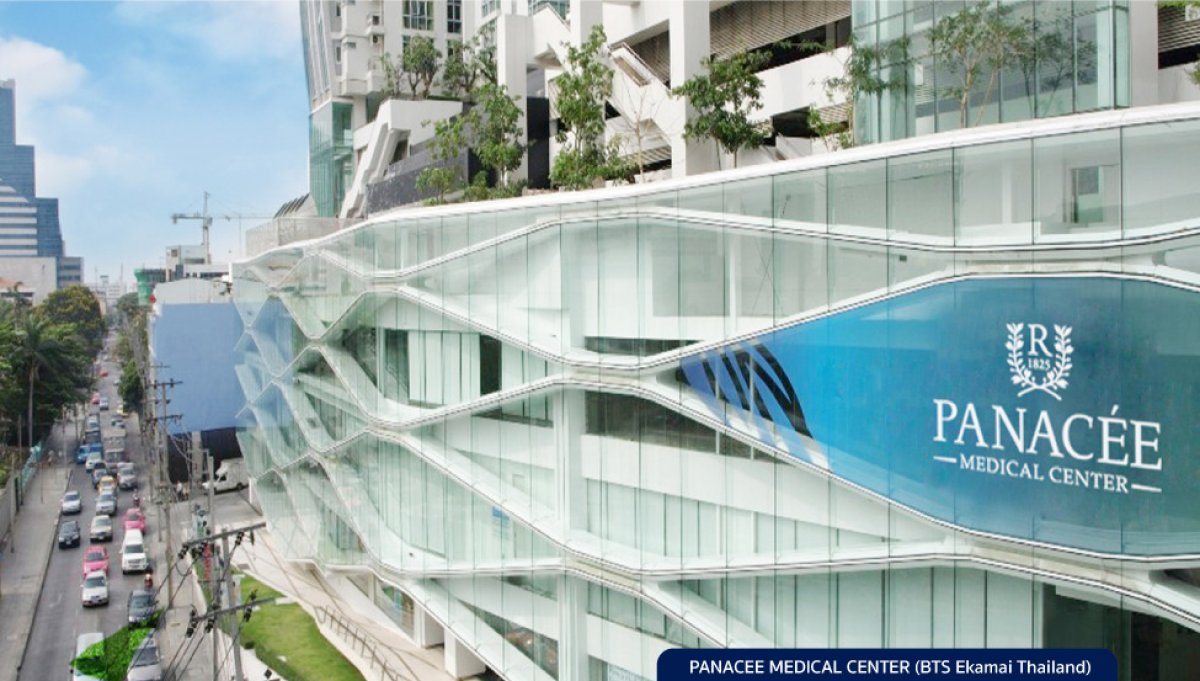
Panacee Medical Center – Stem Cell & Cell Therapy Center
Get matched with the best doctors for Immunotherapy for kidney cancer
Tell us about your needs — and get 3 tailored offers from top doctors for you.
Do you have any medical records related to your issue?
Direct prices from clinics
Free evaluation of your medical case
Free personal assistance 24/7
Thailand Immunotherapy for kidney cancer overview
Cost and clinics
| Typical immunotherapy for kidney cancer price in Thailand | Clinics | Accreditations | Cities |
|---|---|---|---|
| $5,900 / ฿200,600–$32,000 / ฿1,088,000 | 2 clinic | ISO, JCI, GHA | Bangkok |
The procedure
| Before the trip | Time in Thailand | Nights in hospital | Operation time | Anesthesia | Back to desk work | Final result |
|---|---|---|---|---|---|---|
| Arrange scans and blood tests, review history and medications, discuss side effects | 4–35 visits, infusions every 2–6 weeks (first trip same or next day) | None (outpatient procedure) | 1–3 hours | None | 1–3 days | 3–6 months |
How much does a Immunotherapy for kidney cancer cost in Thailand?
Immunotherapy for kidney cancer in Thailand typically costs from $5,900 / ฿200,600 to $32,000 / ฿1,088,000. The total price depends on the drug regimen, number of cycles, and clinic tier.
| Thailand | Turkey | Austria | |
|---|---|---|---|
| Immunotherapy for kidney cancer | from $5,900 / ฿200,600 | from $8,000 / ฿272,000 | ≈ $28,000 / ฿952,000 |
How to choose a Immunotherapy for kidney cancer clinic in Thailand
For immunotherapy for kidney cancer in Thailand, speak with the treating doctor, provide your medical history and current medicines, confirm specialist qualifications and facility standards, then seek another opinion before booking.
What to check
Care discussion
Speak directly with the clinician responsible for your immunotherapy for kidney cancer to assess their role and expertise.Medical record review
Have the clinician review your full medical history and current medicines before treatment to reduce avoidable risks.Credentials and facility
Ask whether specialists are licensed by the Medical Council of Thailand, properly trained, and working at an accredited facility.Independent opinion
Before booking, request another doctor's review of the proposed plan to confirm it is appropriate.
Discover Immunotherapy for kidney cancer Clinics in Thailand
| Clinic Name | Patient Rating | About | Accreditations | Lead Doctor | Techniques |
|---|---|---|---|---|---|
| Bumrungrad International Hospital Bangkok | 4.6 (131 reviews) | Bumrungrad International Hospital is a JCI-accredited facility treating over 1 million patients annually, including international cases from 190+ countries. Dr. Kittinut Kijvikai, a specialized urologist, has conducted significant research on prostate cancer treatments and robotic-assisted surgery. The hospital operates advanced oncology units with multidisciplinary cancer care teams. | ISO, JCI, GHA | Colonoscopy, MRI of the spine cord | |
| Panacee Medical Center – Stem Cell & Cell Therapy Center Bangkok | 4.6 | Panacee Medical Center Cell Therapy is a private multi-specialty center in Bangkok. Its main specialties are cardiology, therapy, medical check-ups, and wellness retreats. The clinic treats 5,000 patients each year from across Asia, the USA, Canada, and Australia. Treats both adults and children, from check-ups to cardiac care. Wellness retreat programs available alongside standard medical services. Patients come from Arab League States, Asia, the USA, Canada, and Australia. | — | — | Immunotherapy for kidney cancer, Thyroid function tests (including T3, T4, TSH) |
Our Doctors
View all Doctors
Kittinut Kijvikai
Dr. Kittinut Kijvikai is a specialized urologist at Bumrungrad International Hospital in Bangkok. He focuses on robotic-assisted surgery for prostate and bladder cancer. Dr. Kijvikai performs robotic da Vinci prostatectomy, nephrectomy, and cystectomy. He works at a TOP-10 global hospital recognized for robotic surgery technology.
- Specializes in neoadjuvant androgen deprivation therapy to improve prostate cancer outcomes.
- Authored multiple research studies on robotic-assisted surgical techniques for bladder cancer.
- Performs robotic-assisted cystectomy with intra-corporeal urinary diversion.
- Treats complex urological conditions including urolithiasis and kidney cancer.
Is a Immunotherapy for kidney cancer right for you?
Immunotherapy for kidney cancer recovery timeline: what to expect week by week
You can usually fly home the same or next day after an infusion if you have no reactions and your oncologist approves. You may return to work in 1–3 days, but fatigue and side effects can affect time off after each infusion. Light activity is usually encouraged within 0–1 weeks, depending on fatigue and side effects. Your treatment response is assessed with scans over 3–6 months.
Infusion day
Your infusion takes under 2 hours, followed by observation for reactions. With no reaction and your oncologist’s approval, you can usually fly home the same or next day, and should avoid driving if you feel unwell.
Days 1–7
You may have fatigue, a mild rash, diarrhea, or flu-like symptoms. Report new symptoms promptly, avoid self-treating persistent diarrhea or rash, and stay near medical care.
Weeks 2–12
Treatment cycles repeat every 2–4 weeks, with blood tests. Side effects related to your immune system can appear at any time, so avoid new supplements without approval.
Months 3–6
Scans guide whether treatment continues. Side effects related to your immune system can still appear after treatment ends.
When to contact your clinic: Seek emergency care for shortness of breath. Contact your clinic promptly about severe diarrhea or blood in your urine.
Is a Immunotherapy for kidney cancer in Thailand safe?
Traveling to Thailand for a Immunotherapy for kidney cancer
Immunotherapy for kidney cancer in Thailand: Video Reviews from Bookimed Patients
Thailand Immunotherapy for kidney cancer Reviews at Bookimed: Discover Patients' Insights
View allShare this content
 Anna Leonova

FAQ about Immunotherapy for kidney cancer in Thailand
Is immunotherapy available for kidney cancer in Thailand?
Yes, immunotherapy is available for kidney cancer in Thailand at internationally accredited hospitals. These facilities offer FDA-approved checkpoint inhibitors like Nivolumab and Pembrolizumab for advanced renal cell carcinoma. Treatment often combines immunotherapy with targeted therapies to improve patient outcomes in metastatic cases.
- Available drugs: Thai centers utilize Nivolumab and Pembrolizumab, often combined with targeted agents like Axitinib.
- Required testing: Patients must undergo genomic testing for PD-L1 and MSI status before starting therapy.
- Treatment setting: Specialized oncology centers like Bumrungrad International Hospital provide these advanced protocols in Bangkok.
- Accreditation standards: Leading facilities maintain Joint Commission International (JCI) accreditation for high-quality cancer care.
Bookimed Expert Insight: While base costs range from $5,900 to $13,000, savvy patients often look for clinical trials at major Thai hospitals. These trials can reduce medication costs by 50% to 100% for those who meet strict eligibility criteria. Bumrungrad alone serves over 1 million patients annually, offering deep experience in managing complex immunotherapy side effects.
Patient Consensus: Patients emphasize that budgeting for 6–8 cycles is essential to see results. Many survivors recommend sticking to JCI-accredited hospitals to ensure proper management of potential immune-related side effects.
Which are the best hospitals for kidney-cancer immunotherapy in Thailand?
The best hospitals for kidney cancer immunotherapy in Thailand include Bumrungrad International Hospital and Wattanosoth Cancer Hospital. These centers utilize advanced molecular testing and multidisciplinary teams to treat renal cell carcinoma. JCI-accredited facilities in Bangkok lead the region in precision oncology and checkpoint inhibitor therapies.
- Top-ranked facility: Bumrungrad International is a Newsweek-rated hospital serving 1,000,000 patients annually.
- Specialized oncology: Wattanosoth Cancer Hospital is Thailand's first private facility dedicated solely to cancer.
- Advanced diagnostics: Chulabhorn Hospital uses pharmacogenomics to customize drug regimens for individual tumor biology.
- Research hubs: Siriraj Hospital offers translational research and precision medicine through Mahidol University.
Bookimed Expert Insight: While Thailand offers high-end care, immunotherapy availability can be inconsistent. Bumrungrad International remains the most reliable option due to its 70 specialized departments. Patients should confirm specific drug availability before traveling. Some newer combinations are not yet officially approved for use in local clinics.
Patient Consensus: Patients often find that private hospital costs in Bangkok are comparable to Singapore. They emphasize verifying if a clinic uses modern checkpoint inhibitor combinations rather than outdated single-agent approaches.
What is the success rate of kidney-cancer immunotherapy in Thailand?
Kidney cancer immunotherapy in Thailand shows success rates between 70% and 95% at premier facilities like Bumrungrad International Hospital. Modern immune checkpoint inhibitors achieve objective response rates of 42% to 60% when used in combination therapies, significantly improving long-term survival for advanced cases.
- Success metrics: Top-tier Thai hospitals report overall treatment success reaching 95% for kidney cancer.
- Survival rates: Real-world data indicates a 12-month overall survival rate of approximately 85.7%.
- Advanced technology: Facilities use AI and digital imaging to monitor immunotherapy response and toxicity.
- Expert certifications: Major centers hold Joint Commission International (JCI) and Global Healthcare Accreditation (GHA).
Bookimed Expert Insight: While success rates mirror global benchmarks, Bumrungrad International Hospital stands out by integrating AI and digital imaging into treatment tracking. This technological edge allows doctors to identify `mixed bag` responses earlier than standard protocols. This proactive monitoring is vital since nearly 50% of their 1 million annual patients are international travelers.
Patient Consensus: Many patients find these treatments buy valuable time, though long-term side effects like thyroid issues require careful management. Success often depends on early biomarker testing to avoid futile treatment cycles and manage costs effectively.
What are the common side effects of PD-1/PD-L1 inhibitors used for kidney cancer?
Common side effects of PD-1/PD-L1 inhibitors for kidney cancer include fatigue, skin rashes, and digestive issues. These immune-related adverse events (irAEs) occur when the immune system attacks healthy tissue. Most symptoms are manageable, but serious inflammation of the lungs, liver, or kidneys requires immediate medical intervention.
- Fatigue: Persistent exhaustion affects 14% to 30% of patients during systemic immunotherapy treatment.
- Dermatologic issues: Itching and red hives occur in up to 40% of patients within weeks.
- Gastrointestinal symptoms: Diarrhea or colitis may escalate quickly, sometimes requiring high-dose corticosteroid therapy.
- Endocrine dysfunction: Thyroid changes, specifically hypothyroidism, often cause brain fog and cold intolerance.
Bookimed Expert Insight: Thailand’s leading JCI-accredited facilities, like Bumrungrad International Hospital, utilize advanced digital imaging and AI to monitor organ inflammation. Bookimed data shows that managing immunotherapy in Thailand’s tropical climate requires specific skin care. High humidity can exacerbate drug-induced rashes, making fragrance-free emollients and climate-controlled environments essential for patient comfort during the 6-cycle treatment phase.
Patient Consensus: Patients describe the primary challenge as a crushing, flu-like exhaustion that often persists for months. Many emphasize that tracking daily symptoms in a log is vital to catching immune-related flares early.
Do I need a special visa to receive immunotherapy for kidney cancer in Thailand?
Most patients from 93 countries do not need a special medical visa for kidney cancer immunotherapy in Thailand for stays under 60 days. Standard visa-exempt entry or tourist visas are valid for outpatient infusions, though longer treatments may require a Medical Tourist (MT) or Non-Immigrant O-MT visa.
- Visa exemption: Citizens from 93 nations enter without a visa for 60 days.
- Medical (MT) visa: Specifically for treatments lasting 60 to 90 days with hospital backing.
- Long-term care: The Non-Immigrant O-MT visa supports complex cancer care for up to 1 year.
- Administrative support: JCI-accredited clinics like Bumrungrad International Hospital provide official letters for extensions.
Bookimed Expert Insight: Patients often overlook the Destination Thailand Visa (DTV) for long-term immunotherapy. While the O-MT visa is traditional, the DTV allows 180-day stays for medical purposes. This is ideal for cumulative Keytruda or Opdivo cycles. Hospitals like Bumrungrad, which serves 50% international patients, have dedicated departments to streamline these applications.
Patient Consensus: Patients report that a standard tourist visa easily covers the first 2 months of infusions. They highlight that clinics provide seamless extension letters to avoid the 500 baht daily overstay fine during recovery.
Last review: Nov 17, 2026
Yesim Yildirim — 20 years of experience Medical oncologist, ESMO certified
Have a question about Immunotherapy for kidney cancer in Thailand?
Ask a Bookimed medical coordinator about prices, clinics, techniques or your case. Write to us in the messenger you already use.
- Direct prices from clinics
- Free evaluation of your medical case
- Free personal assistance 24/7
Ask your question in a messenger
Tap a messenger to open a chat with a Bookimed medical coordinator.
Free and without obligation · Terms of use · Privacy policy