Immunotherapy for kidney cancer in Spain — get 3 personalized clinic matches
Immunotherapy for kidney cancer in Spain costs $2,200 to $18,000, compared with about $110,000 in the US (Bookimed data, November 2026). It is offered by Centro Médico Teknon, a JCI-accredited clinic in Barcelona. The clinic is rated 4.7/5 in 498 verified patient reviews on Bookimed.


Medically reviewed by
Yesim Yildirim
How it works
How Much Does Immunotherapy for kidney cancer Cost in Spain?
Immunotherapy for kidney cancer in Spain typically costs from $2,200 to $18,000. This price range often covers a single treatment cycle or initial diagnostic phase. In the US, this procedure costs $110,000 on average. Final expenses depend on the specific medication protocols and clinic tier in major medical hubs like Madrid, Barcelona, and Pamplona.
- Medication type. Costs vary significantly between single-drug monotherapy and advanced dual checkpoint inhibitor combinations.
- Treatment frequency. Total budgeting must account for the number of prescribed infusion cycles.
- Hospital location. Premier private facilities in Barcelona and Madrid often maintain higher pricing structures.
- Diagnostic requirements. Pre-treatment molecular testing and advanced imaging like 3-Tesla MRI influence the total bill.
Bookimed Expert Insight. Spanish oncology centers offer high-tier clinical care at more accessible price points. For example, Centro Médico Teknon in Barcelona provides immunotherapy starting around $2,200. This clinic holds JCI accreditation and is part of the extensive Quirónsalud network. Facilities like Clinica Universidad de Navarra are also recognized globally by Newsweek. Patients receive care in hospitals that treat thousands of international cases annually.
| Turkey | Austria | Spain | |
|---|---|---|---|
| Immunotherapy for kidney cancer | from $8,000 | ≈ $28,000 | from $2,200 |
Discover the Best Immunotherapy for kidney cancer Clinics in Spain: 6 Verified Options and Prices


Centro Médico Teknon
Agusti Barnadas Molins

















Hospital HM Nou Delfos
Begona Mellado Gonzalez



GenesisCare Clinics
Immunotherapy for kidney cancer Overview in Spain
- Biological therapy - from $900This therapy uses living organisms to treat disease by stimulating the body"s own immune system.
- Immunotherapy - from $3,500This therapy boosts the body"s natural defenses to fight diseases like cancer, bringing less side effects.
- Immunotherapy with Keytruda (Pembolizumab) - from $13,500The therapy is a treatment enhancing the body"s immune system to fight cancer, using a drug highly targeted and effective.
- Immunotherapy for prostate cancer - from $6,000This therapy boosts the body"s immune system to fight against prostate cancer, offering a targeted, typically well-tolerated treatment.
- Immunotherapy for lung cancer - from $5,000This therapy boosts your body"s natural defenses to fight lung cancer, using substances made by the body itself.
- Immunotherapy for breast cancer - from $2,200This therapy boosts your immune system to fight and eradicate breast cancer cells effectively.
- Immunotherapy for kidney cancer - from $2,200This therapy boosts the body"s natural defenses, often prolonging life in kidney cancer patients.
- Sarcoma Immunotherapy - from $6,000This therapy boosts the body"s immune system to fight cancerous tumors, offering promising, targeted treatment for sarcoma.
Day 1
- Arrive at the healthcare facility.
- Consult with oncology specialists.
- Undertake pre-immunotherapy medical tests.
Day 2
- Receive results of medical tests.
- Discuss treatment plan with oncologist.
Day 3
- Begin Immunotherapy for kidney cancer.
- Treatment typically lasts for several hours.
- No anesthesia is required for this procedure.
Day 4
- Rest and allow the body to adjust to treatment.
Day 5
- Consult with oncologist to monitor progress.
- Plan next course of treatment if necessary.
Week 2-8
- Continue Immunotherapy as per oncologist"s instructions.
- Regular consultations with oncologist to monitor progress.
Week 9
- Evaluate overall response to Immunotherapy.
- Discuss further treatment options if necessary.
Week 10
- Gradual return to work and normal activities.
- Continue to monitor health and report any changes.
Please note that each patient"s journey with Immunotherapy for kidney cancer can vary. Your healthcare team will provide a treatment plan based on your specific condition and needs.
- Bookimed deposit: $200 or €200.
- Clinic deposit: Pay a set percentage in advance.
Our Doctors
View all Doctors
Jesus San Miguel
Dr. Jesus San Miguel is a hematologist at Clinica Universidad de Navarra in Pamplona and a professor of hematology and hemotherapy. He is the Medical Director of the clinic, which treats 140,000 patients annually and holds JCI accreditation. The facility is included in Newsweek’s list of the World's Best Hospitals.
- Practices hematology oncology at a center recognized by the ESMO.
- Directs medical operations at one of Spain’s largest private hospitals.
- Works at a facility ranked among the World's Best Smart Hospitals.
Agusti Barnadas Molins
Dr. Agusti Barnadas Molins is the chief breast cancer specialist at Teknon Oncology Institute in Barcelona. He has directed more than 70 research projects on breast cancer and gynecological oncology. Dr. Barnadas Molins treats tumors using chemotherapy, gland therapy, and immunotherapy. He practices at JCI-accredited Centro Médico Teknon.
- Authored over 130 original scientific articles on clinical oncology.
- Served as General Secretary of the Spanish Medical Oncology Society.
- Former President of the Catalan-Balearic Oncology Society.
- Founder and Vice President of the Spanish Breast Cancer Research Group.
Begona Mellado Gonzalez
Dr. Begona Mellado Gonzalez is a senior oncologist specializing in urological cancers at Hospital HM Nou Delfos. She has published over 140 scientific articles in international journals. Dr. Mellado Gonzalez completed a post-doctoral stay at Memorial Sloan-Kettering Cancer Center in New York. She serves as a leading researcher for prostate cancer at the IDIBAPS institute.
- Expertise in prostate, kidney, bladder, and testicular cancer treatment.
- Acts as principal investigator for multiple Phase I–III clinical trials.
- Winner of the extraordinary prize for her doctoral thesis at the University of Barcelona.
- Directs postgraduate urological cancer programs as an associate professor.
Video Stories from Bookimed Patients
Reviews about Bookimed: Discover Patients' Insights
All reviews


Share this content
 Anna Leonova

FAQ about Immunotherapy for kidney cancer in Spain
What are the side effects of kidney cancer immunotherapy?
Kidney cancer immunotherapy side effects occur when the immune system attacks healthy cells. Common reactions include persistent fatigue, skin rashes, itching, and gastrointestinal issues like diarrhea. Serious inflammation can also affect the lungs, liver, or endocrine system, sometimes requiring lifelong hormone replacement therapy.
- Endocrine dysfunction: Thyroid issues like hypothyroidism often become permanent, lifelong conditions requiring daily medication.
- Gastrointestinal distress: Severe colitis may cause bloody stools and require hospitalization or steroid therapy.
- Dermatological reactions: Persistent itching, especially in the lower legs, often continues after treatment concludes.
- Organ inflammation: Rare but serious inflammation can impact the heart, kidneys, or liver function.
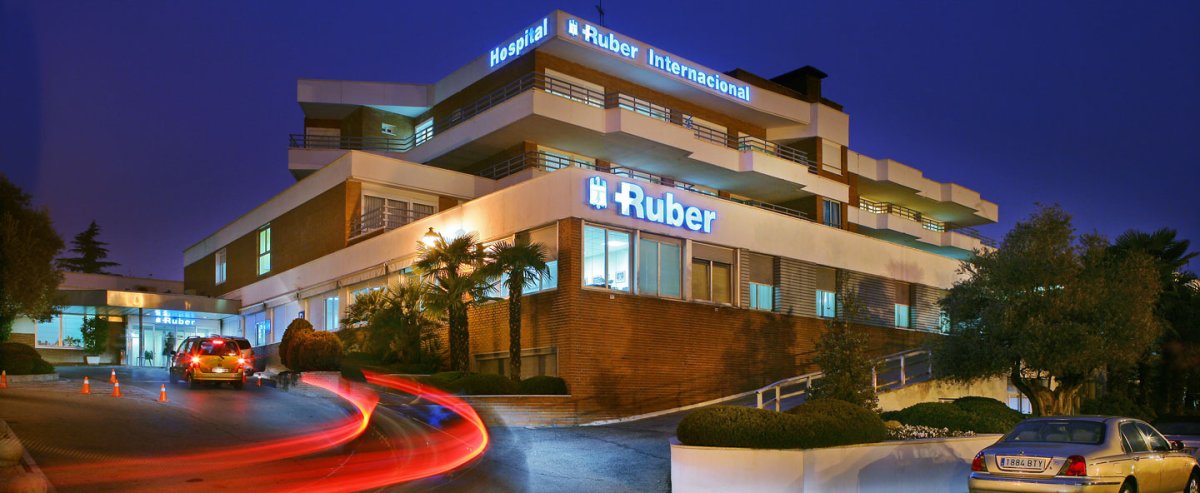
Bookimed Expert Insight: Spain’s oncology centers, including JCI-accredited Hospital Ruber Internacional and Centro Médico Teknon, use advanced monitoring for inflammatory markers. Many patients worry about visible side effects. However, our data analysis suggests a potential correlation between immune-related reactions and a robust anti-tumor response.
Patient Consensus: While most patients manage side effects with steroids, many report deep, ongoing exhaustion. They often emphasize the importance of monitoring bowel changes or skin sensitivity daily.
What immunotherapy options are available for kidney cancer in Spain?
Immunotherapy for kidney cancer in Spain includes advanced immune checkpoint inhibitors like Pembrolizumab (Keytruda), Nivolumab (Opdivo), and Ipilimumab (Yervoy). These treatments are available at JCI-accredited centers in Madrid and Barcelona, following EMA protocols for metastatic or high-risk renal cell carcinoma management.
- Main immunotherapy drugs: Keytruda, Opdivo, and Yervoy are the primary pharmacological options used.
- Treatment combinations: Surgeons often pair Nivolumab with Ipilimumab for intermediate-risk advanced cases.
- Adjuvant therapy: Pembrolizumab infusions help reduce recurrence risk for high-risk patients post-surgery.
- Accredited facilities: Clinics like Centro Médico Teknon and Hospital Ruber Internacional provide these therapies.
Bookimed Expert Insight: Spanish oncology centers like Clínica Universidad de Navarra offer a unique level of safety as the first in Spain to hold JCI accreditation. Patients seeking immunotherapy here benefit from multidisciplinary teams that manage complex immune-related side effects using protocols from the European Society for Medical Oncology.
Patient Consensus: Patients emphasize the need to monitor side effects like colitis closely during the year-long infusion schedule. Many recommend scheduling travel with 2–3 week buffers to handle post-treatment recovery comfortably.
Will Spanish public insurance (Seguridad Social) cover immunotherapy?
Spanish public insurance (Seguridad Social) covers immunotherapy for kidney cancer when deemed medically necessary. The system includes advanced biologics administered through hospital pharmacies. Patients must be registered residents with a referral from a primary doctor to a specialist to access these protocols at no direct cost.
- Coverage eligibility: Residency and active contributions to the Spanish health system are required for access.
- Hospital pharmacy: Biologic drugs are provided directly by hospitals, eliminating high out-of-pocket retail costs.
- Standard protocol: Immunotherapy is included in national oncology guidelines for advanced or metastatic cancer stages.
- Specialist referral: Treatment approval follows a strict pathway from primary care to oncology departments.
Bookimed Expert Insight: Spain hosts world-class oncology centers like Centro Medico Teknon and Clinica Universidad de Navarra, which often lead clinical trials. While public insurance covers standard immunotherapy, these JCI-accredited private facilities provide faster access to the latest AI-driven diagnostics and robotic surgery. Choosing a top-ranked facility ensures a comprehensive approach that balances public coverage with elite private technology.
Patient Consensus: Patients emphasize focusing on medical staging rather than finances since drugs are fully covered. Many recommend consulting hospital social workers to navigate administrative steps or access integrated support for side effects like fatigue.
How often will I get immunotherapy treatment in Spain?
Immunotherapy for kidney cancer in Spain typically follows a 3-week or 6-week schedule depending on your specific protocol. Doctors often administer treatments like Pembrolizumab over 1 year or in 6-cycle blocks at JCI-accredited centers in Madrid and Barcelona to ensure optimal patient response.
- Standard frequency: Patients receive infusions every 3 to 6 weeks based on dosage.
- Treatment duration: Most protocols for kidney cancer last approximately 1 year total.
- Infusion cycles: Sessions often occur in 6 cycles to monitor drug efficacy.
- Administration method: Specialists provide medications intravenously during outpatient visits at specialized oncology units.
Bookimed Expert Insight: Clinics like Hospital Ruber Internacional and Centro Médico Teknon often provide 400mg doses every 6 weeks. This extended cycle is ideal for international patients. It reduces the number of trips required compared to the standard 200mg dose given every 3 weeks.
Patient Consensus: Patients recommend completing at least 4 infusions before traveling extensively. This helps stabilize potential side effects like thyroid issues, which are manageable with daily medication.
Are clinical trials for kidney cancer immunotherapy available in Spain?
Spain offers active clinical trials for kidney cancer immunotherapy, particularly focusing on Phase II anti-PD1 agents and checkpoint inhibitors. Leading JCI-accredited centers in Madrid and Barcelona investigate advanced therapies like pembrolizumab for high-risk relapse cases and metastatic renal cell carcinoma under European Medicines Agency protocols.
- Available protocols: Access includes Phase II clinical trials and post-surgical adjuvant immunotherapy pathways.
- Leading institutions: Research occurs at Hospital Ruber Internacional, Centro Médico Teknon, and Hospital HM Nou Delfos.
- Standard therapy: Adjuvant pembrolizumab is frequently prescribed for high-risk patients following a nephrectomy.
- Monitoring schedule: Patients typically undergo diagnostic scans every 3 to 6 months to monitor recurrence.
Bookimed Expert Insight: Spain’s research network is exceptionally integrated, with centers like Clinica Universidad de Navarra holding European Society for Medical Oncology accreditation. Data shows patients often access trials here when standard therapies fail. Smart patients seek genetic testing in Spanish labs to refine their immunotherapy eligibility early.
Patient Consensus: Many patients find these trials accessible a few weeks after surgery. They highlight the importance of discussing tumor risk features, such as vena cava involvement, with an oncologist to secure enrollment.
Where can I receive immunotherapy for kidney cancer in Spain?
Patients can receive immunotherapy for kidney cancer in Spain at JCI-accredited oncology centers in Madrid, Barcelona, and Pamplona. Clinics like Centro Médico Teknon and Clínica Universidad de Navarra provide advanced adjuvant therapies, including Pembrolizumab infusions, following nephrectomy for high-risk renal cell carcinoma cases.
- Available clinics: Madrid hosts Hospital Ruber Internacional, while Barcelona offers Centro Médico Teknon.
- Accreditation standards: Facilities maintain Joint Commission International (JCI) and ESMO oncology certifications.
- Treatment schedule: Infusions typically occur every 3 to 6 weeks for one year.
- Clinical approach: Adjuvant immunotherapy specifically targets high-risk patients to prevent cancer recurrence.
Bookimed Expert Insight: While major centers in Madrid and Barcelona are popular, Clínica Universidad de Navarra stands out for global recognition. It was the first Spanish hospital to earn JCI accreditation and consistently ranks in Newsweek’s Best Specialized Hospitals. For patients seeking the highest safety benchmarks, this facility offers an elite 400-bed infrastructure dedicated to complex oncology.
Patient Consensus: Patients emphasize that treatment starts a few weeks after surgery. Many report that managing side effects like fatigue or nausea is easier with direct, consistent communication with their oncological team.