Immunotherapy for breast cancer in Spain — get 3 personalized clinic matches
Immunotherapy for breast cancer in Spain costs $2,200 to $28,000, compared with about $105,000 in the US (Bookimed data, November 2026). It is offered by Centro Médico Teknon, a JCI-accredited clinic in Barcelona. The clinic is rated 4.7/5 in 498 verified patient reviews on Bookimed.


Medically reviewed by
Yesim Yildirim
How it works
How Much Does Immunotherapy for breast cancer Cost in Spain?
Immunotherapy for breast cancer in Spain generally costs from $2,200 to $28,000. The final price depends on the specific drug protocol, such as pembrolizumab, and the number of cycles required. In the US, this procedure costs $105,000 on average. Private hospital quotes typically include medication, oncologist consultations, infusion administration, and routine monitoring.
- Drug type. Protocols using checkpoint inhibitors like Keytruda often cost more than standard monotherapy.
- Cycle frequency. Total expenditure increases with the number of infusions needed for advanced staging.
- Diagnostics. Specialized tests like PD-L1 biomarker status and PET-CT scans are typically billed separately.
- Medical hubs. Major treatment centers are primarily located in Barcelona and Madrid.
Bookimed Expert Insight. Spain is a global leader in clinical trials for triple-negative breast cancer. Specialists like Dr. Javier Cortes Castan at Centro Médico Teknon have led pivotal trials for pembrolizumab. Patients often find high value at JCI-accredited facilities like Hospital Ruber Internacional. These centers offer technologies like Da Vinci Xi and CyberKnife. General oncology price ranges in Barcelona often start around $2,150. Even top-tier specialists at EFQM-accredited Hospital HM Nou Delfos provide access to innovative targeted therapies.
| Turkey | Austria | Spain | |
|---|---|---|---|
| Immunotherapy for breast cancer | from $8,000 | ≈ $18,000 | from $2,200 |
Discover the Best Immunotherapy for breast cancer Clinics in Spain: 4 Verified Options and Prices
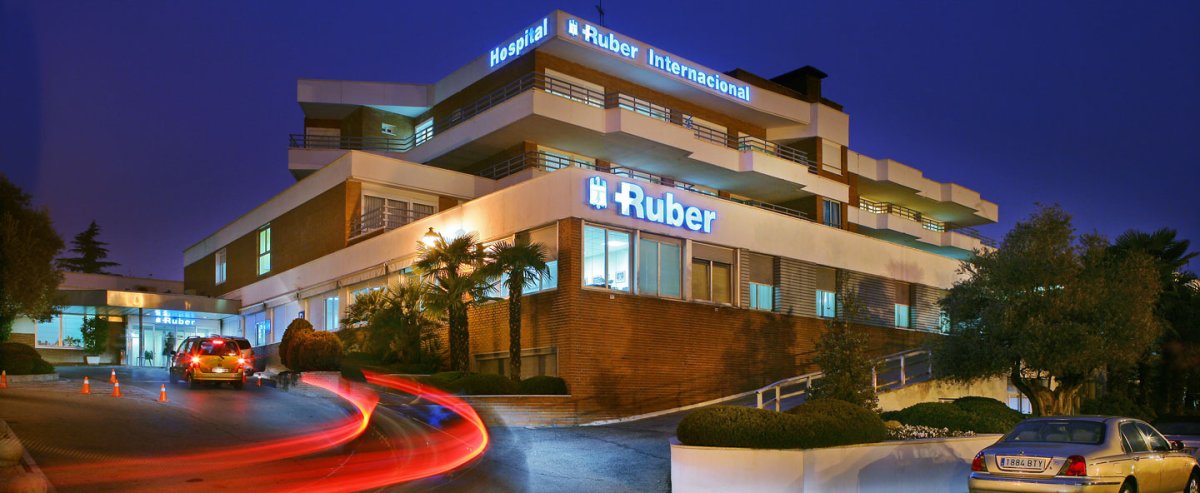


Centro Médico Teknon
Agusti Barnadas Molins









Hospital HM Nou Delfos
Joan Albanell Mestres



GenesisCare Clinics
Immunotherapy for breast cancer Overview in Spain
- Biological therapy - from $900This therapy uses living organisms to treat disease by stimulating the body"s own immune system.
- Immunotherapy - from $3,500This therapy boosts the body"s natural defenses to fight diseases like cancer, bringing less side effects.
- Immunotherapy with Keytruda (Pembolizumab) - from $13,500The therapy is a treatment enhancing the body"s immune system to fight cancer, using a drug highly targeted and effective.
- Immunotherapy for prostate cancer - from $6,000This therapy boosts the body"s immune system to fight against prostate cancer, offering a targeted, typically well-tolerated treatment.
- Immunotherapy for lung cancer - from $5,000This therapy boosts your body"s natural defenses to fight lung cancer, using substances made by the body itself.
- Immunotherapy for breast cancer - from $2,200This therapy boosts your immune system to fight and eradicate breast cancer cells effectively.
- Immunotherapy for kidney cancer - from $2,200This therapy boosts the body"s natural defenses, often prolonging life in kidney cancer patients.
- Sarcoma Immunotherapy - from $6,000This therapy boosts the body"s immune system to fight cancerous tumors, offering promising, targeted treatment for sarcoma.
Day 1 - Arrival
- Arrive at the clinic and complete the registration process.
- Meet with your oncologist to discuss the immunotherapy plan.
Day 2 - Pre-Operation
- Undergo a series of medical tests including blood tests.
- Meet with a nutritionist to discuss diet during treatment.
Day 3 - Immunotherapy
- Receive the first dose of immunotherapy in outpatient setting.
- The procedure lasts about 3-4 hours, no anesthesia needed.
Day 4 - Post-Operation
- Follow up with your oncologist to check for side effects.
- Stay in the clinic for monitoring if necessary.
Week 1 to Week 3 - Rehabilitation
- You may return to work after one week if you feel well.
- Engage in light physical activities, if tolerated.
Week 4 to Week 6 - Rehabilitation
- Depending on your condition, you may resume more strenuous activities.
- By week 6, you may start to see the effects of therapy.
Please note that each patient reacts differently to immunotherapy. Therefore, this guide might not perfectly correspond to your individual journey. Always consult with your medical team for personalized information.
What patients like:
- Cost.The Immunotherapy for breast cancer cost in Spain ranges from $2,200 to $28,000. This is significantly more affordable compared to the average cost of $50,000 in the United States.
- Doctor’s professionalism.. Patients appreciate the high level of expertise and professionalism. Doctors in Spain often hold international certificates and memberships in global oncology organizations.
- Service level. The Spanish healthcare system is known for its excellent service. Patients praise the friendly atmosphere and respect for the elderly.
- Immunotherapy for breast cancer efficacy. Many patients report successful outcomes and the use of modern techniques, which increases their confidence in the treatment.
- Logistics. Spain's well-developed infrastructure makes it easy for international patients to travel and access medical facilities.
What patients don't like:
- Waiting time. Some patients have expressed dissatisfaction with the long waiting times for appointments and procedures.
- Language barrier. Despite the presence of translators, some patients have reported difficulty in communication due to language barriers.
- Cost transparency. There have been complaints about the lack of clear information on costs, which can lead to unexpected expenses.
- Bookimed deposit: $200 or €200.
- Clinic deposit: Pay a set percentage in advance.
Our Doctors
View all DoctorsAgusti Barnadas Molins
Dr. Agusti Barnadas Molins specializes in breast cancer immunotherapy as a medical oncologist at Centro Médico Teknon. His research has earned prestigious awards.
- Member of ESMO, ASCO, and SEOM – leading oncology societies
- Vice President of Spanish Breast Cancer Research Group (GEICAM)
- PhD in oncology from Universitat de Barcelona
- European Certification in Medical Oncology from London
Javier Cortes Castan
Dr. Javier Cortés Castán, MD, PhD, is a medical oncologist. He is the Director and Founder of the International Breast Cancer Center (IBCC) at Centro Médico Teknon (Quironsalud) in Barcelona. He has 25+ years of practice. He specializes in HER2‑positive and triple‑negative breast cancer. Expertscape ranks him #1 worldwide in HER2+.
He has authored 550+ publications and given 800+ presentations. He leads 150+ active clinical trials. His work helped enable 12 metastatic breast cancer treatments approved in Europe. He was a key leader in KEYNOTE‑522, KEYNOTE‑355, and DESTINY‑Breast03. He is the only Spanish oncologist with two papers in CA: A Cancer Journal for Clinicians. He is a 2026 Giants of Cancer Care honoree. IBCC provides advanced care and access to trials. Centro Médico Teknon is JCI‑accredited.
Silvia Daniela Camacho Arellano
The doctor is a highly qualified medical oncologist specializing in breast cancer across all clinical stages, including curative and palliative care. With a medical degree from the Pontificia Universidad Católica del Ecuador and a five-year residency at Hospital de la Santa Creu i Sant Pau, the doctor holds a Master's Degree in Medical Oncology from the Spanish Society of Medical Oncology (SEOM).
Currently practicing at the International Breast Cancer Center (IBCC) and IOB Institute of Oncology Barcelona, the doctor has extensive experience in Phase I clinical trials and research. Clinical expertise extends to neuroendocrine tumors, gynecological cancers, and immunotherapy for non-small cell lung cancer. The doctor is an active member of SEOM and ESMO.

Aleix Prat
Leading researcher in breast cancer subtypes – Dr. Prat focuses on translating lab findings into personalized immunotherapy approaches at Hospital Quiron Barcelona.
- Heads Translational Genomics Group at IDIBAPS
- President of SOLTI – designs clinical trials for novel breast cancer treatments
- Pioneer in gene expression analysis for tailored therapies
- Co-founded Reveal Genomics – holds three patents in cancer research
Video Stories from Bookimed Patients
Reviews about Bookimed: Discover Patients' Insights
All reviews


Share this content
 Anna Leonova

FAQ about Immunotherapy for breast cancer in Spain
What types of breast cancer can be treated with immunotherapy in Spain?
Spanish hospitals primarily use immunotherapy to treat high-risk triple-negative breast cancer (TNBC) and HER2-positive metastatic disease. Leading oncology centers like Centro Medico Teknon utilize Pembrolizumab (Keytruda) for early-stage neoadjuvant care and Margetuximab-cmkb for advanced HER2-positive cases guided by PD-L1 biomarker testing.
- Triple-negative (TNBC): Pembrolizumab is standard for high-risk early-stage and PD-L1 positive metastatic cases.
- Neoadjuvant protocol: Specialists use combination chemotherapy plus immunotherapy to shrink tumors before surgical intervention.
- HER2-positive cases: Antibody-drug conjugates like Margetuximab-cmkb treat metastatic disease after other targeted therapies.
- High-risk luminal: Patients with hormone-positive cancers and extremely high Ki67 levels may qualify.
Bookimed Expert Insight: Spanish oncology centers like Hospital HM Nou Delfos often integrate immunotherapy into neoadjuvant protocols rather than just late-stage care. While the US average for immunotherapy is $105,000, specialized protocols in Spain range from $2,200 to $28,000. This investment often includes the Keynote-522 trial standards which prioritize aggressive early treatment to reduce recurrence risks.
Patient Consensus: Patients with triple-negative diagnoses frequently emphasize the importance of starting the Keynote-522 protocol immediately. Many find comfort in the precision biomarker testing standard in Barcelona and Madrid hospitals.
Which immunotherapy drugs are approved for breast cancer in Spain?
Pembrolizumab (Keytruda) is the primary immunotherapy drug approved in Spain for triple-negative breast cancer. It is sanctioned by the European Medicines Agency (EMA) for high-risk early-stage and metastatic cases. Sacituzumab govitecan (Trodelvy) is also used for advanced metastatic patients in Spanish oncology centers.
- Early-stage TNBC: Used with chemotherapy as neoadjuvant and adjuvant treatment per Keynote-522 protocol.
- Metastatic TNBC: Pembrolizumab is approved for PD-L1 positive tumors (CPS score ≥ 10).
- Maintenance schedule: Patients typically receive maintenance immunotherapy every 3 weeks following initial combination chemo.
- Regulatory oversight: All therapies require approval from the Spanish Agency for Medicines (AEMPS).
Bookimed Expert Insight: Spain ranks 3 in our global oncology requests due to its precision medicine focus. Leading experts like Dr. Joan Albanell Mestres at Hospital HM Nou Delfos specialize in specific neoadjuvant protocols. These protocols typically involve 3 months of combined treatment before switching to maintenance phases.
Patient Consensus: Patients emphasize asking your oncologist specifically about the Keynote-522 protocol. Many found that this combined approach significantly improved their pathological complete response rates.
Who are the leading specialists for breast cancer immunotherapy in Spain?
Leading breast cancer immunotherapy specialists in Spain include Dr. Agusti Barnadas Molins at Centro Médico Teknon and Dr. Joan Albanell Mestres at Hospital HM Nou Delfos. These experts lead research groups like GEICAM, focusing on systemic treatments for triple-negative and HER2-positive cancer subtypes.
- Dr. Agusti Barnadas Molins: Specialist with 35 years experience and founder of the GEICAM research group.
- Dr. Aleix Prat: President of SOLTI board and head of program at Hospital Quiron Barcelona.
- Dr. Joan Albanell Mestres: Oncology lead at Hospital HM Nou Delfos specializing in targeted systemic therapies.
- Hospital accreditations: Facilities like Centro Médico Teknon hold Joint Commission International and Newsweek rankings.
Bookimed Expert Insight: While Madrid hosts top-tier facilities like Hospital Ruber Internacional, Barcelona remains the primary hub for clinical trials. Surgeons here often hold patents for molecular subtyping. Choosing a Barcelona-based specialist provides direct access to these cutting-edge early-phase research protocols.
Patient Consensus: Patients emphasize the importance of verifying treatment plans with multidisciplinary tumor boards. Many highlight that leading centers strictly follow international NCCN guidelines for complex triple-negative cases.
How does immunotherapy work for breast cancer?
Immunotherapy for breast cancer strengthens the immune system to identify and eliminate malignant cells. It primarily targets the PD-1/PD-L1 pathway, removing molecular brakes that prevent T-cells from attacking tumors. This approach is standard for high-risk, early-stage triple-negative breast cancer in JCI-accredited Spanish centers.
- Systemic mechanism: Blocks PD-1 proteins to help immune cells recognize and destroy cancer cells effectively.
- Standard protocol: Utilizes Keynote 522 protocol combining Keytruda (pembrolizumab) with chemotherapy for triple-negative cases.
- Treatment duration: Requires 1 year of therapy, though experts may discuss 6-month de-escalation options.
- Clinical administration: Injected intravenously every 3 to 6 weeks at specialized medical oncology departments.
Bookimed Expert Insight: Spain has become a hub for immunotherapy due to its participation in over 70 concurrent clinical trials led by experts like Dr. Agusti Barnadas Molins. Patients often choose Barcelona because centers like Centro Médico Teknon integrate genomic profiling with PD-L1 testing. This helps determine if a tumor is likely to respond before starting the expensive 1-year protocol.
Patient Consensus: Patients report that treatment is generally more manageable than traditional chemotherapy alone, focusing on fatigue and skin rashes. Many emphasize the importance of early testing, as approximately 20% of triple-negative patients see transformative, long-term results.
What are the common side effects of immunotherapy?
Common side effects of immunotherapy include fatigue, skin rashes, and joint pain, typically peaking 1–2 weeks after infusion. While reactions are often milder than chemotherapy, they can cause immune-related inflammation in the lungs, liver, or endocrine system, sometimes appearing up to 2 years post-treatment.
- Fatigue patterns: Tiredness peaks 1–2 weeks post-infusion, generally lasting 5 to 7 days.
- Endocrine health: Regular TSH testing is required to monitor for potentially lifelong thyroid dysfunction.
- Dermatological reactions: Mild rashes or skin pigment changes may surface up to 17 days later.
- Inflammatory response: Patients often notice swelling in hands, feet, or head shortly after treatment.
Bookimed Expert Insight: Spain ranks 3rd globally for oncology requests on our platform, largely due to high-volume centers like Hospital HM Nou Delfos. Data shows that while immunotherapy is an outpatient procedure, the long-term monitoring for endocrine issues is critical. Leading Spanish oncologists like Dr. Agusti Barnadas Molins emphasize that side effects can be delayed; patients should maintain vigilance for adrenal or thyroid changes for 24 months after their final cycle.
Patient Consensus: Patients frequently highlight the importance of distinguishing immunotherapy fatigue from standard tiredness. Many report that monitoring for cold intolerance or rapid weight gain was vital for catching early thyroid issues.
Are there ongoing clinical trials for immunotherapy in Spain?
Spain is a leading global hub for immunotherapy clinical trials. It authorized over 900 trials in 2022. Oncology research occupies one-third of these studies. Major centers in Madrid and Barcelona actively test novel molecules, CAR T-cell therapies, and mRNA-based treatments alongside standard protocols.
- Research volume: Spain ranks among the top 4 European countries for clinical trial participation.
- Specialized centers: Facilities like Centro Médico Teknon and MD Anderson lead advanced oncological research.
- Active studies: Current trials include Leronlimab for triple-negative breast cancer and various Phase I molecules.
- Expert oversight: Specialists like Dr. Agusti Barnadas Molins oversee over 70 research projects annually.
Bookimed Expert Insight: While many seek trials for `new` drugs, Spain’s real strength lies in precision oncology. Leading doctors like Dr. Aleix Prat hold multiple patents for gene expression research. This expertise allows clinics to match patients with specific trials based on molecular subtypes. Most high-volume centers in Barcelona and Madrid leverage these insights to offer targeted immunotherapy options that general hospitals might overlook.
Patient Consensus: Patients emphasize that Pembrolizumab combined with chemotherapy is now the standard for triple-negative breast cancer. Many recommend using international registries to track specific Spanish trial sites for emerging therapies like Leronlimab.