Mandibular osteotomy in Thailand: costs, clinics and reviews
Bookimed lists 3 mandibular osteotomy clinics in Thailand, all in Bangkok, including ISO-certified and JCI-accredited clinics. These clinics are rated 4.6/5 in 131 verified patient reviews on Bookimed.

Last updated: Nov 20, 2026

Medically reviewed by
Fahad Mawlood
How it works
Bookimed is free for patients – clinics pay us a commission, and you pay the clinic its own price with no markup. Five steps to your lower jaw surgery in Thailand:
Share your case
Tell us about your bite and share your dental X-rays and photos of your face and bite from the front and sides.
Get treatment plans
Your coordinator finds clinics that match your needs and helps you choose. Your preferred clinics then send personalized treatment plans and quotes for you to compare.
Plan your trip
We set treatment dates that work for you and help arrange your flights and accommodation. If needed, we request a visa support letter from the clinic.
Visit the clinic
The clinic team performs your lower jaw surgery on the agreed dates. We support you throughout your trip.
Recover at home
You can fly home 7–10 days after surgery, and your result settles over 6–12 months. Your coordinator stays in touch and helps arrange a follow-up if you need one.
Some clinics ask for a deposit. A $200 or €200 deposit paid through Bookimed comes off your clinic bill and is refundable up to 10 calendar days before your visit. A deposit paid to the clinic follows its own terms.
Mandibular osteotomy Prices by Clinic in Thailand









Get matched with the best doctors for Mandibular osteotomy
Tell us about your needs — and get 3 tailored offers from top doctors for you.
Has there been any history of jaw pain or discomfort?
Direct prices from clinics
Free evaluation of your medical case
Free personal assistance 24/7
Thailand Mandibular osteotomy overview
Cost and clinics
| Typical mandibular osteotomy price in Thailand | Clinics | Accreditations | Cities | Mandibular osteotomy surgeons |
|---|---|---|---|---|
| $4,000 / ฿136,000–$6,500 / ฿221,000 | 3 clinics | ISO (2 clinics), JCI (2), GHA (1) | Bangkok (3 clinics) | 2 surgeons |
The procedure
| Before the trip | Time in Thailand | Operation time | Anesthesia | Back to desk work | Final result |
|---|---|---|---|---|---|
| Align teeth months before surgery stop smoking arrange help and soft diet | 7–10 days, including 1–3 nights in hospital | 1.5–3 hours | General | 2–4 weeks | 6–12 months |
How much does a Mandibular osteotomy cost in Thailand?
Mandibular osteotomy in Thailand is estimated from $4,000 / ฿136,000 to $6,500 / ฿221,000. The final quote depends on surgical plan, provider setting, and included care.
Mandibular osteotomy in Thailand is estimated from $4,000 / ฿136,000 to $6,500 / ฿221,000. The final quote depends on surgical plan, provider setting, and included care. In the US, this procedure costs $23,000 / ฿782,000 on average. Patients may save around 77% compared with US treatment. Available listings do not specify standard package inclusions, so patients should request an itemized quote. Bangkok is the main listed treatment city.
- Surgical plan. The planned correction and jaw movement can change the procedure’s scope.
- Provider setting. Hospital-based and dental-center care may have different quote components.
- Preoperative planning. Ask whether 3D virtual planning is included in the quoted total.
- Care inclusions. Confirm whether anesthesia, imaging, and hospital stay appear in the total.
Bookimed Expert Insight. A useful comparison looks beyond the headline fee to planning and relevant expertise. Dentalis & Dental Implant Center lists virtual surgical planning, which simulates jaw surgery in 3D. Dr. Tanongsak Panyawirunroj specializes in mandibular osteotomy and reports more than 15,000 operations. These details help patients assess what a quote represents. The available data does not confirm a procedure-specific price or package inclusions.
| Thailand | Turkey | The USA | |
|---|---|---|---|
| Mandibular osteotomy | ≈ $4,000 / ฿136,000 | from $5,000 / ฿170,000 | ≈ $16,000 / ฿544,000 |
How to choose a Mandibular osteotomy clinic in Thailand
For mandibular osteotomy in Thailand, narrow the clinic location, meet the surgeon who would operate, then confirm credentials, pre-assessment arrangements, and follow-up plans.
What to check
Start with location
Bookimed lists 3 clinics for mandibular osteotomy in Thailand – its top-ranked options are all in Bangkok.Meet the operator
Ask your oral and maxillofacial specialist to assess your jaw problem, explain risks, complications, and limits, and confirm they will perform the needed technique, not another team member.Qualification and facility
Ask whether your surgeon is licensed by the Medical Council of Thailand – ensure the clinic reviews your medical history and fitness and has appropriate surgical and pre-assessment arrangements.Plan home follow-up
Before booking, establish who will manage care after your return, including urgent problems and complications.
Discover Mandibular osteotomy Clinics in Thailand
| Clinic Name | Patient Rating | About | Accreditations | Lead Doctor | Techniques |
|---|---|---|---|---|---|
| Bumrungrad International Hospital Bangkok | 4.6 (131 reviews) | Bumrungrad International Hospital is a leading medical facility in Bangkok with extensive experience treating international patients. The hospital handles 1 million patients annually from over 190 countries. Mandibular osteotomy typically costs between $13,900–$19,400. | ISO, JCI, GHA | — | Periapical X-ray, Consultation with a maxillofacial surgeon |
| Dentalis & Dental Implant Center Bangkok | 4.9 | Virtual Surgical Planning gives Dentalis & Dental Implant Center a 3D plan for mandibular osteotomy, using CBCT scans, digital impressions, and facial scans. The team uses BSSO, CAD/CAM splints and cutting guides, plus titanium plates and screws for fixation. ERAS and nerve-safe techniques aim to limit swelling and protect lip and chin sensation. Care takes place within JCI-accredited Vejthani Hospital, with a multidisciplinary team and a typical stay of 1–3 nights. | JCI | — | BSSO, virtual surgical planning (VSP), CAD/CAM splints and cutting guides, titanium plates and screws |
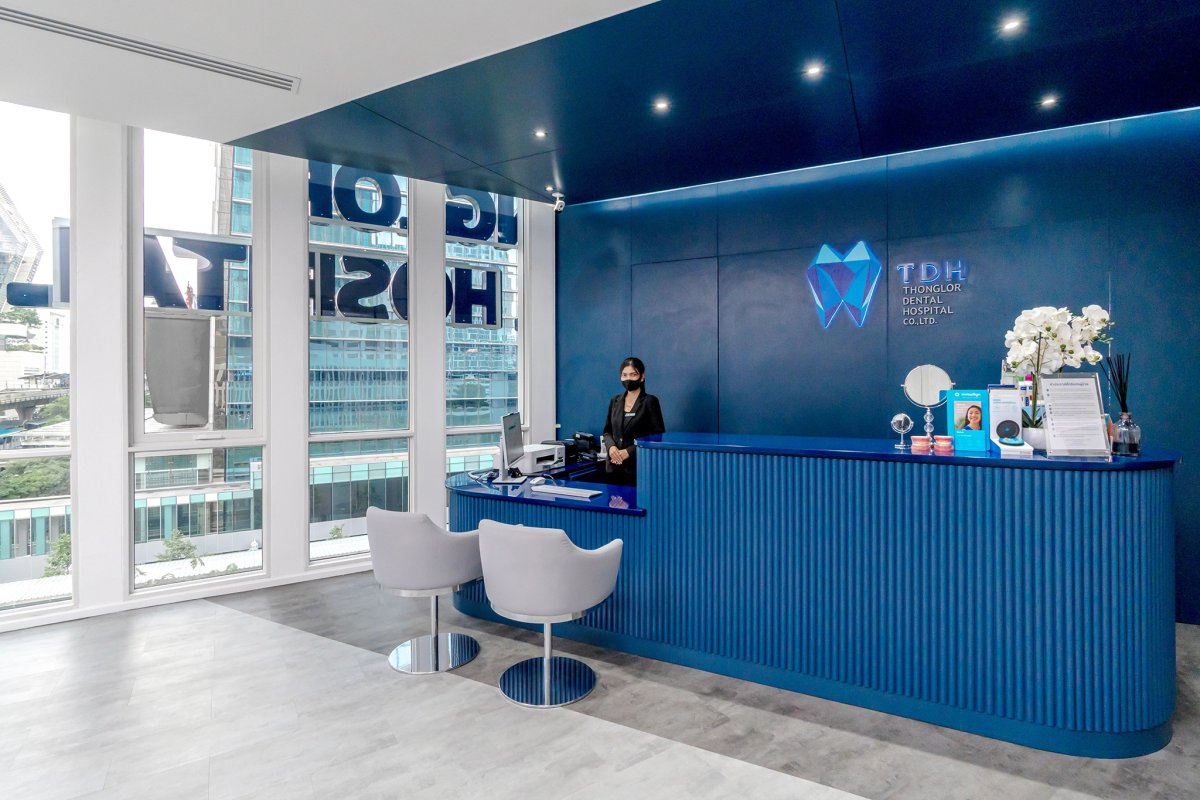
| Thonglor Dental Hospital (TDH Dental) Bangkok | — | Jaw surgery at Thonglor Dental Hospital is usually performed entirely inside the mouth, avoiding visible external scars. Planning can include CT scans, X-rays, a Morpheus 3D facial scanner, and iTero Element 5D. The oral and maxillofacial surgeon coordinates treatment with an orthodontist, with follow-up every one to two months. The Bangkok hospital holds ISO 9001:2015 certification and has treated patients from over 70 countries. | ISO | — | — |
Our Doctors
View all Doctors
Tanongsak Panyawirunroj
Dr. Tanongsak specializes in transformative procedures, including mandibular osteotomy, at Asia Cosmetic Hospital in Bangkok.
- Trained in craniofacial and cosmetic surgery at Chang Gung Memorial Hospital
- Certified in rhinoplasty and facial surgery from JW Hospital, Seoul
- Over 28 years of experience in plastic and reconstructive surgery
- Founder and managing director of ASIA Clinic

Vorapat Trachoo
Asst. Prof. Dr. Vorapat Trachoo specializes in mandibular osteotomy with dual qualifications in dentistry and medicine from Chulalongkorn University.
- Board-certified in Oral and Maxillofacial Surgery by the Thai Dental Council
- Lecturer at Chulalongkorn University's Faculty of Dentistry
- Practices at both Chulalongkorn University Hospital and Bangkok Hospital
- Trained in complex jaw surgeries during residency
Why choose Thailand for a Mandibular osteotomy
3D-planned jaw repositioning
| Typical price | vs Thailand | |
|---|---|---|
| Thailand (this page) | $4,000 – $6,500 | – |
| US | from $16,000 | +300% |
| Turkey | from $5,000 | +25% |
Mandibular osteotomy recovery timeline: what to expect week by week
You can usually fly home 7–10 days after surgery with your surgeon’s approval, after checks of swelling, airway, bite, and your first wound check. Desk-based work may resume in 14–28 days after a typical bilateral sagittal split osteotomy, while physical jobs usually need longer depending on technique and healing. Light activity may start earlier, but return to exercise is gradual over 6–12 weeks, with contact sports and heavy strain delayed until your surgeon confirms bone healing. Your result settles over 6–12 months as swelling resolves, bone heals, and sensation recovers, though orthodontic finishing may extend this timeline.
Days 0–3
Your team monitors you, manages swelling, and provides pain relief while you start a liquid diet. Keep your head elevated and do not chew.
Weeks 1–2
Swelling may peak, then gradually ease, as you progress from liquids to blended foods and care for your mouth. You may fly home after 7–10 days with your surgeon’s approval.
Weeks 2–6
You may return to light work and follow guidance on elastics, small bands that guide your bite. Keep to a soft diet and avoid contact sports.
Weeks 6–12
As your bone heals, gradually return to a normal diet and exercise. Avoid impact to your jaw until your surgeon clears you, and orthodontic finishing may continue.
Months 3–12
Any remaining swelling continues to settle, and sensation gradually returns.
When to contact your clinic: Get emergency help for trouble breathing or swallowing, or bleeding that will not stop. Contact your clinic if you have a fever above 100.4°F. For chest pain or sudden breathlessness after a long flight, seek emergency help locally.
Is a Mandibular osteotomy in Thailand safe?
Traveling to Thailand for a Mandibular osteotomy
Mandibular osteotomy in Thailand: Video Reviews from Bookimed Patients
Share this content
 Anna Leonova

FAQ about Mandibular osteotomy in Thailand
How long is the typical stay in Thailand for mandibular osteotomy and what is the recovery timeline?
International patients typically stay in Thailand for 14 to 21 days for a mandibular osteotomy. This provides 2 days for pre-operative planning, a 7 to 12 day inpatient hospital stay for monitoring, and approximately 1 week of outpatient follow-up before clearing for long-distance travel.
- Hospital stay: Expect 7 to 12 days of inpatient care for initial recovery and monitoring.
- Initial recovery: Major swelling reduces within 4 to 6 weeks after the jaw surgery.
- Dietary timeline: Patients follow a strict liquid diet for 7 days then transition to soft foods.
- Full healing: Complete bony healing and final facial definition typically require 6 to 12 months.
Bookimed Expert Insight: Thai clinics like Asia Cosmetic Hospital often require significantly longer inpatient stays than US facilities. While US patients might leave after 2 days, staying 7 to 12 days in a JCI-accredited Bangkok hospital ensures immediate professional management of peak swelling. This extended clinical oversight contributes to the high success rates seen in complex maxillofacial procedures under surgeons like Dr. Tanongsak Panyawirunroj.
Patient Consensus: Plan for a minimum of 21 days in-country to avoid complications during the peak swelling phase. Patients emphasize that the humid climate helps with initial healing but warn against flying before 10 days post-op.
Will there be visible scars on my face after a mandibular osteotomy?
A mandibular osteotomy in Thailand typically leaves no visible facial scars because surgeons perform the procedure through intraoral incisions inside the mouth. Standard techniques like Bilateral Sagittal Split Osteotomy (BSSO) access the jawbone via the gums, ensuring all surgical marks remain completely hidden.
- Incision location: Surgeons place cuts behind back molars within the oral cavity for invisible healing.
- Transbuccal marks: Tiny 2-millimeter cheek points for screw placement usually fade within a few months.
- Endoscopic assistance: Advanced Thai clinics use internal cameras to minimize tissue trauma and external marks.
- Genioplasty combined: Simultaneous chin corrections use lower lip incisions to maintain a scar-free facial appearance.
Bookimed Expert Insight: While external scars are rare, the choice of facility significantly impacts recovery aesthetics. Large centers like Bumrungrad International Hospital utilize robotic surgery and digital imaging to enhance precision. Data shows that clinics like Asia Cosmetic Hospital maintain a 0% complication rate, often attributed to surgeons like Dr. Tanongsak Panyawirunroj who hold specialized Maxillo-facial certifications. This high specialization ensures that even the tiny stab incisions required for fixation hardware are placed strategically to become virtually undetectable.
Patient Consensus: Patients report that while significant swelling can temporarily distort features for up to 3 months, actual skin scarring is non-existent. The primary reality is managing localized nerve numbness rather than worrying about visible surgical marks.
What is usually included in a mandibular osteotomy surgical package at leading Thai centers?
A mandibular osteotomy package in Thailand typically covers the surgical procedure, general anesthesia, and 1 to 3 nights of hospital stay. These all-inclusive bundles include titanium fixation materials, pre-operative 3D imaging, and surgeon fees at JCI-accredited facilities like Bumrungrad International Hospital.
- Core surgery: Includes oral and maxillofacial surgeon fees and specialized medical team support.
- Anesthesia services: Covers general anesthesia administered by board-certified anesthesiologists throughout the procedure.
- Hospitalization: Provides 1 to 3 nights in a private or VIP inpatient room.
- Medical materials: Includes rigid fixation hardware such as titanium plates and screws for stabilization.
- Post-operative care: Bundles essential antibiotics, pain relief, and initial follow-up consultations for monitoring.
Bookimed Expert Insight: Thai clinics like Asia Cosmetic Hospital often emphasize safety by having all surgeries supervised by both anesthesiologists and cardiologists. While base prices for mandibular osteotomy range from $4,000 to $6,500, choosing a center with 1,000,000 annual patients often ensures integrated access to high-tech 3D surgical planning tools.
Patient Consensus: Patients recommend confirming if the package includes specialized mouth splints and airport transfers. Most advise budgeting extra for orthodontics, as braces are typically managed as a separate treatment phase.
What are the potential risks of mandibular osteotomy?
Mandibular osteotomy risks include nerve injury, unfavorable bone fractures (bad splits), and infection. Most patients experience temporary numbness in the lower lip or chin. Permanent sensation changes occur in 25% of cases. Complications like jaw relapse or joint pain remain rare under expert care.
- Nerve injury: Affects the inferior alveolar nerve, causing temporary or permanent lip and chin numbness.
- Unfavorable fractures: Occur in 1% to 5% of cases, potentially requiring extra surgical hardware.
- Surgical infection: Rare at 1% to 11%, typically managed with antibiotics or drainage procedures.
- Bite relapse: The jaw may shift slightly, often requiring orthodontic follow-up or hardware adjustment.
Bookimed Expert Insight: Thai facilities like Asia Cosmetic Hospital report a 0% complication rate by utilizing surgeons with international credentials. Dr. Tanongsak Panyawirunroj maintains certifications from Taiwan, the USA, and Canada. This global training standard significantly reduces risks compared to local clinics lacking multi-country board certifications.
Patient Consensus: Many patients report long-term lower lip tingling and highlight the need for 3 to 6 months of local monitoring. Choosing a surgeon who specializes in maxillofacial surgery is cited as the best way to prevent asymmetry.
Will there be noticeable scars, and where are the incisions made?
Mandibular osteotomy in Thailand typically results in zero visible external scarring because surgeons use an intraoral approach. All incisions are made inside the mouth along the cheek mucosa and lower jawbone. This technique ensures that any surgical marks remain completely hidden from view during normal activity.
- Incision placement: Surgeons make incisions inside the mouth along the anterior ramus and posterior body.
- External scarring: Visible facial scars are extremely rare and usually avoided by Thai maxillofacial specialists.
- Healing timeframe: Internal tissue typically heals and scars fade completely within 6 to 12 months.
- Combined procedures: A genioplasty might add a small 2-3cm incision hidden under the chin crease.
Bookimed Expert Insight: Thai clinics like Bumrungrad International Hospital and Asia Cosmetic Hospital often prioritize the intraoral approach to maintain their high aesthetic standards. Specialized surgeons like Dr. Tanongsak Panyawirunroj utilize AO Maxillo-facial techniques that specifically target bone repositioning without skin penetration. This focus on internal access is why these facilities maintain such high international patient volumes for facial contouring.
Patient Consensus: Patients report that while the mouth feels tight initially, the lack of external marks is a major relief. Most note that any internal scarring is only visible to a dentist or when the mouth is wide open.
Are leading Thai hospitals and surgeons internationally accredited for mandibular osteotomy?
Leading Thai hospitals and surgeons for mandibular osteotomy maintain elite international accreditations, including Joint Commission International (JCI) and ISO 9001 standards. Facilities like Bumrungrad International Hospital and Asia Cosmetic Hospital operate with the same safety protocols as top-tier Western medical centers, often featuring surgeons with global fellowship training.
- Hospital accreditation: Over 50 Thai facilities hold JCI accreditation, the global gold standard for safety.
- Specialized certification: Global Health Accreditation (GHA) validates excellence specifically for international medical traveler services.
- Surgeon credentials: Top specialists hold memberships in the International Society of Aesthetic Plastic Surgery (ISAPS).
- Advanced training: Many maxillofacial surgeons completed clinical fellowships in the USA, Germany, or South Korea.
Bookimed Expert Insight: While many hospitals claim JCI status, the real differentiator for jaw surgery is the surgeon's specific craniofacial volume. Dr. Tanongsak Panyawirunroj at Asia Cosmetic Hospital, for instance, holds multiple international certificates from the USA and South Korea. This specific cross-border training contributes to the clinic's documented 0% post-surgery complication rate for mandibular procedures.
Patient Consensus: Patients emphasize the importance of verifying specific surgeon case volumes rather than relying solely on hospital-wide prestige. Many recommend requesting a detailed, written 3D surgical plan and long-term stability references before committing to treatment.
Which Thai cities are regarded as best for mandibular orthognathic surgery and what added services do they offer?
Bangkok, Chiang Mai, and Phuket are Thailand's premier hubs for mandibular orthognathic surgery. These cities feature JCI-accredited hospitals and specialized dental centers. Patients access advanced 3D imaging and maxillofacial expertise with savings of up to 77% compared to average US costs of $23,000.
- Bangkok: Features the highest density of JCI-accredited facilities and internationally trained maxillofacial surgeons.
- Chiang Mai: Home to specialized clinics like Kitcha Dental Clinic with 900+ successful procedures.
- Phuket: Offers a serene recovery environment at centers like Phuket Dental Signature for aesthetics.
- Added services: Packages often include airport transfers, multi-lingual translators, and hyperbaric oxygen therapy sessions.
Bookimed Expert Insight: While many search for the lowest price, the real value in Thailand lies in surgical synergy. At Asia Cosmetic Hospital, plastic surgeons work under the direct supervision of anesthesiologists and cardiologists. This multispecialty approach has resulted in a 0% complication rate for their 2,500 annual patients, a crucial metric for invasive mandibular corrections.
Patient Consensus: Patients emphasize that while all-inclusive packages simplify logistics, you must coordinate with a local orthodontist first. Success depends on how well the Thai surgeon and your home dentist align on your long-term dental plan.
What is included in a typical all-inclusive surgery package?
A typical all-inclusive mandibular osteotomy package in Thailand bundles the 4-6 hour surgical procedure, general anesthesia, and 1-3 nights of hospital stay. These plans generally cover surgeon fees, operating room costs, pre-operative consultations, and essential post-operative medications to ensure a seamless medical travel experience.
- Medical fees: Covers board-certified surgeons and anesthesiology services during the 4-6 hour surgery.
- Clinical stay: Includes 1-3 nights in private rooms with 24/7 specialized nursing support.
- Diagnostic tests: Bundles initial blood work, EKG, and essential pre-operative medical history reviews.
- Logistics: Often provides VIP airport transfers and dedicated bilingual coordinators for international patients.
Bookimed Expert Insight: Thailand's premier institutions like Bumrungrad International Hospital and Asia Cosmetic Hospital offer high-tech care and specialized craniofacial expertise. While packages cover immediate surgical needs and local transport, patients should budget 20% extra for long-term orthodontic care or specialized dental work. These items are rarely included in standard surgical bundles but are vital for a complete functional result.
Patient Consensus: Patients widely recommend requesting an itemized list to confirm if blood thinners and swelling medications are included after discharge. Many survivors suggest purchasing independent travel insurance since standard packages typically exclude coverage for major medical complications.
How successful is mandibular osteotomy in Thailand?
Mandibular osteotomy in Thailand is highly successful, with reported success rates exceeding 90% for correcting jaw alignment and functional malocclusion. Patients benefit from 3D computer-aided surgical planning and internationally trained maxillofacial surgeons within JCI-accredited facilities like Bumrungrad International Hospital and Asia Cosmetic Hospital.
- Success rates: Clinics report over 90% success in correcting facial asymmetry and bite.
- Predictable outcomes: Advanced 3D CBCT scans ensure skeletal stability with 99% planning accuracy.
- Specialized expertise: Surgeons often hold international certifications from the US, Canada, or Korea.
- Safety standards: Many top Bangkok hospitals maintain JCI accreditation and ISO international standards.
Bookimed Expert Insight: Thai hospitals like Asia Cosmetic Hospital report a 0% post-surgery complication rate. This often stems from surgeons like Dr. Tanongsak Panyawirunroj, who holds multiple international fellowships. Choosing a surgeon with craniofacial-specific training in Taiwan or Korea significantly improves aesthetic V-line results.
Patient Consensus: Many travelers report life-changing results and stable occlusion within 6 weeks. While satisfied with the $40,000 savings, some suggest using translation apps for smoother recovery communication.
What is the expected initial recovery timeline while staying in Thailand?
Patients undergoing mandibular osteotomy in Thailand should plan for a 10 to 21-day stay to ensure safe recovery and travel clearance. Initial healing involves 1 to 3 days of hospital monitoring followed by 7 to 12 days of local outpatient care to manage swelling and verify bone stability.
- Hospital stay: Expect 1 to 3 nights in a specialized facility like Asia Cosmetic Hospital.
- Peak swelling: Facial inflammation typically peaks between days 3 and 5 before gradually subsiding.
- Dietary transition: Most patients begin consuming soft foods by day 5 or 6 post-surgery.
- Travel readiness: Surgeons usually issue fit-to-fly certificates after day 10 to avoid pressure complications.
Bookimed Expert Insight: While basic recovery starts early, the 0% complication rate reported by some JCI-accredited clinics in Bangkok stems from extended observation. Leading surgeons often require a full 14-day local stay because minor infections or alignment shifts are most detectable during the second week of healing.
Patient Consensus: Expect to feel like you are in zombie mode for the first 10 days due to strong anti-inflammatory medications. While pain becomes manageable by day 7, patients recommend budgeting an extra $500 for potential hotel extensions if swelling lingers.
How and when can I return to normal activities after surgery?
Most patients return to non-strenuous activities within 2 to 3 weeks after mandibular osteotomy in Thailand. While light walking is encouraged by week 1, full recovery for high-impact sports or heavy lifting typically requires 8 to 12 weeks and surgical clearance.
- Initial recovery: Expect 3 to 5 days of rest due to significant facial swelling.
- Professional return: Patients typically resume desk work or remote roles after 10 to 14 days.
- Dietary transition: Liquid diets shift to soft foods by week 6 as jaw healing progresses.
- Physical exertion: Light cardio may begin at week 4, but avoid weights until week 8.
Bookimed Expert Insight: Thailand's tropical climate can actually prolong postoperative swelling by 1 to 2 weeks. Clinics like Asia Cosmetic Hospital mitigate this by having cardiologists and anesthesiologists supervise the initial 48-hour recovery phase. Plan for at least 14 days in Bangkok before flying to ensure swelling stabilizes for cabin pressure changes.
Patient Consensus: Patients emphasize that while they felt `functional` by week 2, residual numbness often made social eating difficult for 3 months. Many recommend avoiding any bending or stooping during the first month to prevent stitches from popping unexpectedly.
Last review: Nov 20, 2026
Fahad Mawlood — General practitioner. Winner of 4 scientific awards. Served in Western Asia. Former Team Leader of a medical team supporting Arabic-speaking patients. Now responsible for data processing and medical content accuracy.
Have a question about Mandibular osteotomy in Thailand?
Ask a Bookimed medical coordinator about prices, clinics, techniques or your case. Write to us in the messenger you already use.
- Direct prices from clinics
- Free evaluation of your medical case
- Free personal assistance 24/7
Ask your question in a messenger
Tap a messenger to open a chat with a Bookimed medical coordinator.
Free and without obligation · Terms of use · Privacy policy