Medication therapy for Systemic Lupus Erythematosus in Thailand: costs, clinics and reviews
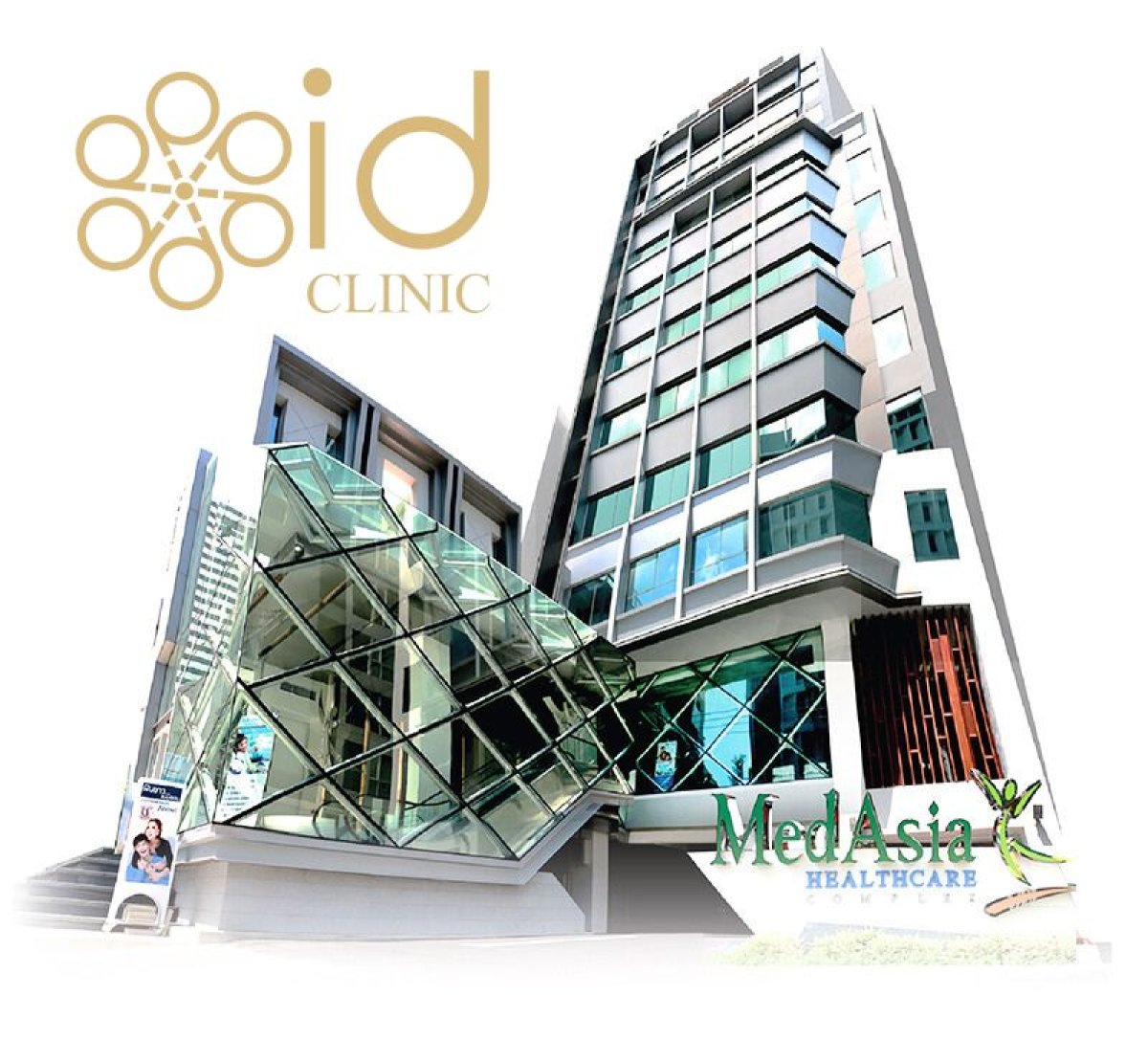
Medication therapy for systemic lupus erythematosus in Thailand is offered by ID Clinic Bangkok. The clinic is rated 4.4/5 in 132 verified patient reviews on Bookimed.

Last updated: 11/12/2026
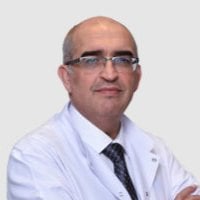
Medically reviewed by
Kayhan Turan
How it works
Bookimed is free for patients – clinics pay us a commission, and you pay the clinic its own price with no markup. Five steps to your medication for lupus in Thailand:
Share your case
Tell us about your lupus and share your recent medical reports and test results.
Get treatment plans
Your coordinator finds clinics that match your needs and helps you choose. Your preferred clinics then send personalized treatment plans and quotes for you to compare.
Plan your trip
We set treatment dates that work for you and help arrange your flights and accommodation.
Visit the clinic
The clinic team starts your medication for lupus on the agreed dates. We support you throughout your trip.
Back home
You can fly home after a 5–10-day stay, with disease control building over 3–6 months. Your coordinator stays in touch and helps arrange a follow-up if you need one.
Some clinics ask for a deposit. A $200 or €200 deposit paid through Bookimed comes off your clinic bill and is refundable up to 10 calendar days before your visit. A deposit paid to the clinic follows its own terms.
Medication therapy for Systemic Lupus Erythematosus Prices by Clinic in Thailand
Get matched with the best doctors for Medication therapy for Systemic Lupus Erythematosus
Tell us about your needs — and get 3 tailored offers from top doctors for you.
Do you have any medical records related to your issue?
Direct prices from clinics
Free evaluation of your medical case
Free personal assistance 24/7
Thailand Medication therapy for Systemic Lupus Erythematosus overview
Cost and clinics
| Typical medication therapy for systemic lupus erythematosus price in Thailand | Clinics | Accreditations | Cities |
|---|---|---|---|
| $800 / ฿27,200–$1,600 / ฿54,400 | 1 clinic | RCST | Bangkok |
The procedure
| Before the trip | Time in Thailand | Nights in hospital | Operation time | Anesthesia | Back to desk work | Final result |
|---|---|---|---|---|---|---|
| Bring rheumatology records and recent labs; screen for hepatitis and tuberculosis; baseline blood, liver, kidney, eye tests; review medications and vaccination; discuss pregnancy plan | 1–3 visits; ongoing therapy continued at home (first trip 5–10 days) | None (outpatient procedure) | 1–3 hours | None | Within 2 days | 3–6 months |
How much does a Medication therapy for Systemic Lupus Erythematosus cost in Thailand?
Medication therapy for systemic lupus erythematosus in Thailand is estimated from $800 / ฿27,200 to $1,600 / ฿54,400. The final amount depends on medication choice, disease severity, monitoring needs, and hospital setting.
| Thailand | Turkey | Austria | |
|---|---|---|---|
| Medication therapy for Systemic Lupus Erythematosus | ≈ $800 / ฿27,200 | ≈ $900 / ฿30,600 | ≈ $2,400 / ฿81,600 |
How to choose a Medication therapy for Systemic Lupus Erythematosus clinic in Thailand
For medication therapy for systemic lupus erythematosus in Thailand, meet the treating doctor, confirm their qualifications and role, assess the clinic setting, then plan who will manage follow-up at home.
What to check
Doctor consultation
Meet the treating clinician before booking, discuss your medical history, confirm they will handle key treatment steps, and ask about similar lupus cases.Credentials and setting
Ask whether your clinician is licensed by the Medical Council of Thailand, qualified and trained for lupus, and whether the care setting suits your treatment.Home follow-up
Ask who will coordinate follow-up, transfer your medical notes, and manage care once you return home.Patient reviews
Read comments about the doctor, care, and trip, not only the score – ask about similar cases treated to understand the clinician’s experience.
Discover Medication therapy for Systemic Lupus Erythematosus Clinics in Thailand
| Clinic Name | Patient Rating | About | Accreditations | Lead Doctor | Techniques |
|---|---|---|---|---|---|
| ID Clinic Bangkok Bangkok | 4.4 (137 reviews) | ID Clinic Bangkok specializes in comprehensive medical care with a focus on plastic surgery and aesthetic medicine. The clinic serves 4,000+ patients annually with high success rates across various procedures. While primarily known for cosmetic treatments, the facility offers multi-specialty care including medication therapy for complex conditions. | — | — | — |
Medication therapy for Systemic Lupus Erythematosus recovery timeline: what to expect week by week
You can fly home after 5–10 days, once your regimen is set and baseline laboratory results are ready. You can usually return to desk work within 2 days, depending on disease activity and infusion schedules. Light activity can continue as tolerated, and you may resume exercise within 0–1 week depending on disease activity and fatigue. Disease control builds gradually over 3–6 months, though response to kidney inflammation may take longer.
Days 1–10
Your assessment includes an examination and laboratory tests, followed by regimen setup, dose adjustments, and teaching. Your team explains the regimen and how to follow it.
Weeks 2–12
Symptoms gradually improve, and your team may taper (reduce) steroids as disease control allows. Avoid sun exposure without protection and live vaccines. Routine disease and laboratory monitoring is usually arranged within 28–90 days, often with your home rheumatologist.
Months 3–6 onward
You continue the lowest effective doses with regular laboratory monitoring, so keep your monitoring schedule. A routine review within 180–365 days can assess response, flares, and medication side effects, with periodic eye screening if you take hydroxychloroquine.
When to contact your clinic: Contact your clinic promptly for vision problems or signs of infection. A new rash or easy bruising also warrants a call. For chest pain or sudden breathlessness after a long flight, seek emergency help locally.
Traveling to Thailand for a Medication therapy for Systemic Lupus Erythematosus
Medication therapy for Systemic Lupus Erythematosus in Thailand: Video Reviews from Bookimed Patients
Thailand Medication therapy for Systemic Lupus Erythematosus Reviews at Bookimed: Discover Patients' Insights
View allShare this content
 Anna Leonova
FAQ about Medication therapy for Systemic Lupus Erythematosus in Thailand
What medications are commonly used to treat systemic lupus erythematosus (SLE) in Thailand, and is the medication list different from global standards?
Thailand follows international Systemic Lupus Erythematosus (SLE) protocols using hydroxychloroquine, corticosteroids, and immunosuppressants. While medications align with global standards, clinical application follows Asia-Pacific League of Associations for Rheumatology (APLAR) guidelines. These emphasize earlier renal screening and specific infection prophylaxis for regional concerns like tuberculosis.
- Standard therapy: Hydroxychloroquine remains the cornerstone for nearly all patients in Thailand.
- Severe cases: Pulse methylprednisolone and cyclophosphamide manage life-threatening manifestations like lupus nephritis.
- Steroid-sparing agents: Mycophenolate mofetil and azathioprine are frequently used for long-term maintenance.
- Advanced biologics: FDA-approved treatments like belimumab and rituximab are available for refractory cases.
Bookimed Expert Insight: While drug lists match Western standards, Thai rheumatologists often prioritize screening for tuberculosis and hepatitis before starting heavy immunosuppression. Patients can access generic hydroxychloroquine for under $15 monthly. This makes long-term maintenance significantly more affordable than in the US.
Patient Consensus: Patients report that while biological drugs face some approval lags, high-quality generics offer a sustainable way to manage flares. Many appreciate the integrated care approach, sometimes combining standard medications with monitored supplements like turmeric.
Is treatment for SLE in Thailand safe? How is medication safety monitored?
Treatment for systemic lupus erythematosus (SLE) in Thailand is safe. Specialist centers in Bangkok follow ACR and APLAR international protocols. Medication safety is managed through the National Pharmacovigilance system. The Thai FDA monitors adverse reactions via the Health Product Vigilance Center.
- Clinical standards: Specialists utilize American College of Rheumatology classification and treatment criteria.
- Regulatory oversight: The Thai FDA manages drug safety through the Health Product Vigilance Center.
- Patient reporting: Patients report adverse events directly via the AE Online Reporting Program.
- Quality monitoring: Rheumatologists perform regular ANA profiles, kidney biopsies, and organ function tests.
Bookimed Expert Insight: Private hospitals in Bangkok offer closer follow-up compared to public facilities. While 145 clinics serve the region, quality is highest in the capital. Patients should verify medication origins directly with hospital pharmacists. This prevents issues with off-label or counterfeit drugs occasionally found in Southeast Asia.
Patient Consensus: Patients value the affordable access to hydroxychloroquine and corticosteroids. Many recommend keeping a Western rheumatologist for second opinions during major dosing changes.
What are the potential side-effects or long-term risks of the maintenance medicines I might receive while in Thailand?
Lupus maintenance medications in Thailand include hydroxychloroquine, methotrexate, and corticosteroids, which carry risks like retinal toxicity, liver fibrosis, and bone marrow suppression. While these drugs are widely available as cost-effective generics, they require consistent monitoring through bloodwork and specialized screenings to ensure long-term safety.
- Ocular health: Hydroxychloroquine requires annual eye exams to detect early-stage retinal toxicity.
- Organ monitoring: Long-term methotrexate use necessitates frequent liver function tests and complete blood counts.
- Cumulative effects: Chronic steroid use often leads to osteoporosis, cataracts, and secondary hypertension.
- Infection risk: Immunosuppressants like mycophenolate can increase susceptibility to cytomegalovirus or shingles.
Bookimed Expert Insight: Thailand-based clinics often provide these maintenance drugs as high-quality generics, making long-term therapy significantly more affordable. However, the real value lies in bundling. Some providers include baseline laboratory panels and specialized diagnostics in their initial treatment fee, which ranges from $800 to $1,600.
Patient Consensus: Patients emphasize that while folate supplements manage methotrexate side effects for 80% of users, initial gastrointestinal upset remains a common hurdle. Many suggest bringing your previous medical records to facilitate smoother prescription adjustments in Thai facilities.
Do Thai rheumatologists possess the qualifications and experience necessary for SLE management?
Thai rheumatologists are exceptionally qualified for systemic lupus erythematosus (SLE) management. Most hold a Diploma of the Thai Subboard of Rheumatology. Many specialists also earn American or British board certifications. They follow international Asia-Pacific League of Associations for Rheumatology (APLAR) guidelines for biologic and immunosuppressant therapies.
- Specialized training: Doctors frequently complete clinical fellowships in the United States, United Kingdom, or Australia.
- Advanced therapies: Private Bangkok hospitals provide immediate access to biologics like belimumab and rituximab.
- Clinical standards: Specialists follow evidence-based protocols from the Thai Rheumatism Association for lupus nephritis.
- Multidisciplinary care: Centers of Excellence integrate nephrologists and dermatologists for complex organ involvement cases.
Bookimed Expert Insight: While Thailand has approximately 250 rheumatologists for 70 million people, the expertise is highly concentrated. Top-tier private hospitals in Bangkok employ specialists who handle significantly higher volumes of complex SLE cases than provincial doctors. This clinical density often leads to faster stabilization for patients requiring advanced medication adjustments.
Patient Consensus: Patients recommend seeking care at major Bangkok institutions to ensure access to English-speaking specialists. Many suggest bringing complete medical records to bypass diagnostic delays and start targeted drug therapies immediately.
How long will I need to stay in Thailand for an initial treatment plan and follow-up evaluation?
Patients typically require 7 to 14 days in Thailand for initial lupus medication therapy. This window allows for comprehensive diagnostic workups, drug sensitivity monitoring, and dosage adjustments. Specialized clinics in Bangkok often finalize treatment plans and discharge protocols within 5 to 7 days.
- Initial workup: Complete clinical evaluations and lab tests usually finish within 48 hours.
- Medication stabilization: Doctors monitor initial drug responses for 3 to 5 days safely.
- Follow-up timing: Physical return visits are generally scheduled 1 to 3 months later.
- Digital integration: Many Bangkok providers use telehealth apps for routine monthly medication tweaks.
Bookimed Expert Insight: Thailand's medical infrastructure excels at rapid diagnostic turnaround. While US patients often wait weeks for specialized lupus panels, major Bangkok hospitals deliver results in 24 hours. This efficiency allow patients to receive a 3-month medication supply and return home much sooner than expected.
Patient Consensus: Patients frequently highlight the convenience of leaving with a full medication bridge. Most found that using mobile apps for follow-ups reduced the need for frequent international travel.
Where in Thailand are the best, English-friendly hospitals or clinics for comprehensive SLE care?
Bangkok is the primary hub for English-friendly systemic lupus erythematosus care in Thailand. Top-tier private institutions like Bumrungrad International and Bangkok Hospital Headquarter feature dedicated rheumatology centers. These facilities employ Western-trained specialists fluent in English to manage complex multi-organ lupus cases and specialized medication protocols.
- Bumrungrad International: Multidisciplinary teams manage complex cases with over 50% international patient volume.
- Bangkok Hospital: Features a dedicated Arthritis and Rheumatic Clinic with specialized Expat Care wings.
- Vejthani Hospital: JCI-accredited facility highly rated by expatriates for clear communication in English.
- Samitivej Sukhumvit: Provides 24/7 English support and efficient management of long-term medication refills.
Bookimed Expert Insight: While luxury private hospitals in Bangkok offer the smoothest experience, savvy patients often transition to Siriraj Piyamaharajkarun for long-term maintenance. This private wing of Thailand's oldest university hospital provides access to senior medical professors. It maintains high English proficiency at more competitive rates for routine monitoring and stable therapy.
Patient Consensus: Patients recommend flying to Bangkok for initial consultations and complex flares before seeking regional care. Many suggest using hospital mobile apps for teleconsults and confirm that most lupus medications are easily available at local pharmacies.
Are tele-rheumatology and prescription continuity supported after I leave Thailand?
Tele-rheumatology and prescription continuity are supported through international patient portals at major Thai hospitals. Most facilities provide virtual follow-ups for medication adjustments and medical summaries. However, cross-border prescription fulfillment is legally restricted, typically requiring a local physician to bridge care after departure.
- Virtual consultations: Major hospitals offer remote appointments for chronic Lupus management and treatment plan adjustments.
- Medical documentation: Specialists provide detailed summaries and lab reports to facilitate care transfer home.
- Travel supply: Patients can legally carry up to a 90-day supply of personal medications.
- Shipping restrictions: International medication delivery is often blocked by customs or strict export laws.
- Bridge prescriptions: Surgeons typically issue a 3-month prescription to cover the transition to local care.
Bookimed Expert Insight: Thai rheumatologists often use the MorProm app to maintain 2-year continuity for non-controlled medications. While a session costs roughly $30 to $100, these e-prescriptions are most effective when using international mail-order services. Always request a physical signed summary before leaving to avoid the common 2-month medication gaps reported by patients.
Patient Consensus: Many patients successfully use telehealth for 6 months post-departure. However, they warn that customs frequently seize mailed medications like hydroxychloroquine, making an immediate local rheumatologist appointment essential.
Last review: 11/12/2026
Kayhan Turan — Dr. Kayhan Turan is an orthopedic surgeon specializing in robotic-assisted joint replacement and sports medicine. He performed Turkey's first robotic knee and hip replacements and has completed over 3,500 robotic surgeries.
Have a question about Medication therapy for Systemic Lupus Erythematosus in Thailand?
Ask a Bookimed medical coordinator about prices, clinics, techniques or your case. Write to us in the messenger you already use.
- Direct prices from clinics
- Free evaluation of your medical case
- Free personal assistance 24/7
Ask your question in a messenger
Tap a messenger to open a chat with a Bookimed medical coordinator.
Free and without obligation · Terms of use · Privacy policy