Radiation therapy for Brain Tumor in Thailand: costs, clinics and reviews
Radiation therapy for brain tumor in Thailand is offered by Bumrungrad International Hospital, an ISO-certified and JCI-accredited clinic in Bangkok. The clinic is rated 4.6/5 in 131 verified patient reviews on Bookimed.

Last updated: 11/13/2026

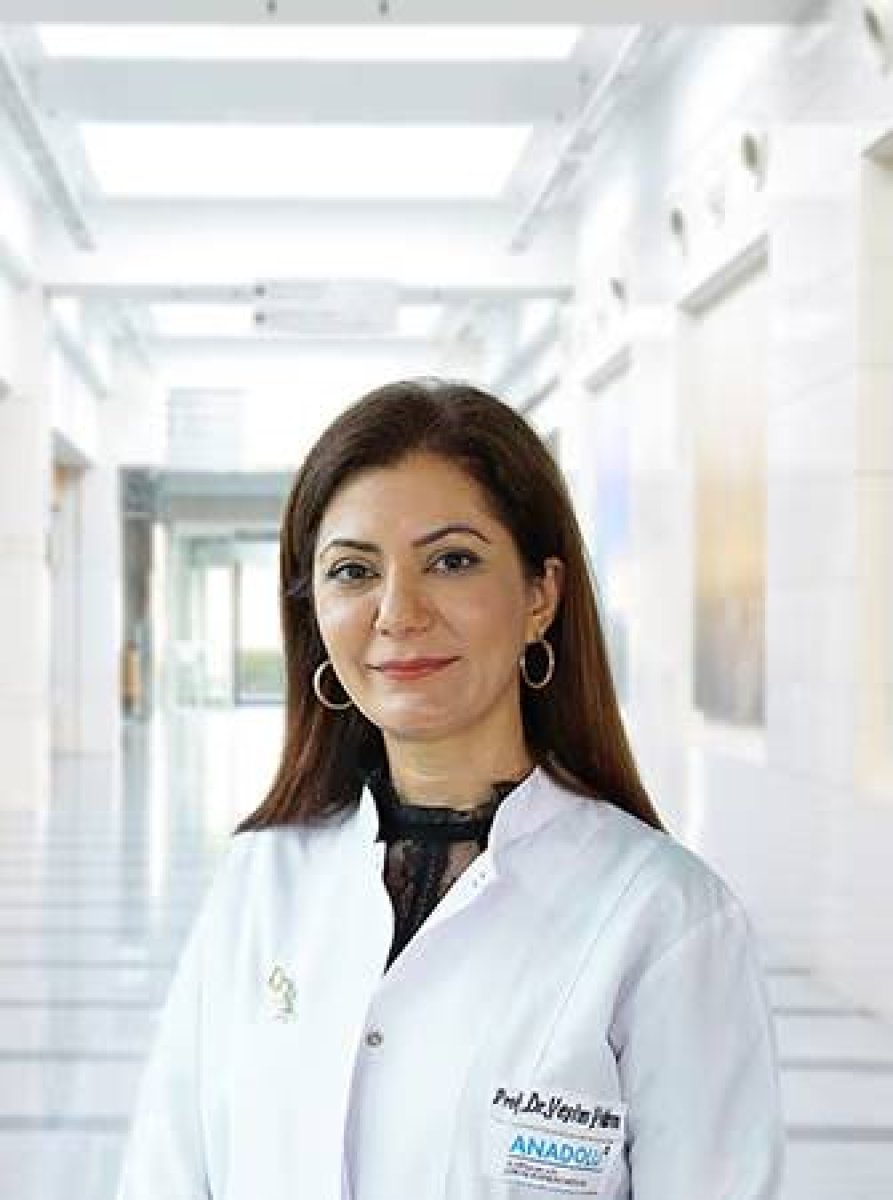
Medically reviewed by
Yesim Yildirim
How it works
Bookimed is free for patients – clinics pay us a commission, and you pay the clinic its own price with no markup. Five steps to your radiation therapy for a brain tumor in Thailand:
Share your case
Tell us about your brain tumor and share your latest scans and medical reports.
Get treatment plans
Your coordinator finds clinics that match your needs and helps you choose. Your preferred clinics then send personalized treatment plans and quotes for you to compare.
Plan your trip
We set treatment dates that work for you and help arrange your flights and accommodation.
Visit the clinic
The clinic team starts your radiation therapy for a brain tumor on the agreed dates. We support you throughout your trip.
Back home
You can fly home 1–3 days after treatment, and the result is assessed over 3–6 months. Your coordinator stays in touch and helps arrange a follow-up if you need one.
Some clinics ask for a deposit. A $200 or €200 deposit paid through Bookimed comes off your clinic bill and is refundable up to 10 calendar days before your visit. A deposit paid to the clinic follows its own terms.
Radiation therapy for Brain Tumor Prices by Clinic in Thailand









Get matched with the best doctors for Radiation therapy for Brain Tumor
Tell us about your needs — and get 3 tailored offers from top doctors for you.
Do you have any medical records related to your issue?
Direct prices from clinics
Free evaluation of your medical case
Free personal assistance 24/7
Thailand Radiation therapy for Brain Tumor overview
Cost and clinics
| Typical radiation therapy for brain tumor price in Thailand | Clinics | Accreditations | Cities |
|---|---|---|---|
| $9,000 / ฿306,000–$19,000 / ฿646,000 | 1 clinic | ISO, JCI, GHA | Bangkok |
The procedure
| Before the trip | Time in Thailand | Nights in hospital | Operation time | Anesthesia | Back to desk work | Final result |
|---|---|---|---|---|---|---|
| Plan CT and MRI fusion, custom mask, multidisciplinary review, follow steroid and anti-seizure instructions | 20–30 visits over about 4–6 weeks (first trip 1–3 days) | None (outpatient procedure) | 15–30 minutes | None | 7–30 days | 3–6 months |
How much does a Radiation therapy for Brain Tumor cost in Thailand?
Radiation therapy for a brain tumor in Thailand is estimated from $9,000 / ฿306,000 to $19,000 / ฿646,000. This is an estimate, not a clinic quote.
| Thailand | Turkey | Austria | |
|---|---|---|---|
| Radiation therapy for Brain Tumor | ≈ $9,000 / ฿306,000 | from $5,000 / ฿170,000 | ≈ $25,000 / ฿850,000 |
Discover Radiation therapy for Brain Tumor Clinics in Thailand
| Clinic Name | Patient Rating | About | Accreditations | Lead Doctor | Techniques |
|---|---|---|---|---|---|
| Bumrungrad International Hospital Bangkok | 4.6 (131 reviews) | Bumrungrad International Hospital is a JCI-accredited facility specializing in neurosciences, with advanced radiation therapy for brain tumors. The hospital serves over 1 million patients annually from 190+ countries and ranks among the top 10 globally. It features dedicated oncology units with cutting-edge radiation technology. | ISO, JCI, GHA | — | Brain MRI, MRI of one area |
Is a Radiation therapy for Brain Tumor right for you?
Radiation therapy for Brain Tumor recovery timeline: what to expect week by week
With your doctor's approval, you can usually fly home 1–3 days after your last fraction. You may return to work 7–30 days after the final fraction, depending on fatigue, job demands, and seizure control. Light walking can start early, while strenuous or contact exercise may take 1–4 weeks, depending on fatigue, seizure control, and your oncologist's advice. Follow-up MRI assesses the tumor response over 3–6 months, although tumor type or pseudoprogression may delay assessment.
Weeks 1–6
You attend weekday outpatient sessions, with 20–30 visits over about 4–6 weeks. Fatigue, scalp redness, and hair loss can build gradually. Use gentle scalp care and take steroids or anti-seizure medicines as directed.
Weeks 1–4 after treatment
With your doctor's approval, you can fly home 1–3 days after your last fraction. Side effects may peak, then ease, while fatigue can persist for weeks. Rest as needed, avoid strenuous exercise, and keep the treated scalp out of the sun.
Months 3–6
A follow-up MRI assesses the tumor's response. Delayed effects, including memory changes or necrosis (tissue damage), may appear.
When to contact your clinic: Contact your clinic about a new or worsening headache, confusion, or speech changes. Seek emergency help for seizure activity. For chest pain or sudden breathlessness after a long flight, seek emergency help locally.
Traveling to Thailand for a Radiation therapy for Brain Tumor
Radiation therapy for Brain Tumor in Thailand: Video Reviews from Bookimed Patients
Thailand Radiation therapy for Brain Tumor Reviews at Bookimed: Discover Patients' Insights
View allShare this content
 Anna Leonova
FAQ about Radiation therapy for Brain Tumor in Thailand
Which are Thailand's leading hospitals for brain-tumor radiation therapy?
Thailand's leading hospitals for brain tumor radiation therapy include Bumrungrad International Hospital, Bangkok Hospital (Wattanosoth), and Samitivej Sukhumvit. These JCI-accredited facilities specialize in high-precision stereotactic radiosurgery using CyberKnife, EDGE, and TrueBeam technologies to target complex lesions with sub-millimeter accuracy while preserving healthy brain tissue.
- Bumrungrad International: Features the Horizon Regional Cancer Center providing advanced CyberKnife and VMAT treatments.
- Bangkok Hospital: Utilizes the EDGE Radiosurgery System for real-time tracking of complex brain tumors.
- Samitivej Sukhumvit: Offers Volumetric-Modulated Arc Therapy (VMAT) specifically for acoustic neuromas and complex cases.
- Ramathibodi Hospital: Operates a dedicated Radiosurgery Center specializing in X-Knife technology since 1997.
Bookimed Expert Insight: While private centers like Bumrungrad serve 50% international patients, their technological edge lies in MRI-based daily beam adjustments. Data shows these top-tier clinics often bundle neuro-oncology consultations with hotel stays. This integration reduces the logistical burden for patients requiring multi-session stereotactic treatments.
Patient Consensus: Patients emphasize choosing JCI-accredited hospitals over smaller clinics to ensure access to TrueBeam systems. Many recommend coordinating pathology slide transfers in advance to speed up the treatment planning process.
What advanced radiation technologies are used for brain tumors in Thailand?
Thailand utilizes high-precision radiation technologies like Proton Beam Therapy, Gamma Knife, and CyberKnife for brain tumors. Major centers in Bangkok provide advanced platforms including EDGE Radiosurgery and Volumetric Modulated Arc Therapy (VMAT). These systems target tumors with sub-millimeter accuracy while protecting healthy brain tissue.
- Proton beam therapy: Uses precise energy depth to treat tumors near vital brain structures.
- Stereotactic radiosurgery: Delivers concentrated radiation via Gamma Knife or robotic CyberKnife systems.
- Linear accelerators: Features TrueBeam and EDGE technology for rapid, high-intensity tumor targeting.
- Advanced modulation: Employs VMAT and Tomotherapy for 360-degree radiation delivery around the head.
Bookimed Expert Insight: While many countries offer standard radiotherapy, Thailand stands out for its concentration of specific high-end platforms. Bumrungrad International Hospital is one of the few global facilities ranked as a top-30 most technologically advanced clinic. This allows patients to combine advanced radiation like Gamma Knife with AI-driven diagnostics under one roof. Standard brain tumor radiation here typically costs $9,000 to $19,000, offering significant value compared to US averages of $35,000.
Patient Consensus: Patients often find that Gamma Knife is paired with surgical debulking in Thai hospitals. They recommend confirming the specific equipment generation, such as CyberKnife M6, directly with the facility before booking.
What overall success and disease-control rates are reported for brain-tumor radiation in Thailand?
Brain tumor radiation in Thailand achieves disease-control rates between 70% and 90% for most cases. Specialized centers reach 95% control for benign conditions like meningiomas using stereotactic radiosurgery. High success stems from Joint Commission International accredited facilities utilizing advanced IMRT, VMAT, and EDGE radiosurgery technologies.
- Benign tumors: Meningiomas and pituitary adenomas show 100% 5-year local progression-free survival.
- Pediatric cases: Low-grade tumors treated with stereotactic radiation achieve 87.5% 1-year local control.
- Medulloblastoma outcomes: Specialized protocols deliver a 74.2% 5-year overall survival rate for patients.
- Technology impact: Precision systems like Gamma Knife maintain 90% control for tumors under 10ml.
Bookimed Expert Insight: Retrospective data indicates that 50% of patients at top-tier Bangkok centers are international. This high volume of complex cases drives superior results. Facilities like Bumrungrad International Hospital integrate AI and digital imaging. These tools help surgeons maintain control rates that rival top US medical institutions.
Patient Consensus: Patients emphasize the importance of requesting surgeon-specific 5-year statistics during initial consultations. Many report complete tumor stability at 2-year follow-ups after receiving precision radiosurgery for meningiomas.
What is the typical daily and weekly radiation schedule for a brain tumor?
A typical radiation schedule for brain tumors involves daily sessions five days per week, usually Monday through Friday. Standard treatment courses last 3 to 6 weeks, totaling 15 to 30 fractions. This frequency allows healthy brain tissue to recover during two-day weekend breaks while targeting malignant cells.
- Daily frequency: Patients receive one radiation dose per day during the five-day work week.
- Session duration: Total clinic visits take 30 to 60 minutes including precise patient positioning.
- Active radiation: The actual delivery of the radiation beam lasts only 2 to 5 minutes.
- Course length: Glioblastoma typically requires a full 6-week course totaling 30 treatment fractions.
- Palliative care: Shorter schedules of 1 to 2 weeks focus on rapid symptom relief.
Bookimed Expert Insight: Thailand’s top facilities like Bumrungrad International Hospital utilize JCI-accredited protocols that mirror Western standards. While the 6-week schedule is standard, patients often save over 60% compared to US costs. These centers manage high international volumes, ensuring staff are highly proficient in complex immobilization techniques.
Patient Consensus: Patients report that fatigue and cognitive effects typically peak around the third week. Many emphasize that weekend breaks are essential for physical recovery during the intensive treatment period.
What side-effects can I expect during or after brain-tumor radiation, and how are they managed?
Brain tumor radiation in Thailand causes temporary fatigue, hair loss, and scalp irritation. Side effects typically emerge within 2–3 weeks of starting therapy. Specialists at JCI-accredited centers like Bumrungrad International Hospital manage these symptoms using steroids, anti-emetics, and personalized skin care protocols.
- Fatigue management: Schedule 20-minute naps and maintain light activity like short daily walks.
- Hair and skin: Use fragrance-free cleansers and Aquaphor to soothe radiation-induced scalp dermatitis.
- Nausea control: Doctors prescribe anti-emetic medications and recommend small, bland, cold-temperature meals.
- Brain swelling: Surgeons use dexamethasone to reduce edema-related headaches and potential seizure risks.
Bookimed Expert Insight: Technical excellence at top Thai oncology centers often includes ISO-certified protocols. Bumrungrad International Hospital serves over 1 million patients yearly with a high international volume. Their experience managing 190+ nationalities means they prioritize comprehensive discharge planning for foreign patients.
Patient Consensus: Many patients describe the fatigue as bone-deep exhaustion starting in week 3. They frequently recommend preparing a nausea meal plan and hydrating aggressively with 3 liters of water daily.
Last review: 11/13/2026
Yesim Yildirim — 20 years of experience Medical oncologist, ESMO certified
Have a question about Radiation therapy for Brain Tumor in Thailand?
Ask a Bookimed medical coordinator about prices, clinics, techniques or your case. Write to us in the messenger you already use.
- Direct prices from clinics
- Free evaluation of your medical case
- Free personal assistance 24/7
Ask your question in a messenger
Tap a messenger to open a chat with a Bookimed medical coordinator.
Free and without obligation · Terms of use · Privacy policy