Radiation Therapy for Brain Tumor in Spain — Get 3 Top Clinic Matches with Costs
Radiation therapy for brain tumor in Spain costs $7,000 to $14,000, compared with about $33,500 in the US (Bookimed data, November 2026). It is offered by GenesisCare Clinics in Madrid.


Medically reviewed by
Yesim Yildirim
How Much Does Radiation therapy for Brain Tumor Cost in Spain?
Radiation therapy for brain tumor in Spain typically costs from $7,000 to $14,000. The final price depends on the technology used, number of sessions, and city. Patients save around 69% compared to the US, where the average cost is $33,500. Standard inclusions often cover treatment planning, radiotherapy sessions, and initial follow-up consultations in major hubs like Madrid and Barcelona.
- Stereotactic radiosurgery: Typically adds a premium for high-precision Gamma Knife or CyberKnife technology.
- Proton therapy: Costs significantly more due to specialized equipment available in select Madrid centers.
- Intensity-modulated radiation therapy: Often priced higher than standard radiotherapy but offers better healthy tissue protection.
- Diagnostic preparation: Factors like PET/CT scans and spectroscopy MRIs add to the base treatment cost.
Bookimed Expert Insight: Choosing a network like GenesisCare or Hospital HM Nou Delfos provides access to diverse technologies. GenesisCare offers a wide price bracket from approximately $4,700 to $14,150 across various radiotherapy types. For complex pediatric cases, SJD Barcelona Children's Hospital is a top-3 European institution. It combines molecular medicine with advanced oncology to ensure precision for patients under 18.
| Turkey | Austria | Spain | |
|---|---|---|---|
| Radiation therapy for Brain Tumor | from $5,000 | ≈ $9,000 | from $7,000 |
Your Benefits and Guarantees with Bookimed
Transparent Prices & Flexible Installments
No hidden fees – just official clinic prices. Pay at the clinic for Radiation therapy for Brain Tumor upon arrival and use a flexible installment plan if needed.
Verified Clinics & Doctors Only
Bookimed is committed to your safety. We only work with medical institutions that maintain high international standards in Radiation therapy for Brain Tumor and have the necessary licenses to serve international patients worldwide.
Free 24/7 Assistance
Bookimed offers free expert assistance. A personal medical coordinator supports you before, during, and after your treatment, solving any issues. You're never alone on your Radiation therapy for Brain Tumor journey.

Your personal Bookimed medical coordinator
- Supports you at every stage
- Helps choose the right clinic and doctor
- Ensures quick and convenient access to information
Discover the Best Radiation therapy for Brain Tumor Clinics in Spain: 4 Verified Options and Prices





Hospital HM Nou Delfos
Rodrigo Rocamora





GenesisCare Clinics
Radiation therapy for Brain Tumor Overview in Spain
- Radiotherapy - from $5,000This therapy uses high-energy waves to destroy cancer cells, providing a non-surgical treatment with few side effects.
- Stereotaxic radiosurgery - from $13,500This therapy targets tumors with precise radiation, avoiding damage to surrounding tissues.
- Radiosurgery of a brain tumor - from $15,000This therapy selectively targets brain tumors, using precise radiation to eliminate cells while sparing surrounding tissue.
- Radiation therapy for colorectal cancer - from $10,000This procedure uses high-energy rays to destroy colorectal cancer cells, an effective and targeted treatment method.
- Radiation therapy for brain tumor - from $12,000This therapy aims to destroy brain tumors using high-energy rays, reducing symptoms and improving survival rates.
- Radiotherapy for throat cancer - from $18,000This therapy aims to destroy throat cancer cells using high-energy radiation, improving survival and symptom control.
- Radiotherapy for prostate cancer - from $17,600This therapy targets prostate tumors with radiation, annihilating cancer cells while preserving healthy tissue.
- Radiotherapy for lung cancer - from $8,000This therapy aims to kill cancer cells in the lungs using high-energy x-rays.
- Radiotherapy for breast cancer - from $15,000This therapy aims to eliminate cancer cells in the breast using controlled radiation.
- Radiotherapy for uterine cancer - from $18,000This therapy targets damaging uterine cancer cells, involving multiple sessions of radiation, often resulting in high success rates.
- Radiotherapy for cervical cancer - from $18,000A non-invasive procedure uses high-energy beams to destroy cervical cancer cells.
- Radiation therapy for stomach cancer - from $17,000This therapy kills stomach cancer cells using high-energy rays, offering a targeted, non-surgical treatment option.
- Radiation therapy for testicular cancer - from $4,000This therapy targets cancer cells in testicles using high-energy beams, destroying them while sparing healthy tissue.
- Radiation therapy for kidney cancer - from $6,000This therapy uses high-energy rays to destruct kidney cancer cells, providing a non-surgical, targeted treatment option.
- Radiation therapy for esophageal carcinoma - from $6,000This therapy targets esophageal cancer cells with high-energy rays, destroying them while sparing healthy tissues.
- Radiation therapy for bowel cancer - from $5,000This therapy targets harmful cells in the bowel, eliminating them with precise, high-energy rays to combat cancer.
- Radiation therapy for ovarian cancer - from $9,000The therapy uses high-energy rays to destroy cancer cells, targeting only the ovaries, thus minimizing side effects.
- Radiation Therapy for Sarcomas - from $12,000This therapy targets and destroys sarcoma cells, using controlled radiation, preserving surrounding tissue, for effective, non-invasive treatment.
- Radiation therapy for Brain Tumor - from $7,000This therapy uses high-energy rays to destroy or shrink malignant cells, sparing healthy brain tissue.
Day 1
- Arrive in the country and transfer to the hotel.
- Rest and acclimate to the new environment.
Day 2
- Transfer from hotel to clinic.
- Consult with oncologist and neurosurgeon.
- Undergo necessary medical tests.
Day 3
- Review test results with specialists.
- Prepare for radiation therapy procedure.
Day 4
- Undergo radiation therapy for brain tumor.
- Procedure lasts 1-2 hours, no anesthesia required.
Day 5
- Recover in the individual chamber at the clinic.
- Monitor for any potential side effects.
Day 6
- Post-operation check-up with specialists.
- Plan for follow-up care and rehabilitation.
Day 7
- Transfer from clinic to hotel.
- Rest and prepare for departure.
Day 8
- Departure and transfer to the airport.
Week 1-4 Post-Operation
- Rehabilitation at home, under local doctor"s supervision.
- Limit physical activities and return to work gradually.
Week 5-8 Post-Operation
- Resume normal activities, as comfortable.
- Continue follow-up care with local doctor.
Please note each patient"s experience with radiation therapy for a brain tumor may vary significantly depending on individual circumstances.
- Bookimed deposit: $200 or €200.
- Clinic deposit: Pay a set percentage in advance.
Our Doctors
View all Doctors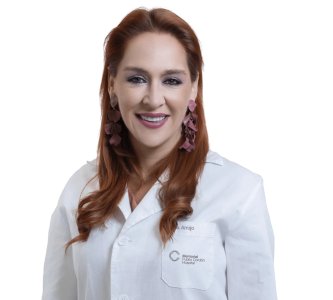
Elisabeth Arrojo Álvarez
Dr. Elisabeth Arrojo Alvarez is a radiation oncologist at Publio Cordon Memorial Hospital in Madrid. She specializes in targeted radiation therapy for lung, breast, and pancreatic cancers. Dr. Arrojo Alvarez treats patients at a JCI-accredited facility that meets international standards for surgical safety.
She uses radiotherapy and radiosurgery to treat tumors, including cases of esophageal and colon cancer. Dr. Arrojo Alvarez also performs CyberKnife procedures for lung cancer to deliver radiation while sparing healthy tissue. She works within a network of 100 doctors in Spain.
Rodrigo Rocamora
Dr. Rodrigo Rocamora is a neurologist who leads the epilepsy department at Hospital HM Nou Delfos. In 2019, he headed the team performing Spain's first laser interstitial thermal therapy for epilepsy. He focuses on drug-resistant epilepsy, sleep relations, and complex neurological syndromes. Dr. Rocamora is a professor at UPF University and a PhD graduate from Bonn University.
- He treats drug-resistant epilepsy using surgical and medical methodologies.
- Dr. Rocamora is a member of the European Reference Network (EPI-Care).
- He serves as a specialist in the CSUR network for complex epilepsy cases.
- The doctor has published research on cognitive impairments in Alzheimer patients.
Video Stories from Bookimed Patients
Reviews about Bookimed: Discover Patients' Insights
All reviews


Share this content
 Anna Leonova

FAQ about Radiation therapy for Brain Tumor in Spain
What are the most common side effects of brain radiation?
Brain radiation commonly causes fatigue, localized hair loss, and skin irritation near the treatment area. Patients often experience headaches, nausea, or cognitive changes like memory gaps. Advanced techniques in Spain, including Gamma Knife ICON or CyberKnife, help minimize these acute side effects by targeting tumors with high precision.
- Fatigue levels: Tiredness peaks 7–10 days post-treatment and usually resolves within 3 months.
- Dermatological reactions: The scalp may become red, dry, or itchy where beams enter.
- Neurological symptoms: Temporary brain swelling can trigger dizziness, increased pressure, or increased seizure risk.
- Cognitive impact: Memory loss or difficulty articulating words may persist for months after therapy.
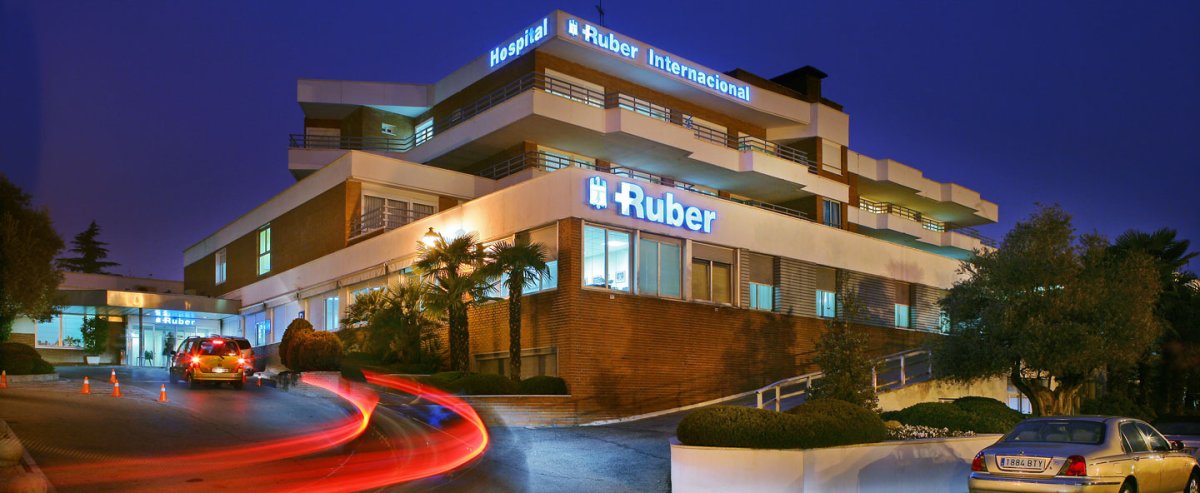
Bookimed Expert Insight: Spain hosts elite facilities like Hospital Ruber Internacional and SJD Barcelona, utilizing specialized tools like Gamma Knife ICON for pediatric and adult cases. Data shows that while basic radiotherapy is affordable, sophisticated proton therapy or CyberKnife centers dominate the Spanish market. Patients should ask about radiation necrosis, as some Spanish clinics offer specialized neurorehabilitation through partnerships like the one between HM Nou Delfos and Institut Guttmann.
Patient Consensus: Many patients report a metallic taste or altered smell alongside significant mental fatigue during the fourth week. Those who experienced delayed headaches or dizziness emphasized the importance of immediate follow-up to check for potential brain swelling.
Will I feel anything or be radioactive during external treatments?
External radiation treatments for brain tumors are entirely painless and do not make you radioactive. The radiation beams pass through your body instantly without leaving any residue. You can safely interact with children and pregnant women immediately after leaving the clinic.
- Physical sensation: You will not feel, see, or smell the radiation during the session.
- Treatment duration: Actual beam delivery typically lasts approximately 2 minutes per session.
- Immobilization discomfort: Any physical pressure comes from the head frame or mask, not the radiation.
- Safety status: External beam radiation leaves no active radiation inside your system after treatment.
Bookimed Expert Insight: Spanish centers like Hospital Ruber Internacional utilize Gamma Knife ICON and CyberKnife to minimize healthy tissue exposure. While the sessions are short, fatigue often peaks 2–3 weeks into the course. Some patients may also experience a temporary increase in symptoms 7–10 days after the final session due to cumulative effects.
Patient Consensus: Patients report that the immobilization mask feels tight, but the radiation itself is imperceptible. Most individuals find the post-treatment fatigue more significant than any sensation during the procedure.
How does radiation therapy work against a brain tumor?
Radiation therapy eradicates brain tumors by delivering high-energy beams to destroy the DNA within cancer cells. This targeted damage halts their ability to grow and divide. Unlike tumor cells, healthy brain tissue possesses a superior capacity to repair itself after controlled radiation exposure.
- Mechanism of action: High-energy beams break DNA strands to prevent cancer cell replication and spread.
- Advanced modalities: Specialized options include Gamma Knife ICON, CyberKnife, and Tomotherapy for precision targeting.
- Proton therapy advantages: Protons release energy directly into the tumor, sparing surrounding healthy brain tissue.
- Treatment goals: Radiation effectively shrinks primary tumors or kills remaining cells following surgical resection.
Bookimed Expert Insight: Spain offers a high density of advanced radiotherapy technology. Centers like Hospital Ruber Internacional and GenesisCare provide access to both Gamma Knife ICON and CyberKnife. This variety allows doctors to choose the most precise tool for specific tumor shapes. Clinics here often manage high volumes, with some serving 450,000 patients annually, ensuring deep technical expertise.
Patient Consensus: Patients often experience fatigue peaking after four weeks and may notice unusual sensations like a copper smell. Many emphasize that prioritizing hydration and steroids helps manage brain swelling effectively during the recovery phase.
What is typically included in a Spanish medical tourism package?
Spanish medical tourism packages for brain tumor radiation therapy typically include advanced radiotherapy techniques like Gamma Knife ICON or CyberKnife, surgical fees, and oncology consultations. These comprehensive plans bundle diagnostic imaging, medical billing coordination, and travel logistics such as airport transfers and local accommodation assistance.
- Medical services: Covers radiotherapy planning, physicist fees, and specialized oncology follow-up appointments.
- Advanced technology: Access to non-invasive systems like Tomotherapy and Gamma Knife ICON.
- Logistics support: Includes airport pick-up, drop-off, and dedicated international patient department assistance.
- Administrative coordination: Features multilingual support, medical billing transparency, and treatment cost estimation.
Bookimed Expert Insight: Spanish centers like Hospital Ruber Internacional leverage high-density technology typically found only in top-tier research hubs. Choosing a package in Madrid or Barcelona often includes access to 3-Tesla MRI and molecular labs. These tools refine radiation targeting to protect healthy brain tissue more effectively.
Patient Consensus: Patients value direct coordination with neuro-oncology departments to secure precise pre-arrival treatment plans. Many emphasize confirming that packages include post-treatment follow-up and local stay support near the clinic.
What are the main medical hubs for oncology in Spain?
Spain's primary oncology hubs are located in Barcelona and Madrid, offering specialized care through centers like Hospital Ruber Internacional and SJD Barcelona Children’s Hospital. These cities lead in research and advanced radiation techniques like Gamma Knife ICON and CyberKnife for complex brain tumors.
- Madrid hub: Hosts JCI-accredited Hospital Ruber Internacional and the Spanish National Cancer Research Center (CNIO).
- Barcelona hub: Home to SJD Barcelona Children’s Hospital, a global leader in pediatric oncology cases.
- Advanced networks: GenesisCare Clinics provide global expertise in specialized tomotherapy and brachytherapy across Madrid locations.
- Private healthcare: Hospital HM Nou Delfos connects patients to extensive neurorehabilitation networks in Barcelona.
Bookimed Expert Insight: While Madrid excels in adult neuro-oncology at Forbes-ranked facilities, Barcelona dominates the pediatric sector. SJD Barcelona Children’s Hospital manages 450,000 patients annually. Large private networks like HM Nou Delfos offer seamless care via specialized neurorehabilitation partnerships often missed by public hospitals.
Patient Consensus: Patients emphasize coordinating through international patient offices to simplify logistics and bridge language gaps. Many recommend verifying insurance eligibility or EHIC coverage with specialized clinics before traveling for radiotherapy.