Radiation Therapy for Sarcomas in Spain — get 3 personalized clinic matches
Radiation therapy for sarcomas in Spain costs $12,000 to $16,500, compared with about $41,500 in the US (Bookimed data, November 2026). Bookimed lists 2 radiation therapy for sarcomas clinics in Spain, in Barcelona and Madrid. These clinics are rated 4.7/5 in 496 verified patient reviews on Bookimed.

Medically reviewed by
Yesim Yildirim
How it works
How Much Does Radiation Therapy for Sarcomas Cost in Spain?
Radiation Therapy for Sarcomas in Spain typically costs from $12,000 to $16,500. The total price depends on the specific radiation technique, the number of sessions, and the clinic location. Patients save around 66% compared to the US, where the average price is $41,500. Standard therapy packages in Madrid and Barcelona usually include treatment planning, CT simulation, and all radiation sessions.
- Proton therapy: Typically represents the most advanced and high-cost option, often ranging from $26,000 to $66,000.
- IMRT: Intensity-modulated radiation therapy prices fluctuate between $10,000 and $25,000 based on case complexity.
- Stereotactic radiosurgery: Specialized techniques like CyberKnife or SBRT generally cost between $12,000 and $21,000.
- Standard radiotherapy: Basic external beam radiation protocols for sarcomas often start from approximately $5,000.
Bookimed Expert Insight: Spain offers elite specialized care for both adults and children. SJD Barcelona Children's Hospital is a top 3 European institution for pediatric oncology. For adults, Centro Médico Teknon in Barcelona provides JCI-accredited care. It is a preferred choice for global celebrities and athletes. This high volume of 23,500 annual operations ensures technical proficiency. Choosing these established hubs guarantees access to the latest generation tomotherapy and CyberKnife systems.
| Turkey | Austria | Spain | |
|---|---|---|---|
| Radiation Therapy for Sarcomas | from $4,000 | from $6,700 | from $12,000 |
Discover the Best Radiation Therapy for Sarcomas Clinics in Spain: 4 Verified Options and Prices








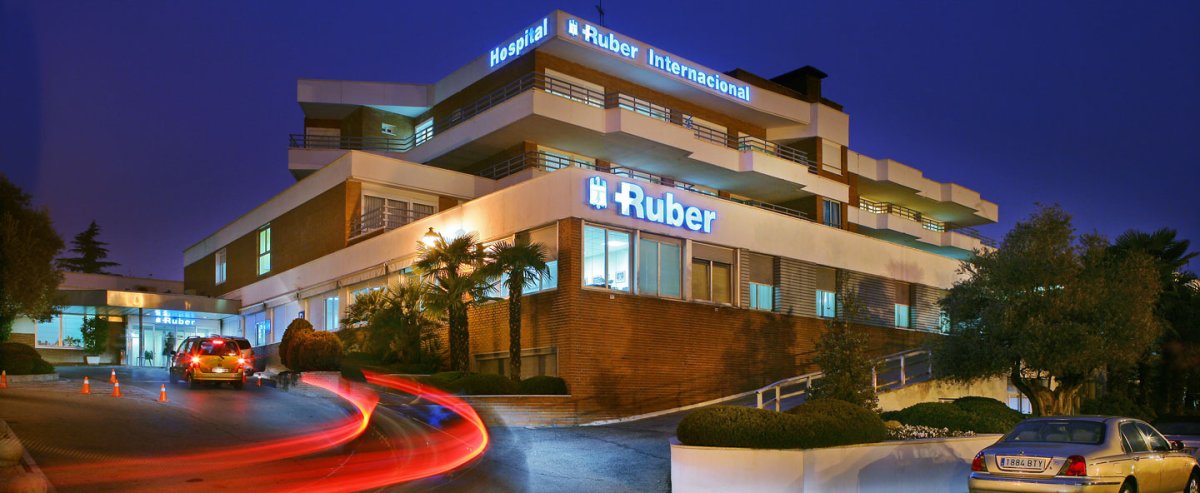




GenesisCare Clinics
Radiation Therapy for Sarcomas Overview in Spain
- Radiotherapy - from $5,000This therapy uses high-energy waves to destroy cancer cells, providing a non-surgical treatment with few side effects.
- Stereotaxic radiosurgery - from $13,500This therapy targets tumors with precise radiation, avoiding damage to surrounding tissues.
- Radiosurgery of a brain tumor - from $15,000This therapy selectively targets brain tumors, using precise radiation to eliminate cells while sparing surrounding tissue.
- Radiation therapy for colorectal cancer - from $10,000This procedure uses high-energy rays to destroy colorectal cancer cells, an effective and targeted treatment method.
- Radiation therapy for brain tumor - from $12,000This therapy aims to destroy brain tumors using high-energy rays, reducing symptoms and improving survival rates.
- Radiotherapy for throat cancer - from $18,000This therapy aims to destroy throat cancer cells using high-energy radiation, improving survival and symptom control.
- Radiotherapy for prostate cancer - from $17,800This therapy targets prostate tumors with radiation, annihilating cancer cells while preserving healthy tissue.
- Radiotherapy for lung cancer - from $8,000This therapy aims to kill cancer cells in the lungs using high-energy x-rays.
- Radiotherapy for breast cancer - from $15,000This therapy aims to eliminate cancer cells in the breast using controlled radiation.
- Radiotherapy for uterine cancer - from $18,000This therapy targets damaging uterine cancer cells, involving multiple sessions of radiation, often resulting in high success rates.
- Radiotherapy for cervical cancer - from $18,000A non-invasive procedure uses high-energy beams to destroy cervical cancer cells.
- Radiation therapy for stomach cancer - from $17,000This therapy kills stomach cancer cells using high-energy rays, offering a targeted, non-surgical treatment option.
- Radiation therapy for testicular cancer - from $4,000This therapy targets cancer cells in testicles using high-energy beams, destroying them while sparing healthy tissue.
- Radiation therapy for kidney cancer - from $6,000This therapy uses high-energy rays to destruct kidney cancer cells, providing a non-surgical, targeted treatment option.
- Radiation therapy for esophageal carcinoma - from $6,000This therapy targets esophageal cancer cells with high-energy rays, destroying them while sparing healthy tissues.
- Radiation therapy for bowel cancer - from $5,000This therapy targets harmful cells in the bowel, eliminating them with precise, high-energy rays to combat cancer.
- Radiation therapy for ovarian cancer - from $9,000The therapy uses high-energy rays to destroy cancer cells, targeting only the ovaries, thus minimizing side effects.
- Radiation Therapy for Sarcomas - from $12,000This therapy targets and destroys sarcoma cells, using controlled radiation, preserving surrounding tissue, for effective, non-invasive treatment.
- Radiation therapy for Brain Tumor - from $7,000This therapy uses high-energy rays to destroy or shrink malignant cells, sparing healthy brain tissue.
Day 1: Arrival
- Check-in at the clinic"s reception.
- Meet with your attending physician for initial consultation.
- Undergo necessary blood tests and imaging scans.
Day 2: Pre-Operation
- Meet with oncologist to discuss treatment plan.
- Receive details about the radiation therapy procedure.
- A simulation process is done to plan the therapy.
Day 3: Radiation Therapy
- Arrive at the radiation department.
- No need for anesthesia as the process is painless.
- Procedure lasts for 15-30 minutes, depending on the area.
- The machine rotates around you, delivering radiation.
Day 4: Post-Operation
- Stay in the clinic for a few hours for observation.
- Meet with your doctor to discuss any possible side effects.
- Receive instructions for care at home.
Week 1-6: Rehabilitation
- Continue with daily activities as tolerated.
- Regular follow-up appointments with your oncologist.
- Gradual return to work around week 4-6, depending on individual recovery.
Please note that each patient"s experience may vary and the above timeline is a general guideline.
- Bookimed deposit: $200 or €200.
- Clinic deposit: Pay a set percentage in advance.
Our Doctors
View all Doctors
Lopez Ibor
Over 32 years specializing in pediatric oncology – Dr. Lopez Ibor leads the Pediatric Hematology and Oncology Unit at HM Montepríncipe.
- Expert in bone and brain tumors, leukemia, and hematological diseases
- Trained in Pediatric Hematology and Oncology at the University of Maryland
- Author of numerous national and international scientific publications
- Previously directed the Pediatric Hematology and Oncology Unit at Clínica San Rafael

Raimon Miralbell
Dr. Raimon Miralbell leads the Radiation Oncology Department at Centro Médico Teknon. He focuses on prostate cancer treatment. He conducts research with CERN, the European Organization for Nuclear Research. Dr. Miralbell trained at Harvard Cyclotron Laboratory and the Royal Marsden Hospital.
- Uses targeted techniques like Gammaknife, Cyberknife, SIRT, and IMRT.
- Authored over 100 scientific publications on prostate cancer and proton therapy.
- Winner of the Varian Award from the Swiss Society of Radiobiology.
- Treats patients at Centro Médico Teknon, a JCI-accredited facility in Barcelona.
Video Stories from Bookimed Patients
Reviews about Bookimed: Discover Patients' Insights
All reviews


Share this content
 Anna Leonova
FAQ about Radiation Therapy for Sarcomas in Spain
Which are the best clinics for radiation therapy for sarcomas in Spain?
Centro Medico Teknon and Hospital Ruber Internacional are top-tier Spanish clinics for sarcoma radiation therapy. These JCI-accredited facilities offer advanced technologies like CyberKnife and Tomotherapy. Specialized centers utilize multidisciplinary tumor boards to ensure precise targeting for both soft tissue and bone sarcomas.
- Elite accreditation: Top clinics hold Joint Commission International (JCI) and European Foundation for Quality Management certifications.
- Advanced technology: Facilities utilize CyberKnife, Tomotherapy, Brachytherapy, and Gamma Knife ICON for complex tumor targeting.
- Pediatric expertise: SJD Barcelona Children’s Hospital is a premier European center for young adult sarcomas.
- Expert leadership: Dr. Lopez Ibor at HM Monteprincipe leads pediatric units with over 20 years experience.
Bookimed Expert Insight: Spain offers a significant technological advantage with the Quironsalud Proton Therapy Centre in Madrid. Proton beam therapy is often preferred for sarcomas near vital organs. Bookimed data shows these advanced treatments cost $12,000 to $16,500. This represents savings of up to 66% compared to the US average of $41,500.
Patient Consensus: Patients emphasize the value of multidisciplinary tumor boards for personalized care. Many suggest seeking second opinions at MD Anderson Madrid for specific sarcoma subtype expertise.
Does Spain offer modern radiation techniques like proton therapy for sarcomas?
Spain provides advanced radiation techniques for sarcomas, including proton therapy at specialized centers in Madrid and Pamplona. These facilities use high-precision systems like robotic positioning to deliver energy directly to tumors, achieving success rates up to 74% for specific bone sarcomas.
- Available technology: Facilities utilize CyberKnife, Gamma Knife ICON, and MRI-LINACs for non-invasive tumor targeting.
- Leading centers: Quironsalud Madrid and Clinica Universidad de Navarra pioneered proton beam therapy in Spain.
- Specialized expertise: Pediatric units like SJD Barcelona handle complex cases like Ewing sarcoma with multidisciplinary teams.
- Treatment precision: Modern protocols like intraarterial chemotherapy and tomotherapy minimize damage to surrounding healthy tissues.
Bookimed Expert Insight: While proton therapy is the gold standard for precision, Spain’s high-volume centers often recommend MRI-LINACs as a versatile alternative. Clinics like Hospital Ruber Internacional serve 25,000 patients annually using these high-precision photon techniques. This allows for real-time tumor tracking which is critical for sarcomas located near vital organs.
Patient Consensus: Patients emphasize the importance of verifying specific sarcoma protocols with oncology centers. They often find high-precision photon therapy to be an effectively modern alternative if proton therapy is not clinically required.
What are the most common types of radiation therapy used for soft tissue sarcoma?
The most common radiation therapies for soft tissue sarcoma include External Beam Radiation Therapy (EBRT), Intensity-Modulated Radiation Therapy (IMRT), and Brachytherapy. Specialized centers in Spain also utilize Proton therapy and CyberKnife to deliver precise high-energy beams while sparing critical surrounding tissues and organs.
- External Beam Radiation: Uses high-energy X-rays to target tumors from outside the body.
- Intensity-Modulated Therapy: Advanced EBRT using 3D imaging to vary beam intensity and angles.
- Proton therapy: Targeted beams preferred for tumors near critical nerves or blood vessels.
- Brachytherapy: Places radioactive sources directly into or near the tumor site internaly.
- Stereotactic techniques: CyberKnife delivers narrow, high-dose beams for patients ineligible for surgery.
Bookimed Expert Insight: Spain’s oncology network, including GenesisCare and Hospital Ruber Internacional, integrates Tomotherapy and CyberKnife technology even for palliative cases. While curative post-operative radiation is standard, these facilities successfully use targeted radiation to manage pain in 15,000 patients annually. This high volume ensures specific expertise in managing complex surgical margins.
Patient Consensus: Patients emphasize distinguishing between standard photon radiation and proton therapy for tumors near vital organs. Many recommend using lotion twice daily and keeping limbs elevated to manage common skin irritation and swelling during the treatment course.
What are the typical side effects of sarcoma radiation treatment?
Common side effects of sarcoma radiation treatment include fatigue and localized skin reactions like redness, peeling, or dryness. Patients may experience site-specific symptoms, such as nausea or lymphedema. Most acute reactions resolve within weeks, though some long-term changes to tissue or bone strength can persist.
- Skin irritation: Targeted areas often develop sunburn-like symptoms, requiring zinc-based creams or protective ointments.
- Cumulative fatigue: Energy levels frequently drop as treatment progresses, sometimes affecting many daily activities.
- Internal inflammation: Pelvic radiation may lead to diarrhea, while neck treatment often causes swallowing difficulties.
- Late effects: Persistent symptoms include muscle atrophy, restricted joint motion, and increased bone fracture risks.
Bookimed Expert Insight: Spanish centers like Hospital Ruber Internacional and GenesisCare utilize precise technologies like CyberKnife and Tomotherapy to minimize healthy tissue exposure. These high-tech approaches prioritize sparing vital structures, which is critical since Spanish oncology protocols often integrate radiation with intraarterial chemotherapy to enhance local tumor control while managing systemic toxicity.
Patient Consensus: Patients emphasize that fatigue can feel sudden and overwhelming, requiring a reliable support system for daily tasks. Many advise applying thick topical barriers like Vaseline twice daily to prevent painful skin breakdown at the treatment site.
How long does a course of radiation treatment for sarcoma last?
A course of radiation treatment for sarcoma typically lasts 5 weeks, involving 25 daily sessions. Palliative or targeted cases may require only 1 week (5 sessions). Pre-operative therapy often necessitates a 4-to-8-week healing gap before surgeons remove the tumor.
- Standard protocol: Most patients undergo 25 sessions scheduled over 5 consecutive weeks.
- Shorter courses: Targeted or palliative treatments often complete in just 5 daily sessions.
- Session duration: Daily appointments last 30 to 45 minutes, including setup and delivery.
- Recovery time: Skin sensitivity usually persists for 3 months after the final treatment.
Bookimed Expert Insight: While many think only of 5-week protocols, JCI-accredited centers in Spain like Hospital Ruber Internacional use advanced CyberKnife and Gamma Knife ICON technologies. These tools allow for highly concentrated doses. This can sometimes compress the treatment timeline significantly while protecting healthy tissue around the tumor.
Patient Consensus: Expect significant fatigue during the final 2 weeks of long-term courses. Many recommend scheduling lighter activities during this period and the first month of recovery.
Can I continue my daily activities during radiation therapy for sarcoma?
Most patients continue daily activities during radiation therapy for sarcoma, including work and exercise. While treatment spans 6.5 weeks, precise techniques like CyberKnife or Tomotherapy minimize systemic impact. Fatigue often increases gradually, requiring minor schedule adjustments and prioritized rest to manage energy levels.
- Treatment cycle: Therapy typically lasts 6.5 weeks with daily sessions in Spanish oncology centers.
- Physical activity: Walking and light weights help reduce fatigue and support overall mental health.
- Skin care: Use moisturizers on treated areas to manage dryness or localized skin reactions.
- Work flexibility: Many patients maintain professional routines by adopting part-time hours or remote work.
Bookimed Expert Insight: Spanish clinics like Hospital Ruber Internacional and GenesisCare utilize adaptive radiation technologies that target tumors with extreme precision. Data shows this accuracy allows many patients to sustain high-volume routines. Choosing centers with CyberKnife often reduces sessions compared to traditional protocols, preserving more of your daily schedule.
Patient Consensus: Work serves as a positive distraction that maintains normalcy, through many adjust their pace for mild fatigue. Staying active through movement like walking is recommended, but most suggest avoiding travel to prevent schedule disruptions.
How do I find a sarcoma specialist in Spain?
To find a sarcoma specialist in Spain, identify centers accredited by the Spanish Ministry of Health as CSUR. These facilities specialize in rare tumors and often work with the Spanish Group for Research on Sarcomas (GEIS) to provide advanced radiation therapies and multidisciplinary care.
- Reference centers: Research CSUR-designated units including Hospital Vall d'Hebron and Hospital Clinico San Carlos.
- Private institutions: Top-rated facilities like Centro Medico Teknon and Hospital Ruber Internacional offer specialized oncology.
- Pediatric expertise: Contact SJD Barcelona Children’s Hospital for world-leading care in childhood bone tumors.
- Specific technologies: Seek specialists utilizing advanced tools like CyberKnife, Tomotherapy, or Gamma Knife ICON.
Bookimed Expert Insight: While many general oncology departments treat common cancers, Spanish centers specializing in sarcoma often integrate unique treatments like CAR T-cell therapy or intraarterial chemotherapy. Look for specialists like Dr. Lopez Ibor who focus specifically on subtypes like Ewing's sarcoma to ensure the highest survival outcomes.
Patient Consensus: Patients recommend verifying that your surgeon is part of a dedicated sarcoma team rather than a general oncology unit. Long public waiting lists often lead international patients toward private care for faster surgical intervention.